BIOMASS PELLET PLANT

We provide turnkey projects for automated biomass pellet plant, featuring high output, low energy consumption, high pellet density, and stable calorific value, ensuring that every ton of fuel pellets withstands boiler testing.

BIOMASS PELLET PLANT FOR SALE

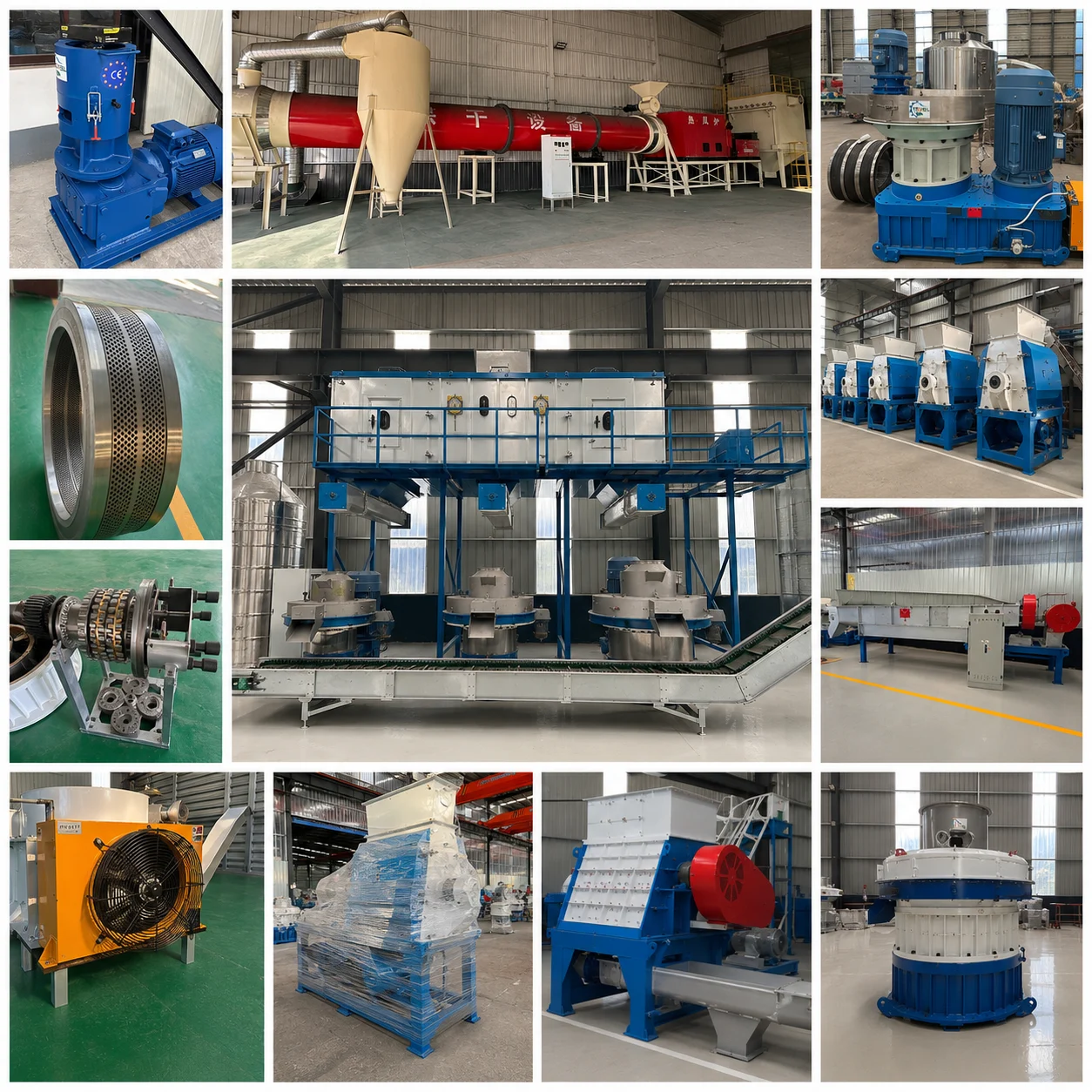
The five major systems of crushing, grinding, drying, pelleting, cooling, and packaging work together to ensure a stable output of high-quality biomass pellets.

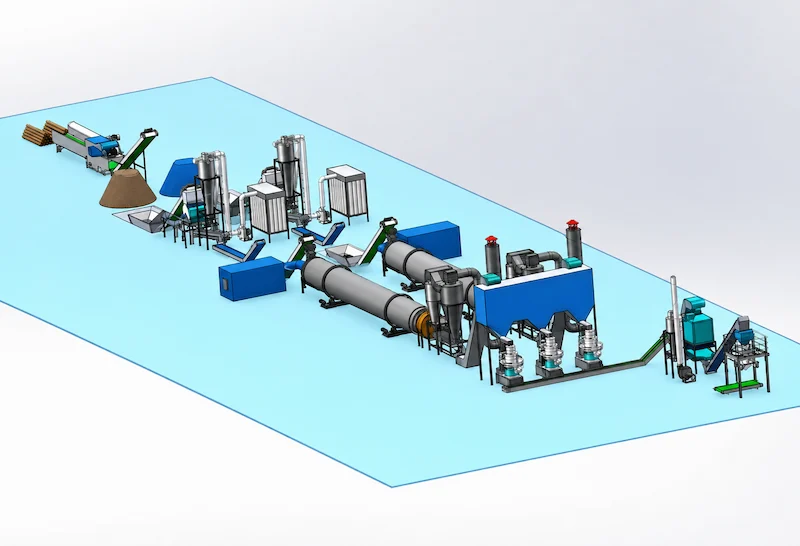
The biomass pellet plant, also known as biomass pellet production line, it is a pellet processing line that uses various agricultural and forestry wastes (such as straw, palm fiber, EFB, rice husks, sunflower shells, etc.) as raw materials. Through industrial processes such as crushing, drying, pelleting, cooling, and screening, it transforms low-density biomass waste into high-density cylindrical pellet fuel with a diameter of 6-10 mm.

TCPEL biomass-pellet-plant
biomass pellet plant

BIOMASS PELLET PLANT SOLUTIONS

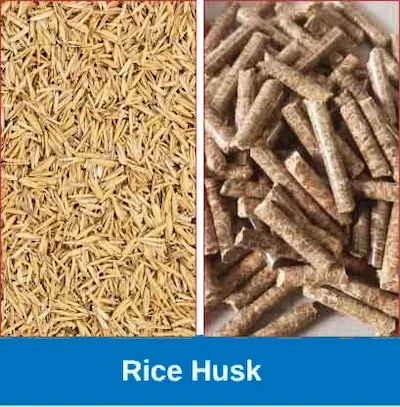
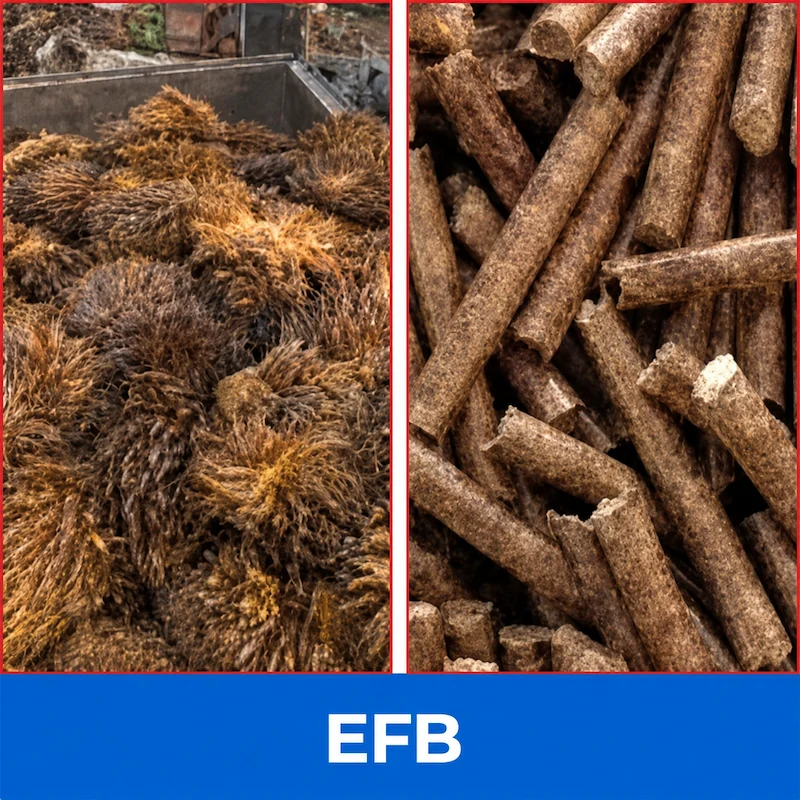
Biomass pellet plants come in many types because virtually all biomass raw materials can be processed into biomass pellets after pretreatment. However, unlike wood pellet plants, the equipment used in biomass plants varies considerably, primarily due to the vast differences in raw materials, which can lead to entirely different processing techniques. For instance, a simple rice husk pellet plant requires only an automatic feeder and a rice husk pellet mill, while an EFB pellet plant is much more complex, incorporating processes such as crushing, drying, fine grinding, pelletizing, cooling, and packaging.

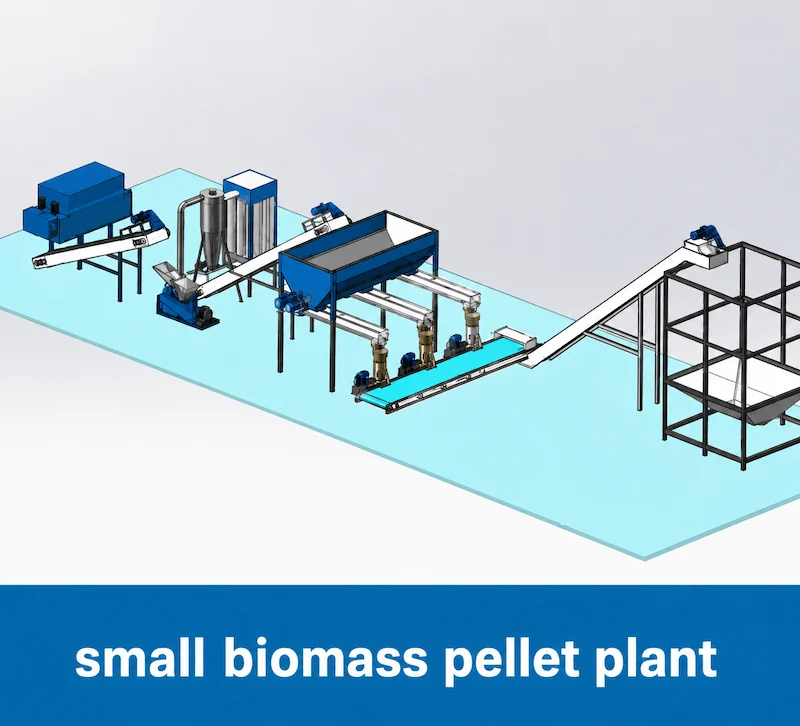
TCPEL small-biomass-pellet-plant

Small-scale biomass pellet plants typically use flat die pellet mills with a production capacity of less than 1,000 kg/hour.
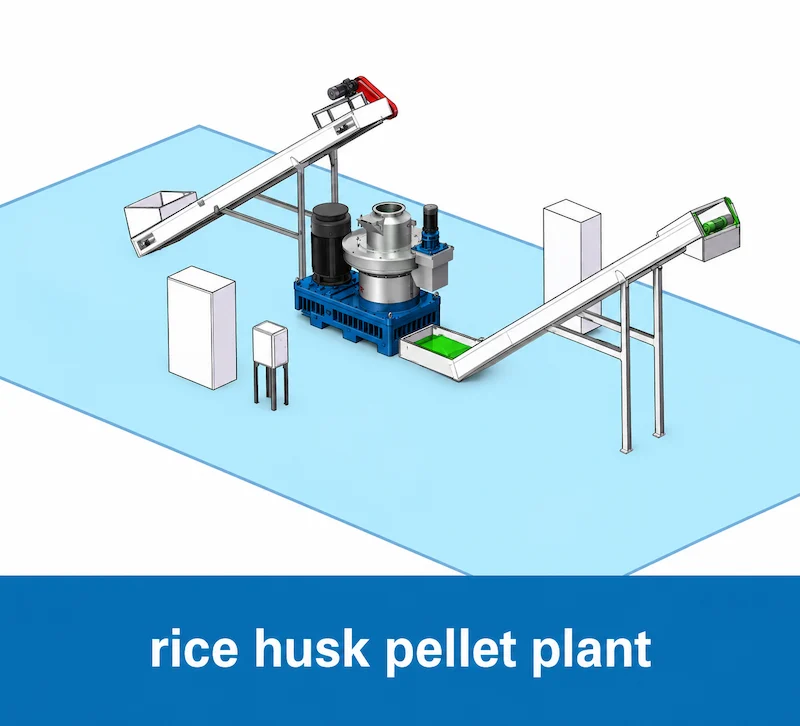
TCPEL rice-husk-pellet-plant

Rice husk pellet plant is the simplest factory because rice husks no need drying or crushing and can be fed directly into the pellet mill.
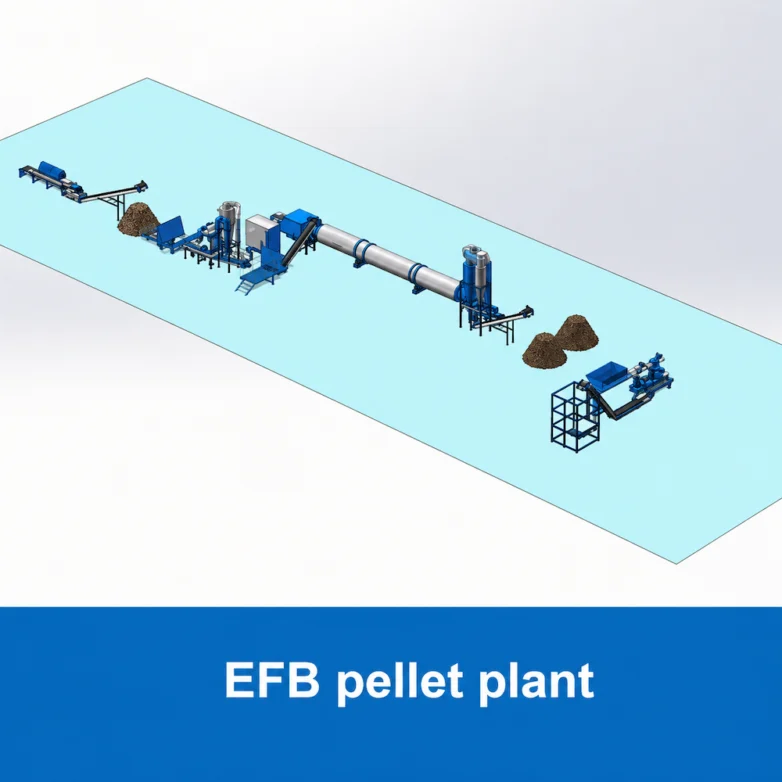
TCPEL Biomass Pellet Plant

Empty fruit bunches (EFB) need to be crushed, fine grinding, and dried for pretreatment, but EFB pellets are high-quality biofuel.
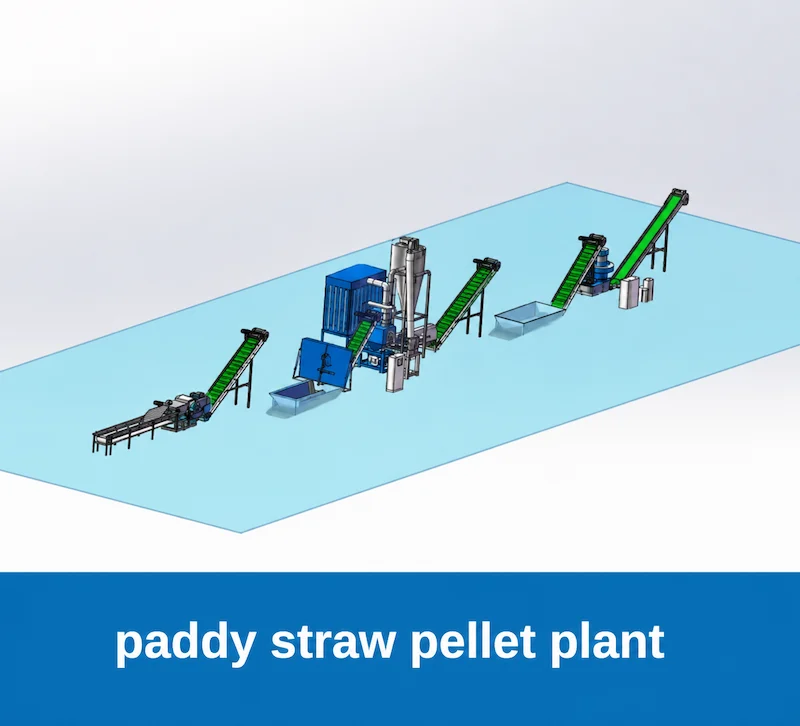
TCPEL paddy-straw-pellet-plant

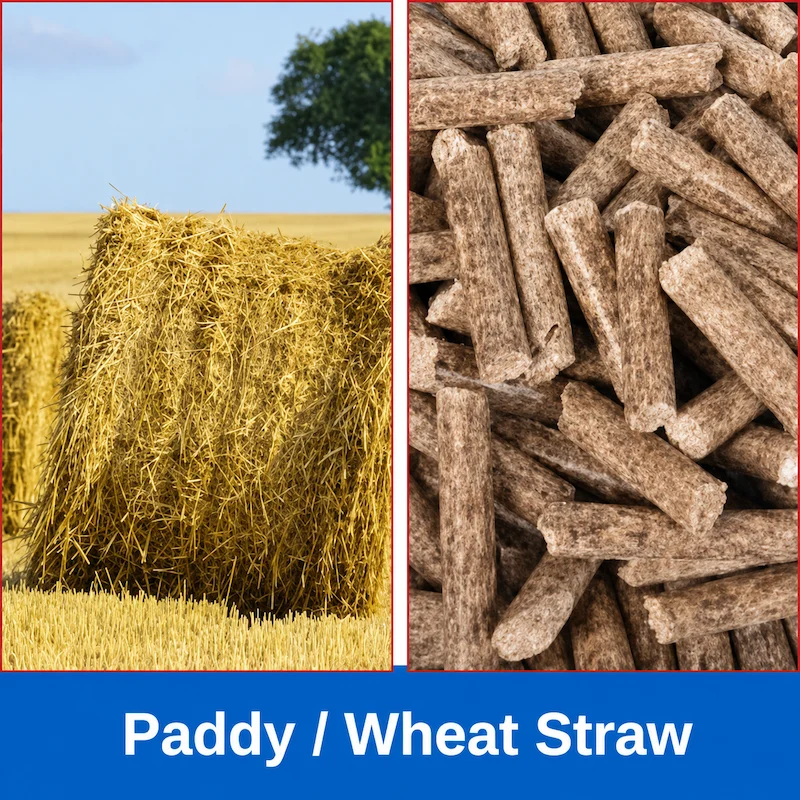
Rice straw pellets have a large market in India, but many machines face low output problems. We have successfully solved this technical challenge.
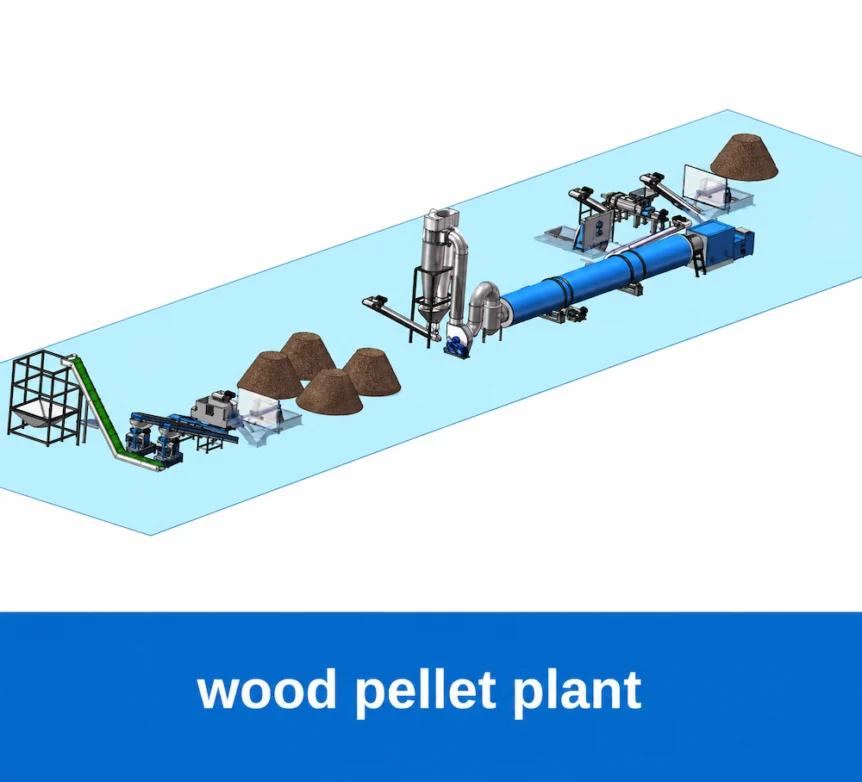
TCPEL wood-pellet-plant

Wood pellet plant are the most common type of biofuel factories, and pellets have a huge potential market worldwide, especially in Indonesia, Pakistan, and Europe.
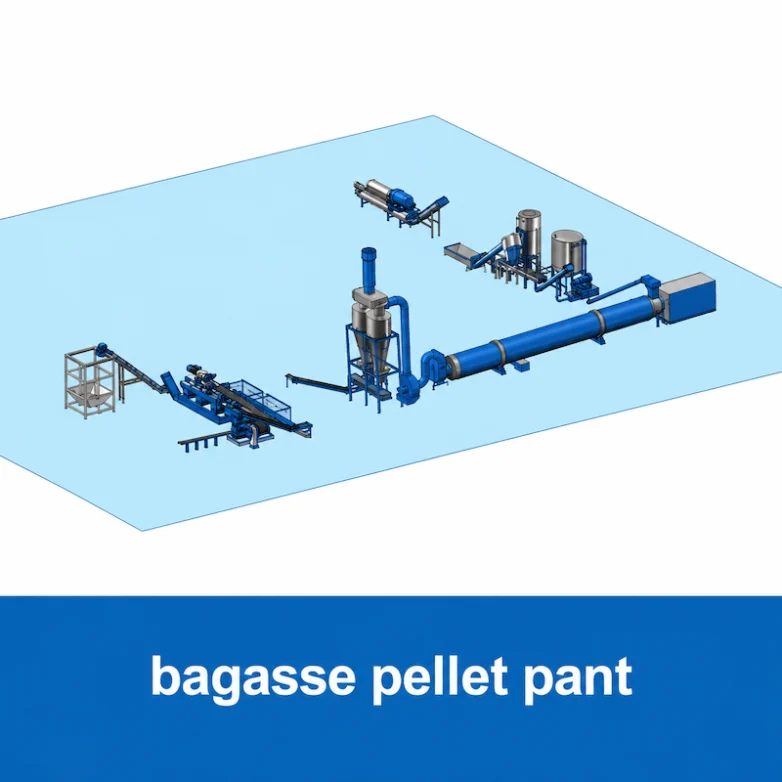
TCPEL bagasse-pellet-pant

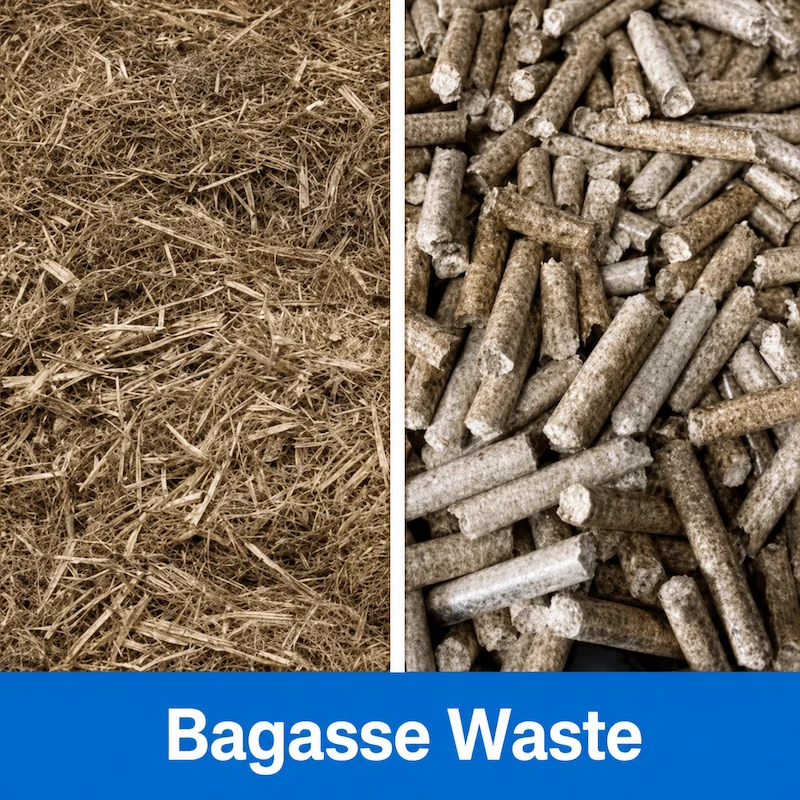
Bagasse pelleting plants are not common because most bagasse is made into bagasse briquettes, which are invested in Africa and India mostly.
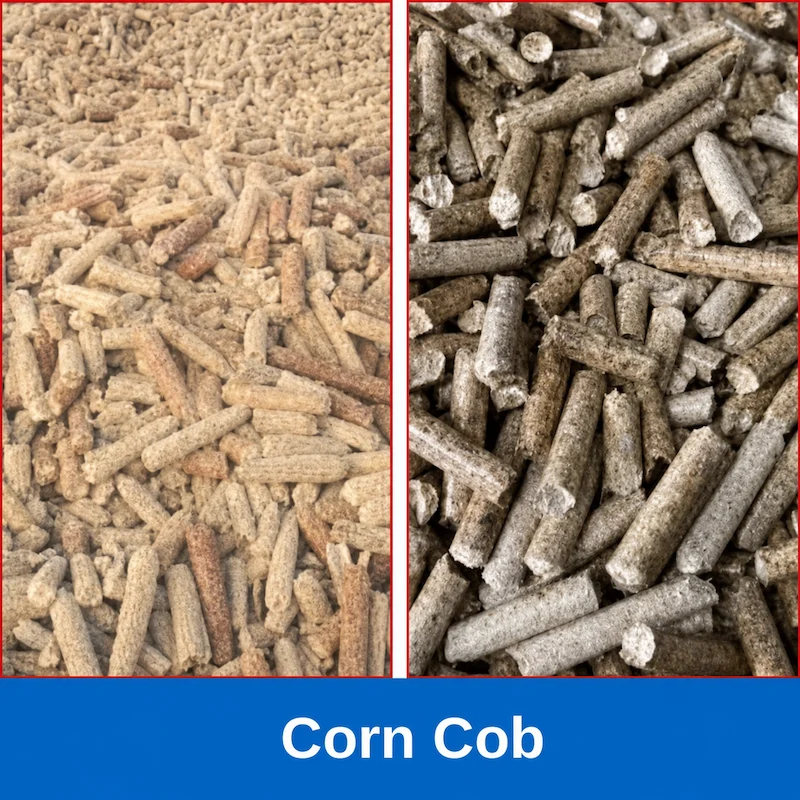
Corn cob pellet mills offer a single machine capacity ranging from 80 kg/hour to 4000 kg/hour, adapting to different production scales and flexibly meeting the needs of family, small workshops, industrial, and large-scale commercial production. We provide a corn cob pellet press one-stop solution for corn cob pelleting, and it is an ideal choice for biomass resource recycling.

WHICH BIOMASS RAW MATERIALS CAN BE MADE INTO BIOFUEL PELLETS?

TCPEL Rice-Husk-Pellets
TCPEL EFB-Pellets
TCPEL Paddy-_-Wheat-Straw-Pellets
TCPEL Corn-Cob-Pellets
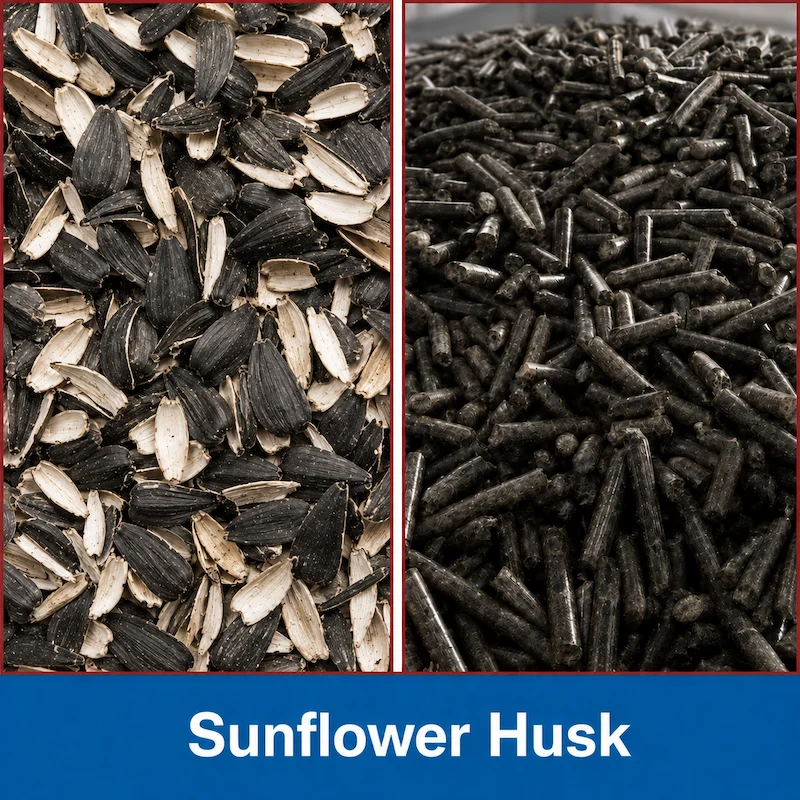
TCPEL Sunflower-Husk-Pellets
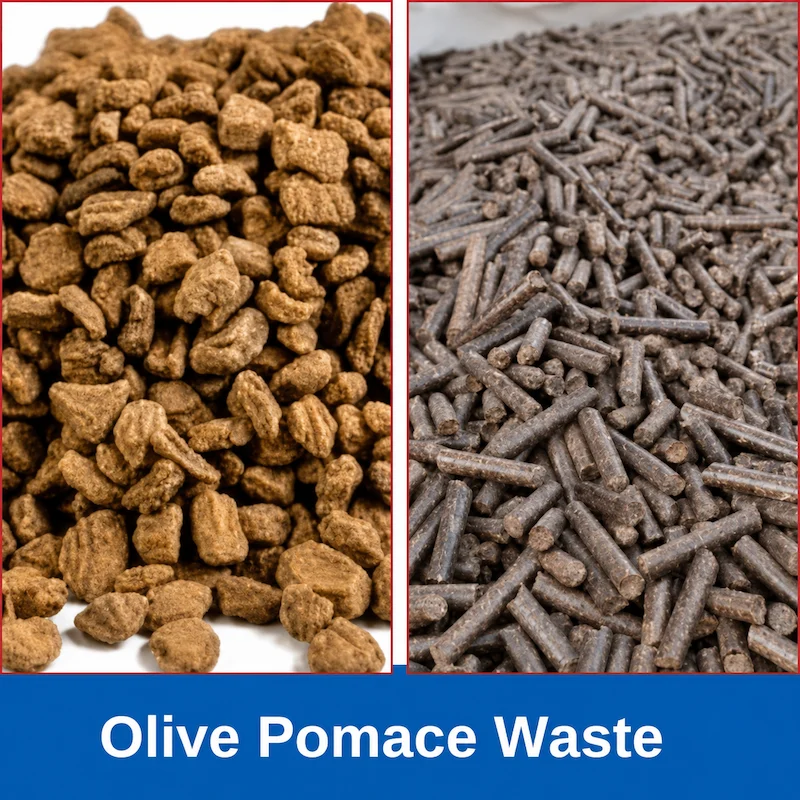
TCPEL Olive-Pomace-Waste-Pellets
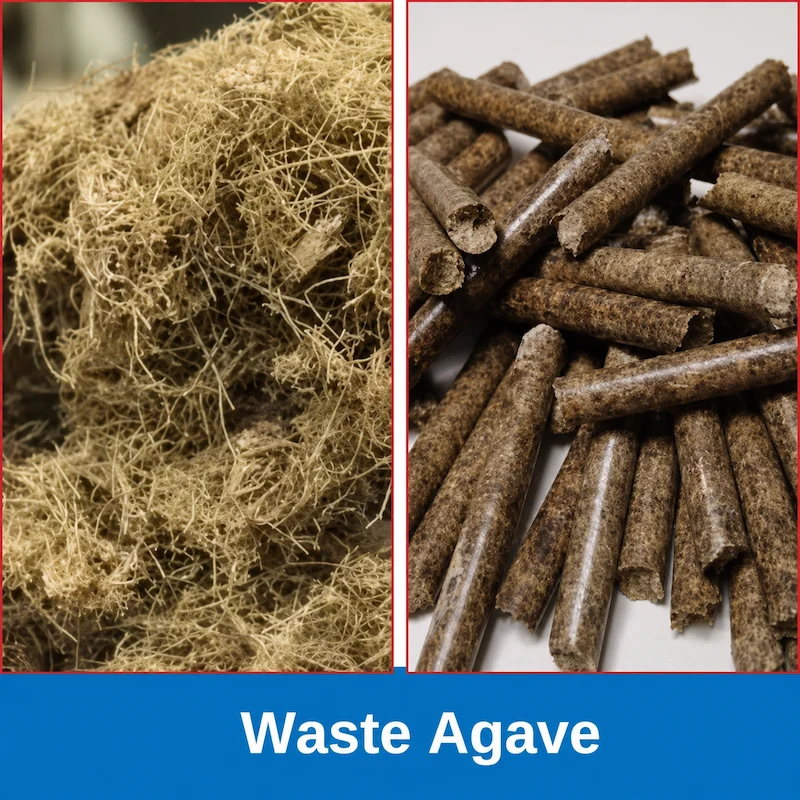
TCPEL Waste-Agave-Pellets
TCPEL Bagasse-Waste-Pellets

Almost all biomass waste can be compressed into biomass fuel pellets. However, not all biomass pellets generate profits. Based on the current market and our experience, wood-based (especially fruitwood and hardwood) and nutshell-based (rice husks, sunflower seed shells, coconut shells, EFB, etc.) raw materials offer the highest calorific value and greater profit margins.

Below is a comparative analysis of three common high-value biomass pellet raw materials for your reference:

TCPEL BPP03

Tree Logs and Branches / Hardwood (Preferred)

  • Calorific Value and Combustion Characteristics: Highest calorific value, approximately 4000-4800 kcal/kg; extremely low ash content (<1%), long burning time.
  • Representative Raw Materials: Apple branches, pear branches, pine, oak, eucalyptus, etc.

TCPEL Biomass Pellet Plant

Nutshell-based Raw Materials

  • Calorific Value and Combustion Characteristics: Extremely high calorific value, clean combustion, smokeless and odorless. Calorific value similar to sawdust.
  • Representative raw materials: Walnut shells (hard nut shells), cashew shells, EFB (e.g., coconut shells, sunflower seed shells), and other high-calorific-value nut shell raw materials.

TCPEL Biomass Pellet Plant

Corn/wheat/barley straw and various grasses
  • Calorific value and combustion characteristics: Low calorific value, approximately 3000-3800 kcal/kg. High ash content, prone to slagging, and low combustion efficiency. Only suitable for biomass power plants.
  • Representative raw materials: Corn stalks, wheat straw, rice straw.

HOW DOES A BIOMASS PELLET PLANT WORK?

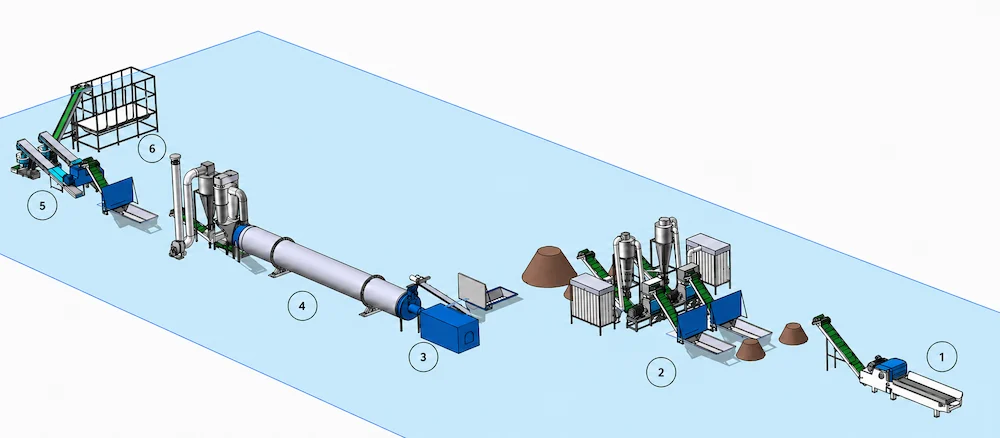
TCPEL biomass-pellet-plant-flow-chart-drawing
biomass pellet plant flow chart drawing

The processing flow for biomass pellets varies widely, primarily due to significant differences in the size, moisture content, and fiber hardness of the raw biomass materials. This leads to variations in pellet processing techniques. For example, using rice husks only requires a pellet mill, without any pretreatment. However, using straw-based raw materials necessitates coarse crushing and fine grinding, while using bagasse requires a dryer and a hammer mill. Therefore, you need to customize this biomass pellet production line based on the characteristics of the raw materials.

TCPEL Biomass Pellet Plant

Raw Material Pretreatment:

However, regardless of the raw materials used, a complete production line generally includes the following six core steps and processes. Please refer to them:

TCPEL Biomass Pellet Plant

Coarse Crushing:

Large-sized raw materials such as coconut husks, corn stalks, rice straw, and wheat straw require coarse crushing using a crusher to reduce the material size to within 30 mm or even 50 mm. The smaller the better, primarily to increase the output of the subsequent fine grinding stage and facilitate the raw material's entry into the hammer mill. The primary equipment in the coarse crushing stage includes crushers and shredders, which need to be selected based on the characteristics of the raw materials.
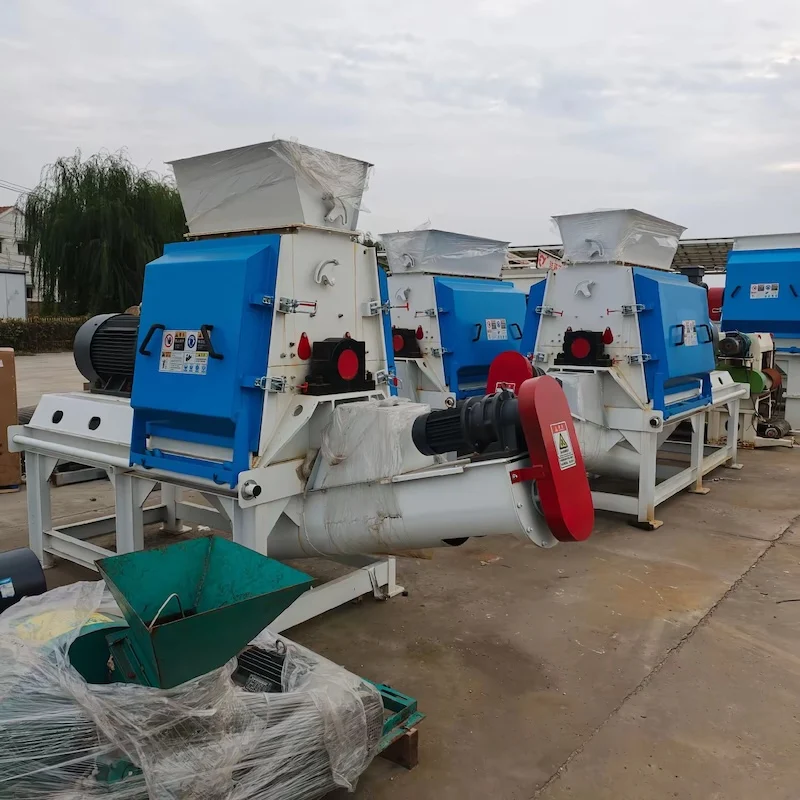
TCPEL Fine-Hammer-Mill

Fine Crushing: Controlling Raw Material Size

The processed raw materials are ground into fine fibrous powder by a crusher. To achieve optimal forming results, the particle size is typically required to be controlled within 10 mm. The most common problems encountered at this stage are low output, machine blockage, or excessive dust. Therefore, the discharge method of the hammer mill and the matching models of the cyclone dust collector and blower need to be selected based on the moisture content, bulk density, and fiber hardness of the biomass raw materials. This directly determines the processing cost of the crushing stage.
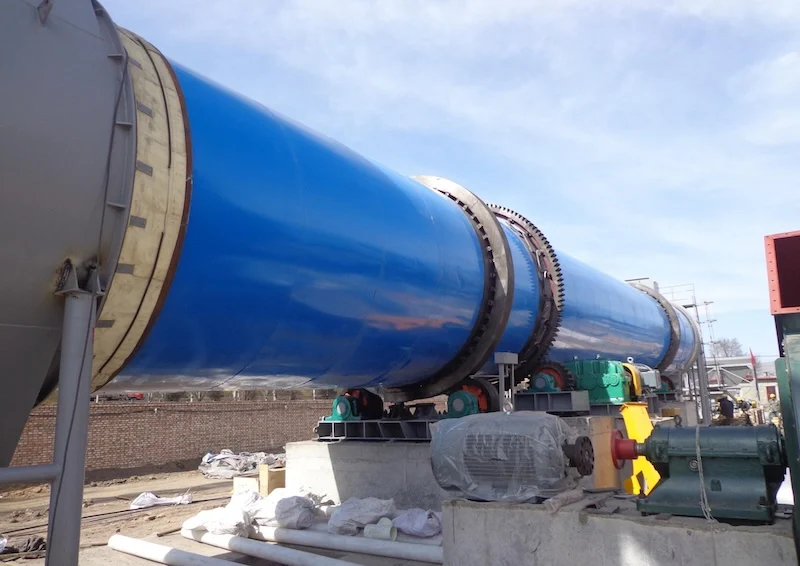
TCPEL Drum-dryer

Drying: Controlling Raw Material Moisture

This is a crucial step because moisture directly affects the pellet forming quality and calorific value. However, the challenge lies in maximizing the efficiency of the dryer while ensuring safety. To achieve this, you will need to provide the following information: - The original moisture content of your raw materials (generally no higher than 20%, no requiring drying). - Your required production volume (a dryer is not recommended for very small production volumes, as it will be difficult to recoup the investment cost).

TCPEL BPP08

Pelletizing: High Temperature and High Pressure Pelletizing
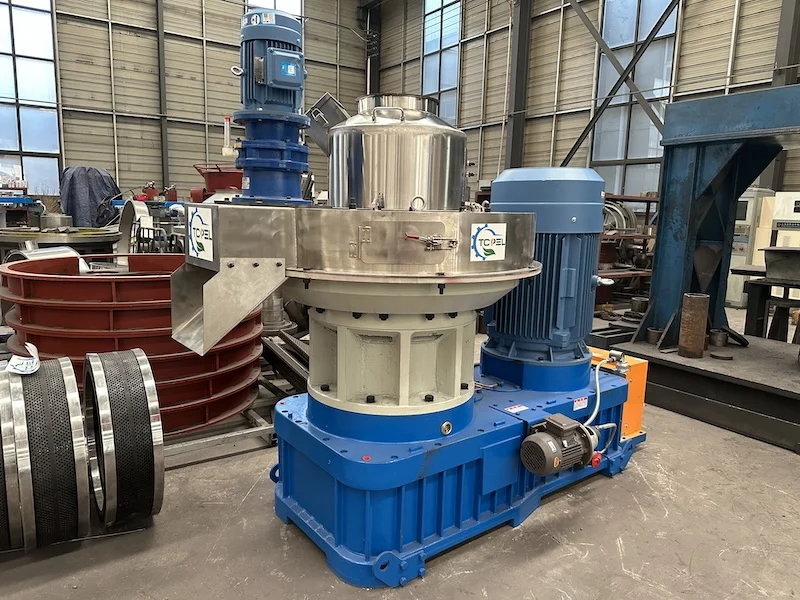
TCPEL Biomass Pellet Plant

This is the core technology. The dried biomass powder (moisture content 15-20%) is fed into the pellet mill. Under strong physical pressure, the material is extruded from the small holes of a ring die. The pelleting process requires no binders; the material's own temperature under high pressure (often reaching 90-110℃) melts the lignin, binding the powder together like glue. This stage requires the most experience, as several factors affecting the output and stable operation of the biomass pellet mill are interdependent, making extensive operator experience crucial for stable operation.
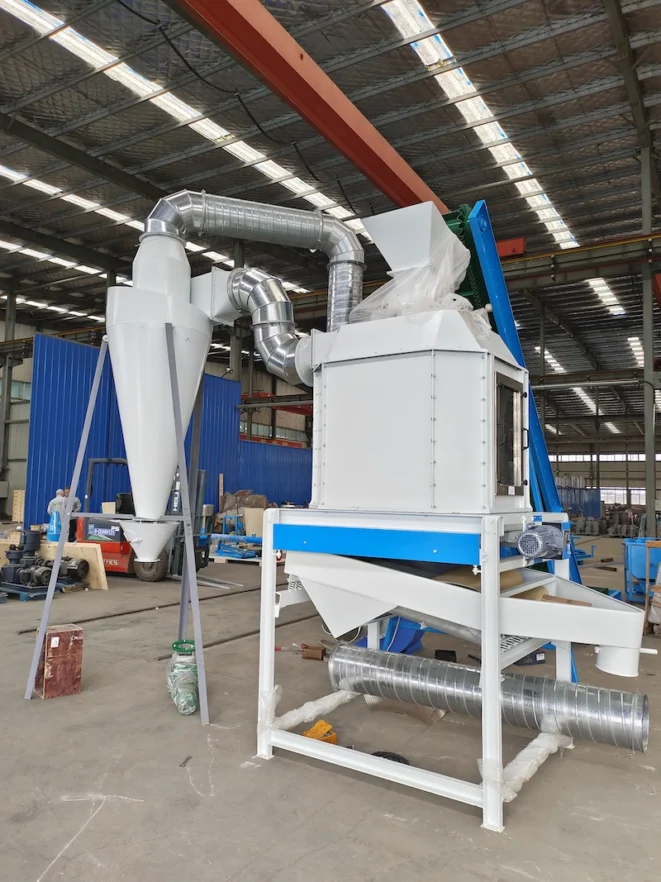
TCPEL Biomass-Pellet-Cooler

Cooling and Screening: Biomass Pellet Cooler

Freshly pressed biomass pellets are hot (approximately 70-80℃) and soft (becoming harder after cooling). The pellets must be cooled by airflow from a cooling tower while simultaneously screening out the broken pellets. They can only be bagged after hardening; otherwise, the pellets will easily become back loose. Common cooling machines on the market include counter-flow coolers and mesh belt coolers. The appropriate biomass pellet cooler can be selected based on the type of pellets.
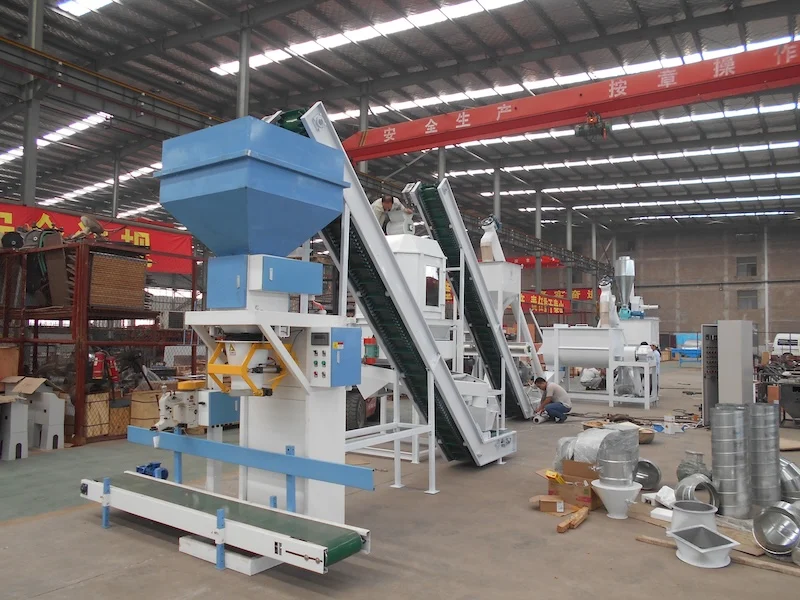
TCPEL Pellet-Packing-Machine

Packaging and Warehousing

Finally, the biomass pellets are half automatically bagged by a pellet packaging machine. For large-scale pellet production lines, automatic palletizers can be added for palletizing and storage. The density of high-quality biomass pellets will increase from 0.1-0.2 t/m³ in a loose state to 1.1-1.3 t/m³, and the calorific value can reach 3500-4800 kcal/kg (the calorific value depends on the type of raw material).
BIOMASS PELLET PLANT DESIGN AND PARAMETERS

RAW MATERIAL INITIAL CRUSHING FINAL CRUSHING DRYER PELLET MILLS
RICE HUSK / / / Roller rotation type flat die pellet machine or vertical ring die pellet machine
SUNFLOWER HUSK / / /
BAGASSE / / Multi-layer drum dryer
RICE STRAW Double roller shredde, drum chipper hammer mill /
COTTON STRAW /
COCONUT HUSK Multi-layer drum dryer
WOOD LOGS drum wood chipper or disc wood chipper

The above configurations and parameters are for reference only. Please contact our engineering team for detailed configuration information.

BIOMASS PELLET PLANT PROJECT CASE

3-4T/H Wood Pellet Plant In Indonesia

  • Capacity:3-4T/H wood pellet plant.
  • Including: wood chipper, hammer mill, drum dryer, pellet mill ect.
  • Raw material: wood waste, wood shavings.
  • Location: Indonesia
  • Voltage & Frequency:380V, 50HZ

3-4T/H Rice Straw Pellet Plant in India

  • Capacity:3-4T/H rice straw pellet plant.
  • Including: hammer mill, rice straw pellet mill ect.
  • Raw material: bulk rice straw ,
  • Location: India
  • Voltage & Frequency:440V, 50HZ

The fiber characteristics of raw materials have a significant impact on pellet mills. For example, if a standard model is used to produce rice straw pellets, it is easy to encounter the problem of low pellet output. Therefore, it is generally necessary to customize the crushing and pellet forming system of the biomass pellet production line according to the type and fiber characteristics of the raw materials. This is the key to ensuring the lowest energy consumption.

PELLETS VS BRIQUETTES

Many clients compare biomass pellet production with biomass briquettes before investing in the biomass fuel business. What are the differences between them? Below, we will provide a detailed comparative analysis.

1. Different Markets

Biomass pellets can be used in a wider range of markets, such as biomass boilers, biomass pellet burners, power plants, and cement plants. However, biomass briquettes have fewer applications, such as in European homes for fireplace heating or in large cement and power plants.

2. Production Costs

Due to the different working principles of biomass pellet mills and briquetting machines, the energy consumption for producing biomass pellets is higher. Producing one ton of biomass pellets requires approximately 60 kWh of energy, while producing 60 mm diameter briquettes requires approximately 35-45 kWh. Therefore, briquetting machines are more energy-efficient. However, this only refers to stamping briquetting machines, not ring die briquetting machines.

3. Investment Cost Comparison

Biomass pellet mills have lower investment costs due to their large-scale production and complete market supply chain, while biomass briquetting machines have higher investment costs. If you would like a detailed comparison of investment costs, please contact us and send us photos of your raw materials.

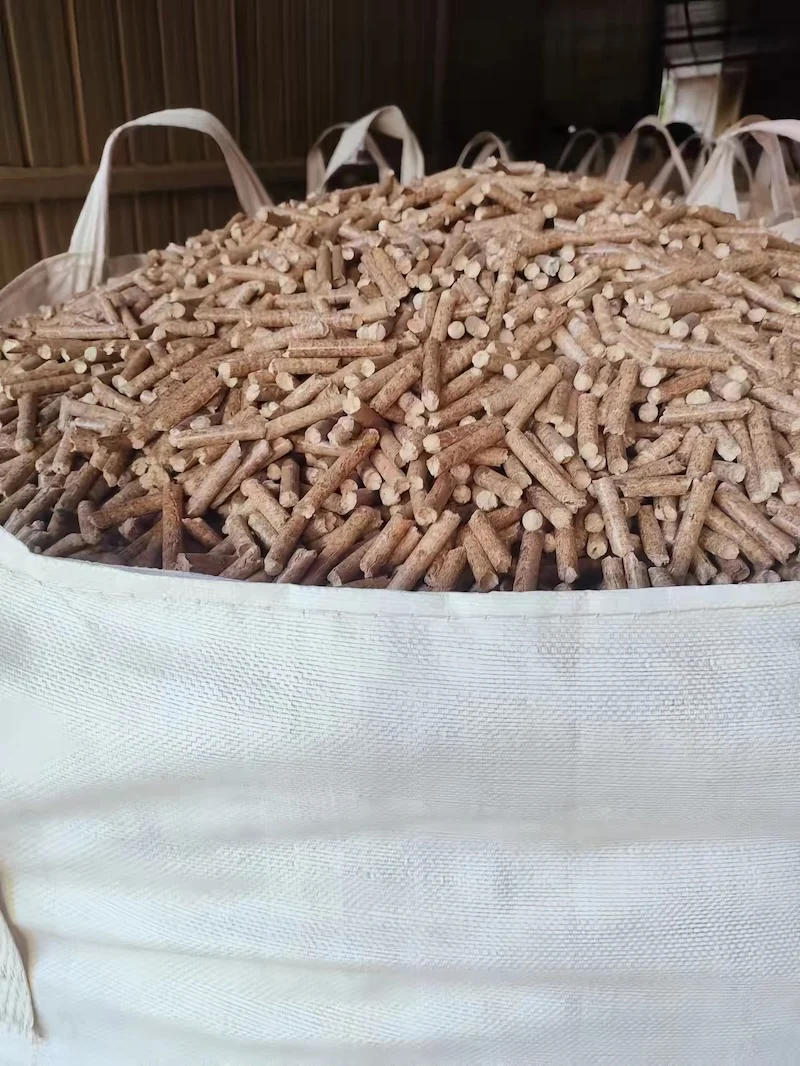
TCPEL wood-pellets
wood pellets
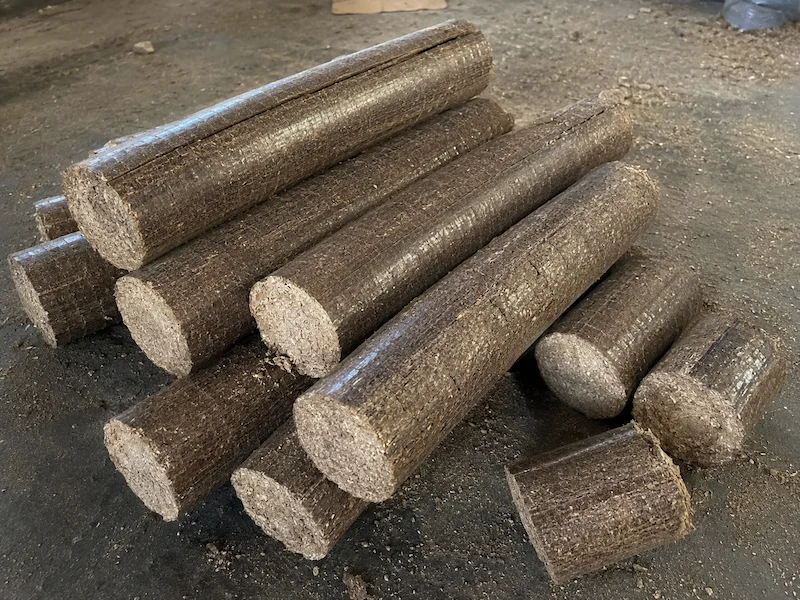
TCPEL wood-briquettes
wood briquettes

Regarding the choice, it depends on your primary target market. The local energy structure and main energy types also determine which type of raw material is more advantageous. You can contact us for more information.

HOW TO START A BIOMASS PELLET PLANT BUSINESS?

Before Investing in a Biomass Pellet Production Line: Three Core Considerations

  1. Raw Materials There are many types of biomass raw materials, but choosing the right one is crucial. If you’re using sawdust or shavings from a furniture factory, congratulations, this is the best raw material. It’s high in lignin, easy to shape, and low in ash. If you want to use straw or similar raw materials, you need to grind them to below 10mm, and the compression ratio also needs to be increased. Being able to collect a sufficiently stable supply of dry raw materials can significantly reduce production costs. Therefore, you need to determine your raw materials before starting the project.
  2. Local Fuel Target Market Biomass pellets are generally used as an alternative energy source. Therefore, before starting the project, you need to understand the local energy structure and prices, and even the local government’s subsidy policies for biomass pellets. This will allow you to quickly identify your target market and make the right choice.
  3. Scale of the Biomass Pellet Line The scale of the biomass pellet production line will directly determine your investment amount and economies of scale. For industrial pellets, a starting point is generally 1.5-2 tons/hour of output. This is a relatively small starting scale for industrial pellet lines. The larger the scale, the more significant the economies of scale.

BIOMASS PELLET MACHINE MANUFACTURER TCPEL

TCPEL Biomass-Pellet-Plant-Professional-Factory

FREQUENTLY ASKED QUESTIONS

Is it profitable to set up a biomass pellet plant?

Not all biomass pellet businesses are profitable. Whether a biomass pellet business is profitable depends primarily on your production costs and local fuel market prices. You can conduct a feasibility market analysis through research to see if there is sufficient profit before deciding whether to invest.

The price of a biomass pellet production line is determined by output and raw materials. Taking rice husk pellet production line as an example, a 1-ton/hour production line only costs around US$12,000-15,000. However, if processing rice straw pellets, the price will be higher.

We do not have mobile biomass pellet plant. This type of industrial fuel pellet production line is not suitable for being mobile. Only small pellet production lines can be designed to be mobile.

Typically needs biomass pellet mills with a capacity of 2 or 3 tons in India, priced between US$20,000 and US$40,000. The exact price depends on the configuration. You can contact us for a precise quote.

Yes, we have some biomass pellet production lines in India, but we didn’t sell directly to end users; we sold through importers in certain stages, so we can’t arrange visits to the end customers’ factories.

Biomass waste, when processed into biomass pellets, has a high calorific value and stable calorific value, significantly reducing transportation and storage costs. Moreover, biomass pellets are a green and renewable resource, making them a high-quality alternative energy source.

You can send us photos of your raw materials. Remember to accurately inform us of the moisture content of the raw materials. Then we will provide you with a detailed plan on how to build a complete biomass pellet production line, tailored to your raw material and production needs.

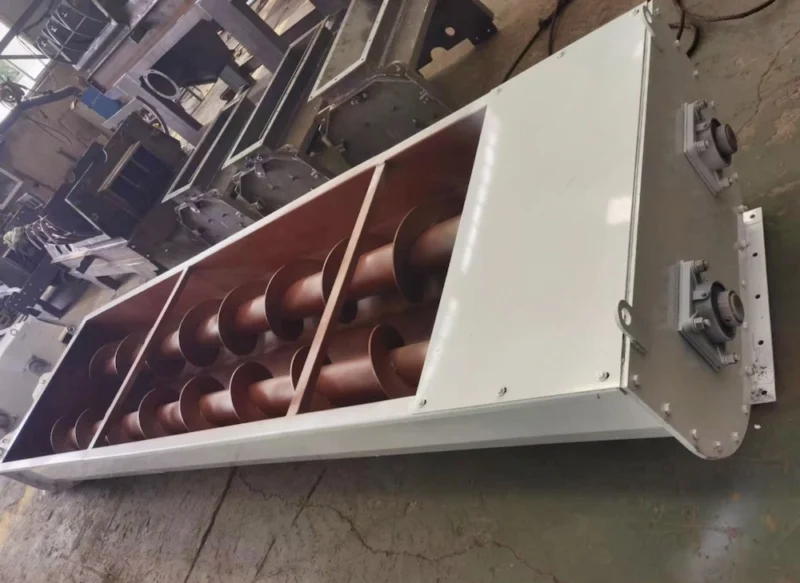
TCPEL Automatic-Feeder

Automatic Feeder

You can use the loader to push the raw material above the automatic feeder, and the raw material will be fed smoothly and uniformly.
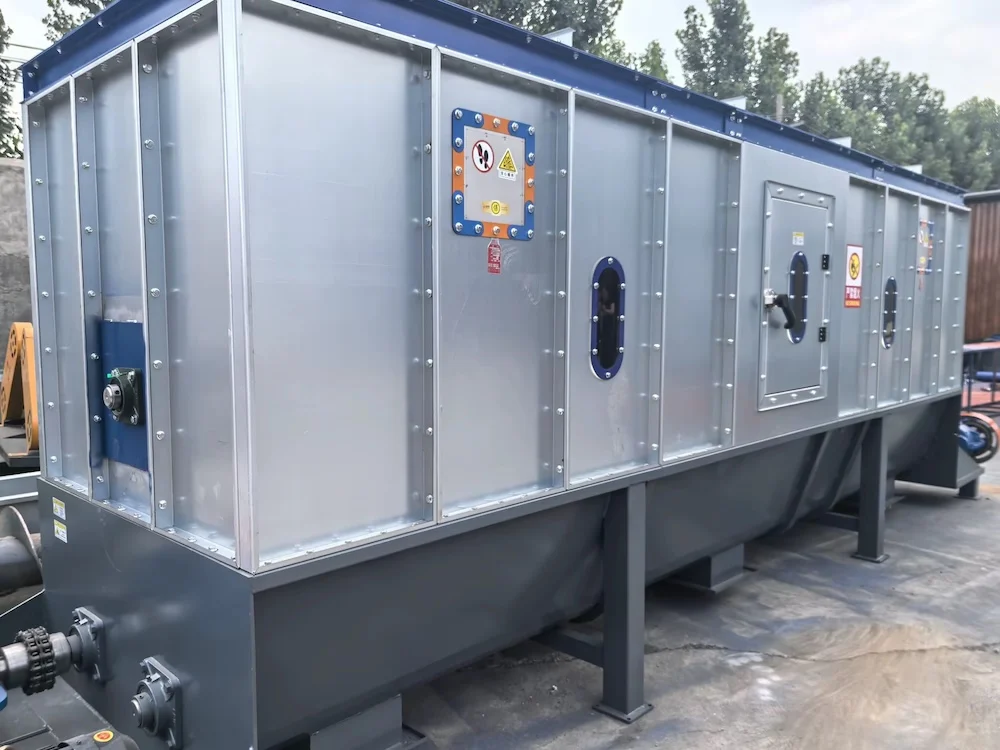
TCPEL Buffer-Silo

Buffer Bin

The buffer bin used for uniform light raw materials, it can automatically run for the pellet plant.
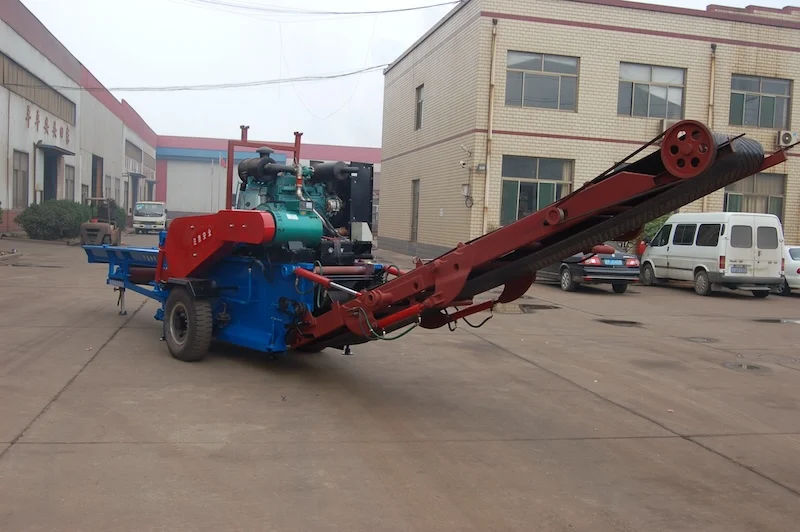
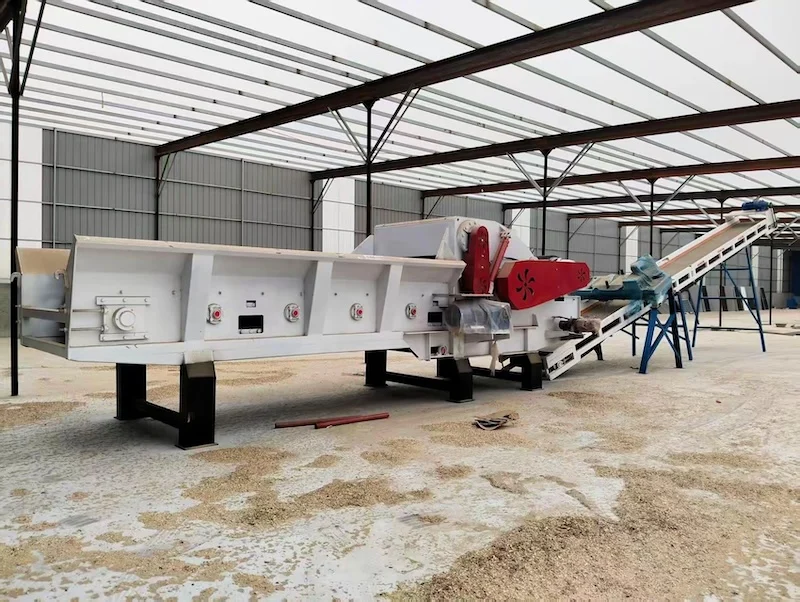
TCPEL Wood-Branches-Crusher

Diesel Wood Chipper

The diesel engine wood chipper is used for industrial and biomass power plants. It can work 24 hours stably.

Get Wood Pellet Plant Solution

We have been focusing on wood pellet plant for more than 12 years, striving for excellence and focusing on details and quality. Choose us and we will never let you down.

  • Quick reply within 2 hours
  • Provide the best pellet proposal within 24 hours.
  • Free test run service for special raw materials
  • Detailed case analysis after get your inuiry
  •  

TCPEL Alfalfa Hay Pellet Making Machine

TCPEL product guidance

Biomass Pellet Plant: quick answer

A biomass pellet plant combines matched process stages rather than one machine alone. TCPEL sizes crushing, drying, conveying, pelletizing, cooling and packing around the incoming material and required finished output.

Best matched by

Raw material, moisture, output, pellet size and working hours.

Configuration options

Single machine or matched process equipment for a complete line.

For a useful quotation

Send capacity, voltage, destination port and material details.

Frequently asked questions

What equipment is normally included in a biomass pellet plant?

The scope can include crushing, drying, conveying, pelletizing, cooling, screening and packing. The exact stages depend on incoming material and the finished pellet specification.

How is line capacity selected?

Line capacity should be balanced across every process stage, using the target hourly output, working hours, material condition and expected downtime rather than only the pellet machine rating.

What is needed before TCPEL prepares a line proposal?

Provide raw material, moisture, target capacity, pellet size, available workshop space, local voltage and destination port.

Content maintained by TCPEL, a brand of ALLWIN INTERNATIONAL CO.,LTD. Last updated 2026-07-25. Specifications and recommendations are confirmed against the material and project scope before quotation.

Request a model recommendationExplore feed pellet machines

Contact us