
Wood Pellet Plant: Define the Equipment and Project Scope
A wood pellet plant needs a process plan, not just a pellet mill. Start with your incoming material and required finished-pellet output. Then define preparation, pelletizing, downstream handling and site responsibilities.
TCPEL configures solutions for all types of wood raw material. Each proposal still depends on material condition and the intended product. No single machine configuration suits every incoming condition.
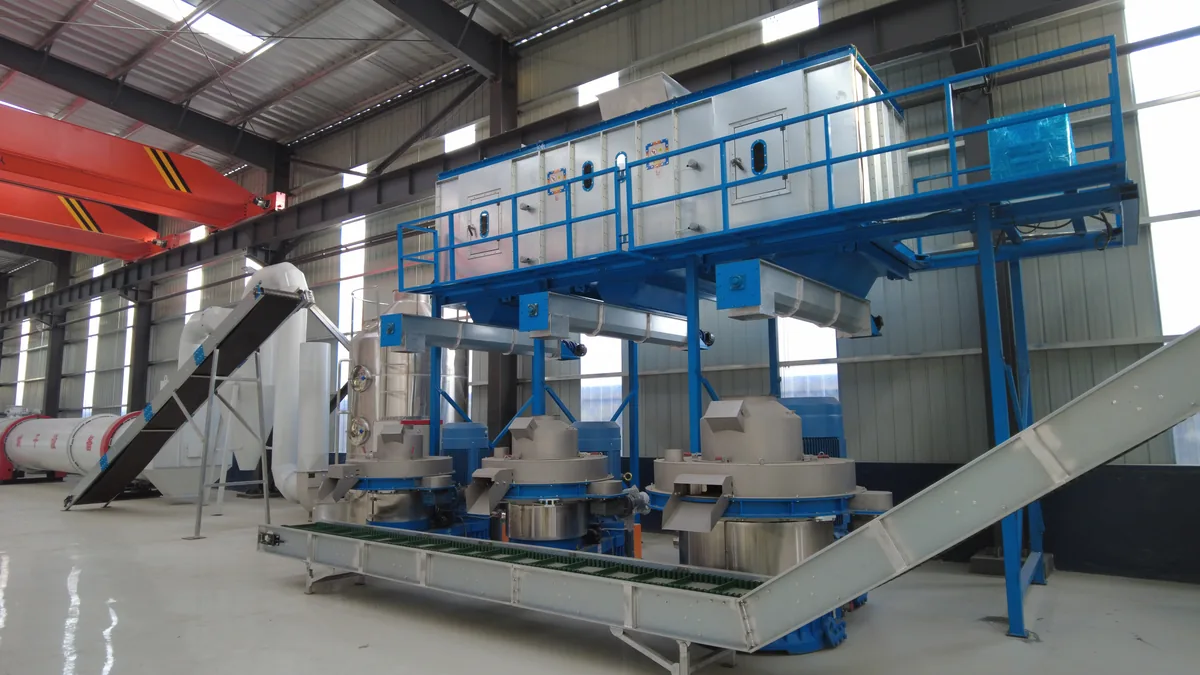
Define two different quantities before requesting a quotation
First, record the raw material available over a stated period. Include its moisture condition, delivery pattern and seasonal variation. Second, state the weight of accepted finished pellets you need. Identify the measurement point, operating hours and product specification.
Wet input weight is different from packed-pellet output. Drying removes water, while separation and screening affect material flow. A mill reference figure does not establish complete-line finished output.
| Record | What to write | Why it changes the proposal |
|---|---|---|
| Incoming material | Source, form, measured moisture and available quantity | Defines preparation and material flow |
| Finished output | Accepted pellet weight, measurement point and operating period | Defines the project target |
| Product specification | Pellet dimensions, final use and buyer requirements | Defines acceptable output |
| Existing equipment | Nameplates, current duty, drawings and known limitations | Identifies interfaces and possible reuse |
Use the sawdust material guide when sawdust forms your main supply.
Prepare a sawmill residue collection record
Planning a pellet production line for sawmill residues starts with collection records. Create one record for each actual material stream. Use these fields without inventing missing measurements.
| Record field | Details to enter |
|---|---|
| Collection point | Identify the source process and material form. Note separate storage, treatment and known contamination. |
| Common period and quantities | Use matching start and end dates for every stream. State operating time, quantity units and measurement methods. Label estimates. |
| Existing uses and available balance | Record other uses and quantities already committed elsewhere. State what remains available during the same period. |
| Moisture records | Record the moisture basis, method, sampling place and date. Mark unmeasured values as unknown. |
| Storage and handoff | Identify collection, storage and transfer points. Add existing equipment, connection details and relevant drawings. |
| Separate or blended feeding | Describe streams kept separate or proposed for blending. Identify changes still needing configuration review. |
A sawmill’s total residues are not automatically available pellet feedstock. Check existing uses before combining stream quantities. Keep raw-material records separate from required finished-pellet output.
Include this record with your pellet line configuration request. Leave unknown details open for later clarification.
Select process sections from the material condition
Consistent sawdust may need limited additional preparation. Coarse fragments can require screening or size reduction. Moisture above the selected process range can require drying. Confirm measured conditions before removing or adding a section.
| Section | Decision to resolve | Information needed |
|---|---|---|
| Receiving and separation | How will material arrive and unwanted material leave? | Delivery method, storage and known contaminants |
| Size reduction | Does the incoming particle distribution need adjustment? | Oversize description and required outlet condition |
| Drying, if required | What moisture change and water-removal duty are needed? | Measured inlet range, flow and proposed outlet condition |
| Pelletizing | Which configuration matches the prepared material? | Material condition, product requirements and selection basis |
| Cooling and screening | How will accepted pellets and fines be handled? | Downstream requirements and fines route |
| Packing or bulk dispatch | How must finished pellets leave the line? | Bag format, weighing and handling requirements |
Record wood chip handoffs before equipment selection
Choosing equipment to make pellets from wood chips starts with each handoff.
Coarse reduction and finer grinding are different equipment decisions.
- Record incoming chip dimensions, particle variation, moisture, and known contamination.
- Identify existing coarse reduction, screening, storage, and transfer equipment.
- For proposed finer grinding, describe its actual incoming material.
- Ask for inlet conditions, required outlet condition, and the measurement method.
Review the hammer mill guide for grinding interfaces.
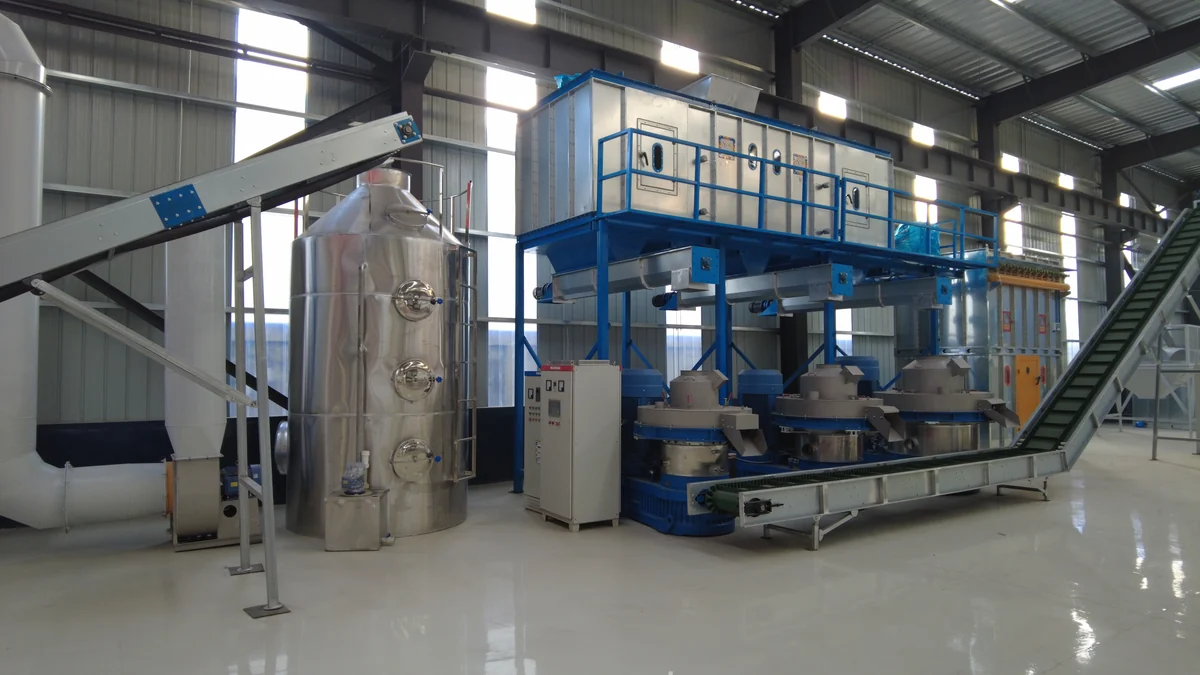
Review the wood pellet machine options within that process boundary. Use the rotary dryer planning guide for a required drying section.
Specify the drying duty before selecting drying equipment
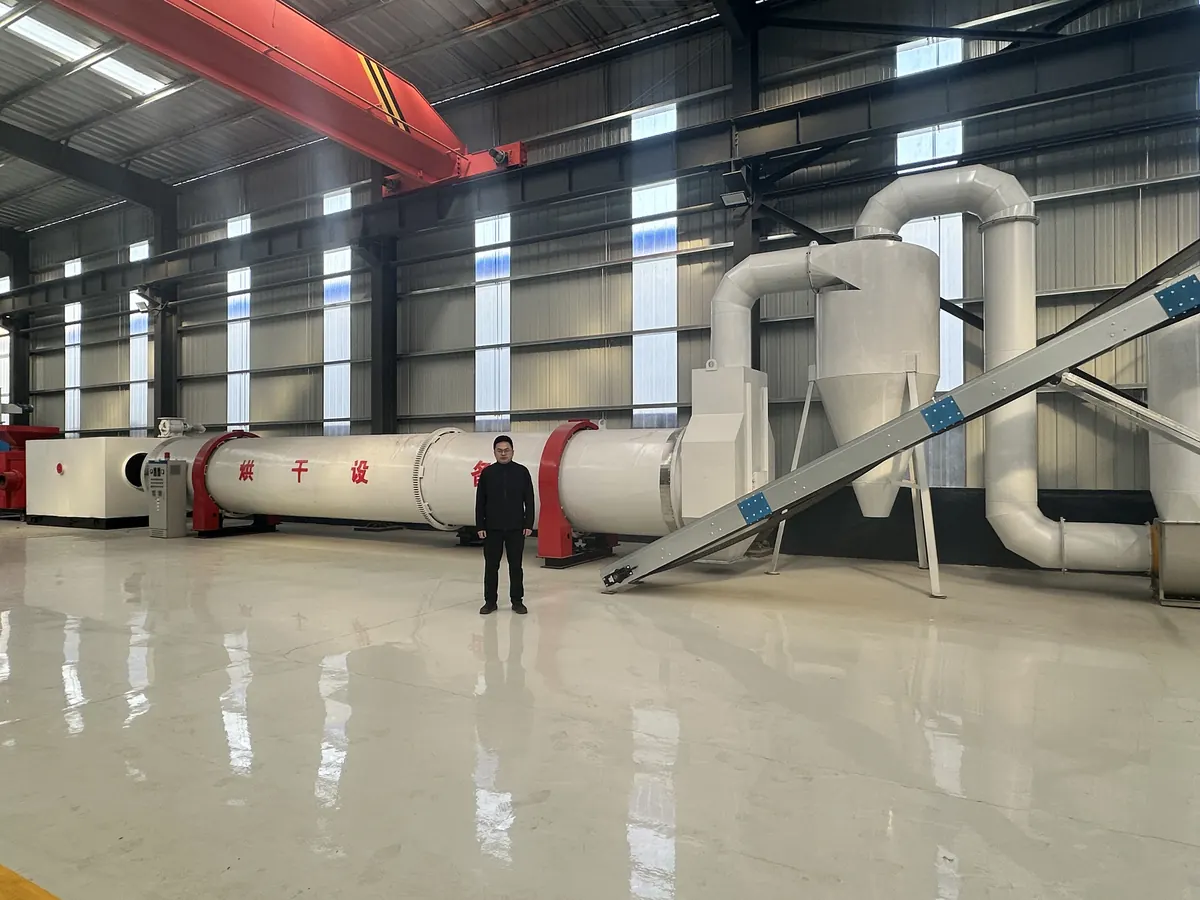
A dryer is conditional, rather than mandatory for every wood pellet plant. Record representative moisture results and their measurement basis. Identify the wet-material flow and required outlet condition. Also describe the available heat source and site restrictions.
Compare readings on the same moisture basis. Photos cannot establish moisture or the required drying duty. Unknown conditions should remain unknown until measured.
Separate packing choices before comparing quotations
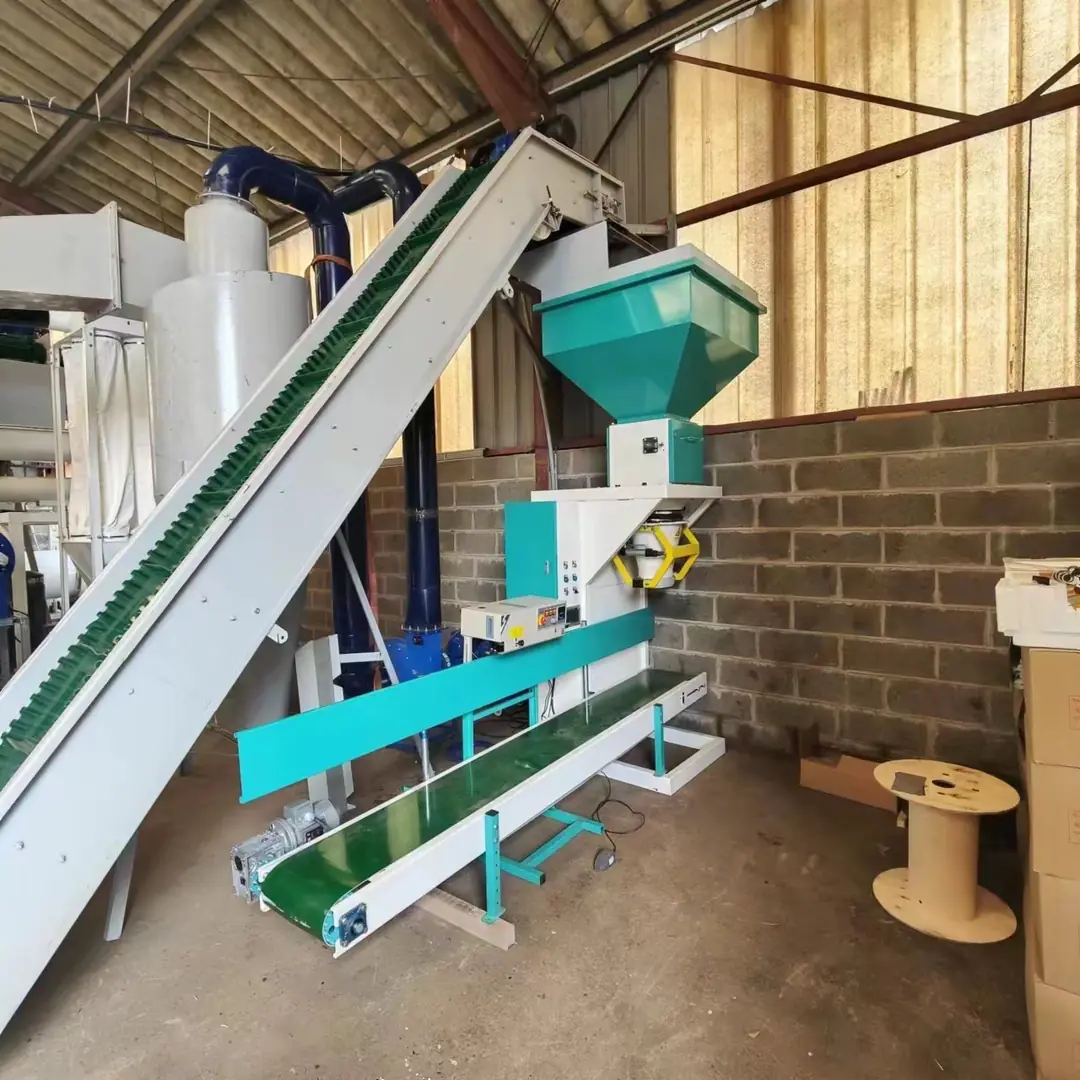
Small bags, big bags and bulk dispatch create different equipment requirements. Describe your dispatch format before selecting the downstream arrangement. Automation also needs defined infeed, output and operator responsibilities.
| Dispatch choice | Questions for the equipment request |
|---|---|
| Small bags | Which bag size, closure method and finished-bag handling are required? |
| Big bags | Which bag dimensions, lifting arrangement and weighing requirements apply? |
| Bulk dispatch | Where will pellets discharge, and how will loading be controlled? |
| Automation request | Which filling, closing and handling steps should be automated? |
These questions define a requirement; they do not establish a standard package. Confirm the equipment and automation offered in your project quotation.
Make the TCPEL supply boundary explicit
TCPEL supplies complete-line equipment and provides installation. This includes electrical controls, dust collection and safety systems. The quotation should define selected equipment and actual installation work. Foundations, buildings and site-service interfaces also need assigned responsibilities.
Safety provisions require the actual material, equipment and applicable local requirements. General equipment availability does not establish fuel-market acceptance for treated wood. Identify adhesives, coatings, preservatives and contamination before selecting a route.
| Scope entry | Record one agreed responsibility |
|---|---|
| New equipment | Included supply, optional supply or excluded from this quotation |
| Retained equipment | Existing duty, required condition and integration responsibility |
| Electrical and control interfaces | Supply limits, connections and site electrical requirements |
| Dust collection and safety | Selected provisions, interfaces and local review responsibilities |
| Installation and site work | Included tasks, site preparation and customer-provided conditions |
| Documents and acceptance | Required documents, measurement boundaries and agreed checks |
Compare cost components using the same scope
There is no useful fixed plant price without a defined scope. Compare equipment sections, interfaces, packing and site services separately. Identify optional equipment and exclusions beside each quotation. Clarify shipment, installation and commercial terms in the actual offer.
Use the machine purchasing checklist for comparable technical questions.
Questions before requesting a plant configuration
Can existing machines remain in the new line?
They can be considered after their duty and interfaces are reviewed. Provide drawings, nameplates and current operating information. Confirm compatibility before treating reuse as part of the final scope.
Does complete equipment supply include every site task?
The project quotation must identify the actual included work. Clarify foundations, buildings, utilities, access and installation responsibilities. Agree these boundaries before comparing complete-package prices.
What if the packing format is undecided?
Describe the likely bag or bulk requirements and mark undecided details. Compare the consequences before selecting equipment. Do not assume different dispatch formats use identical downstream arrangements.
Request a pellet line configuration
Start with contact details, raw material and target finished-pellet output. Estimates are welcome when clearly identified. You can state “not sure” for unknown conditions.
- Core: contact details, raw material and target finished-pellet output.
- Optional: country, moisture measurements, photos and pellet dimensions.
- Optional: operating hours, voltage, frequency, packing format and available space.
These details support the configuration and quotation discussion. Request the proposed process, equipment scope and site responsibilities together.