
Rotary Dryers for Pellet Production and Sawdust Preparation
A rotary dryer reduces material moisture within the selected production route.
Prepare a rotary dryer quotation around defined material and system conditions. State the incoming material, required outlet condition and available heat source. Ask which equipment and interfaces the offer includes.
Keep wet feed, dried material and finished pellets as separate quantities. A comparable quotation needs a stated measurement basis and project scope.
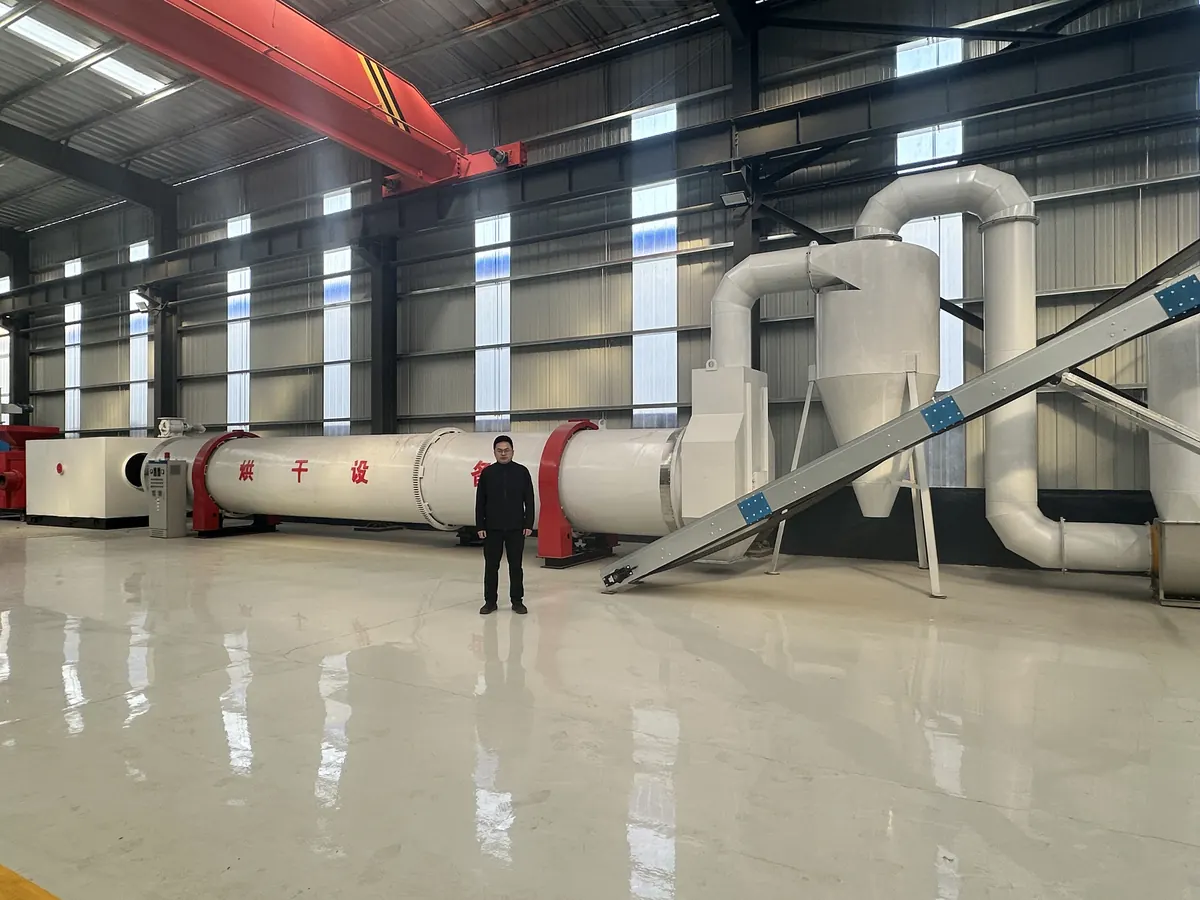
TCPEL can configure equipment for all types of wood raw material. Confirm the drying route and outlet requirement for each project.
For non-wood biomass, identify composition and intended use separately. Suitability and the drying route require material-specific review.
Use the same material conditions for each quotation
Describe the actual wood source, current form and expected variation. Identify treated wood, coatings and mixed materials separately. Record the moisture method, basis, sampling point and date.
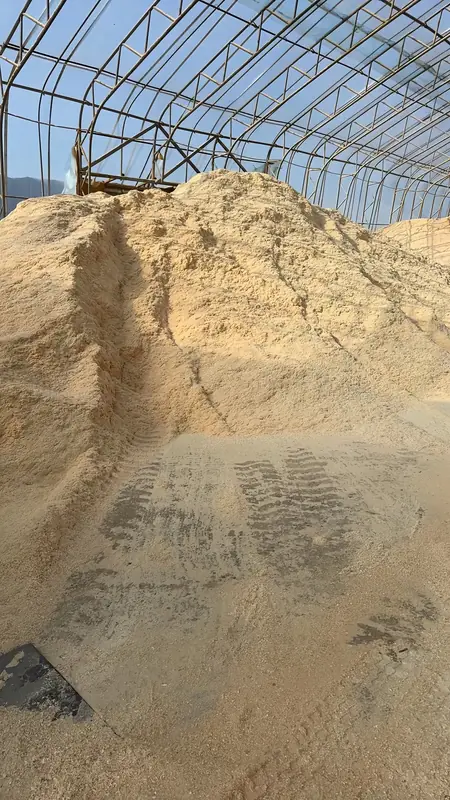
Identify whether moisture results use a wet or dry basis. Do not compare different bases as though they describe equivalent conditions. Describe typical deliveries, storage exposure and particle variation. Photos show visible condition, rather than moisture or drying performance.
| Quotation input | Information to provide |
|---|---|
| Material | Source, form, known contamination and variation between deliveries. |
| Incoming condition | Available moisture results, measurement basis and sampling information. |
| Required outlet | The condition requested for the selected downstream process. |
| Material quantity | The stated material flow and intended operating period. |
| Heat source | Available equipment, fuel information and known connection details. |
| Site and interfaces | Existing equipment, layout information and installation constraints. |
State whether a quoted quantity means wet feed or dried material. Ask which water-removal duty and operating conditions the proposal uses. Do not substitute finished-pellet output for those drying-stage quantities.
Ask for the proposed material balance: wet input, water removed and dried output. State normal and peak inlet conditions alongside the available operating hours.
Drying is considered when measured conditions exceed the downstream process requirement. Material already within the agreed range may avoid this stage. Unknown or variable conditions require representative measurements.
Use the sawdust preparation guide for detailed material and preparation questions. This record supports the dryer quotation after the material requirements are defined.
Compare the drying system and its supply boundaries
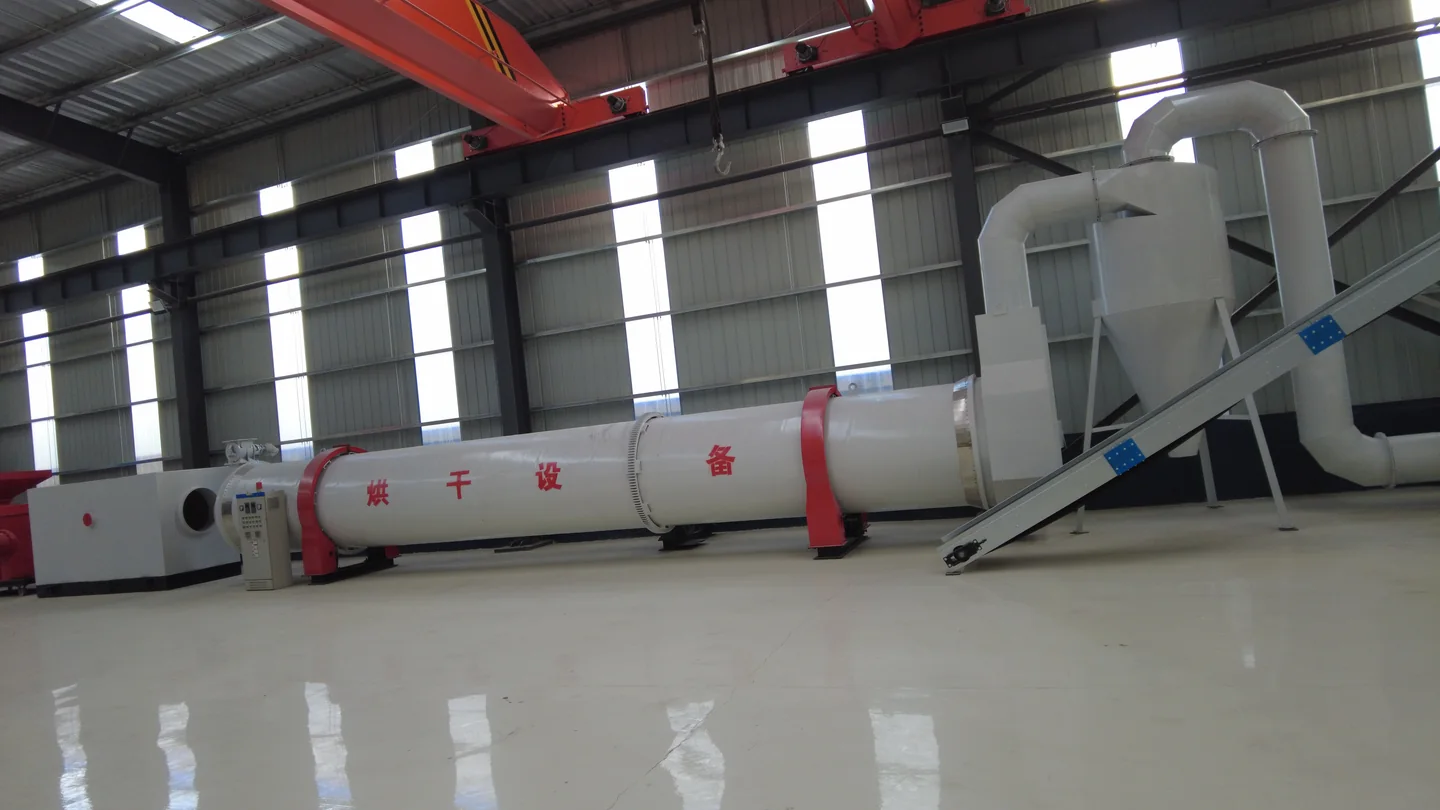
List the drum, feeding, heat-source, air-handling and collection equipment included. Identify connecting equipment and control responsibilities. Ask which existing equipment needs review before reuse.
State available fuel information, heat-source operating data and site restrictions. Identify heat-generation equipment, fuel handling where applicable and supplied connections. Review local approvals and responsibility for site utilities.
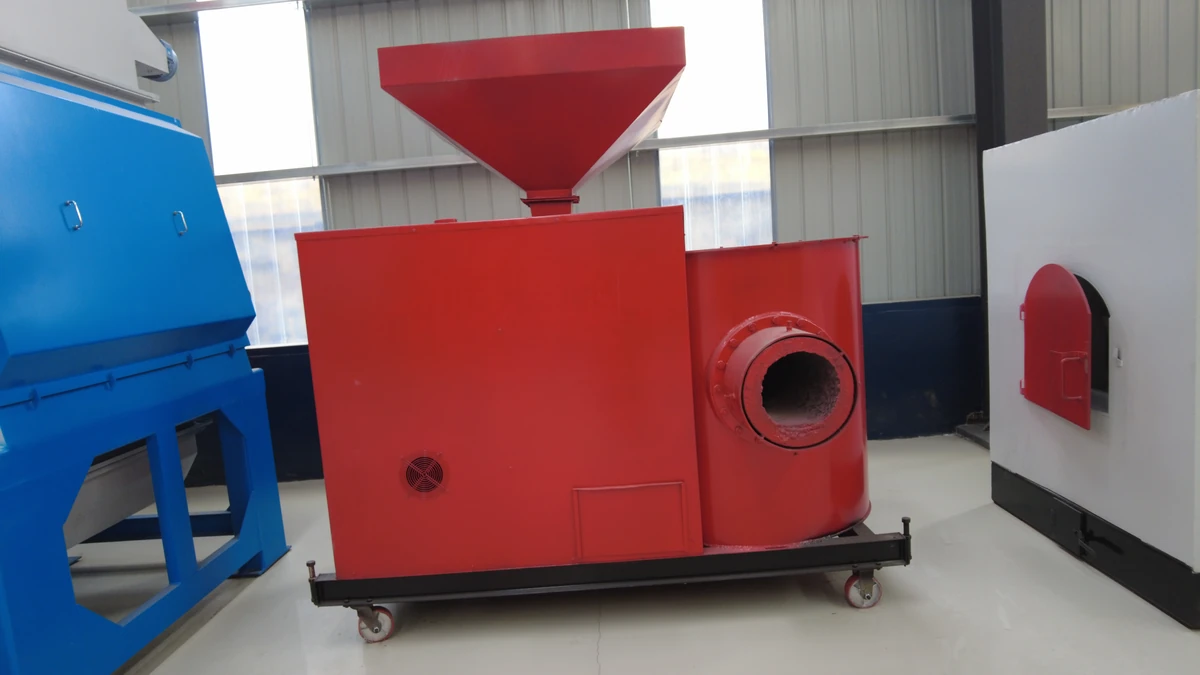
Map receiving, controlled feeding, collection and transfer to the next process. Record buffer needs and how connected equipment responds to interruptions. For a retrofit, add space, elevation, utilities and installation-access constraints. Confirm where particle preparation belongs in the proposed material flow.
| Interface | Question for the written offer |
|---|---|
| Heat supply | Which heat-source equipment, connections and responsibilities are included? |
| Material transfer | Which feeding, discharge and transfer equipment is included? |
| Air and collection | Which handling, collection and exhaust interfaces are covered? |
| Controls | Which connections and operating responsibilities need agreement? |
| Installation | Which equipment, services, site preparations and responsibilities are included? |
| Exclusions | Which equipment or work remains outside this quotation? |
TCPEL supplies electrical controls, dust collection and safety systems within agreed scopes. Installation is available within an agreed project scope. Confirm the included equipment and services in writing.
Site requirements and protective measures need project-specific review. Identify protective functions, monitoring and operating documents in the proposal. Coordinate them with applicable local requirements. Keep site preparations and approval responsibilities explicit.
Operating settings belong in the actual project documentation. A photograph does not establish drying performance or compliant installation.
Use the wood pellet plant guide for wider production-line boundaries. Keep the drying-stage equipment and connections identifiable within that larger scope.
Ask what the supporting results actually describe
For any proposed evidence, ask for its material and measurement conditions. Record the inlet, outlet, operating period and heat-source assumptions. Check whether reported output means water removed or material processed. Distinguish measured results from projections for your installation.
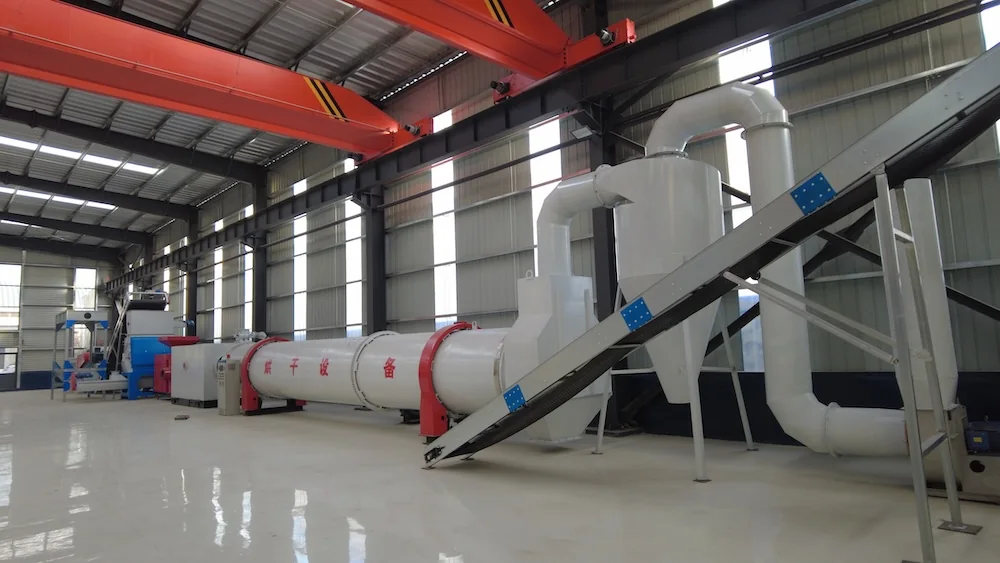
Agree the records needed to compare the proposed and installed stage. Keep sampling methods and measurement boundaries consistent in that comparison. Request clarification where the available evidence uses different conditions. Clarify how drying output connects with downstream production.
Use the equipment buying checklist for broader supplier and commercial comparisons.
Drying quotation questions
Can I request a quotation with only wet sawdust tonnage?
Wet tonnage starts the discussion but does not define the drying task. Record inlet and outlet conditions, moisture basis and operating hours. Two identical wet feed rates may involve different water-removal duties.
Can existing heating equipment be used?
Provide its operating information and the existing connection arrangement. Compatibility requires review of the heat, air-handling and control interfaces. Available heat alone does not establish a direct connection.
What affects the cost of a sawdust rotary dryer?
Compare material flow, water-removal duty, heat supply and collection scope. Include controls, installation and site responsibilities in the comparison. A drum-only offer differs from an integrated drying stage.
Can the dryer compensate for every moisture change?
Describe expected variation rather than assuming an unlimited operating range. Ask the proposal to define acceptable inlet conditions and control arrangements. Record which changes require further assessment.
Request a comparable sawdust drying quotation
Start with contact details, material and intended dried-material output. Add moisture records, planned operating hours and the available heat source. Identify unknowns instead of supplying assumed measurements.
If only finished-pellet output is known, state that clearly. Ask TCPEL which information is needed to define the drying-stage scope. Keep the agreed inputs and equipment boundaries with the quotation.