
Flat die machine selection
Flat Die Pellet Machines
Choose a flat die wood pellet machine around your material and selected components.
Use a matching record before agreeing the machine configuration and quotation.
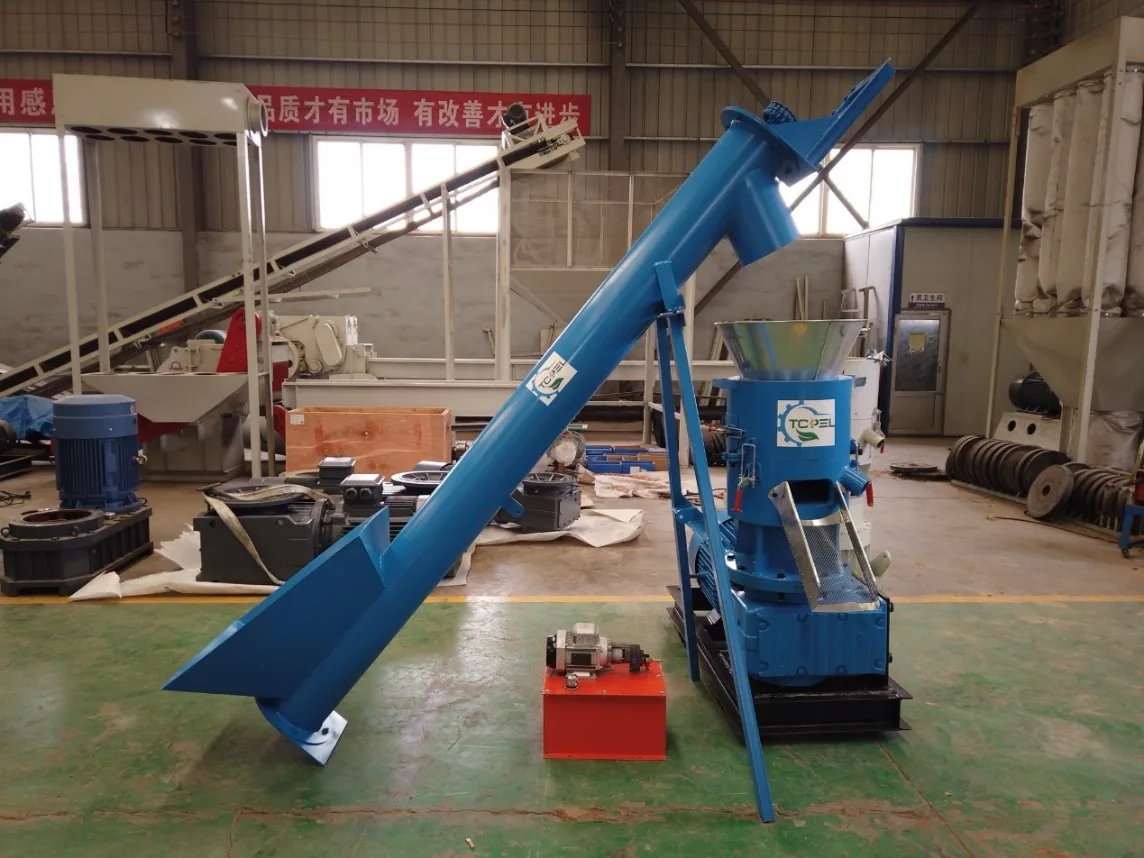
Begin with machine identity and the intended material
TCZL400 is a flat die model.
The TCZL prefix alone does not identify every machine structure.
Ask for the complete model name and its corresponding configuration documents.
A family photograph cannot establish the configuration included in your quotation.
Describe what will reach the pelletizing section
- Identify the wood source, physical form, and intended pellet use.
- Describe screening, size reduction, or drying already performed.
- Provide available moisture results, sampling details, and the reporting basis.
- Disclose known coatings, additives, chemical treatment, or contamination.
- Separate the target finished output from the available incoming material quantity.
Material acceptance and preparation need confirmation for the selected configuration.
Do not treat a wood equipment proposal as a feed application approval.
TCF belongs to the feed equipment pathway.
Build one record for the proposed flat die configuration
Use this checklist alongside each supplier quotation.
It organizes the information to request before choosing a machine.
Record unknown items clearly and request clarification before agreement.
| Record item | Information to request | Decision supported |
|---|---|---|
| Machine identity | Complete model, structure description, and configuration reference. | Keep the quoted machine distinct from a general family description. |
| Wood material | Source, physical form, preparation, and measured moisture information. | Check whether the proposal addresses your actual material. |
| Selected flat die | Part identification, corresponding drawing, and proposed pellet specification. | Connect the die selection with the quoted machine. |
| Selected rollers | Assembly identification and documented matching with the selected die. | Keep the die and roller selection traceable together. |
| Drive and connections | Selected drive details, electrical requirements, and inlet or outlet interfaces. | Identify required site connections without assuming a common family arrangement. |
| Output record | Material conditions, measurement boundary, operating period, and any interruptions. | Compare results under stated conditions rather than model names alone. |
| Quotation boundary | Included equipment, optional items, documents, services, exclusions, and charges. | Establish what the quoted total actually covers. |
Distinguish a target from a measured result
A buyer target states the result the project needs.
A measured machine result needs its material conditions and measurement point.
Finished line output also needs an agreed downstream boundary.
State whether the record includes cooling, screening, and packing.
Keep incoming wet material weight separate from finished pellet weight.
Agree any proposed trial conditions and acceptance records before arranging a trial.
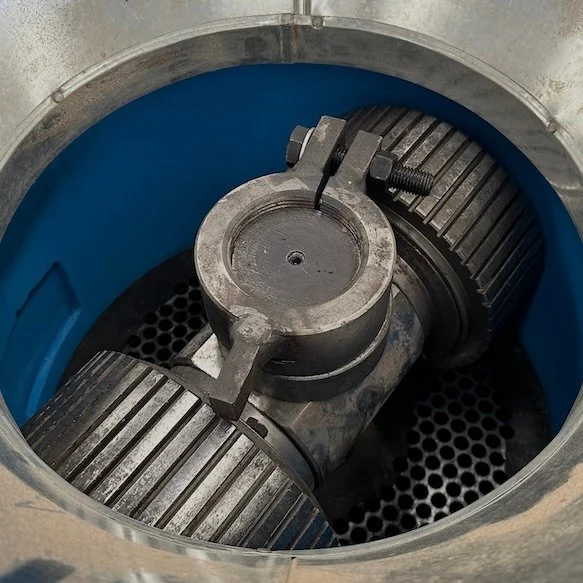
Keep the die and roller matching information together
Ask which die and roller assembly the quotation includes.
Request matching documents for that exact machine configuration.
A similar photograph does not establish component interchangeability.
| Component question | Record to request |
|---|---|
| Which die is proposed? | Die identification and its corresponding machine or configuration reference. |
| Which rollers match it? | Roller assembly identification and the matching parts or assembly document. |
| Which dimensions need confirmation? | The applicable drawing, revision, reference points, and required measurements. |
| What information supports future parts requests? | Machine identification, installed component references, and available matching drawings. |
| How is maintenance access checked? | The selected manual and required access or component removal space. |
For an existing machine, provide its actual identification and available parts records.
Separate existing component details from the configuration requested for a new machine.
Follow the selected manual and safe isolation procedures before inspection or maintenance.
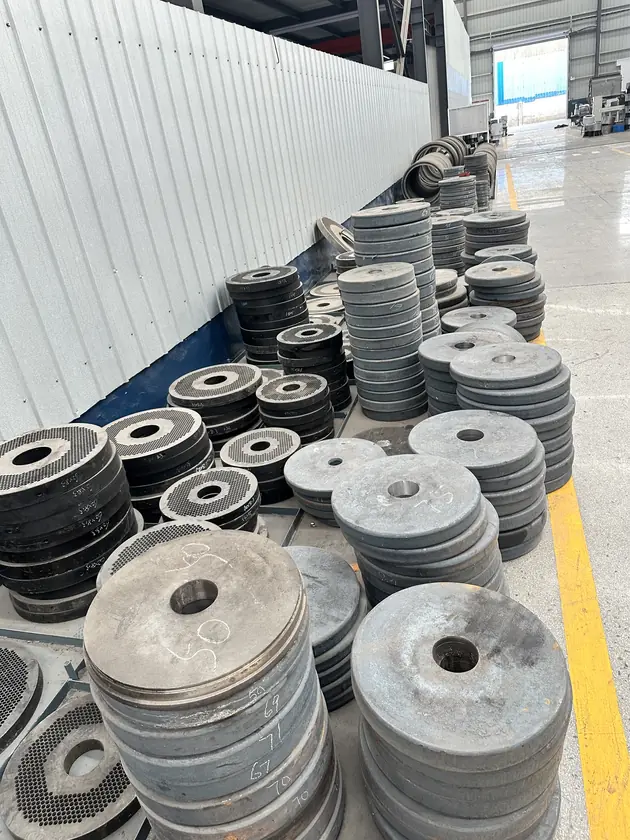
Agree included equipment and customer responsibilities
Do not assume every accessory shown is included with every machine.
Request an itemized list matching the selected quotation.
TCPEL supplies complete line equipment, including controls, dust collection and safety systems.
Installation is available within the agreed project scope.
Confirm the equipment, services, responsibilities, exclusions, and charges for your project.
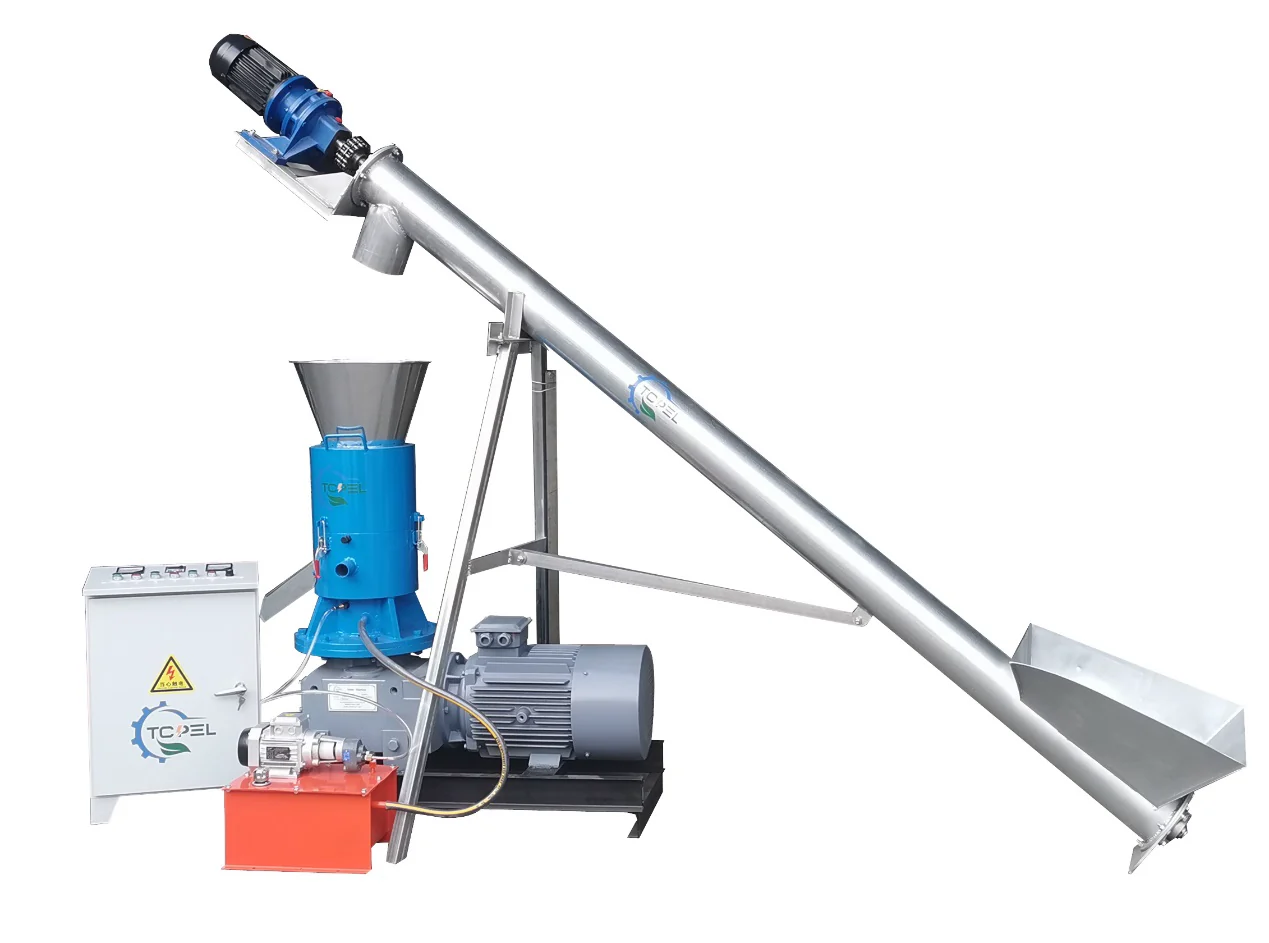
- Identify whether feeding equipment is included, optional, or customer supplied.
- List the selected controls and required electrical connection work.
- Record dust collection and safety systems within the agreed supply boundary.
- Assign foundations, lifting arrangements, utilities, access, and site preparation.
- Define installation duties, customer assistance, documentation, and associated charges.
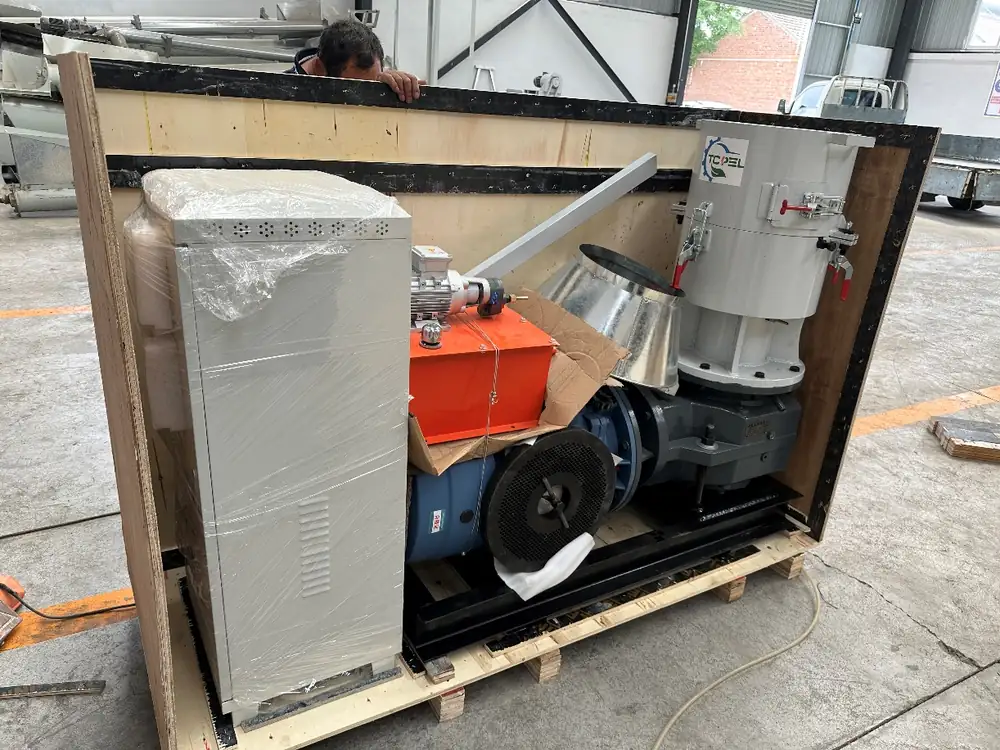
- Confirm packing dimensions and handling requirements for the actual supplied equipment.
A packing photograph shows visible arrangements, rather than your final shipment scope.
Check how the selected machine connects with your process
Mark the handoff between prepared material and the proposed machine inlet.
Identify the downstream receiving point and equipment already available on site.
Record connection heights, available space, electrical supply, and control interfaces.
Discuss preparation needs using your material information and intended pellet use.
Select a structure using its actual configuration and requirements.
Do not infer a universal capacity boundary from the structure name.
Planning a wood pellet process?
Review preparation and downstream equipment around the proposed pellet machine.
Comparing a vertical ring die proposal?
Use the same material definition when reviewing a different machine structure.
Flat die purchasing questions
Can I inquire before choosing a model?
Yes. Start with your wood material and target finished output.
Include available site information and any equipment you intend to retain.
Identify unresolved details rather than choosing a model from its name alone.
Does a matching appearance prove die and roller compatibility?
No. Request identification and matching documents for the selected assembly.
Record relevant drawing revisions and measurements before agreeing replacement components.
Keep existing machine records separate from a new configuration proposal.
Are photographed feeders and accessories included automatically?
Check the itemized quotation for the exact supplied equipment.
Separate included items, options, and customer supplied equipment.
Agree the connecting work and installation responsibilities in writing.
Does the flat die label guarantee performance with my material?
The structure label alone does not establish performance under your conditions.
Define the material, preparation, selected components, and proposed evaluation conditions.
Keep any measured result distinct from the project target.
Send your flat die project details
Provide contact details, wood material information, and target finished pellet output.
A preferred model is optional when the selection remains open.
If available, add moisture information, site power, and existing equipment details.
For component matching, identify the machine and available part or drawing references.
State unknown details clearly for follow-up discussion.