
TCPEL • Wood process planning
Wood Pellet Production Lines
Plan the line around incoming wood and finished-product handling.
Logs, chips, and sawdust do not require identical preparation.
Choose the starting material
Whole logs may need coarse reduction before fine pellet feed.
Fine sawdust may not need that first reduction stage.
Record wood type, bark, oversize pieces, and contamination.
Make each stage a confirmed decision
The process sequence follows actual material and site conditions.
Receiving and preparation
Match storage and size reduction to the incoming wood.
Water removal
Use dry-solids flow and measured moisture together.
Pelletizing
Select the machine around prepared feed and duty.
Finished handling
Plan cooling, screening, and dispatch around actual needs.
Connect feeding and pelletizing
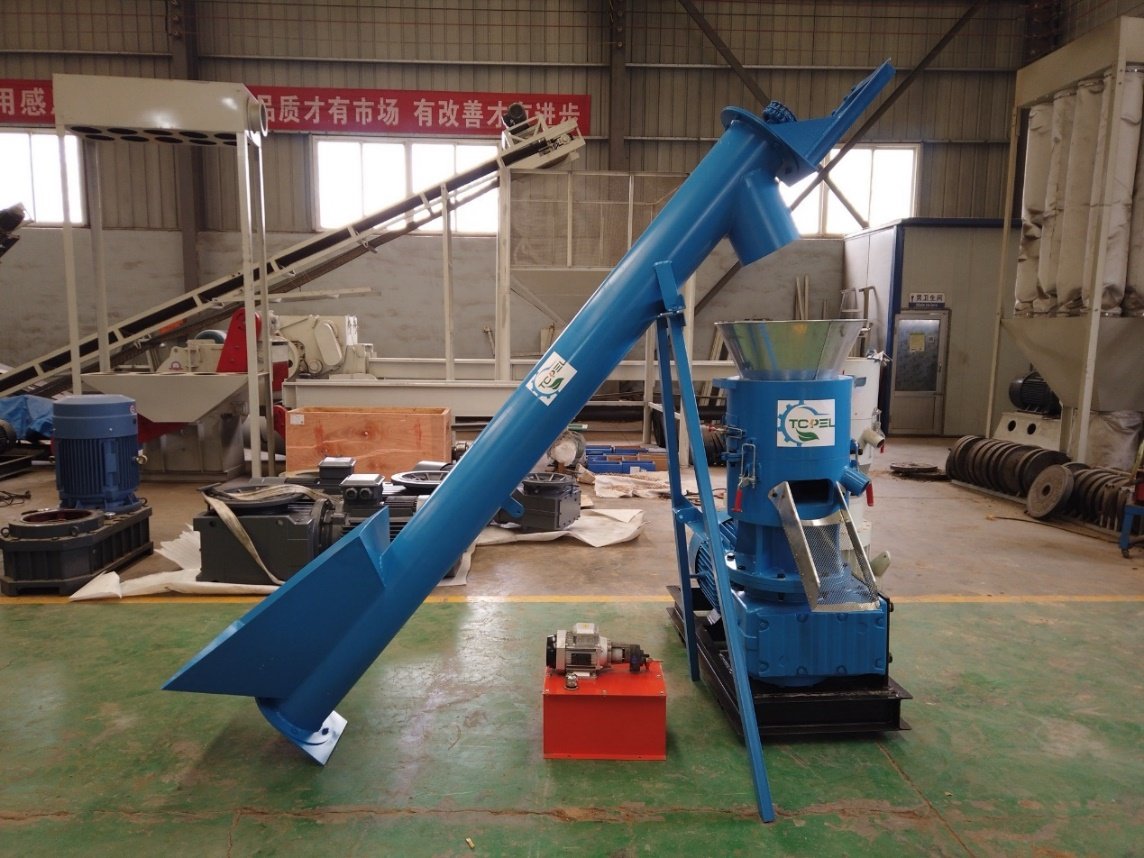
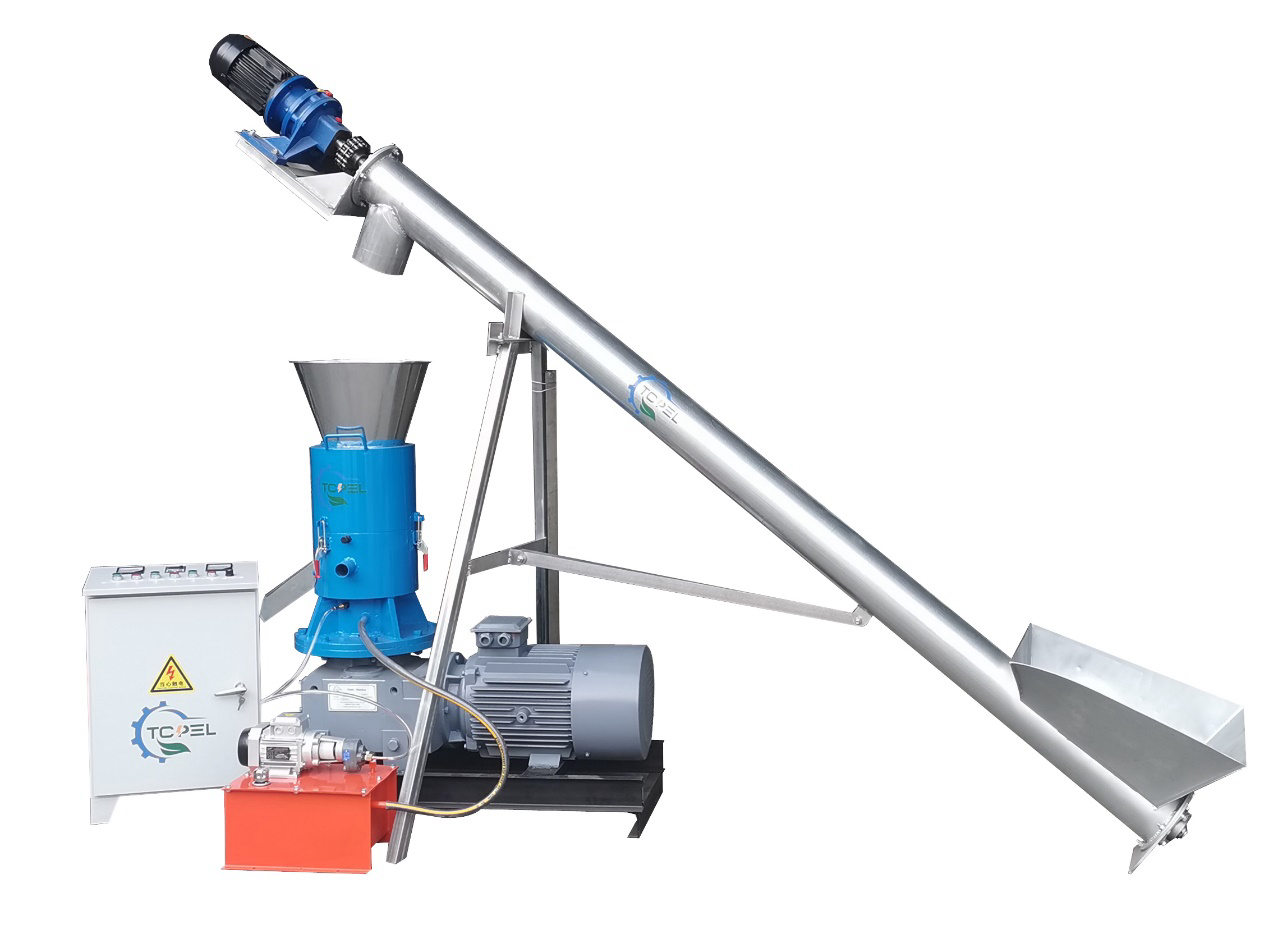
Stable feeding links preparation to the selected pellet machine.
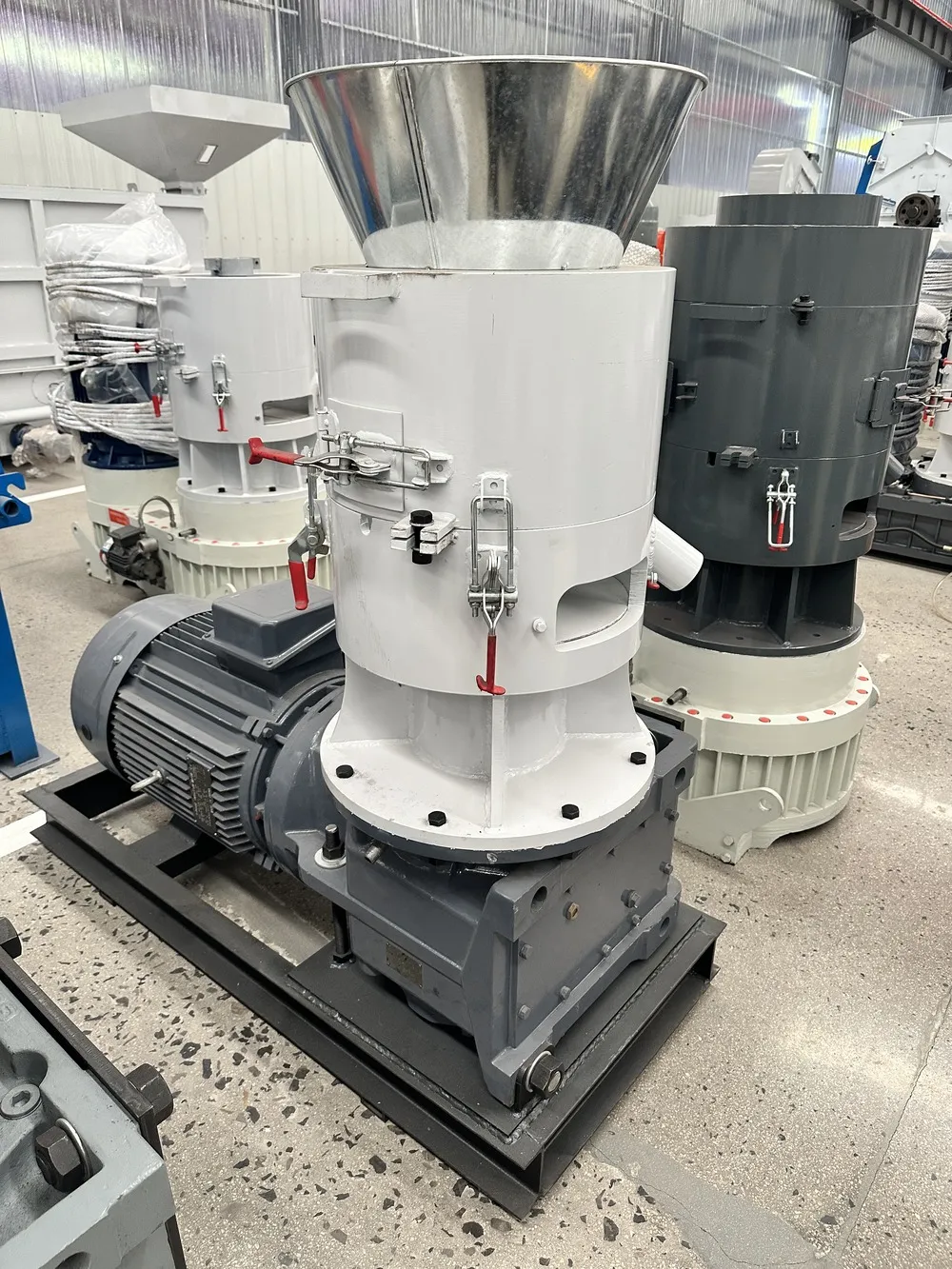
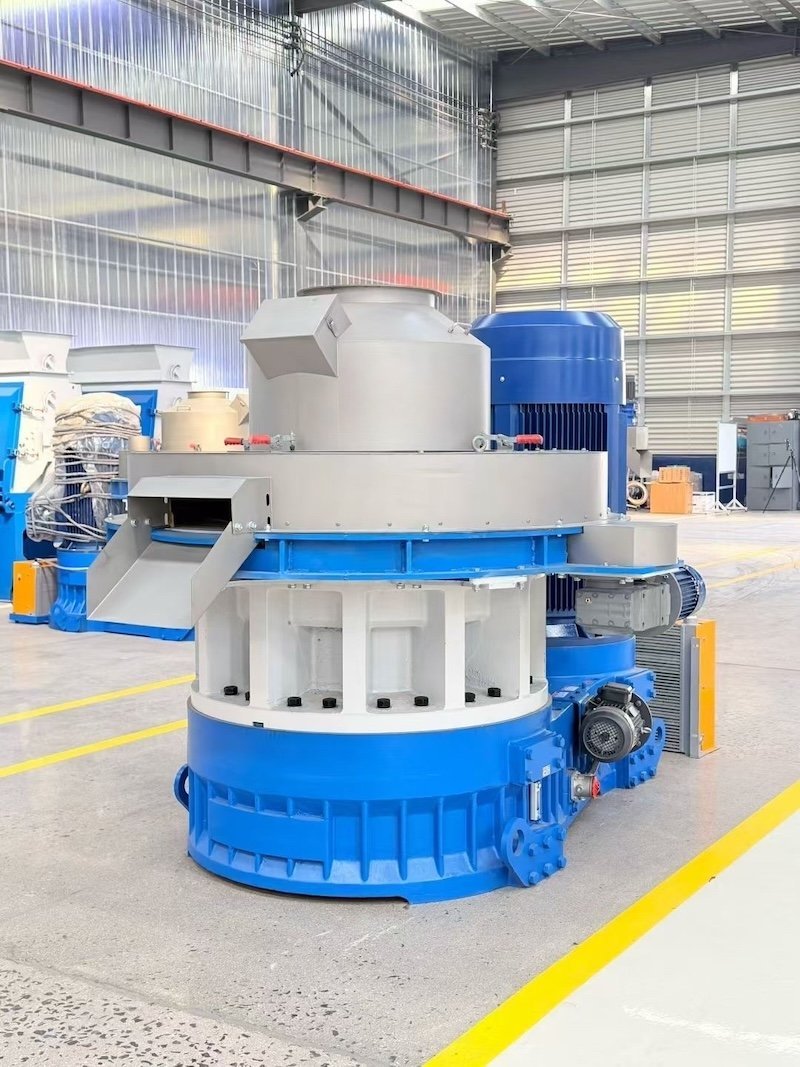
Compare flat-die and vertical-ring-die routes using duty and material.
Do not select the complete line from motor power alone.
Send a useful project brief
Share material photographs, measured moisture, and incoming piece sizes.
State the output measurement point and expected working schedule.
Include utilities, site dimensions, packing needs, and retained equipment.
Flat-die selection
Explore wood-pellet reference models and supply scope.
Vertical ring-die selection
Compare larger vertical-ring-die configurations.
Questions and answers
Does every wood line need a chipper and dryer?
No. Those stages depend on incoming size and moisture.
Is machine output equal to packed output?
Not necessarily. Screening losses and downstream restrictions affect packed output.
Tell us about your project
Share material, preferred model, and reply details.