PEANUT SHELL PELLET MACHINE
Transforming large quantities of ground peanut shells from fields or peanut oil processing plants into green and environmentally friendly biomass fuel.
PEANUT SHELL PELLET MACHINE FOR SALE
A pellet mill designed specifically for peanut shells, boasts a high forming rate and low energy consumption, turning agricultural waste into green fuel.
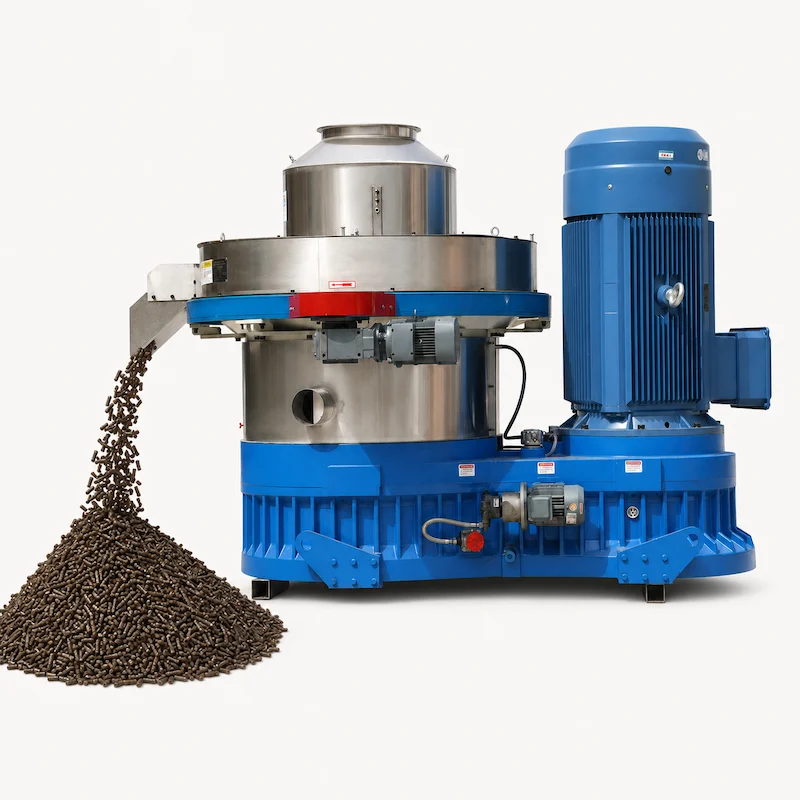
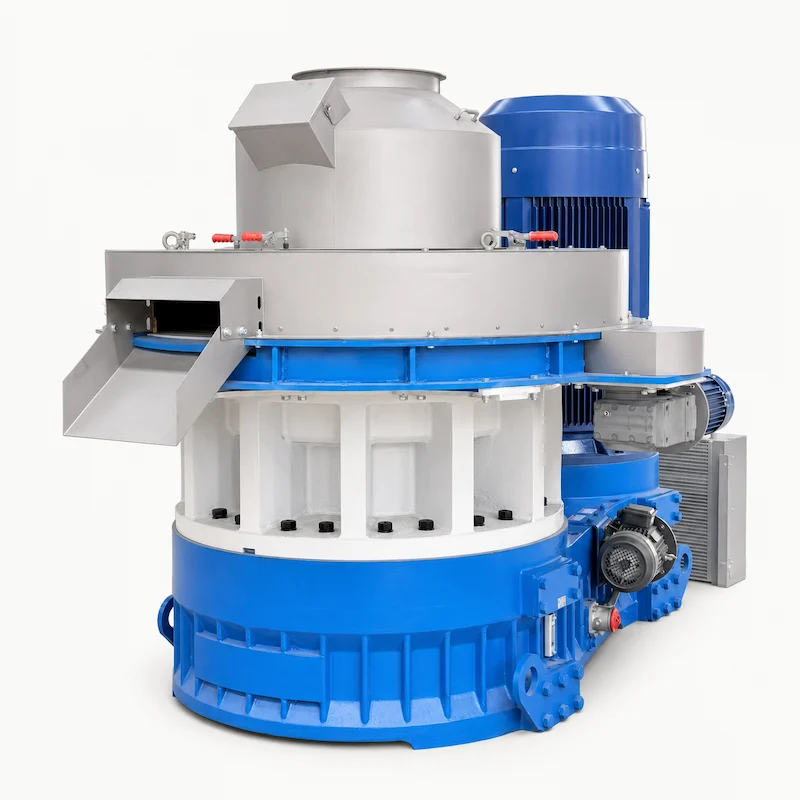
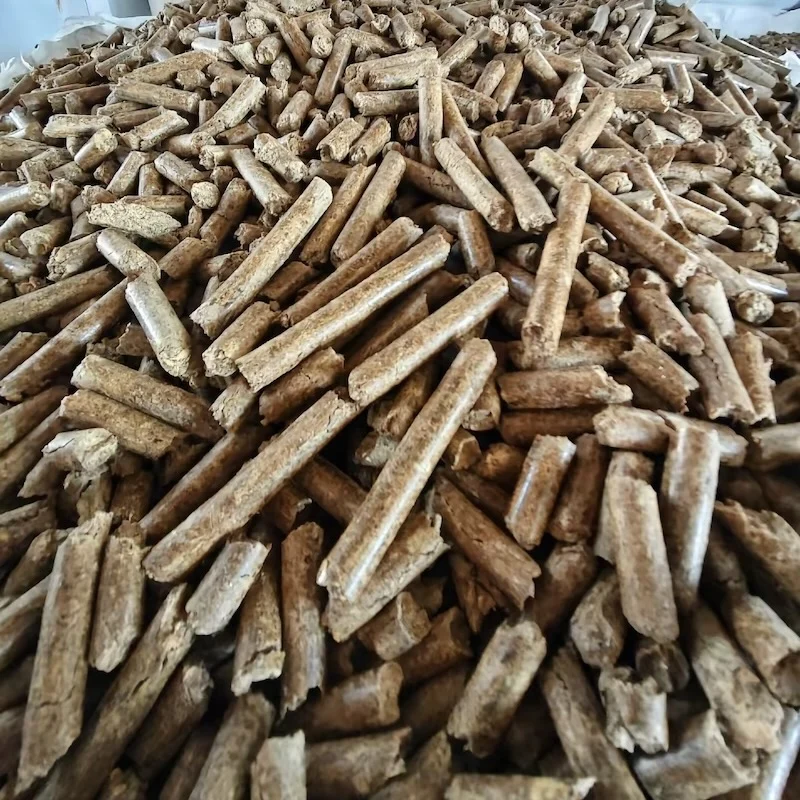
Peanut shell pellet machine, also known as a groundnut shell pellet machine. It is a machine that directly presses the peanut shells left after peanut processing into high-density fuel rods or feed pellets. Its working principle is similar to a “powerful compressor”: the crushed peanut shells are fed into the pellet machine, and through the high pressure of the rollers and flat die or ring die, the lignin in the material naturally binds and shapes the pellets at high temperatures. The pressing process does not require any adhesives or binders. The pellets are cylinders with a diameter of about 6-12 millimeters, reducing the volume by more than five times, making them easier to store and transport.
PEANUT SHELL PELLET MILL TYPES AND THE ADVANTAGES

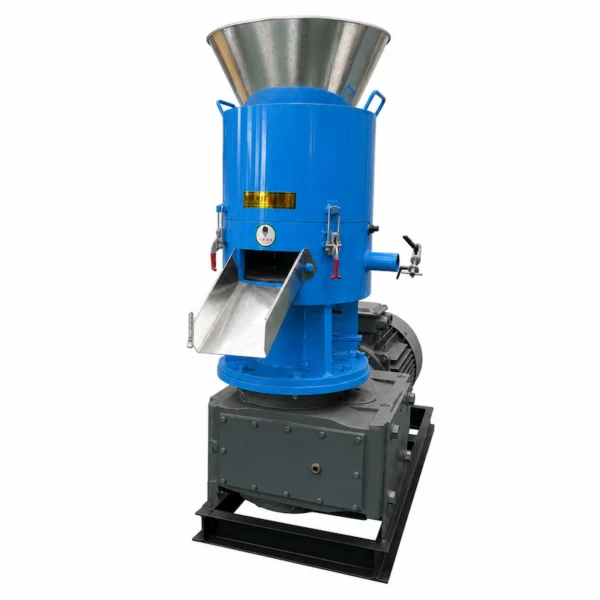
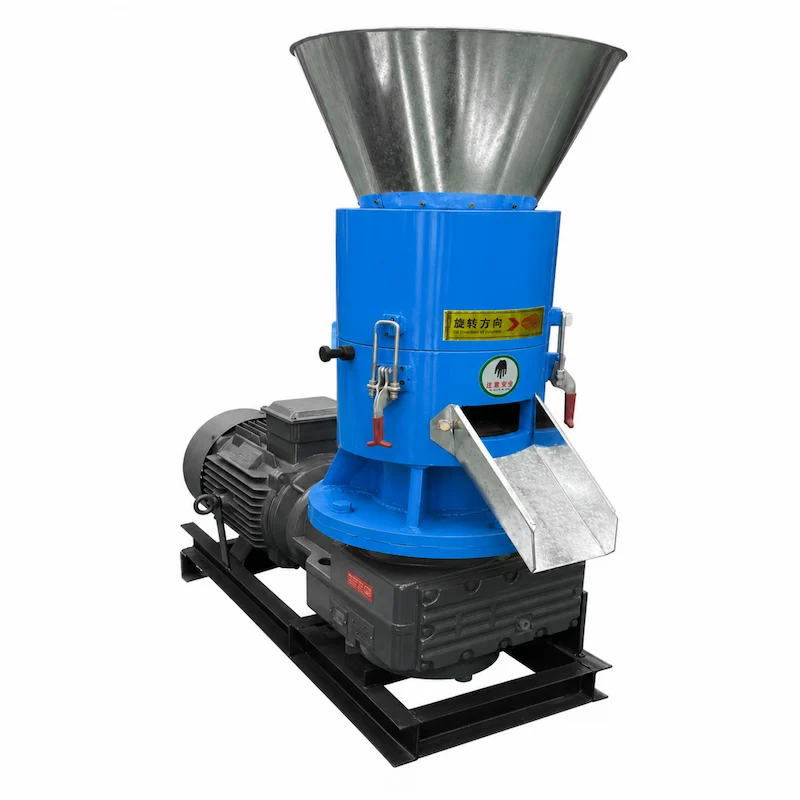
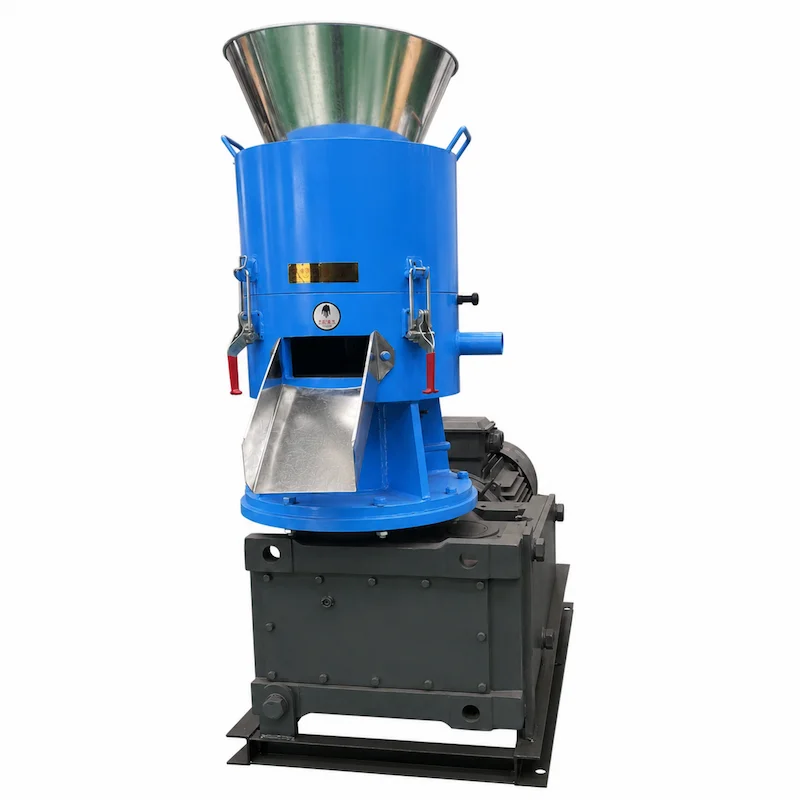
TCZL250 Flat Die Pellet Mill
Main Motor: 15KW Capacity: 100-200kgs/h Application: home use or small farms

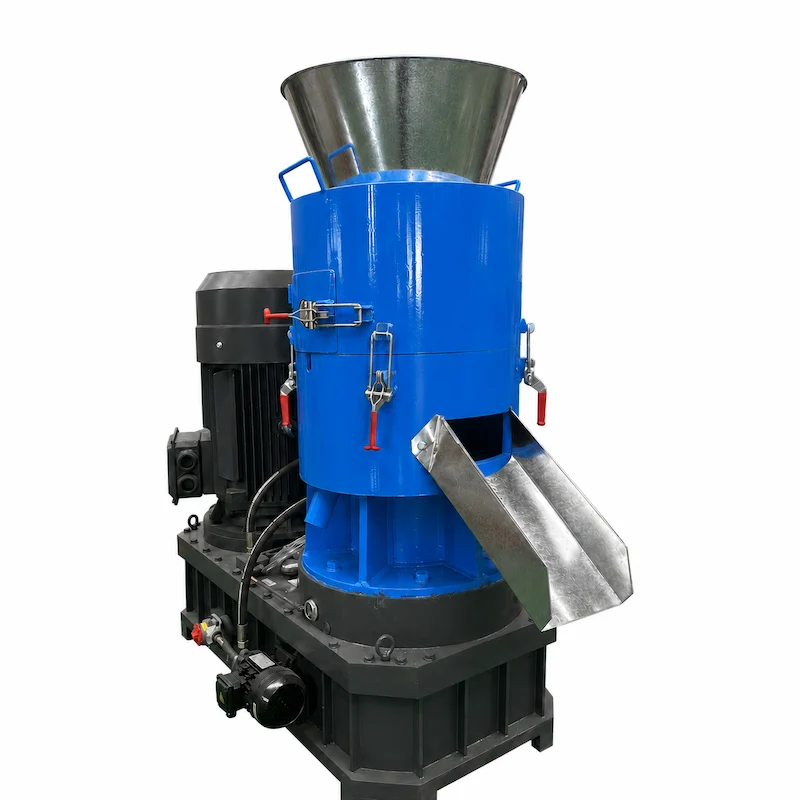
TCZL300 Flat Die Pellet Mill
Main Motor: 22KW Capacity: 200-300kgs/h Application: small farms or small factory

TCZL300/TCZL400 Flat Die Pellet Mill
Main Motor: 30KW/37KW/45KW Capacity: 300-700kgs/h Application: start a small pellet business

TCZL550/B Flat Die Pellet Mill
Main Motor: 55KW/75KW Capacity: 600-1,000kgs/h Application: build a pellet factory

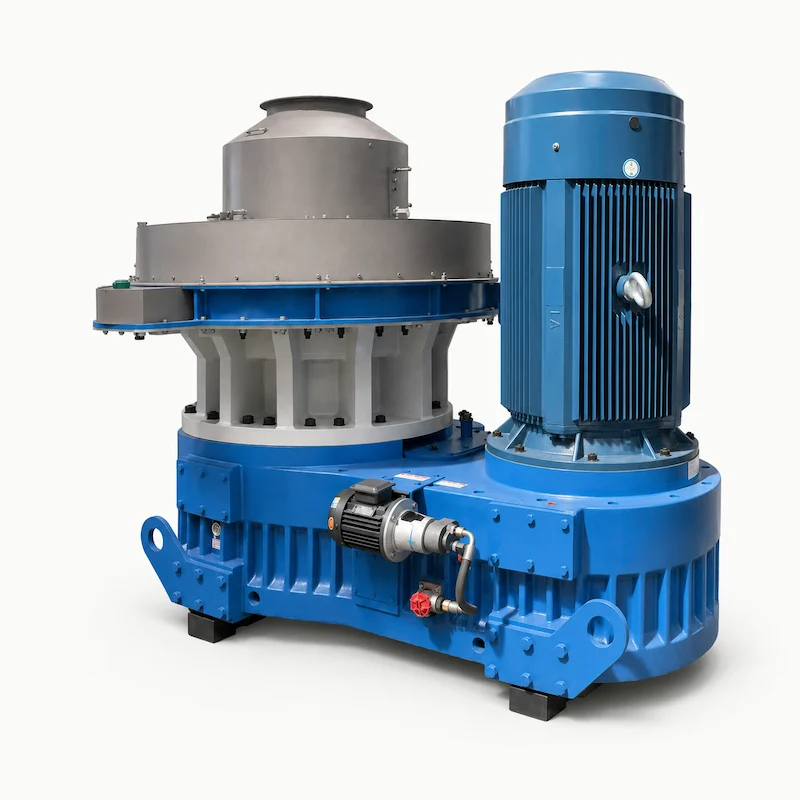
TCZL560/B Ring Die Pellet Mill
Main Motor: 90KW/110KW Capacity: 1,000-1,600kgs/h Application: Small industrial pellet plant

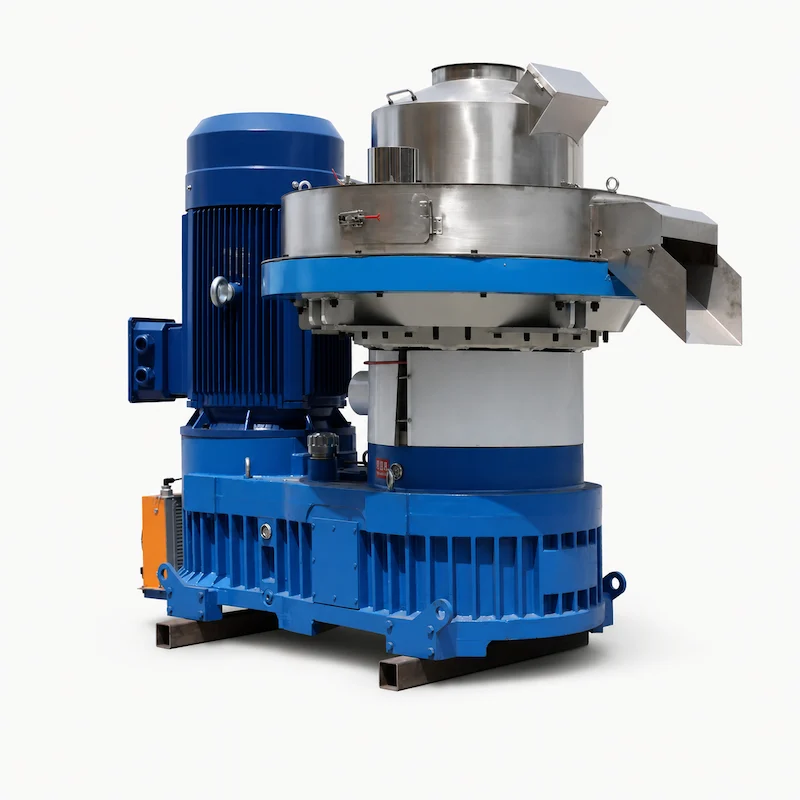
TCZL560A Ring Die Pellet Mill
Main Motor: 132KW Capacity: 1,500-2,000kgs/h Application: the most widely model in pellet production line.

TCZL700 Ring Die Pellet Mill
Main Motor: 160KW Capacity: 2,000-2,500kgs/h Application: good choice for 2t/h pellet line

TCZL850 Ring Die Pellet Mill
Main Motor: 250KW Capacity: 3,000-4,000kgs/h Application: good choice for big pellet plant
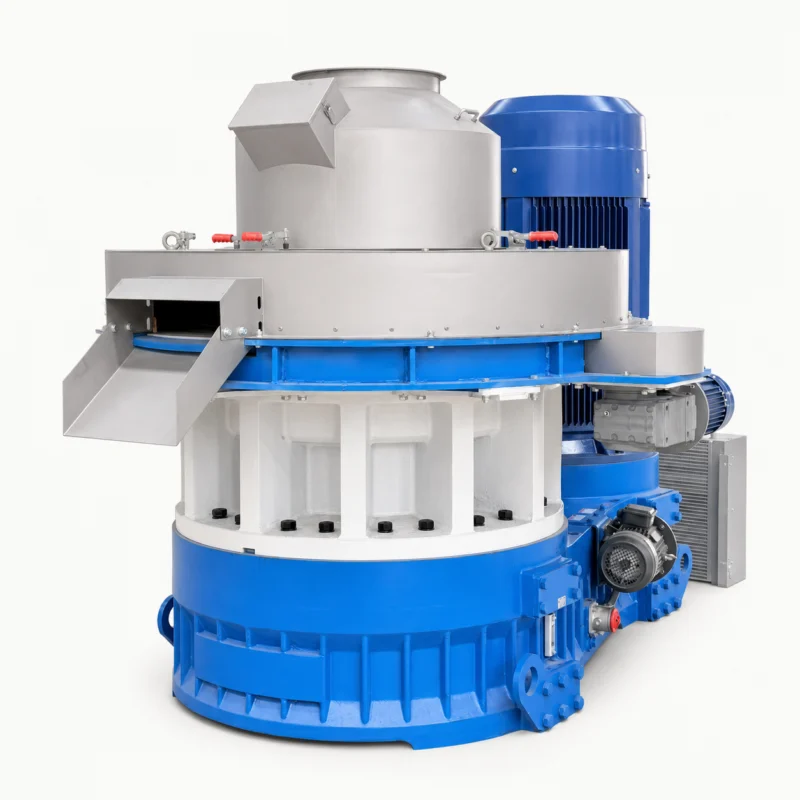
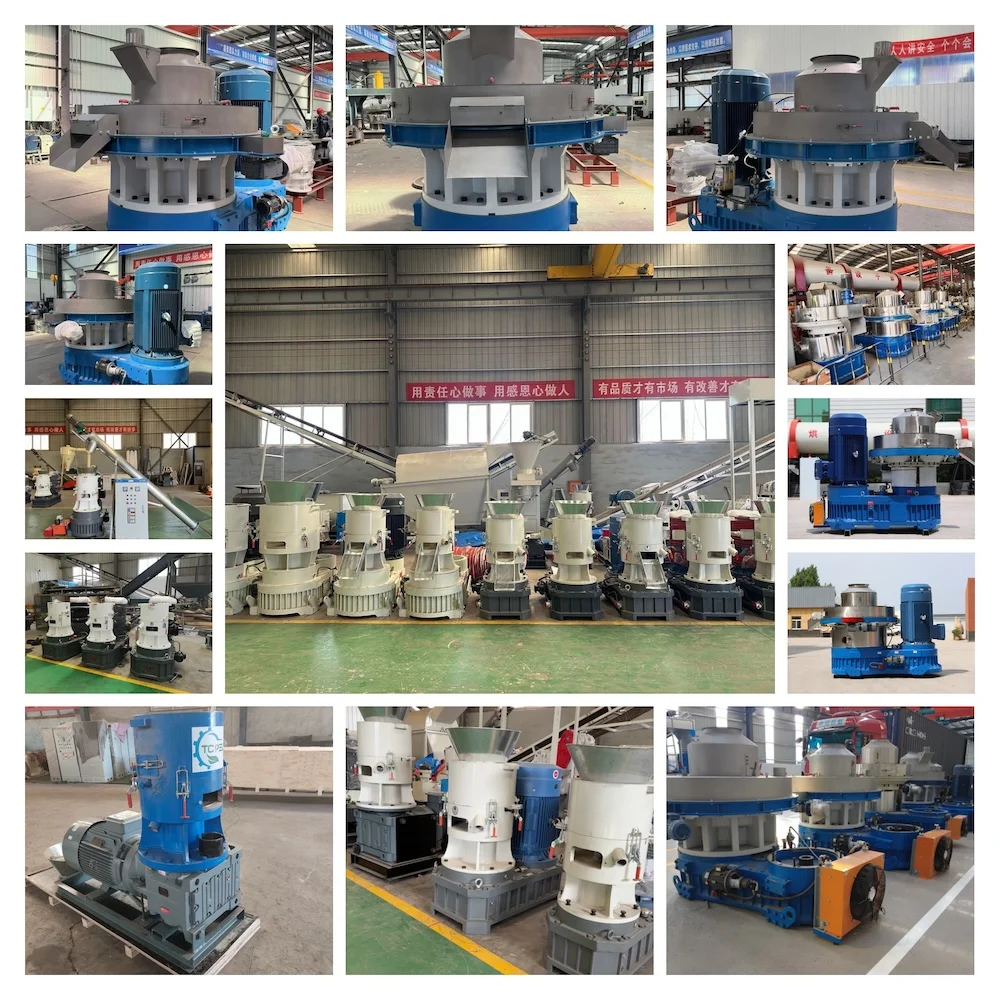
Peanut shell pellet mills come in two types based on their die design: flat die small peanut shell pellet mill and ring die peanut hull pelletizer. Flat die pellet mills have a main power range from 7.5KW to 75KW, with a production capacity below 1000 kg/hour. Ring die pellet mill, have a main power range from 55KW to 250KW and are primarily used in large-scale peanut shell pellet production lines.
HOW TO MAKE PELLETS FROM PEANUT SHELL?
How to make fuel pellets from peanut shells? This needs to be considered from three aspects: the impurity content, moisture content, and size of the peanut shells. Most peanut shells contain soil, so they must be screened or vibrated to remove impurities before crushing. Then, it needs to be determined whether crushing and drying are necessary. Most peanut shells do not require drying, but if they are large, a crusher is needed. The good news is that peanut shells are easy to crush, so the output of a crusher is much higher than using other raw materials.
Peanut shell screener
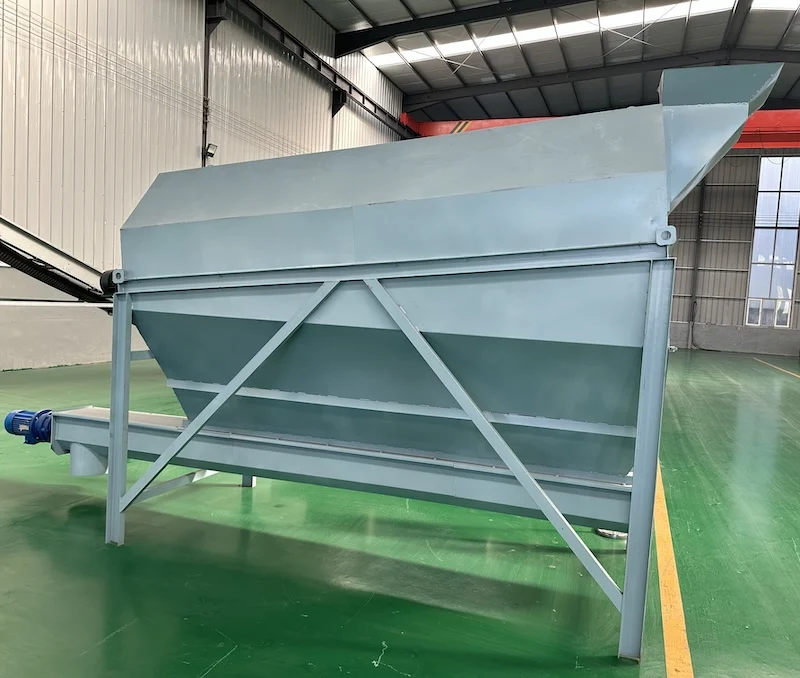
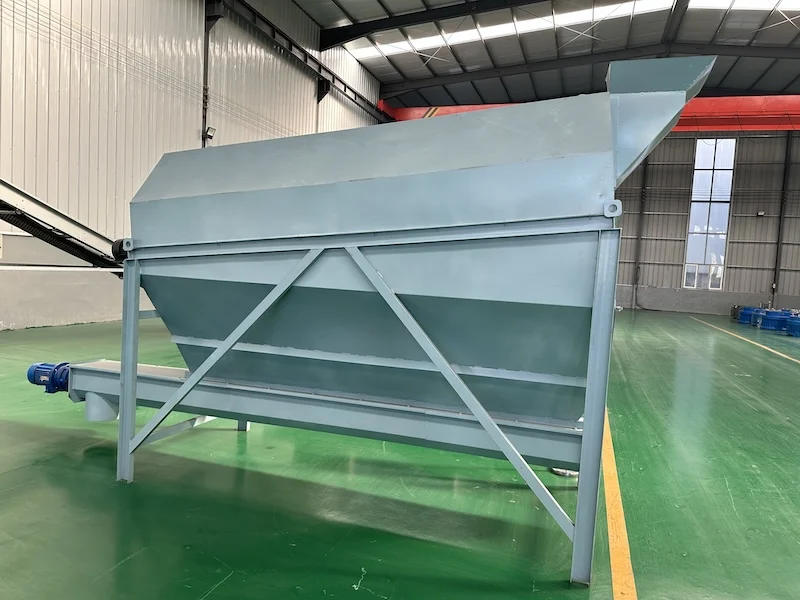
Peanut shells usually contain impurities, such as soil. If not cleaned, these impurities can cause the produced pellets to coke and slag when burning, reducing their calorific value and affecting the pellets quality and marketability. Therefore, the first step in processing peanut shells is to use a drum screen to remove impurities and soil, ensuring the production of high-quality peanut shell fuel pellets.
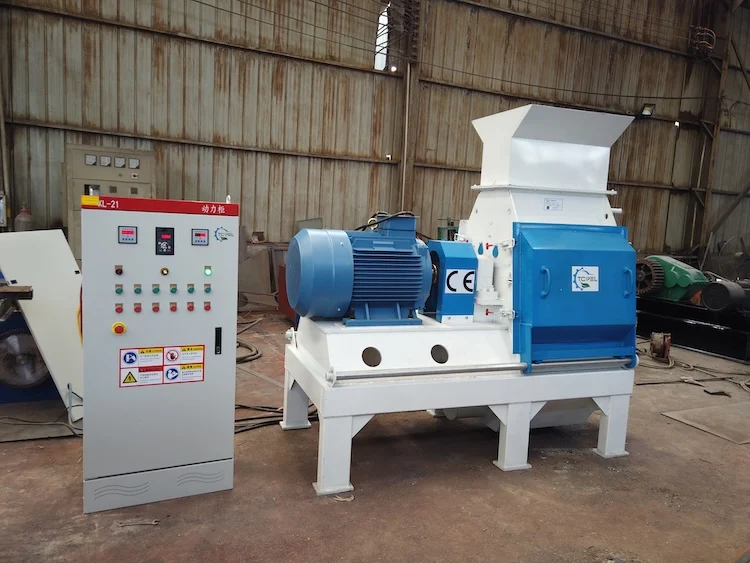
Peanut shell hammer mill
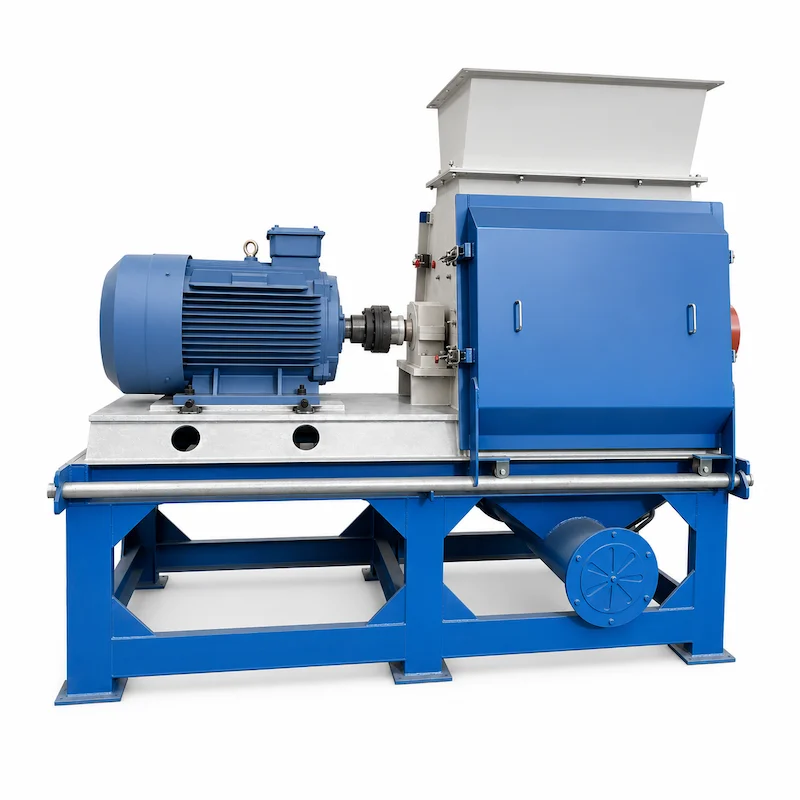
Peanuts come in different varieties, resulting in different shell sizes. Smaller peanut shells do not need to be crushed and can be fed into a pellet mill. However, many larger peanut shells are best crushed, as this increases the pellet mill’s output and reduces the probability of clogging.
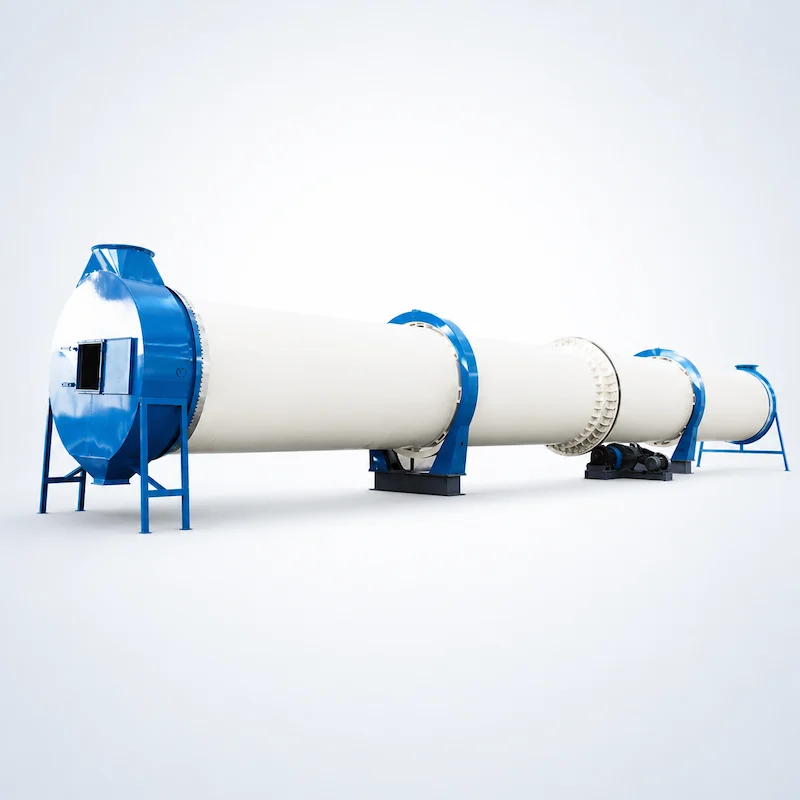
Peanut shell dryer
When the moisture content of peanut shells exceeds 20% or reaches a maximum of 25%, a peanut shell rotary dryer is required. We recommend crushing the peanut shells firstly before drying, as this increases the dryer drying efficiency and results in a more uniform moisture content after drying.Many customers have peanut shells that are already dry enough to be used directly, which greatly reduces investment and production costs.
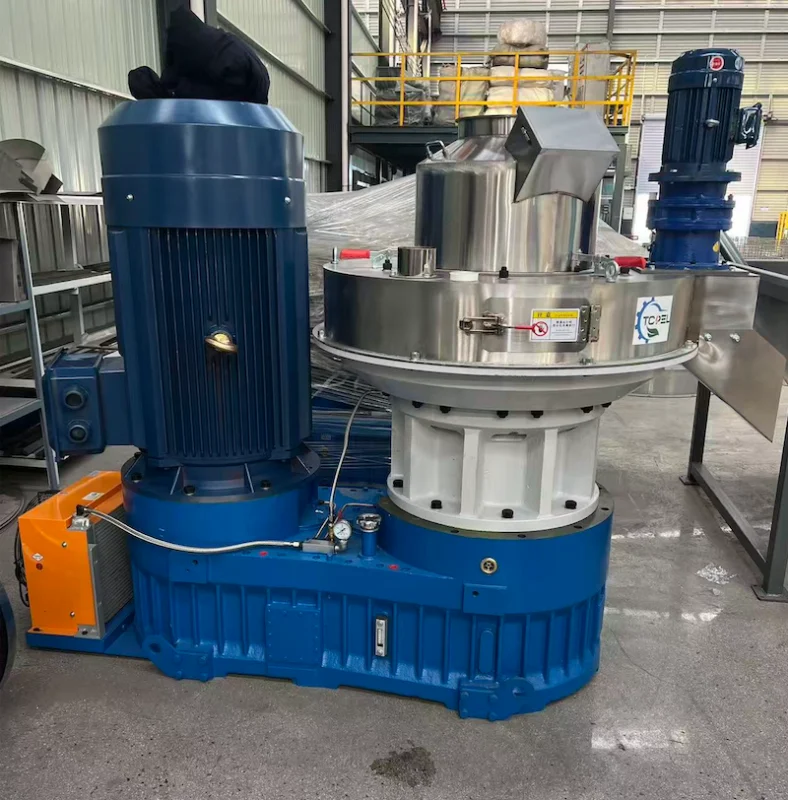
Peanut shell pellet making machine
Dry peanut shells can be fed into a pellet mill. When choosing a pellet mill, many people may wonder which machine produces better quality pellets: a ring die pellet mill or a flat die pellet mill. According to market feedback, the quality of the pellets is actually similar. However, the die of a flat die pellet mill has a longer lifespan when processing peanut shells. Therefore, from a processing cost perspective, the flat die pellet mill seems to have an advantage for peanut shell processing.
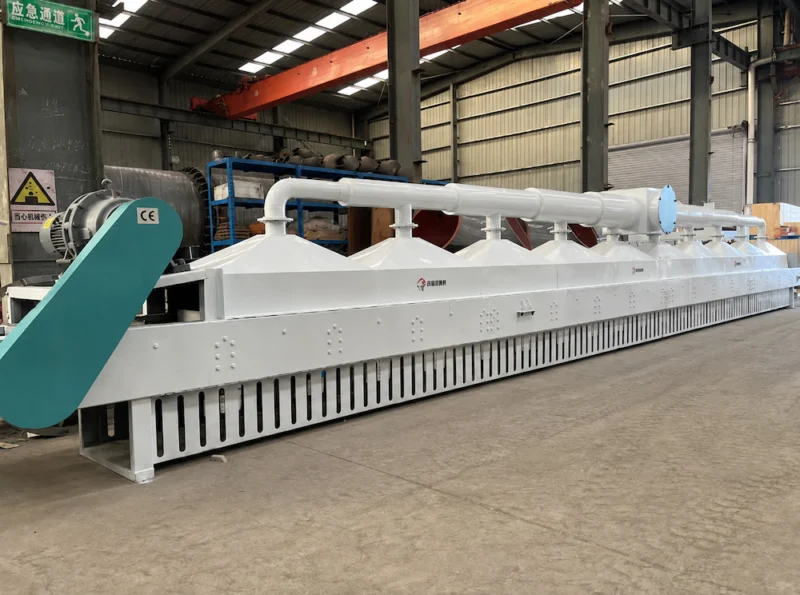
Belt-type pellet cooling machine
While most suppliers might choose counter-flow coolers for pellet cooling, we recommend using a mesh belt pellet cooler to save space and reduce pellet breakage. This is because it cools the pellets during transport, eliminating the need for an additional conveyor and providing both cooling and conveying functions. This reduces investment and pellet production costs, while preventing pellet breakage due to drop.
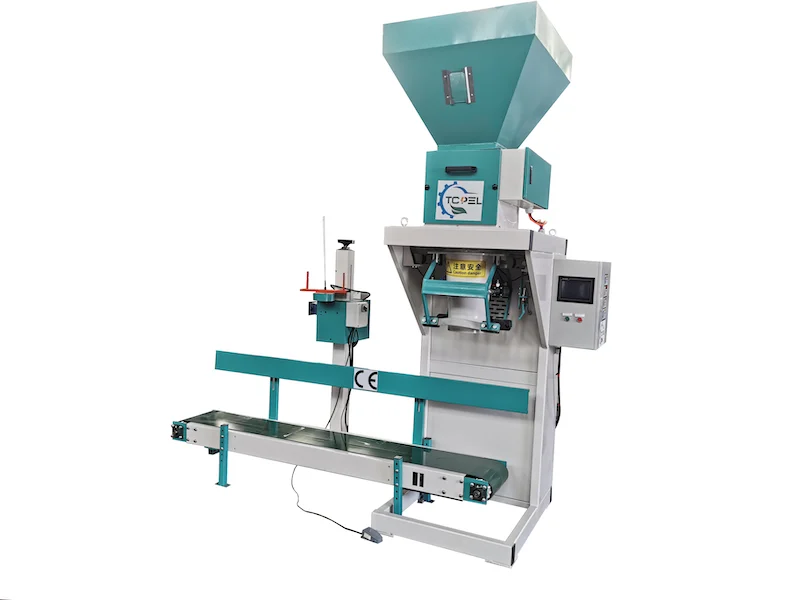
Pellet packing machine
There are two types of pellet packaging machines: one for ton bag packaging and the other for small bag packaging. We can also customize machines that can be used for both. You can contact us to customize according to your needs.

PEANUT SHELL PELLET MACHINE TEST RUN VIDEO
The video shows a small TCZL250 15-KW pellet mill used to test the peanut shell forming effect. The flat die hole diameter is 8 millimeters, and the peanut shells are not crushed. The output of the pellet mill is not much different from that using sawdust as raw material.
PEANUT SHELL PELLET MACHINE TEST RUN VIDEO
| TYPE | DIE TYPE AND DIAMETER SIZE | MAIN MOTOR | CAPACITY |
|---|---|---|---|
| Flat Die | 1120x440x1060 | 15KW | 100-200KG/H |
| Flat Die | 1280x560x1220 | 22KW | 200-400KG/H |
| Flat Die | 1350x550x1320 | 37KW | 300-500KG/H |
| Flat Die | 1620x690x1600 | 55KW | 600-800KG/H |
| Flat Die | 1700x690x1600 | 55KW | 800-1000KG/H |
| Vertical Ring Die | 2630x1300x2300 | 90KW | 1000-1500KG/H |
| Vertical Ring Die | 2000x1000x1800 | 110KW | 1200-1400KG/H |
| Vertical Ring Die | 2700x1300x2300 | 132KW | 1500-2000KG/H |
| Vertical Ring Die | 2900x1300x2400 | 160KW | 2000-2500KG/H |
| Vertical Ring Die | 3300x1400x3100 | 220KW | 3000-3500KG/H |
| Vertical Ring Die | 3500x1500x3100 | 250KW | 3500KG/H |
| Vertical Ring Die | 3500x1500x3100 | 280KW | 4000KG/H |
WHAT ARE THE ADVANTAGES OF PEANUT SHELL PELLETS?
The advantages of peanut shell pellets can be summarized in four main aspects: energy utilization, feed utilization, substrate utilization, and industrial raw material utilization. They are not only environmentally friendly but also possess significant economic value.
1. Peanut shell pellets are a renewable and clean energy source.
As a biomass fuel, peanut shells are abundant and renewable, with extremely low carbon emissions (the CO₂ absorbed during growth is essentially offset by emissions during combustion). Peanut shells are low in sulfur and nitrogen, making them more environmentally friendly than coal. Peanut shell pellets have a high calorific value, stable performance, a pellet density of approximately 1.1-1.4 t/m³, and a small volume, facilitating storage and transportation. The calorific value can reach approximately 3800 kcal/kg, with stable combustion and rapid heating, making them a viable alternative to coal and oil in industrial boilers and power plants.
2. Peanut shell pellets can serve as a high-quality feed and planting substrate in agriculture and animal husbandry.
Peanut shells are a high-value feed. After processing with probiotics and other methods, the crude fiber content can be effectively reduced (from 32.6% to 20.1%) while increasing the protein content (by more than 6.3%), making them easier for livestock to digest and absorb. Furthermore, peanut shell pellets can serve as a high-quality seedling substrate: crushed peanut shell pellets (0.1mm-12mm in diameter) can be used as a soilless cultivation substrate for seedlings and plant cultivation. It is renewable, low-cost, and can effectively replace non-renewable traditional materials such as peat moss and vermiculite.
3. In the industrial and environmental fields, peanut shell pellets also possess unique material properties.
Peanut shell pellets can be used as a reinforcing filler in wood-plastic composites, with an addition amount of up to 30%, improving the mechanical properties of the material. In addition, it can be used to prepare biodegradable environmentally friendly materials.
Furthermore, after modification (such as citric acid modification), peanut shell granules exhibit significant adsorption capacity for heavy metal ions (such as Cu²⁺ with an adsorption capacity of up to 28.6 mg/g) and dyes (removal rate up to 98.3%), making them suitable for wastewater treatment. Due to their excellent physical properties—good water retention (approximately 4.15 g water/g powder) and oil retention (approximately 2.80 g oil/g powder) and antioxidant activity (inhibiting lard oxidation by 50-72%).
Peanut shell granules offer considerable economic and ecological benefits due to their low cost and abundant resources.
WHY TCPEL PEANUT SHELL PELLET MILL BETTER?
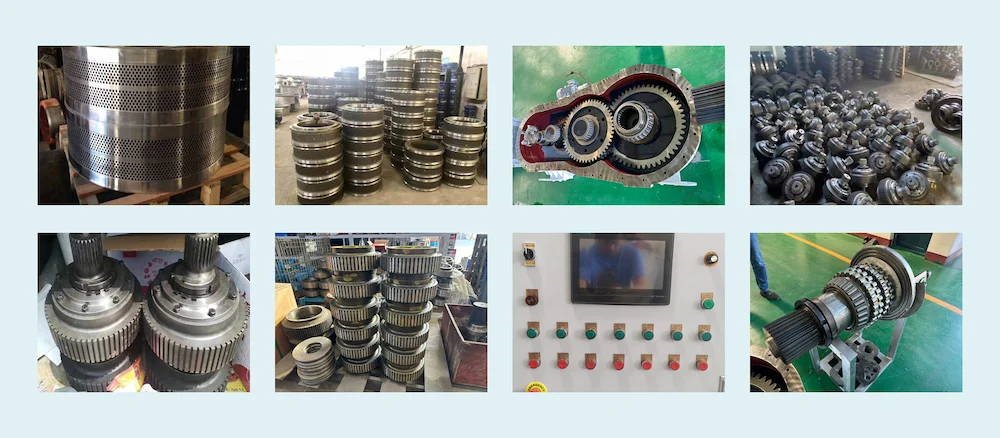
Peanut shell fibers have a moderate hardness, making them easy to press into pellets. However, reducing the production cost of peanut shell pellets is key. To address the issue of peanut shells easily wearing down the molds, we use a stainless steel ring die and a wear-resistant welded press roller with a matching hardness of approximately 62 Rockwell hardness. This ensures the mold’s lifespan and reduces processing costs.
TCPEL - YOUR PROFESSIONAL PEANUT SHELL PELLET MACHINE MANUFACTURER
FREQUENTLY ASKED QUESTIONS
What is peanut shell pellet machine price?
The price of a peanut shell pellet machine depends on its output and model. If you are using it at home or on a small farm, $2,000-$3,000 should be sufficient. If you want to invest in an industrial type peanut shell pellet production line, you will need to prepare approximately $30,000-$50,000.
Have you supplied peanut shell pellet machine in India ?
Currently, we mainly sell peanut shell pellet mills in China, but we have straw pellet mills in India.
Do you have peanut shell maize animal feed pellet machine?
Yes, we manufacture peanut shell maize animal feed pellet machine, but you need more than just a pellet machine; you also need a mixer to produce high-quality feed pellets.
RELATED MACHINES FOR PEANUT SHELL PELLET PLANT

Rotary Screener
Screening removes impurities and soil from the raw materials, improving pellet quality.

Biomass Hammer Mill
Suitable for fine grinding of raw materials, it can grind them to a size of 1-10 mm.

Automatic Feeder
Suitable for medium to large-scale production lines, it can automatically feed raw materials, saving labor costs.
Get Quick And Professional Response
We've got a lot of experience in palm tree waste production plant in the past 20 years. You are welcome to contact us to discuss more details. For specific materials, we are willing to provide you with testing services.
- The best design & quality machines
- Quick reply within 2 hours
- Provide the best proposal within 72 hours.
- Free test run service for special raw materials
- Decades of expertise, highly skilled team, tailored solutions.