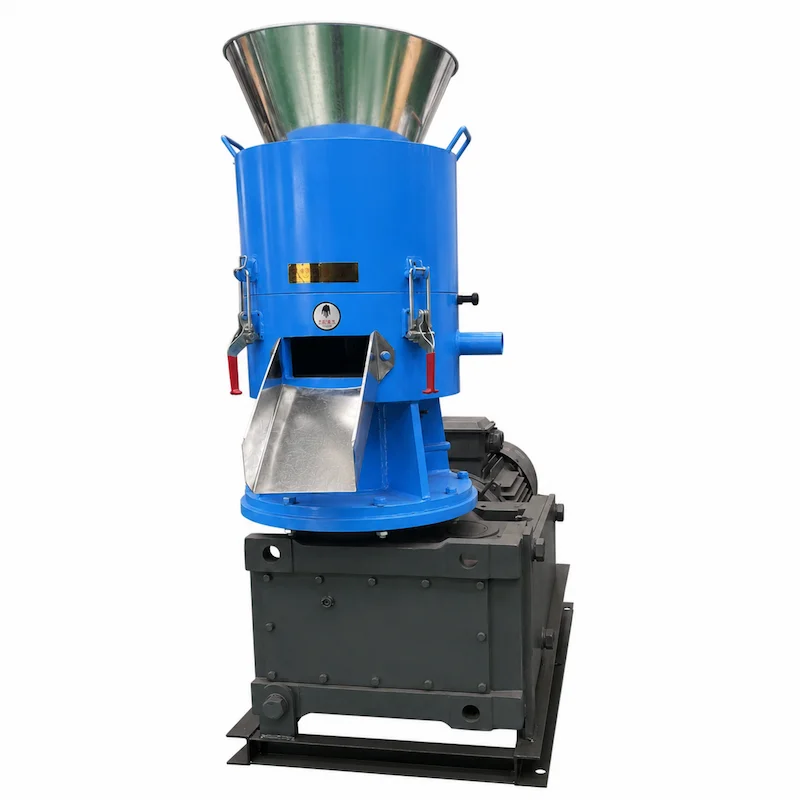
FERTILIZER PELLET MACHINE
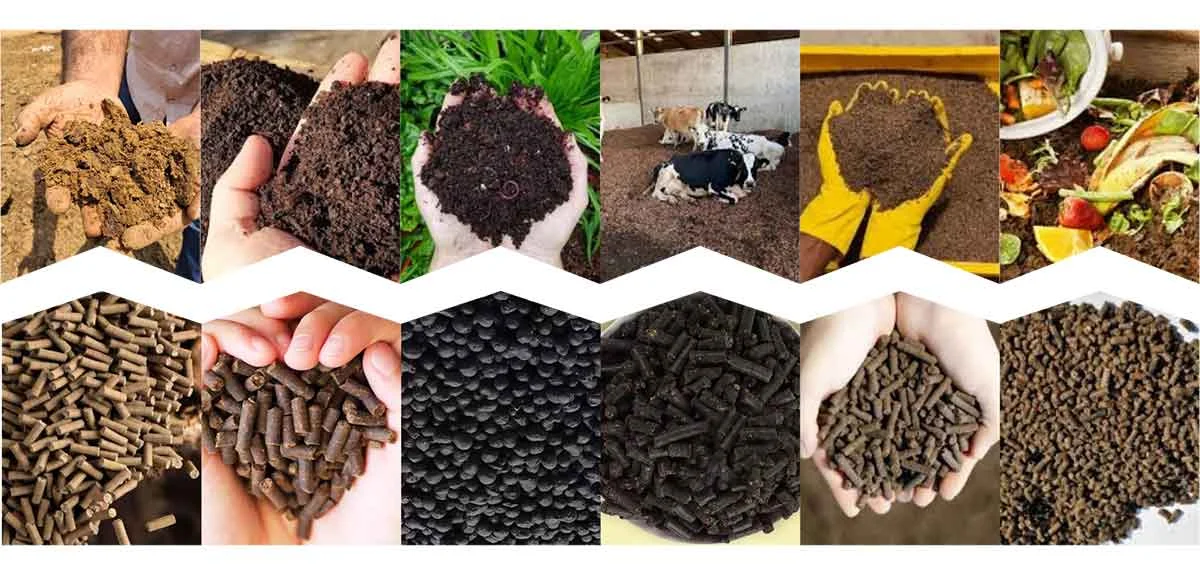
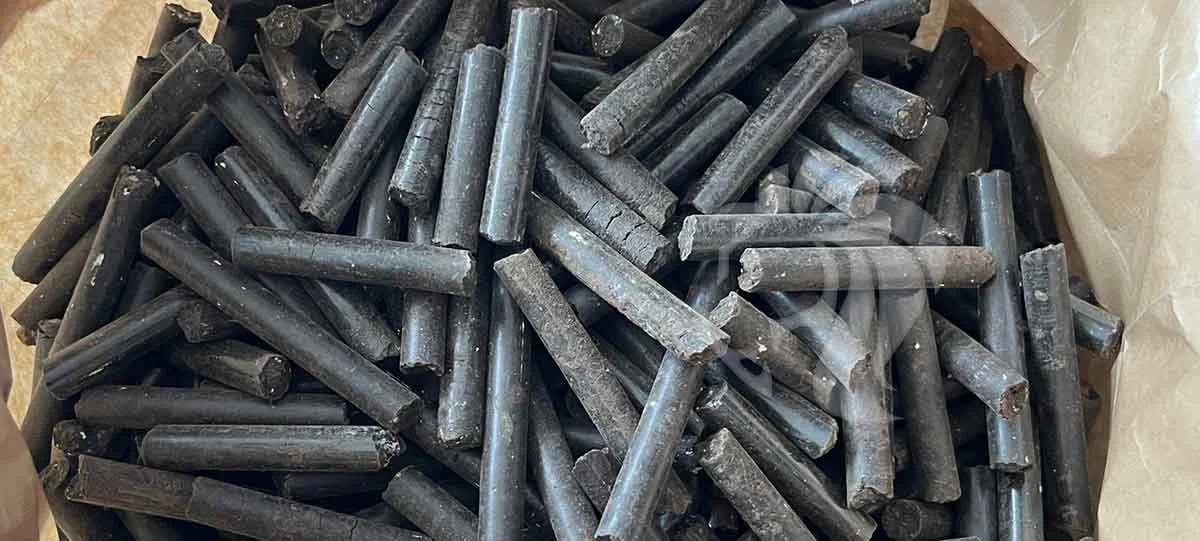
Organic fertilizer pellet machine can compress various animal manure, such as chicken manure, sheep manure, cow manure, horse manure, or other organic matter, into high-density organic fertilizer pellets, which are the highest quality natural fertilizers.
FERTILIZER PELLET MACHINE FOR SALE
High-density, high-strength fertilizer pellets, less pulverization, suitable for long-distance transportation and commercial sales.
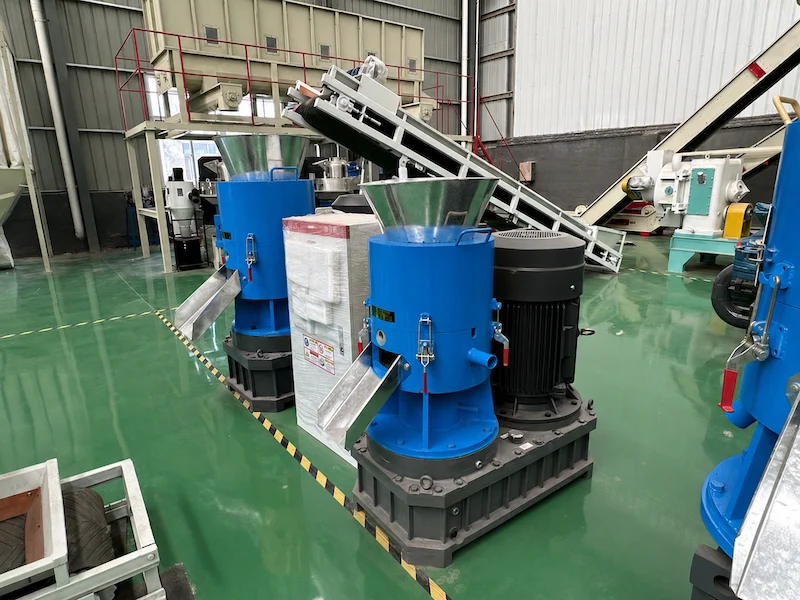
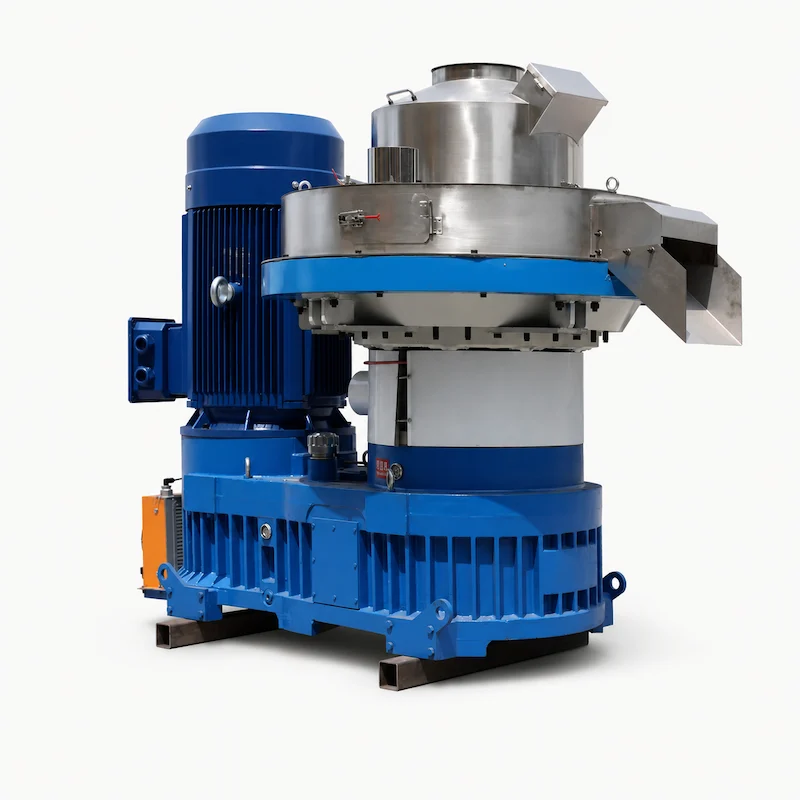
The fertilizer pellet mill is a professional equipment for producing organic fertilizer pellets. Using a flat or ring die as its core working component, it utilizes the mechanical force of pressure rollers to force organic fertilizer through the die holes to form pellets. This equipment employs a dry-in, dry-out pressing principle, no binders needed. It is suitable for organic materials with high fiber content and moisture content below 25% (such as animal straw bedding, manure, lees, and fermentation residue). The complete organic fertilizer pellet production line can operate continuously, and by changing the die, it can produce pellets with a diameter of 2.5-10mm, making it a core piece of equipment for large-scale organic fertilizer plants.
ORGANIC FERTILIZER PELLET MACHINE TYPES

TCZL300 Fertilizer Pellet Machine
Main motor 22KW, capacity 300-400kgs/h, it’s small flat die pellet machine, good choice for home use or small farms.

TCZL400 Fertilizer Pellet Mill
With a power of 37 kW and a capacity of 500-800 kg/hour, this model is suitable for large farms and small fertilizer processing plants.
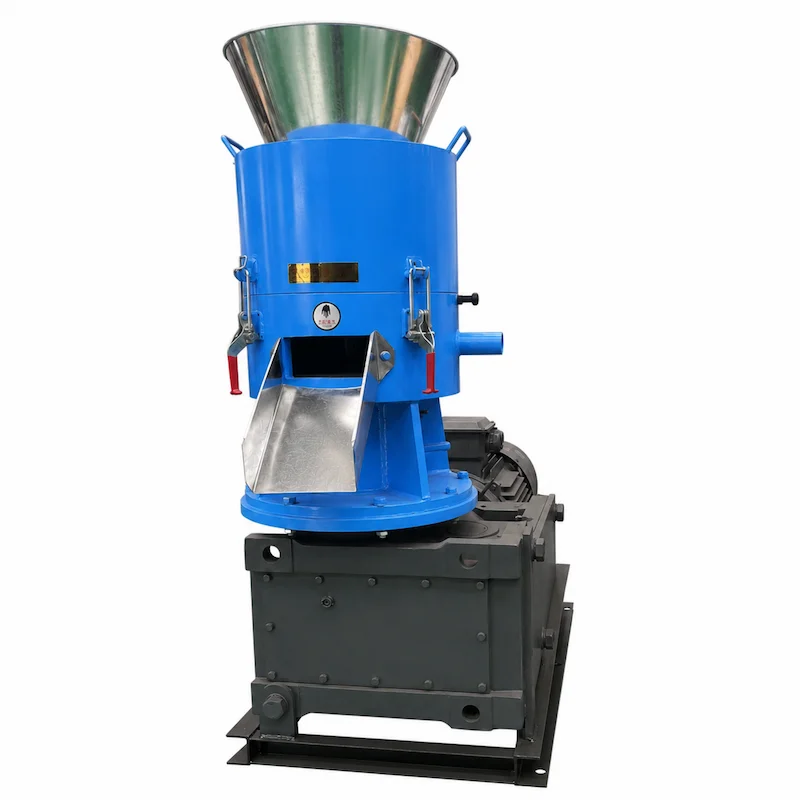
TCZL550 Organic Fertilizer Pellet Making Machine
The main motor is 55 kW or 75 kW, with an output of 1.5-2.5 tons/hour, suitable for medium-sized organic fertilizer pellet factory
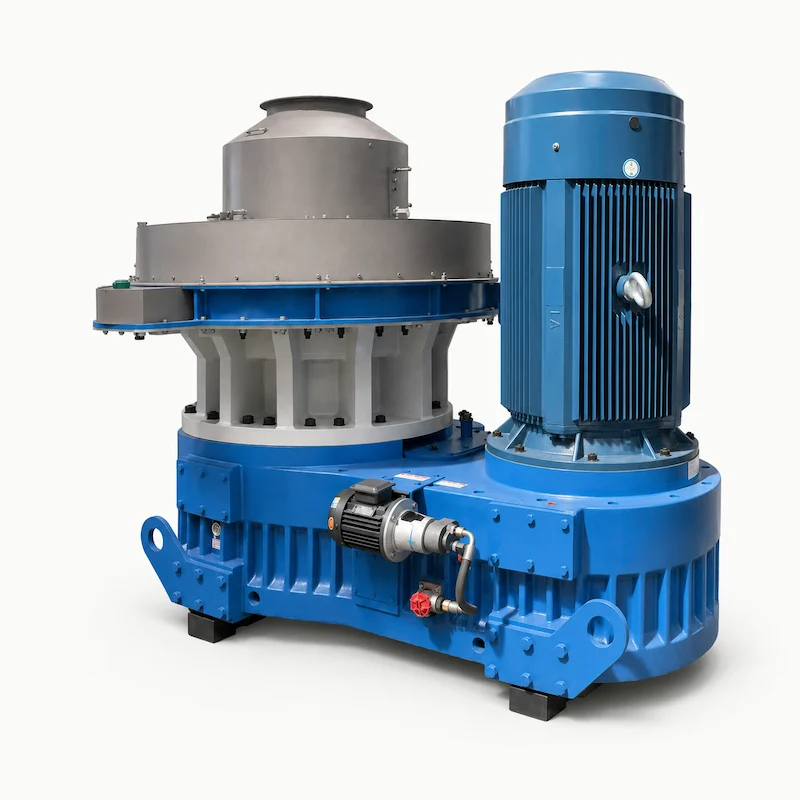
TCZL560 Manure Pellet Machine
This is the most commonly used ring die fertilizer pellet mill, which can be equipped with a 90 kW/110 kW or 132 kW main motor. The ring die inner diameter is 560 mm
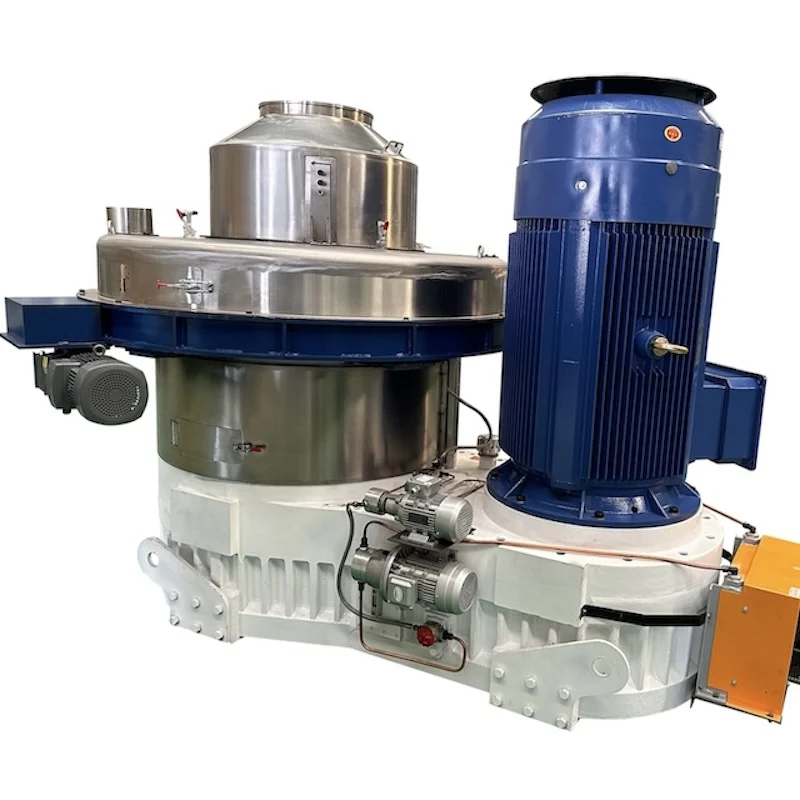
TCZL700 Fertilizer Pellet Mill
Equipped with a 160 kW main motor, the ring die inner diameter around 700 mm and is suitable for capacity of 3-5 tons per hour.
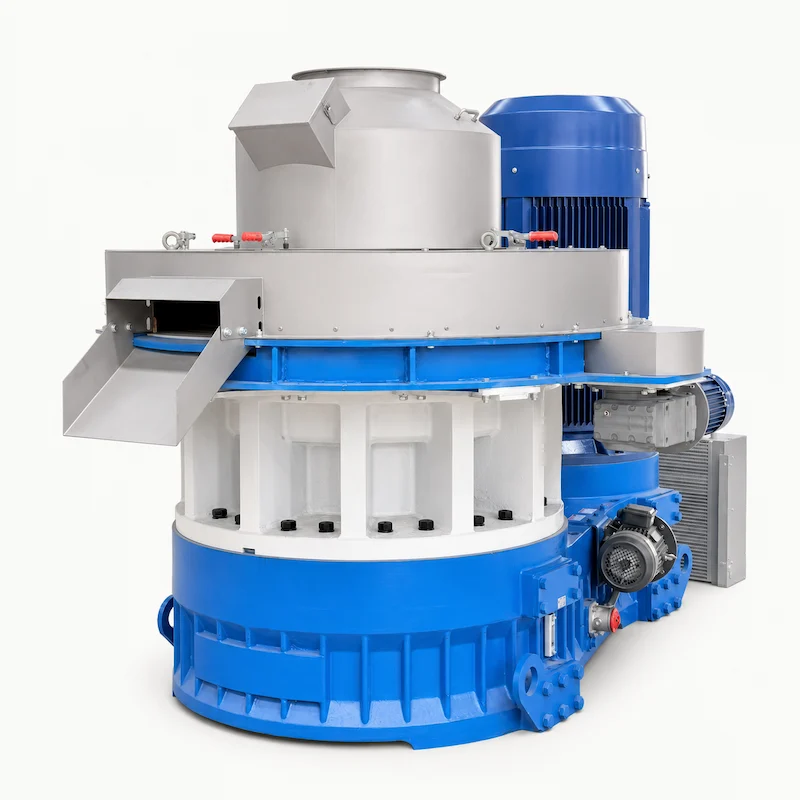
TCZL850 Fertilizer Pellet Mill
Equipped with a 250 kW main motor and weighing approximately 13 tons, it is the largest model among fertilizer pellet mills.
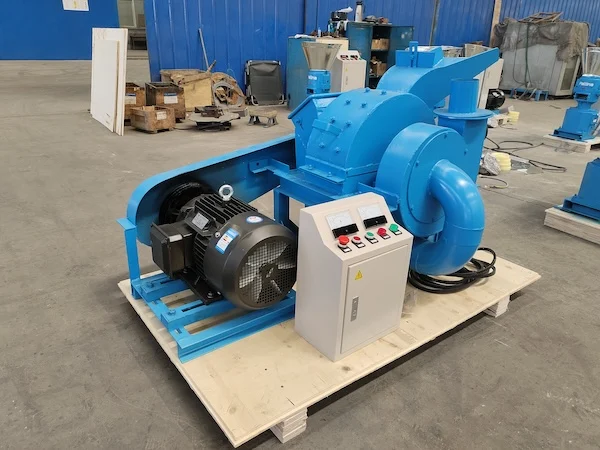
HOW TO MAKE FERTILIZER PELLETS ? PROCESS ABOUT FERTILIZER PELLET PRODUCTION
The production process of organic fertilizer pellets mainly depends on the production scale of the organic fertilizer pellet machine and the type of organic fertilizer you use. In terms of production scale, small-scale organic fertilizer pellet production lines mainly use a single flat die pellet machine. This type of machine has a small output, is simple to operate, and runs stably, making it suitable for small and medium-sized farms. Dried animal manure and bedding from the farm can be converted into high-quality organic fertilizer pellets for sale or personal use. However, large farms, which need to process tens or hundreds of tons of animal manure daily, or have large quantities of fermented organic compost or biogas digester residue, require large-scale fertilizer pellet production lines. Large-scale fertilizer pellet production lines consist of multiple machines.
Small Fertilizer Pellet Production Line
The small-scale fertilizer pellet production line includes a small crusher, feeding conveyor, a small fertilizer pellet machine, and a fertilizer pellet conveyor.
- A crusher is not always necessary; it’s only used when the raw materials are large or clumped together. Crushing the raw materials increases the pellet mill’s output and prevents machine blockage.
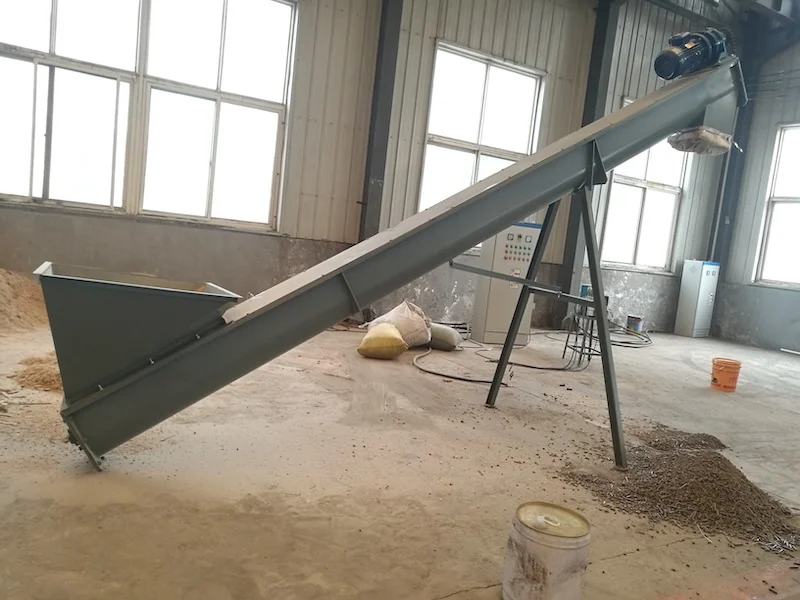
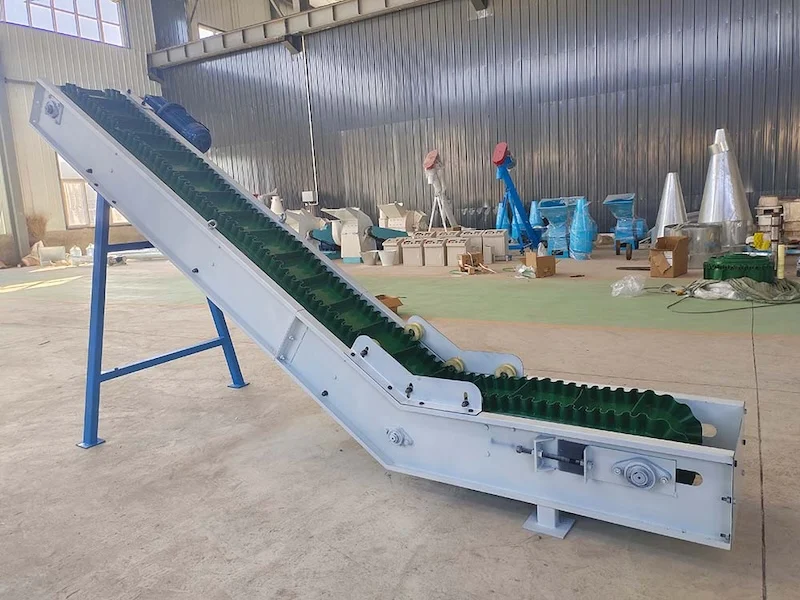
- The crushed raw materials can be fed into the pellet mill via a screw conveyor or belt conveyor. The choice of conveyor depends on the type of raw material and its stickiness.
- After entering the pellet mill, the raw materials are evenly distributed on the die by rotating pressure rollers, forming high-density fertilizer pellets under high temperature and pressure.
- Freshly produced pellets are quite hot, approximately 70-80 degrees Celsius, and contain a layer of water vapor on the surface. To extend storage time, it’s best not to package them directly. Instead, use a pellet conveyor to transport them to a cooling silo, where they will cool for 3-5 hours before packaging and transportation.
Large Fertilizer Pellet Production Line
Large-scale organic fertilizer pellet production lines mainly consist of dewatering machines, dryers, pellet mills, coolers, and packaging machines. This is primarily because large-scale organic fertilizer pellet production lines have a higher output, while the moisture content of organic fertilizer raw materials is generally high, making it difficult to achieve the required daily output using open-air drying methods. Therefore, compared to small-scale organic fertilizer pellet production lines, dewatering and drying equipment are added.
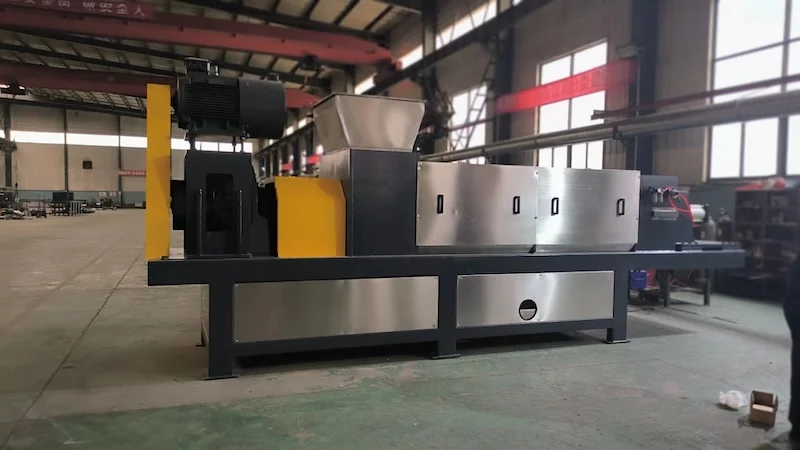
step 1: Dehydrator to remove excess water.
Animal manure and organic waste, especially cow and chicken manure, as well as biogas residue, have a high moisture content, making them difficult to dry quickly without enough storage space. Therefore, specialized dehydration equipment is needed to reduce drying costs. It’s important to note that the dehydration equipment must be customized according to the type of raw material to achieve optimal dehydration results. Because different animal manures have varying fiber content, the same dehydrator will have completely different performance.
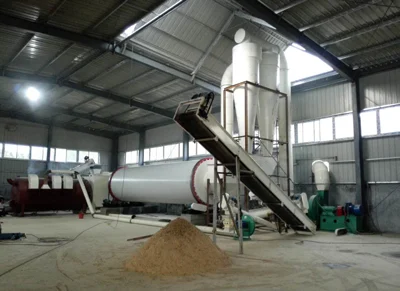
Step 2: Manure or organic waste rotary drum dryer
Like other raw materials, organic fertilizer pellet mills require raw materials with a moisture content of approximately 15-20%. However, even after dehydration, the moisture content of the organic fertilizer raw materials is still 50-60%. Therefore, a rotary drum dryer is needed to reduce the moisture content of the raw materials to about 15%. It is important to note that when selecting a dryer, the stickiness and corrosiveness of the raw materials need to be considered. The dryer should be designed with additional comb plates and vibration devices to prevent the raw materials from sticking to the inner wall and discharge port of the dryer.
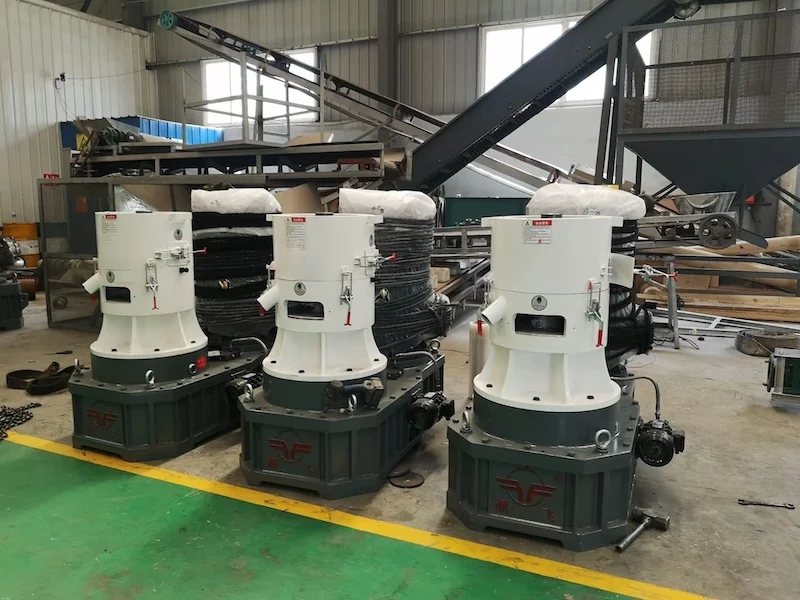
Step 3: Organic fertilizer pellet machine
Organic fertilizer pellet mill is a key piece of equipment in the entire manure fertilizer pellet production line. In most lines, based on the characteristics of the raw materials, we recommend that you use a flat die pellet mill. This is because organic fertilizer pellets are easy to compress and the raw materials have higher density compared biomass waste. When processing these raw materials, the flat die pellet mill has a higher output and have a lower production cost. These can bring higher profit for you.
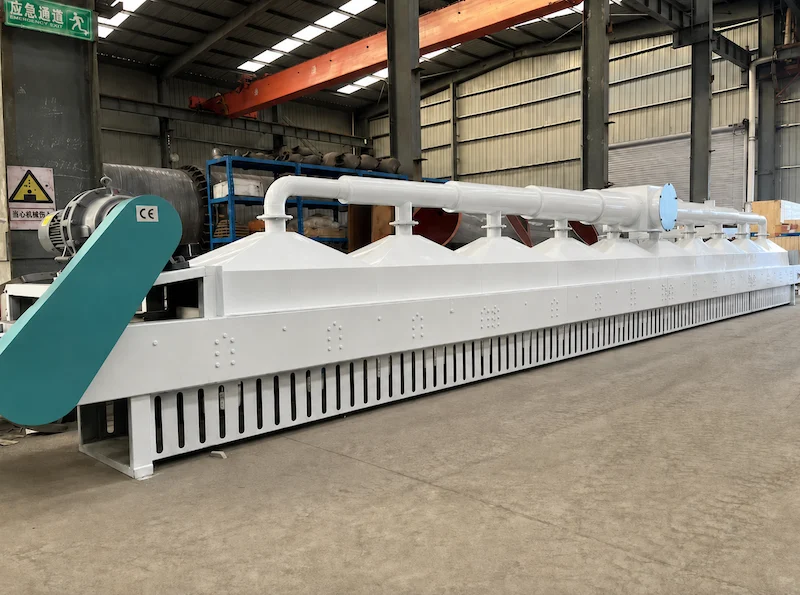
Step 4: Chain Type Cooler
Freshly produced organic fertilizer pellets are at a temperature of 70-80 degrees Celsius. To ensure a longer storage time, they need to be cooled to room temperature and hardened before packaging. To ensure the integrity and molding rate of the pellets and reduce the powder content, we recommend using a mesh belt cooler. Compared with a counter-flow cooler, it completes the cooling process during transportation and does not have many height differences, so the fertilizer pellets are less likely to break and have better appearance and quality.
The above test video is from a customer who has a large cattle farm that produces a large amount of cow manure every day. They want to use the dried cow manure as fuel for their own consumption and also sell it to the local market. However, in the initial stage, the customer wants to start with a small machine. We provided the customer with two models for testing. If you have any further questions, please contact us.
WHICH ORGATIC WASTE CAN BE PRESSED INTO FERTILIZER PELLETS
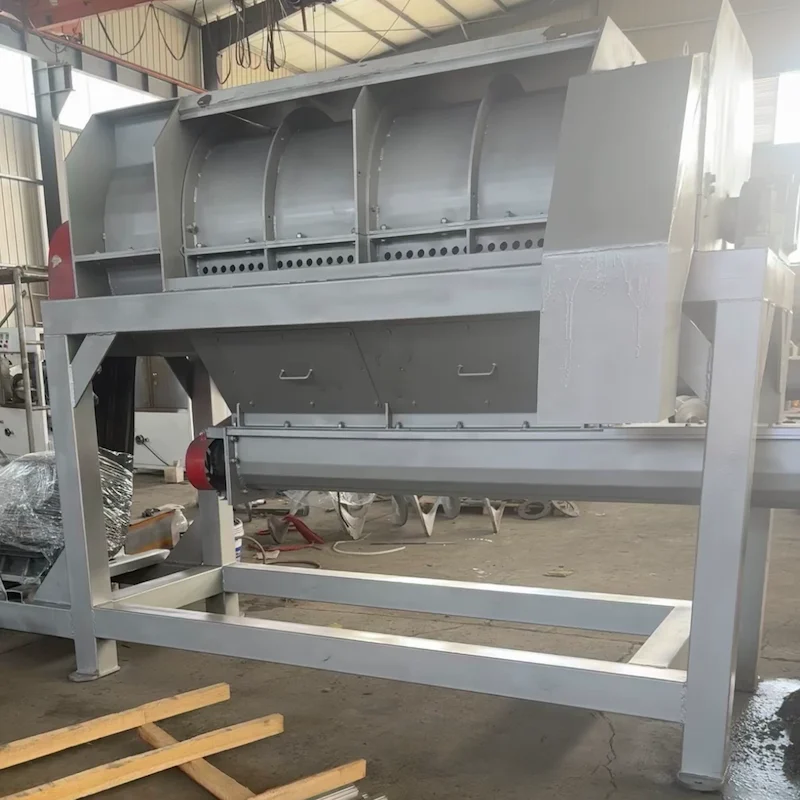
The main raw materials for organic fertilizer pellets include manure from various animals such as cow, sheep, and horse, as well as fermentation residue from biogas fermentation. In many large farms, animal bedding mixed with animal manure can also be used to make organic fertilizer pellets. Food scraps and compost from household waste are also high-quality raw materials. It’s important to note that while the organic matter screened from household waste can theoretically be used to make organic waste, the market may not be very good because much of this waste contains plastics and other materials. Therefore, we have developed a specialized organic waste plastic sorting machine that can completely separate soft plastics from organic waste.
TECHNICAL PARAMETERS
| MACHINE MODEL | MAIN MOTOR | CAPACITY | MACHINE WEIGHT | APPLICATION |
|---|---|---|---|---|
| TCZL250 | 15KW | 100-200KG/H | 400KG | home use |
| TCZL300 | 22KW | 200-400KG/H | 800KG | home use |
| TCZL400 | 37KW | 300-500KG/H | 900KG | home use |
| TCZL450 | 55KW | 600-800KG/H | 1500KG | home use |
| TCZL550 | 55KW | 800-1000KG/H | 1600KG | home use |
| TCZL560 | 90KW | 1000-1500KG/H | 4800KG | home use |
| TCZL650 | 110KW | 1200-1400KG/H | 3200KG | home use |
| TCZL560A | 132KW | 1500-2000KG/H | 5500KG | home use |
| TCZL700 | 160KW | 2000-2500KG/H | 6800KG | home use |
| TCZL850 | 220KW | 3000-3500KG/H | 8800KG | home use |
| TCZL850A | 250KW | 3500KG/H | 10500KG | home use |
| TCZL850B | 280KW | 4000KG/H | 11000KG | home use |
Note: The above output figures are theoretical average outputs. Actual outputs depend on the raw materials and fertilizer pellet diameter.
WHY MAKE ORGANIC FERTILIZER PELLETS?
The primary purpose of granulating organic fertilizer is to address the drawbacks of raw organic fertilizer materials being “dirty, heavy, and volatile.” Organic fertilizer granules offer the following significant advantages:
- Facilitates mechanized fertilization: Direct application of organic fertilizer can easily clog the feed inlet of fertilizer applicators, and results in problems such as excessive dust, pungent odor, and uneven application. Organic fertilizer granules, however, have good flowability and can be mixed with chemical fertilizers, saving time and labor, making them particularly suitable for large-scale agricultural operations.
- Improves fertilizer efficiency and utilization: During the production process, organic fertilizer granules undergo secondary composting of the raw materials, and high temperatures kill insect eggs and weed seeds. More importantly, the granules decompose slowly in the soil, reducing nitrogen volatilization and loss due to rainwater runoff, resulting in a longer-lasting fertilizer effect.
- Improves soil and crop safety: Granular organic fertilizers facilitate precise application (such as hole application or strip application), concentrating the fertilizer around the roots and avoiding the risk of “seedling burn” caused by direct contact between powder and seeds. This makes it safer, more efficient, and lower in cost. 4. Reduced storage and transportation costs: Powdered fertilizer piles have a low specific gravity and large volume, making them prone to absorbing moisture and clumping. In contrast, organic fertilizer granules are reduced to about one-fifth of their original volume, increasing their density. This not only significantly reduces packaging and transportation costs but also makes them dry, hard, and less prone to mold, resulting in a longer storage time.
WHY CHOOSE TCPEL AS YOUR FERTILIZER MACHINE SUPPLIER?
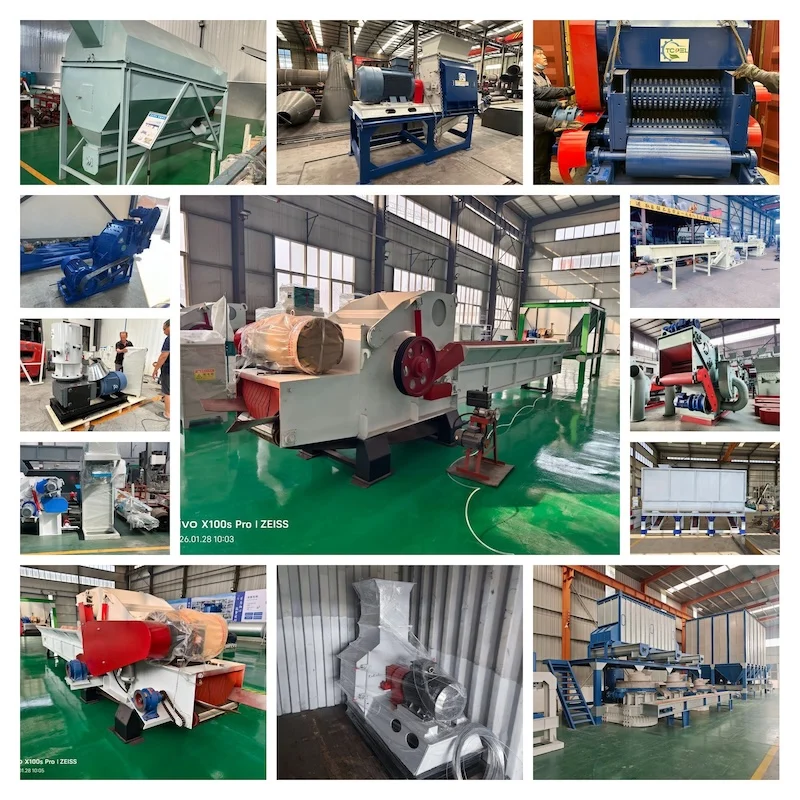
TCPEL is a professional manufacturer of briquetting and pelletizing production line equipment manufacturer with over 20 years of design and R&D experience. We offer customized production for different raw materials. Our biggest advantage is our excellent after-sales service; we always put our customers’ needs first, resulting in a very high customer referral rate.
FREQUENTLY ASKED QUESTIONS
Do you have chicken manure fiertilizer pellet making machine?
Yes, we manufacture chicken manure fertilizer pellet mills, but chicken manure generally needs to be used in conjunction with a fermentation tank or dryer to dry the moisture content of the chicken manure to below 20% before it i pressed into chicken manure pellets or chicken litter pellets.
Do you have cow manure pellet machine?
Yes, and we have cow manure pellet mill and also have tested in many projects, the cow manure pellets could be used as fertilizer pellets or as fuel pellets, just the density be different a little. if you want to know more details, you are link here.
How to use fertilizer pellets?
Pellet fertilizer application in various ways. They can be used as a base fertilizer (bottom fertilizer), which is the most recommended method, or as a supplemental fertilizer, but the timing and method are important. In addition, organic fertilizer granules can also be used in hydroponics or potted plants, but the amount used needs to be strictly controlled.
what is the fertilizer pellet machine price?
If you are using it at home or on a farm, most fertilizer pellet machines are priced under $6,000. You can send us photos of your raw materials and tell us your production requirements. We will prepare a detailed plan for you to refer to within one day.
Do you have experience in production horse manure pellets?
Yes, for these animal manure, if the raw material is dry, then can be pressed directly, if it’s not dry and you also don’t want to adding dryer, then you can mixed with some dry biomass waste, and adjust the average moisture content lower, then it works.
Related Machine

Organic Crushing & Sorting Machine
crushing the organic waste and screening out the lightweight soft plastic waste.
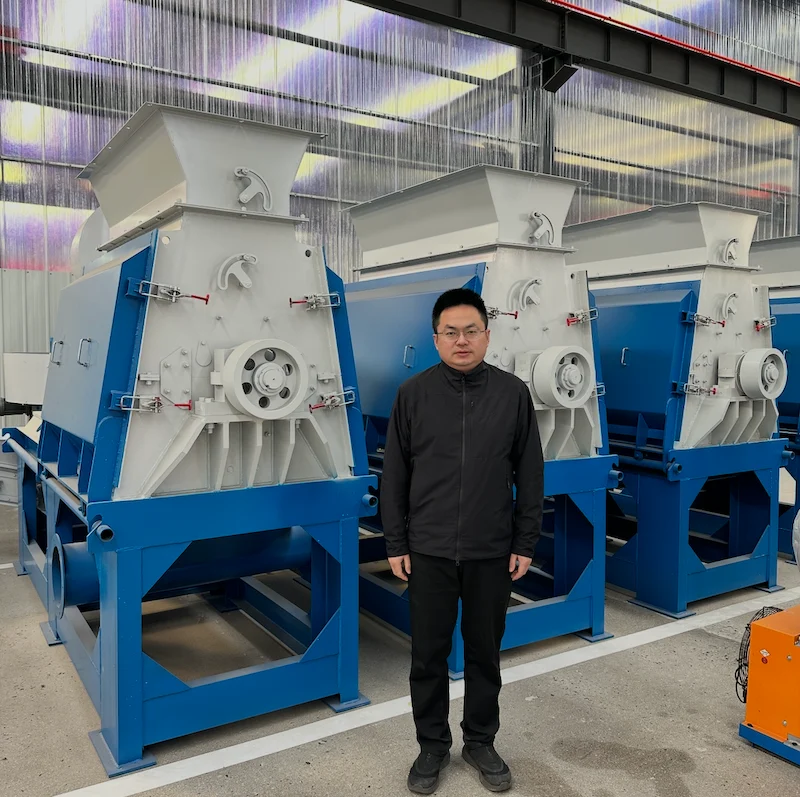
Heavy Duty Hammer Mill
It can crush lumpy organic waste into powder, improving the efficiency of the pellet mill.
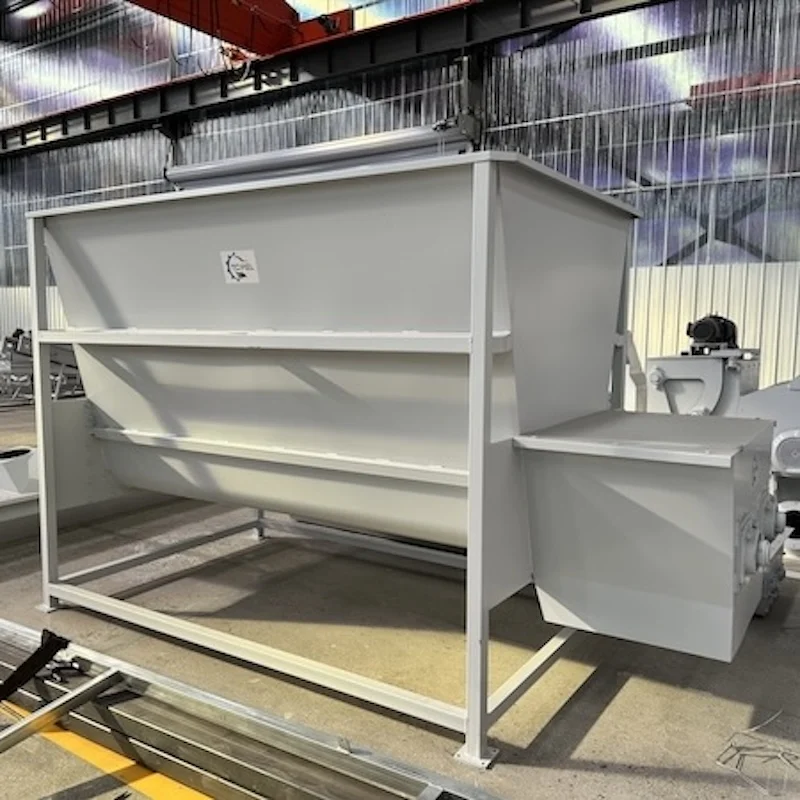
Distribution and Buffer Bin
It plays a role in material distribution and buffering in the production line, saving labor and improving efficiency.

CONTACT US NOW
We are one of the most professional pellet mill and briquette machine manufacturers with more than 20 years experience. You are welcome to contact us to discuss more details.
- The best design & quality machines
- Quick reply within 2 hours
- Provide the best proposal within 72 hours.
- Free test run service for special raw materials
- Decades of expertise, highly skilled team, tailored solutions.