
COCONUT SHELL PELLET MACHINE
Tired of dealing with your waste coconut shells? The coconut shell pellet mill offers the perfect solution for turning coconut shell into marketable clean energy pellets.
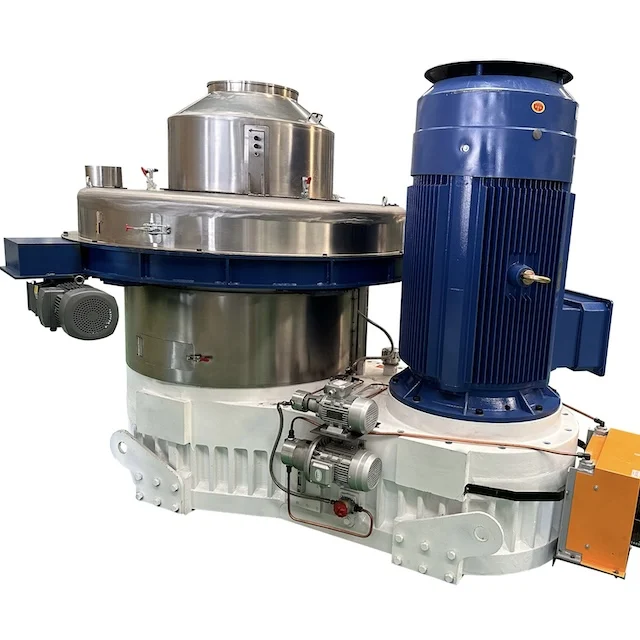
COCONUT SHELL PELLET MAKING MACHINE FOR SALE
Coconut shell pellet mills efficiently convert waste coconut shells and coconut husks into high-calorific-value biomass fuel pellets.
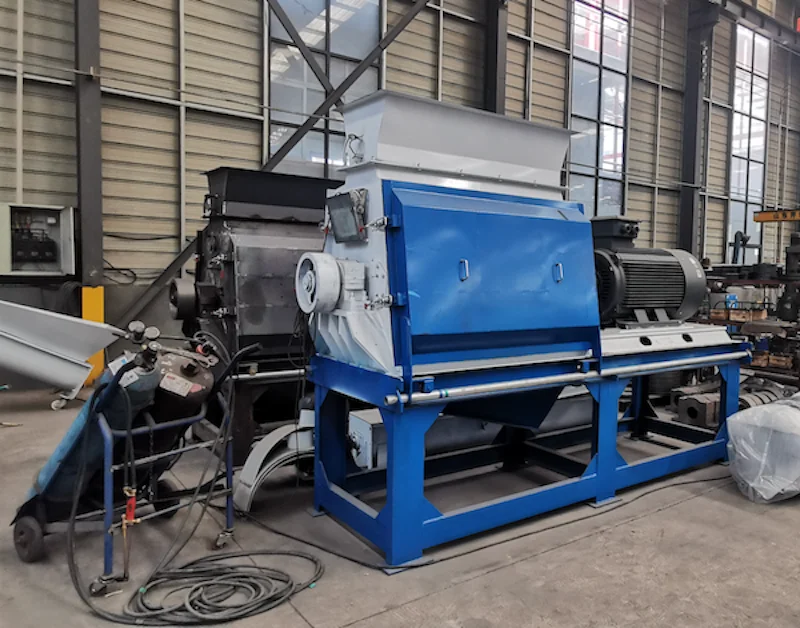
- A coconut shell pellet mill is a core forming device specifically designed for processing coconut shells and husks. The pellet mill is driven by a motor, high-strength pressure rollers and ring dies apply immense mechanical pressure and heat to the pulverized coconut shell and husk.
- During this process, the lignin naturally present within the coconut shell or husks softens and acts as a natural binder, forcibly compressing and solidifying the loose coconut shell powder, extrudeing it evenly from the mold holes to obtain cylindrical solid pellet fuel. The machine’s design and materials have been specially reinforced to meet the challenges of coarse, hard, and difficult-to-form coconut shell fibers.

COCONUT SHELL PELLET MACHINE ADVANTANGES
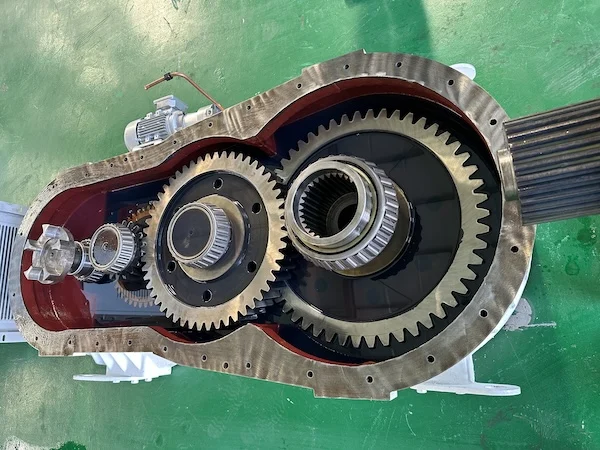

Heavy Duty Pellet Mill, 24 Hours of Continuous Operation
- The core of our coconut husk pellet mill utilizes an industrial-grade heavy-duty reducer and a fully automatic lubrication system, ensuring smooth and powerful power transmission and minimizing wear on key components.
- This not only means an extremely low downtime rate for the pellet mill but also guarantees high uptime and long-term stable output for your production line, directly translating equipment reliability into production efficiency.

Specialized Ring Die and Gearbox esigned for Coconut Shells
- Based on a deep understanding of the characteristics of coconut shell fibers and extensive experience, we have specifically strengthened and optimized the design of the press roller dies for our coconut shell pellet mill.
- Unique pressure and stroke control effectively overcomes the rebound of loose materials, ensuring efficient one-time pressing and molding, guaranteeing your production efficiency and finished product density.


24/7 On-Line Support, From Start to Finish
- We have a professional engineering team providing one-stop service from installation and commissioning to hands-on training, ensuring the equipment is in optimal condition upon arrival.
- We promise 24/7 online after-sales response. For any operational questions or emergencies, we can provide remote guidance immediately, safeguarding your stable production.

Start Small, Scale Smart, Give You More Chioces
- We offer flexible solutions starting with small to medium-sized equipment, significantly reducing your initial investment and trial-and-error risks.
- You can quickly validate the market and accumulate experience. Once the business matures, our modular design supports seamless upgrades and expansions, helping you achieve smooth growth from a stable start to large-scale expansion.
Tell us the capacity you need and the material you have, and we hope could help you choose the most suitable model.

COCONUT WASTE TO ENERGY PELLET MACHINE MODELS
| MACHINE TYPE | HOME USE PELLET MACHINE | SMALL BUSINESS PELLET MILL | INDUSTRIAL PELLET MACHINE |
|---|---|---|---|
| MAIN MOTOR | 7.5-22KW | 30-110KW | 55-250KW |
| PELLET DIAMETER | 6mm, 8mm, 10mm | 6mm, 8mm, 10mm | 6mm, 8mm, 10mm |
| MACHINE OUTPUT | 80-300KGS/H | 300-1,800KGS/H | 600-4,000KGS/H |
| COCONUT SHELL PELLET MILL PRICE | 2000USD-60000USD | ||

Flat Die vs. Ring Die, Which Type Pellet Machine is Better For You?
Selecting the suitable coconuts husk pellet machine can be challenging for new beginners—whether you’re considering a flat die pellet mill or a ring die pellet mill? Or you are thinking of the vertical ring die, or horizontal ring die pellet machine? However, the real focus should not be on the machine’s design, but on its ability to deliver stable, reliable performance.
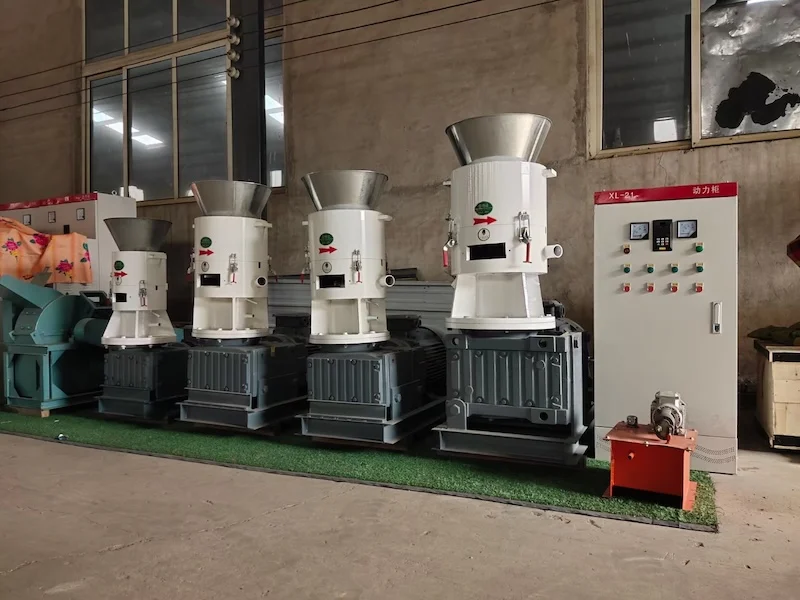
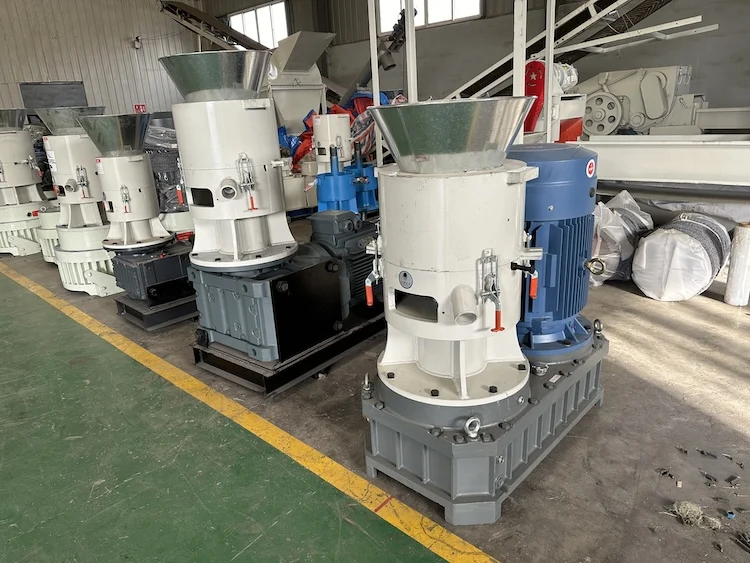
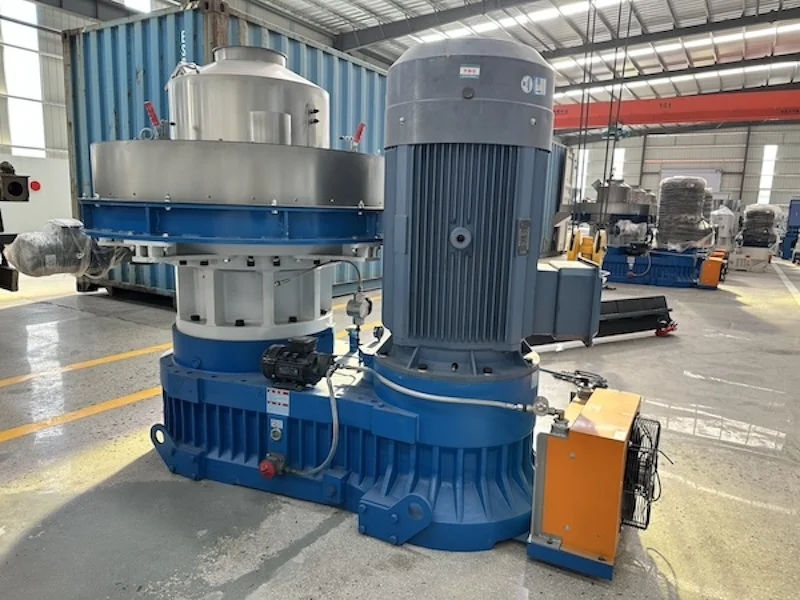
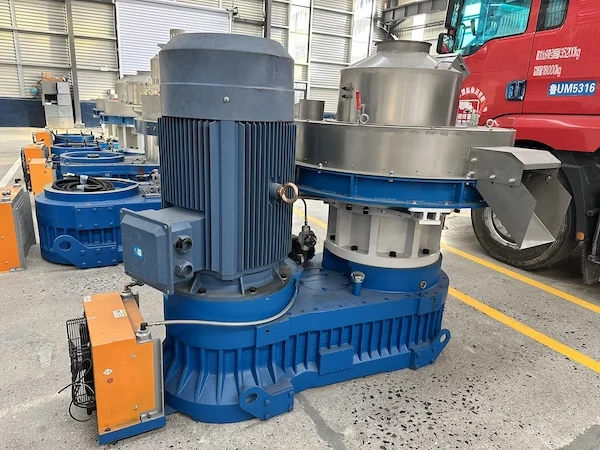
Our pellet machines, available in a range from compact 7.5kW models for home use to powerful 250kW models for industrial applications, are engineered to meet your stability and performance needs.
We ensure stable operation by paying close attention to every component, including the structure and durability of the reducer, the motor brand, lubrication and cooling systems, mold quality, and press wheel installation.
Simply share your raw material type and desired output, and we will recommend the optimal solution for you. It’s that straightforward.

HOW TO BUILD A COMPLETE COCONUT SHELL / HUSKS PELLET PRODUCTION LINE?
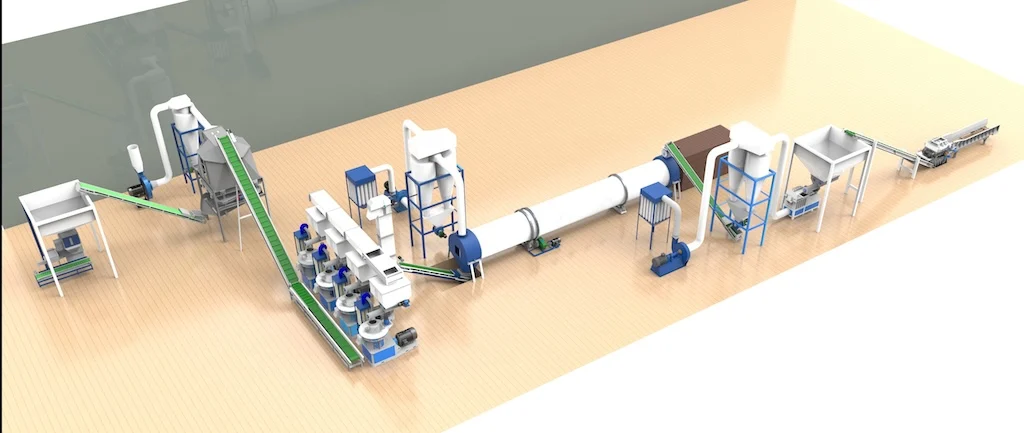
① Crushing section in coconut shell pellet line
For the reason of the hardness of the coconut shell, the coconut shells need to be crushed from big chunk to small pieces by special coconut shell crusher machine.
② Fine crushing section in coconut shell pellet making line
To reaching the certain moisture, crushed coconut shell enters the biomass dryer through feeding conveyor, and the coconut shell dryer can dry off the excess moisture to improve the pellet strength after pelletizing.
③ Drying section in coconut shell pellet processing line
After drying, the coconut shell pieces need to be fine crushed into small fibrous pieces for better pelletizing. The ideal size for pellet machine is no more than 10mm.
④ Pelletizing section in coconut shell pellet produciton line
The fibrous coconut shell pieces are fed into the pellet machine through the feeding system, then they are compressed under high pressure into uniform and high density pellets by the heavy duty coconut pellet machine.
⑤ Cooling section in coconut shell pellet plant
When coconut shell pellets are freshly made, the pellets’ temperature is around 70-80 degrees Celsius, so they need to be cooled using a coconut shell pellet cooling machine.
⑥ Packing section in coconut shell pellet line
After cooling, the high-quality biomass pellets are packaged by an automatic packaging machine, which offers options for small bags or bulk bags to meet diverse needs.

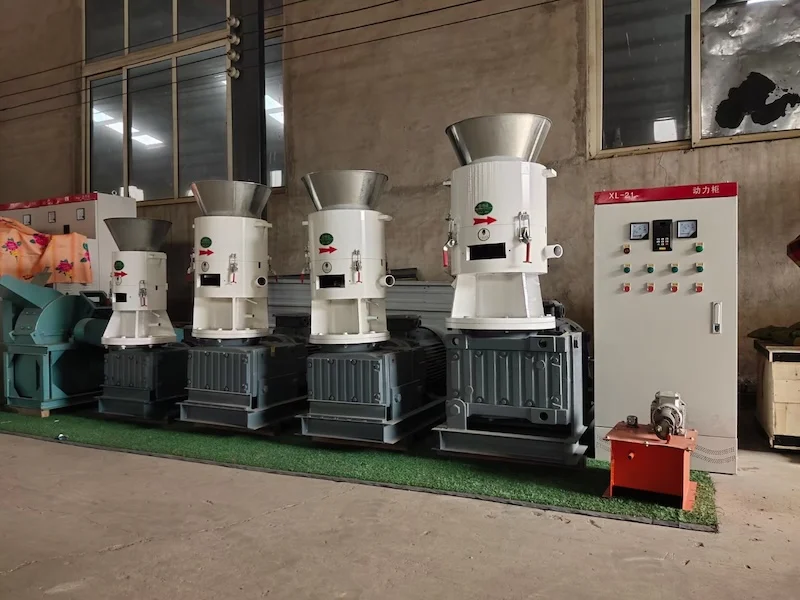
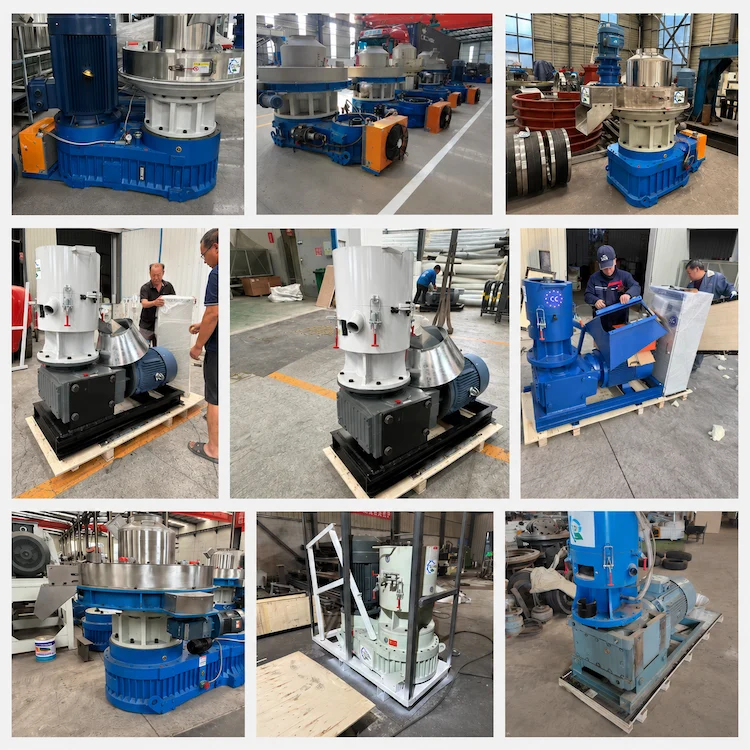
COCONUT SHELL PELLET MACHINE SHOWROOM DISPLAY

FREQUENTLY ASKED QUESTIONS
1.Why are coconut shells or cocnut husks considered a high-quality biomass pellet feedstock? What are their core advantages?
Compared to other biomass raw materials such as wood chips or straw, coconut shell provides distinct advantages: Its high natural lignin content serves as an effective internal binder, removing the need for additives and lowering production costs. The resulting pellets offer strong fuel performance, with low ash content and a high calorific value above 4,500 kcal/kg. Their dense structure also gives them excellent mechanical strength, minimizing breakage and dust during transport and long-term storage. These qualities make coconut shell pellets a premium choice for high-end industrial fuel and export markets.
2.What are the special requirements for the core components of a pellet mill when processing high-fiber, high-hardness coconut husks?
Coconut inner shells are hard and rough, putting a lot of strain on machines, however the husks are soft and with a lot of dust, so the core components must be specially designed for these features. First, the forming die must be made of high-hardness special alloy steel; second, the press rollers and bearings must be stronger and tougher than those of a wood chipper, able to withstand greater pressure; third, a heavy-duty gearbox must be used instead of belt drive to ensure continuous high-intensity operation.
3.How to plan the process to control both cost and quality when building a coconut shell pellet production line?
The key is a reasonable process. Raw materials are first initially crushed to facilitate subsequent fine grinding; grinding to 3-5 mm size; controlling the humidity between 12-18% is the most energy-efficient and yields the best results. The core principles are: proper pre-treatment, efficient use of core equipment, and automation of post-processing to save manpower.
4.What factors affect the payback period for a coconut shell pellet project? How to assess the risks?
There are four main practical factors to consider: whether the raw material supply is stable and inexpensive, whether the product has a fixed sales channel, whether there are local policy supports, and whether the production line can operate stably. The biggest risk is often the disruption of raw material supply or price fluctuations, so it is best to secure raw material or sales intentions for 1-2 years before investing, and be prepared to recoup the investment in 2-3 years based on conservative profit calculations.
5.How can you maintain a pellet mill to ensure it lasts longer and has fewer malfunctions?
Prevention is key; establish a habit of daily inspections and regular maintenance. Record operating data such as current and temperature daily, and address any abnormalities promptly. Clean the dies and inspect the press rollers weekly. Most importantly, plan maintenance based on actual production output; for example, proactively replace the flat die or ring die and press rollers period based on actual rather than waiting until they are totally damaged. Having key spare parts on hand in advance can also reduce downtime.
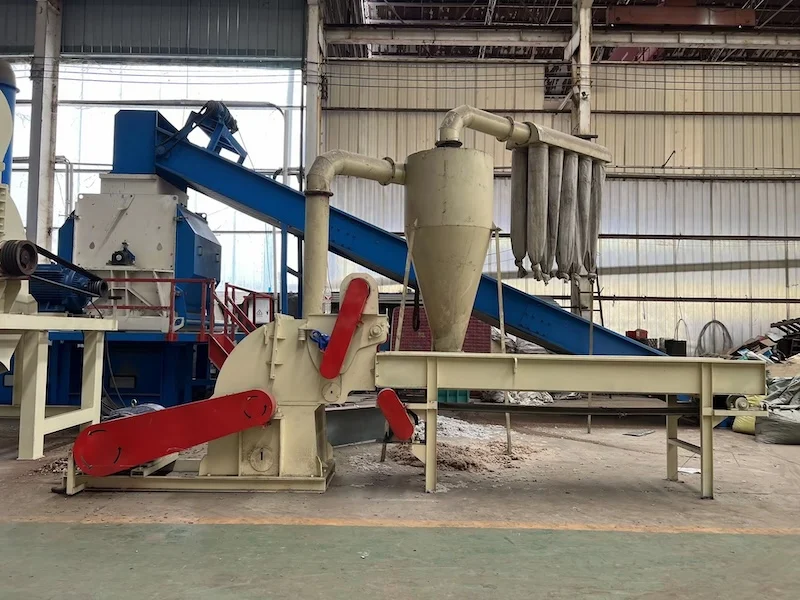
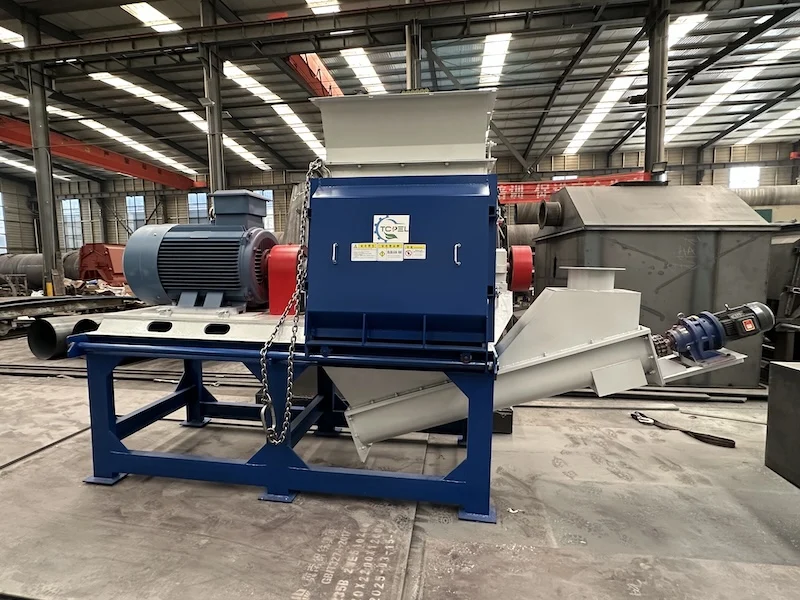
RELATD PRODUCT DISPLAY
Get Coconut Pellet Plant Solution
With over 12 years of dedicated expertise in coconut shell pelletizing, we focus on delivering excellence through precision engineering and uncompromising quality. Choose us for a decision you can rely on.
- Prompt responses within 2 hours.
- Detailed pellet solutions within 24 hours.
- Free test runs for unique raw materials.
- In-depth case analysis following your inquiry.