
COTTON STALK PELLET MACHINE
We provide turn key project that converts cotton stalk, cotton burrs, and cotton residues into high-density fuel pellets for power plants and cement factories.
COTTON STALK PELLET MACHINE FOR SALE
The cotton stalk pellet mill, designed specifically for cotton stalks and cotton waste, boasts a high forming rate and low energy consumption, and efficiently turns agricultural waste into green fuel.
Cotton stalk pellet machine, also known as a cotton waste pellet machine, is specially designed to compress crushed cotton stalks, cotton residues, cotton bolls, cotton husks, and other cotton by-products waste into high-quality fuel pellets with a density of 1.0-1.3 g/cm³.
This machine is widely used in major cotton-producing countries such as China, India, the United States, Brazil, Pakistan, and Turkey, where large quantities of cotton agricultural waste can be converted into valuable renewable biomass fuel.

COTTON STALK PELLET MILL TYPES AND MODELS
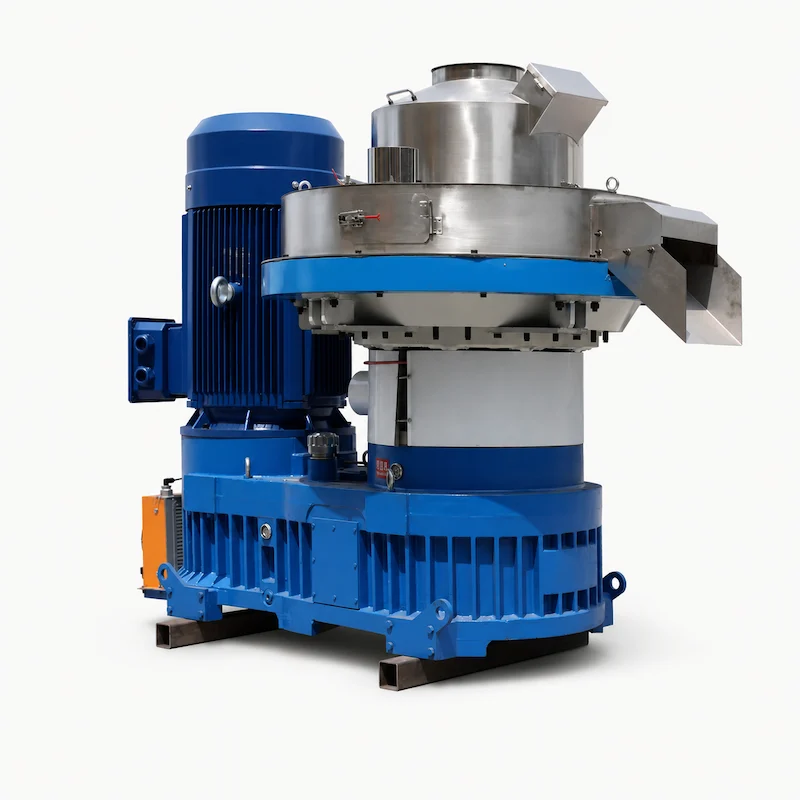
TCZL560/B Cotton Stalk Pellet Machine
Main Motor: 90KW/110KW Capacity: 1,000-1,500kgs/h
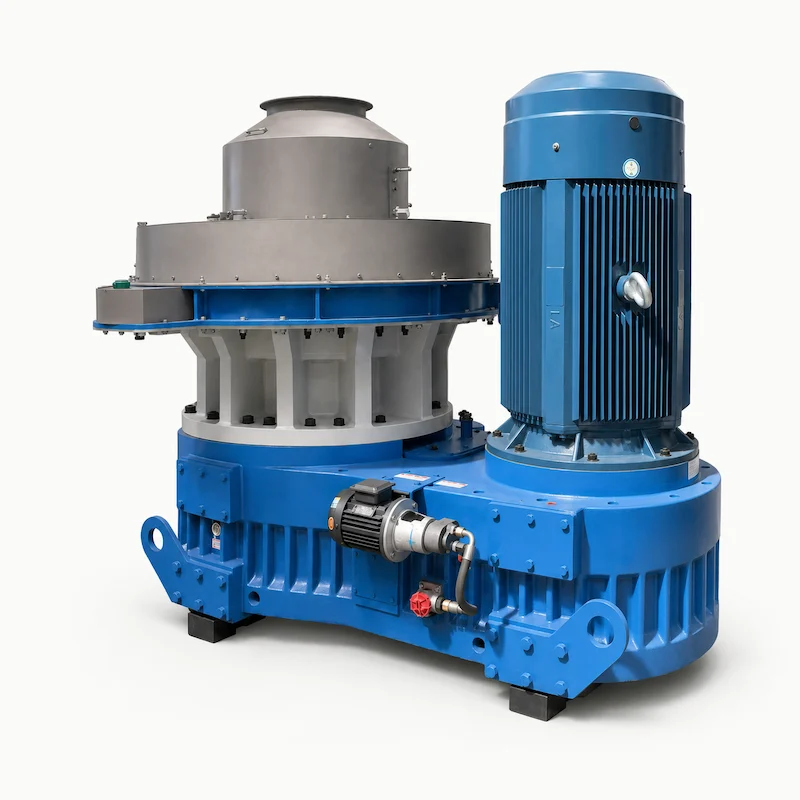
TCZL560A Cotton Waste Pellet Machine
Main Motor: 132KW Capacity: 1,500-2,000kgs/h
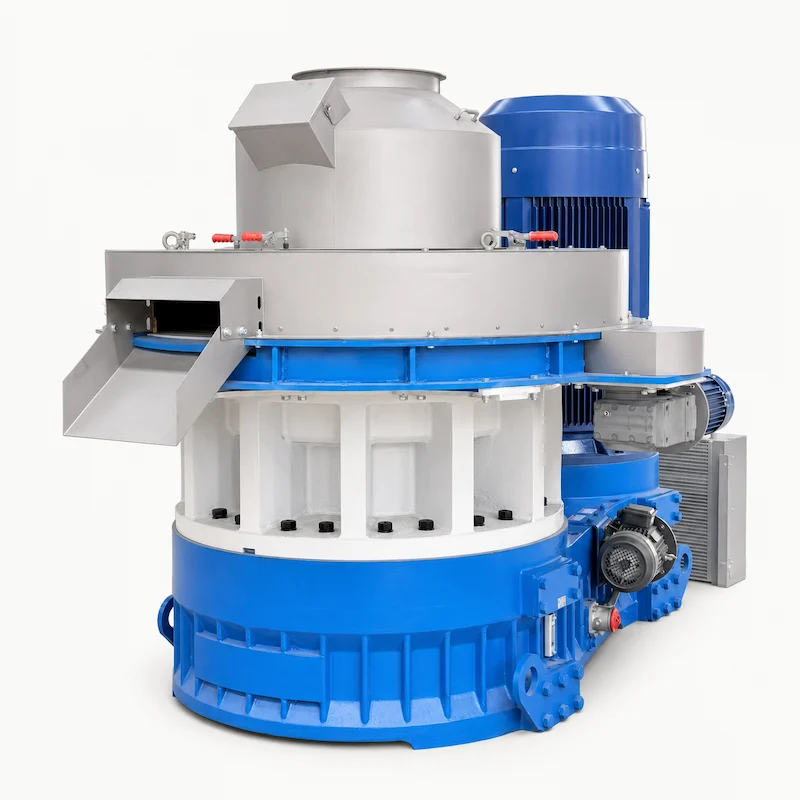
TCZL700 Cotton Residues Pellet Mill
Main Motor: 160KW Capacity: 2,000-2,500kgs/h
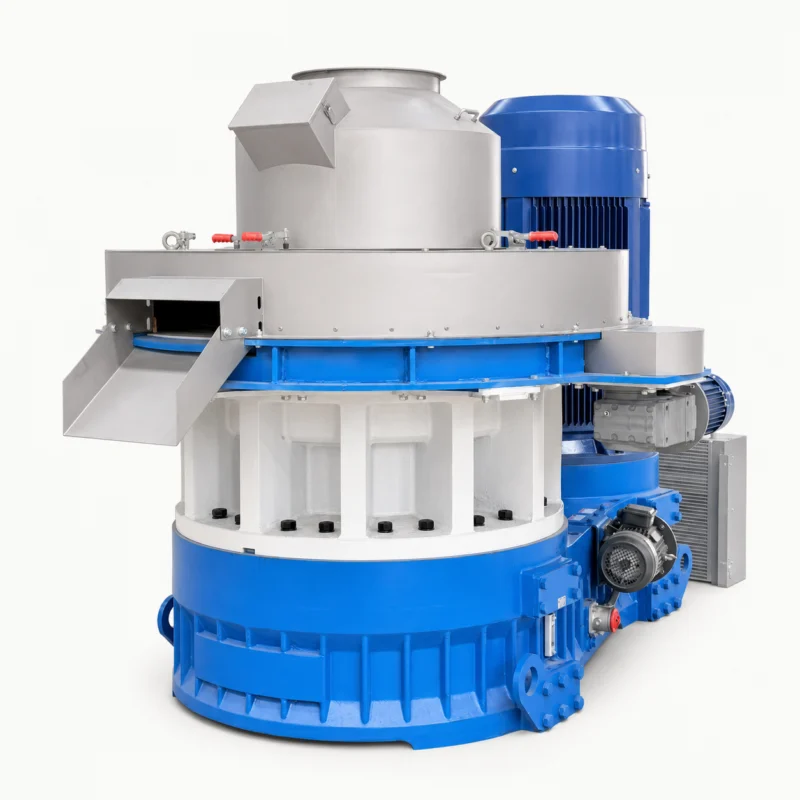
TCZL850 Cotton Burrs Pellet Machine
Main Motor: 250KW Capacity: 3,000-4,000kgs/h
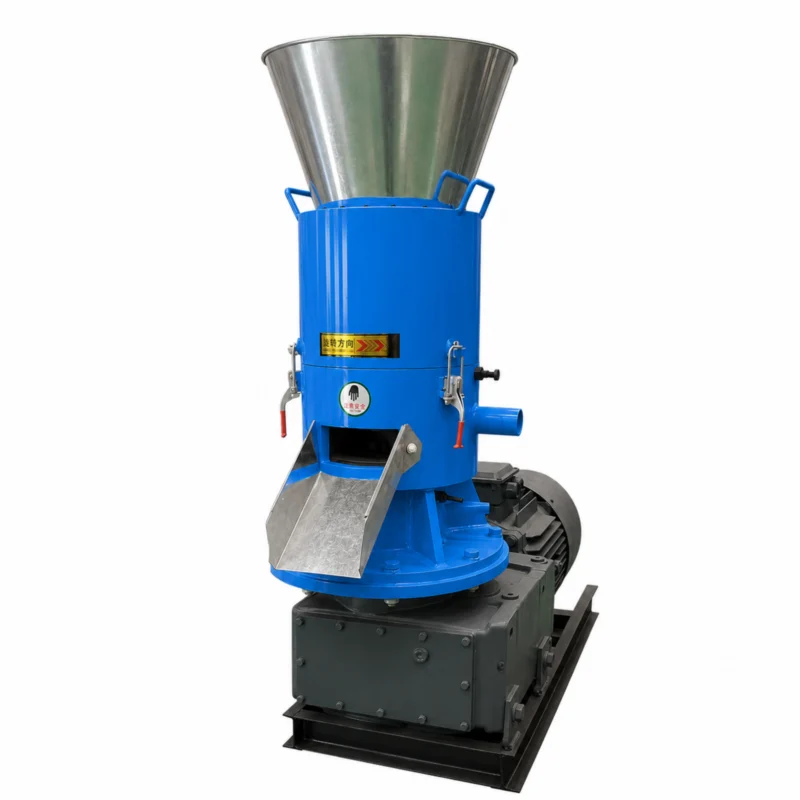
TCZL250 Cotton Boll Shell Pellet Machine
Main Motor: 15KW Capacity: 100-200kgs/h
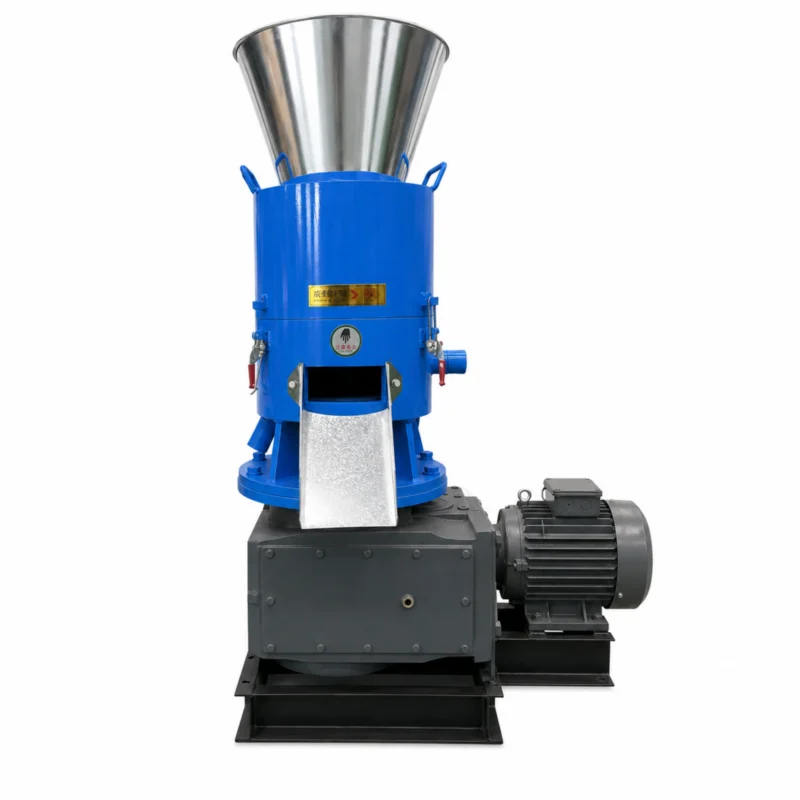
TCZL300 Cotton Stalk Pellet Mill
Main Motor: 22KW Capacity: 200-300kgs/h
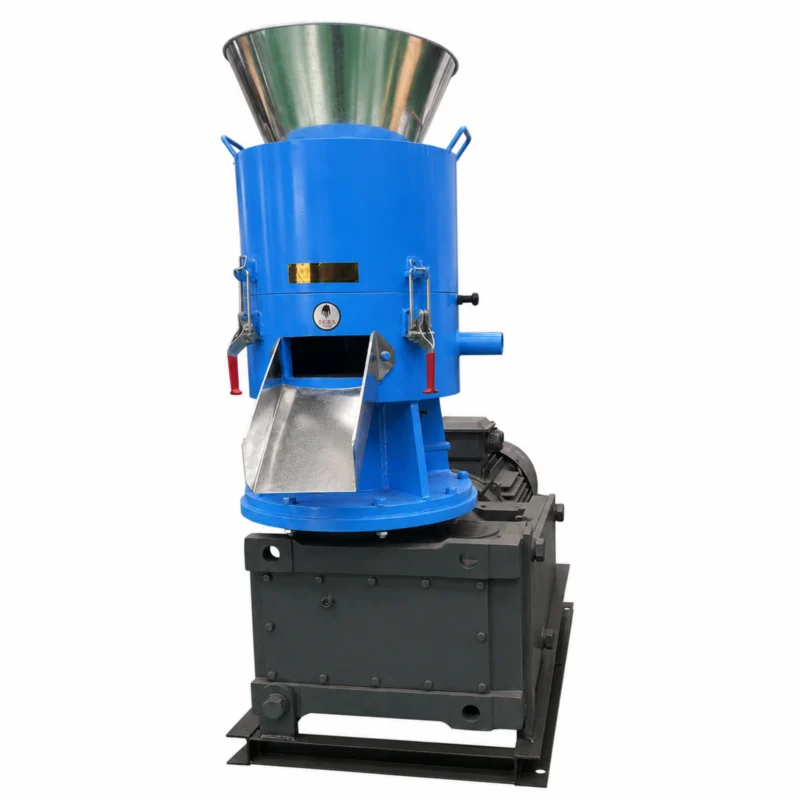
TCZL300/TCZL400 Cotton Waste Pellet Mill
Main Motor: 30KW/37KW/45KW Capacity: 300-700kgs/h
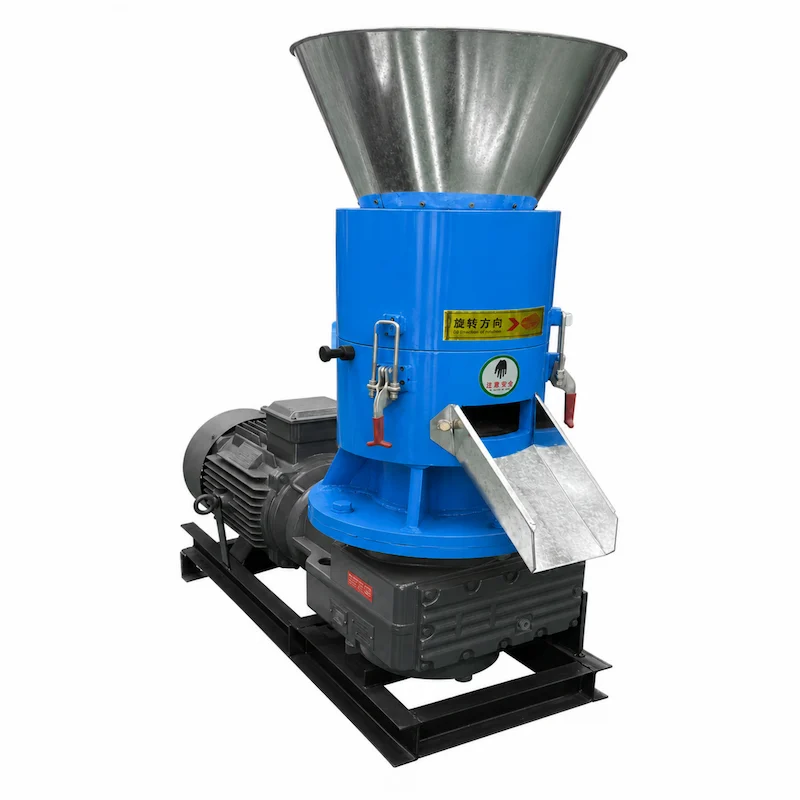
TCZL550/B Cotton Residues Pellet Machine
Main Motor: 55KW/75KW Capacity: 600-1,000kgs/h
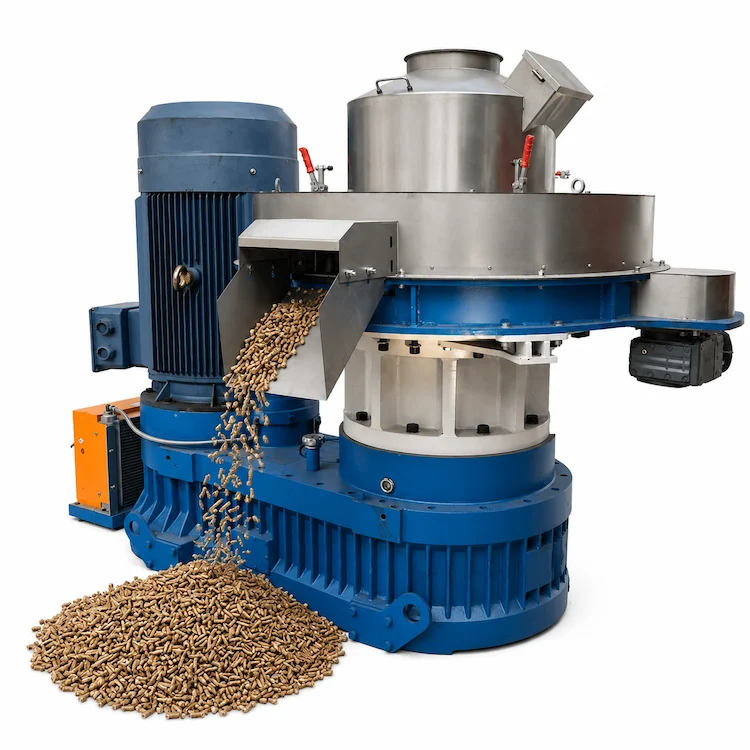
Cotton waste pellet mills mainly include two types based on their structure designed: flat die cotton stalk pellet mills and ring die cotton stalk pellet mills. You can choose the appropriate model based on the capacity you need and the investment budget to achieve efficient and stable cotton waste pellet production.
COTTON RESIDUE PELLET MACHINE TECHNICAL PARAMETERS
| MACHINE MODEL | MAIN MOTOR | CAPACITY | MACHINE TYPE | CONFIGURATION |
|---|---|---|---|---|
| TCZL300 | 22KW | 200-400KG/H | Flat Die | Main pellet machine, control panel,etc. |
| TCZL400 | 37KW | 300-500KG/H | Flat Die | Main pellet machine, control panel,etc. |
| TCZL450 | 55KW | 600-800KG/H | Flat Die | Main pellet machine, control panel,etc. |
| TCZL550 | 55KW | 800-1000KG/H | Flat Die | Main pellet machine, control panel,etc. |
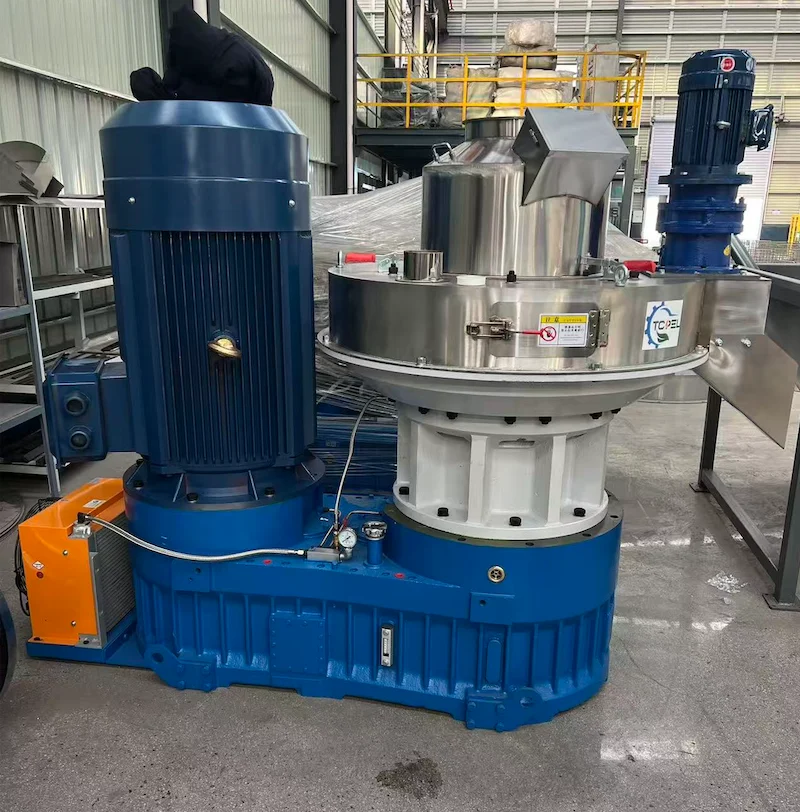
| TCZL560 | 90KW | 1000-1500KG/H | Vertical Ring Die | Main pellet machine, control panel,etc. |
| TCZL650 | 110KW | 1200-1400KG/H | Vertical Ring Die | Main pellet machine, control panel,etc. |
| TCZL560A | 132KW | 1500-2000KG/H | Vertical Ring Die | Main pellet machine, control panel,etc. |
| TCZL700 | 160KW | 2000-2500KG/H | Vertical Ring Die | Main pellet machine, control panel,etc. |
| TCZL850 | 220KW | 3000-3500KG/H | Vertical Ring Die | Main pellet machine, control panel,etc. |
| TCZL850A | 250KW | 3500KG/H | Vertical Ring Die | Main pellet machine, control panel,etc. |
| TCZL850B | 280KW | 4000KG/H | Vertical Ring Die | Main pellet machine, control panel,etc. |
HOW TO MAKE BIOMASS PELLET FROM COTTON STRAW?
Cotton stalks are loose, bulky agricultural wast, but it usually with stable lower moisture content. Compressing them into pellets not only increases their density and calorific value but also facilitates transportation and storage. The entire process mainly includes: pre-crushing, fine crushing, pelletizing, and cooling and packaging.
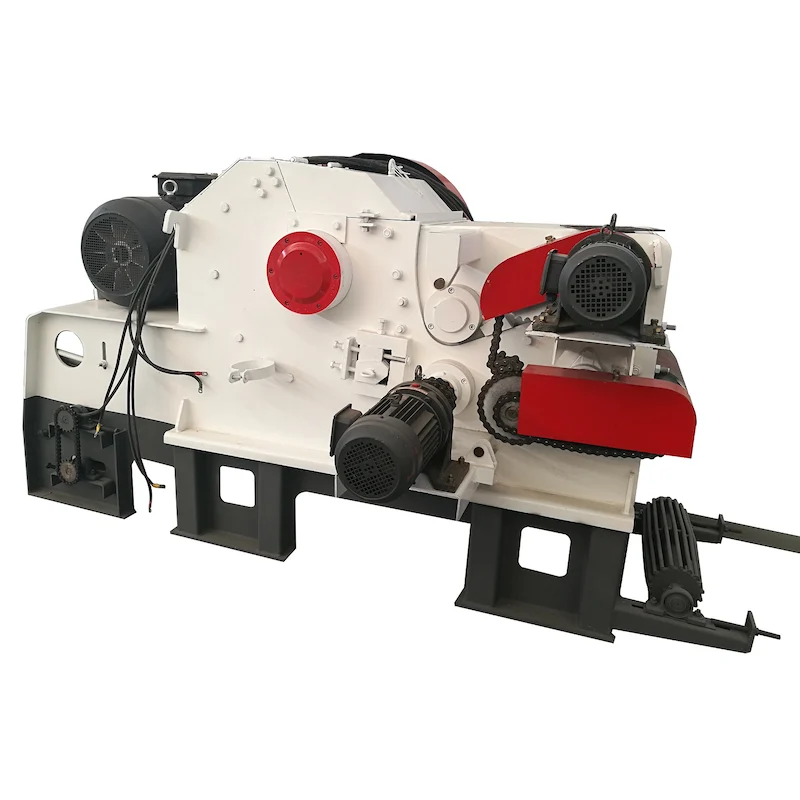
Step 1: Pre-crushing section – cotton stalk chipper
Cotton stalks are irregularly shaped and size are quite long, making them unsuitable for direct processing in a pellet mill. Therefore, they first need to be pre-treated using a cotton stalk chipper to cut the longer stalks into smaller chips of with 3-5cm. After pre-crushing, the raw material volume is significantly reduced, making transportation easier and improving the efficiency of subsequent fine crushing hammer mill. If the raw material contains stones, wires, or large dirt impurities, these should be removed beforehand to prevent equipment wear and blockage.
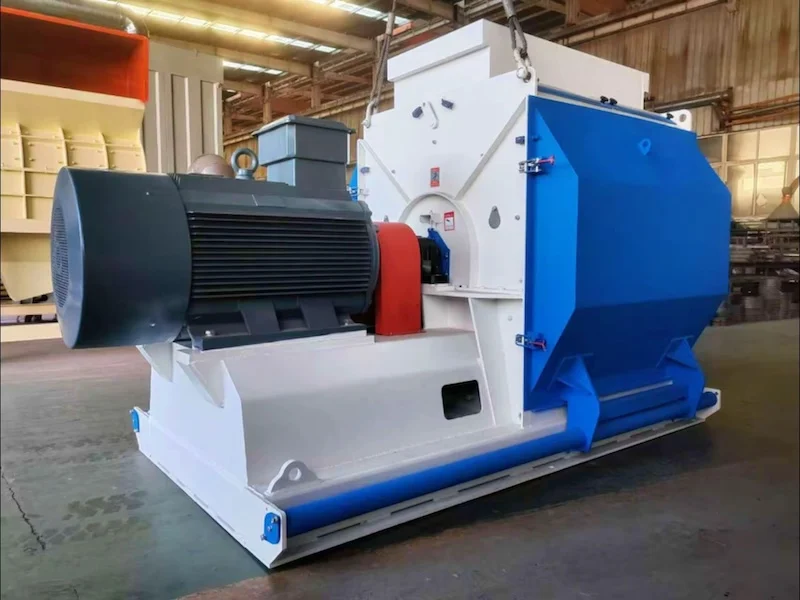
Step 2: Fine crushing section – biomass hammer mill
Even after pre-crushing, the cotton stalks are still relatively large and cannot be used directly by the pellet mill; further fine crushing is required. A biomass hammer mill is used to process the cotton stalks into powder smaller than 10 mm, resulting in more uniform size. Uniform powder size helps in pellet formation, increasing pellet density and pellet mill capacity. During this process, screening equipment can be used to remove the soil and impurities, especially the mud and sand carried at the roots of the cotton stalks. It is recommended to use a drum screen for screening to reduce die wear and improve pellet quality.
Step 3: Pellet making section – cotton waste pellet mill
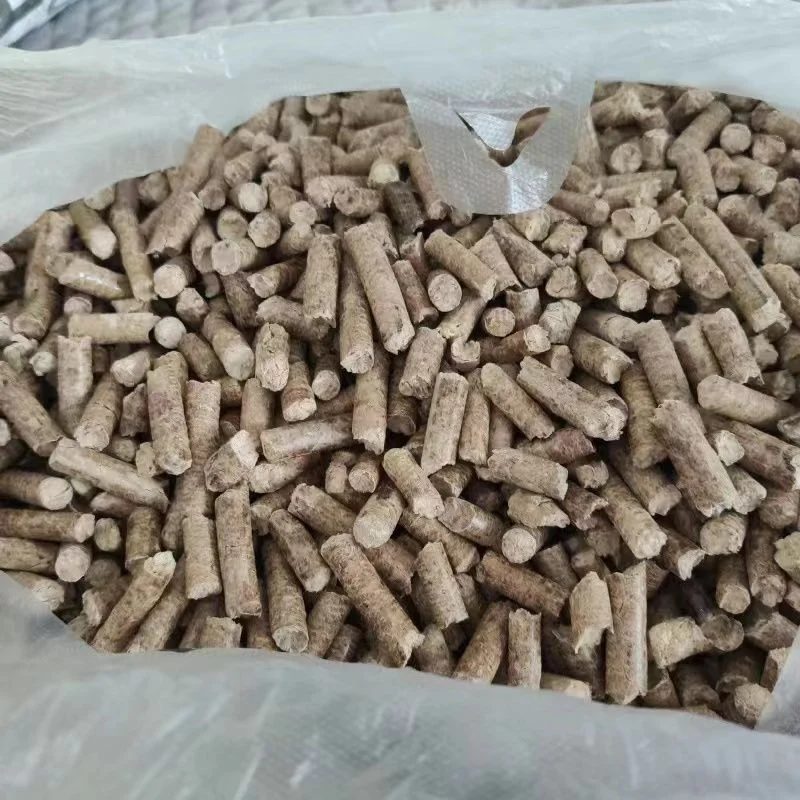
The crushed cotton stalks are then fed into a cotton waste pellet mill, which is the core machine of the entire pellet plant. The pellet mill utilizes the high pressure and frictional heat generated between the pressure rollers and the ring die (or flat die) to soften the lignin in the raw material that acts as a natural binder, thereby compressing the loose fibers into high-density pellets. To obtain high-quality pellets, the moisture content of the raw material typically needs to be controlled between 12% and 18%. The compressed cotton stalk pellets generally have a diameter of 6-10 mm, a smooth surface, high hardness, and are not easily broken, making them suitable for biomass boilers, power plants, and industrial heating applications.
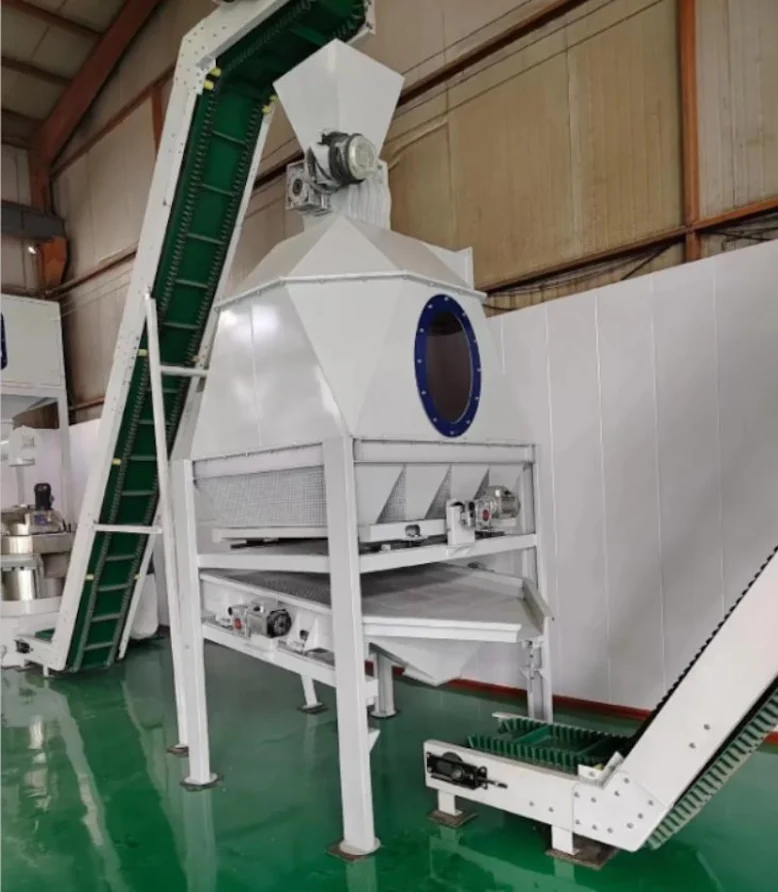
Step 4: Pellet cooling section – cotton pellets cooler
Freshly extruded cotton stalk pellets typically reach temperatures above 70°C and still contain heat and moisture. Direct stacking or packaging can easily lead to deformation, cracking, or even mold growth. Therefore, a counter-current cooler is needed to gradually lower the pellet temperature to ambient temperature and further reduce moisture content. After cooling, the pellets pass through a vibrating screen to remove powder before entering a packaging machine for weighing and sealing. Packaged cotton stalk pellets are easier to transport, sell, and store long-term, effectively enhancing product added value and market competitiveness.
COTTON STALK PELLET MILL TECHNICAL DETAILS VIDEOS
The video show a ring die type cotton stalk pellet mill. The equipment is equipped with an 8mm diameter ring die, the pellet mill main motor is 132KWh. The gearbox are four grade transmission so running more stable. Experimental results show that the pellet mill’s output is almost identical to that using traditional raw materials such as sawdust, and the pellets are uniform in size and high in density, fully verifying the high efficiency and applicability of cotton stalks as a biomass pellet feedstock.
WHY MAKE PELLETS FROM COTTON STALKS?
- Renewable Resource Utilization
Cotton stalks, cotton burrs and cotton boll shells are the large agricultural waste resource generated after cotton harvesting, with abundant and stable annual production. Pelletization can transform these previously underutilized stalks into high-value biomass fuel, realizing the resource utilization of agricultural waste, reducing resource waste, and promoting the development of a circular economy.
- Reduced Environmental Pollution
Many regions still use open-air dumping or direct burning of cotton stalks, which not only wastes resources but also generates large amounts of smoke and greenhouse gases. So many customer choose to press cotton stalks into pellet fuel can replace some fossil fuels as a clean energy source, which effectively reduces air pollution and carbon emissions, aligning with environmental protection policies.
- Low Production Costs, High Economic Value
Cotton stalks are easy to obtain, especially in major cotton-producing countries and areas where supply is abundant and transportation distances are short. After pelleting, the added value of the product is significantly increased, allowing it to be sold to biomass boiler users, power plants, or the animal bedding market, bringing considerable economic benefits to farms, cooperatives, and processing enterprises.
- High Calorific Value, High Combustion Efficiency
The compressed cotton stalk pellets have a higher density, resulting in more complete and stable combustion. Compared to untreated biomass straw, pellet fuel has a higher calorific value and a longer burning time, providing a stable and reliable energy supply for industrial boilers, heating systems, and biomass power generation equipment.
- Smaller storage space and more convenient transportation
Original cotton stalks are bulky and have low density, resulting in high transportation and storage costs. Compressing them into pellets reduces the volume by several times and significantly increases the bulk density, saving storage space and improving vehicle loading efficiency, thereby reducing transportation and logistics costs.
COTTON STALKS VS COTTON PELLET
| Characteristics | Cotton Stalk | Cotton Stalk Pellets |
|---|---|---|
| Bulk Density | 50-150 kg/m³ | 650-750 kg/m³ |
| Moisture Content | 15-25% | 9-10% |
| Calorific Value | 12–14 MJ/kg | 16–18 MJ/kg |
| Transportation Cost | High | Low |
| Storage Cost | High | Low |
ADVANTAGES OF TCPEL COTTON STALK PELLET MILL
- Full Range of Models to Meet Your Different Capacity Needs
We offer different cotton straw pellet mill models, ranging from small household to medium-to-large industrial applications, with capacities covering 80kgs/h–4,000 kg/h.
- High-Quality & Stable Running Performance
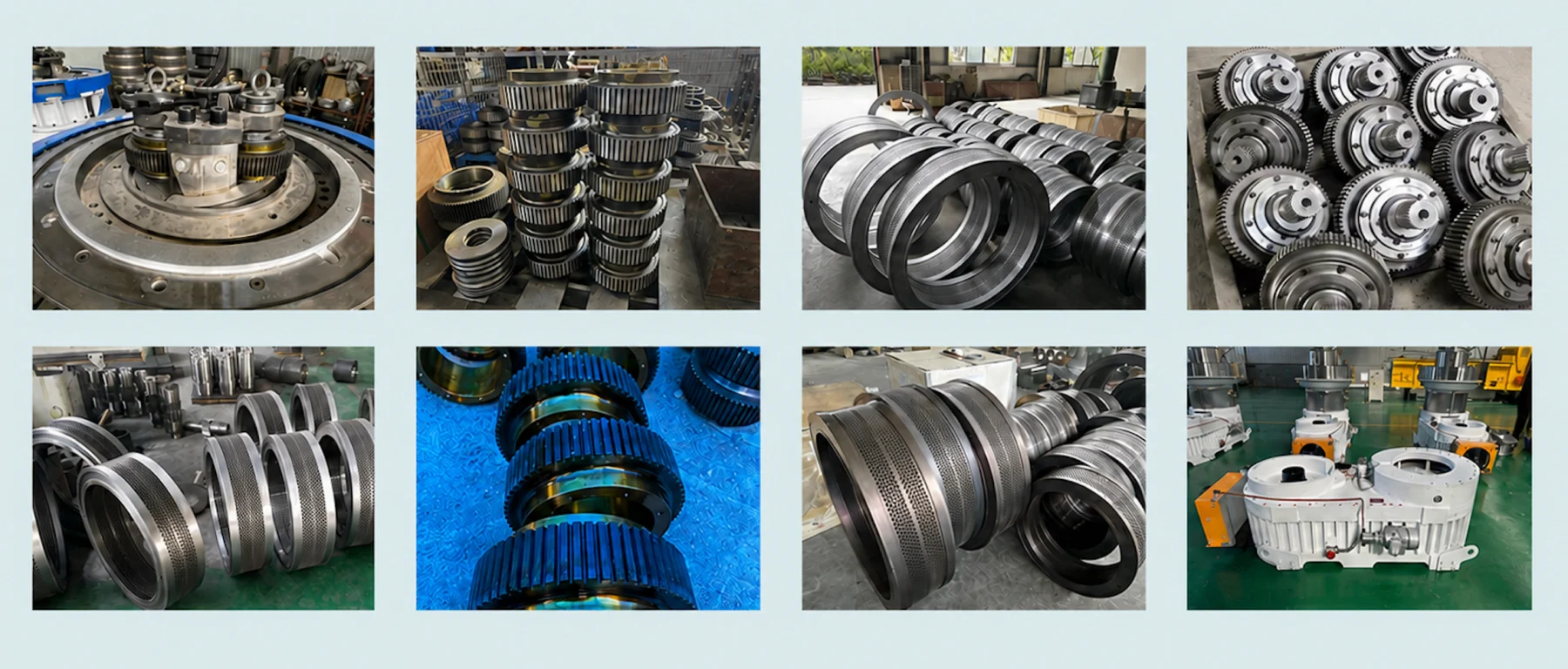
Our pellet mills utilize high-strength steel and high-quality forming die parts, undergoing wear-resistant treatment to ensure long-term continuous operation without wear or malfunction.
- We Are Riched In Biomass Raw Material Processing Experience
We excel not only in processing cotton stalks but also in processing various biomass raw materials such as rice straw, corn stalks, sawdust, and peanut shells. Extensive practical production experience means our equipment can adapt to different fiber lengths, moisture contents, and densities of raw materials, ensuring consistent pellet quality.
- Online Installation Guidance Saves Your Investment Costs
After purchasing the machines, we provide professional online installation guidance and commissioning services to help you get started quickly and avoid the cost of hiring on-site technicians.
- 24 hours Online After-Sales Support at All Times
Our technical team is online 24/7, providing customers with remote fault diagnosis, operation guidance, and maintenance suggestions to ensure continuous and efficient operation of the production line.
- High Configuration and Make Sure High Production Efficiency
Our cotton straw pellet mill is designed with high output and high efficiency in mind, employing a reasonable power matching and underground automatic feeding system to ensure continuous raw material feeding and uniform pellet formation. The overall equipment operates smoothly, with high output per unit time, significantly reducing labor costs and improving production efficiency.
TCPEL - YOUR PROFESSIONAL COTTON STALK PELLET MILL MANUFACTURER
TCPEL is a professional manufacturer specializing in biomass pellet production line equipment, boasting over 20 years of experience in design, R&D, and production. We can provide customized biomass pellet production solutions based on different raw materials, ensuring that the equipment is highly matched to the actual needs of our clients. Our core strength lies in our 24-hour online after-sales service, always prioritizing customer needs and adhering to the principle of customer satisfaction first. This customer-centric philosophy has earned us an extremely high customer referral rate and a strong industry reputation.
FREQUENTLY ASKED QUESTIONS
Will your cotton stalk pellet mill only process cotton stalks?
The cotton stalk pellet mill is not only suitable for cotton stalks, cotton boll hulls, and cotton waste, but can also process various biomass raw materials such as corn stalks, wheat stalks, rice stalks, peanut shells, sunflower seed shells, wood chips, and sawdust. We will configure appropriate equipment parameters according to the fiber characteristics, moisture content, and output requirements of the customer’s raw materials to ensure optimal pellet forming effect and production efficiency.
What is the cotton stalk pellet machine price?
The price of the cotton stalk pellet mill is depend on different models, capacity requirements, level of automation, and production line configuration. The investment budget for a pellet machine and a complete production line differs significantly. Therefore, we typically provide a detailed quote based on the customer’s raw material situation and production capacity needs.
Do you provide cotton stalk chipper?
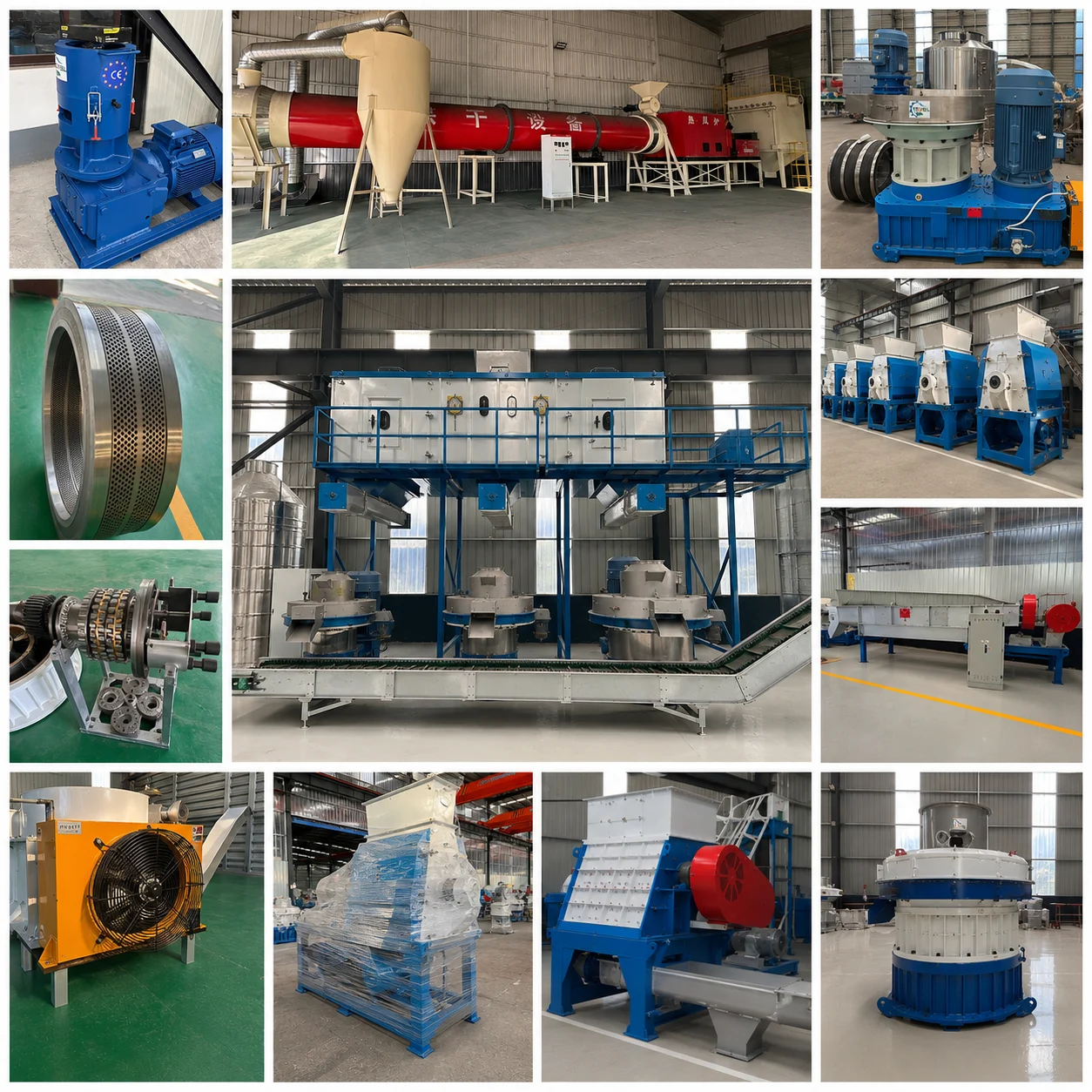
Yes. In addition to cotton stalk pellet mills, we also provide a full range of supporting equipment, including chippers, shredders, crushers, dryers, coolers, and packaging machines. Whether customers need a single piece of equipment or a complete cotton stalk pellet production line, TCPEL can provide a one-stop solution to realize the entire production process from raw material processing to finished product packaging.
FREQUENTLY BOUGHT TOGETHER

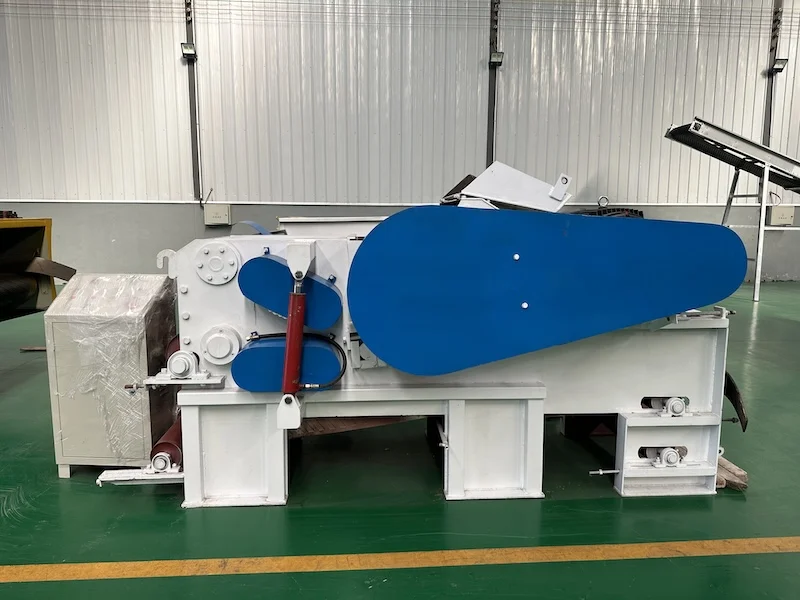
Drum Chipper Machine
Heavy duty design, suitable for cotton stalk pre-crushing production.
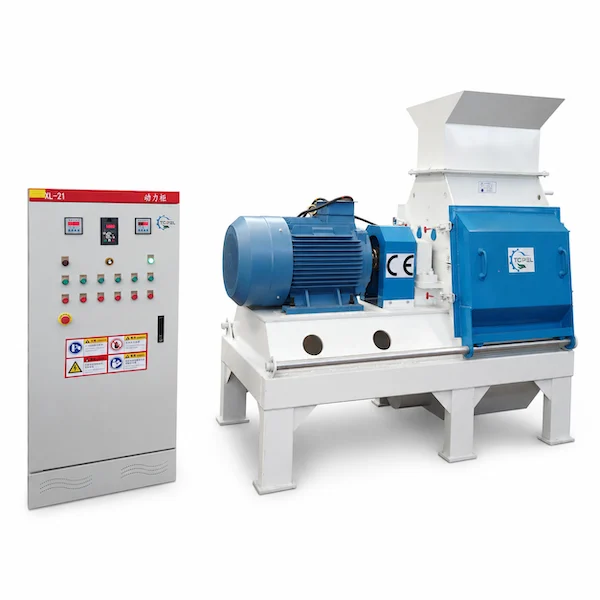
Cotton Waste Hammer Mill
Cotton waste crusher is designed for fine crushing section.
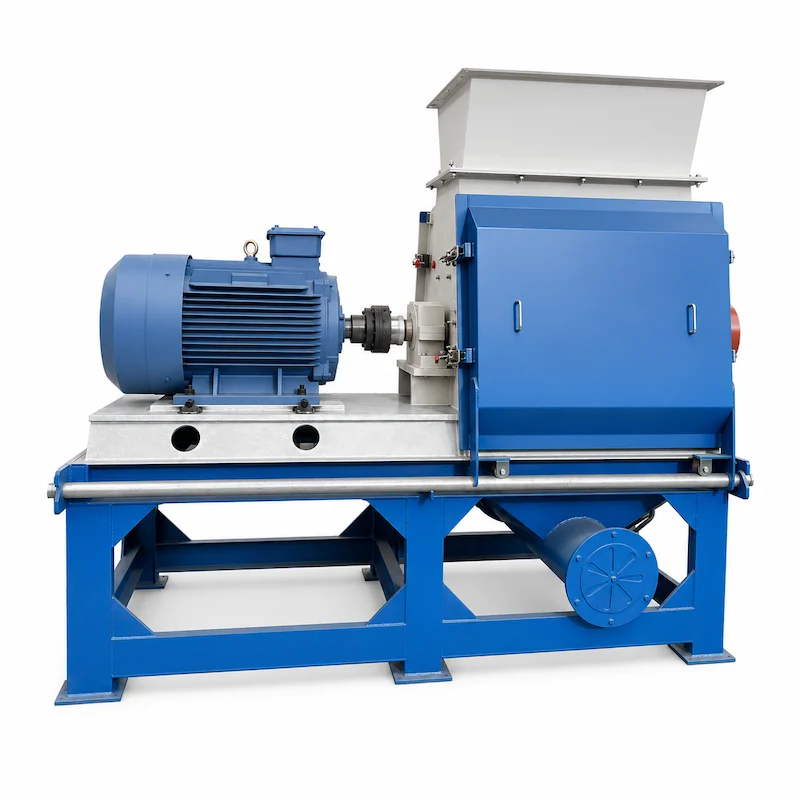
Heavy Duty Hammer Mill
Heavy-duty hammer mill are suitable for pellet production lines with high output.

Get Cotton Stalk Pellet Mills Solution
We have focused on the research and development of biomass pellet plant for over twenty years, always pursuing excellence and paying attention to every detail and quality. Choosing us will not disappoint you.
- Quick reply within 2 hours
- Provide the best proposal within 24 hours.
- Free test run service for special raw materials
- Detailed case analysis after get your inuiry