WOOD PELLET PLANT

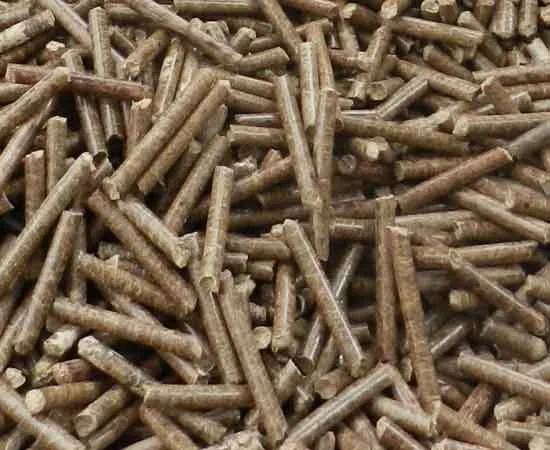
Wood pellet plant can crush and dry various biomass waste materials and press them into high-density and high-calorific value 6-10mm diameter fuel pellets, reducing carbon emissions and alleviating the energy crisis. Therefore, they are very popular in Indonesia, India, Europe and other countries.

TCPEL Wood Pellet Plant
wood pellet plant

WOOD PELLET PLANT FOR SALE

Low energy consumption, high output, and a professional after-sales team to support you in maintaining the lowest failure rate and continuous 24-hour operation.

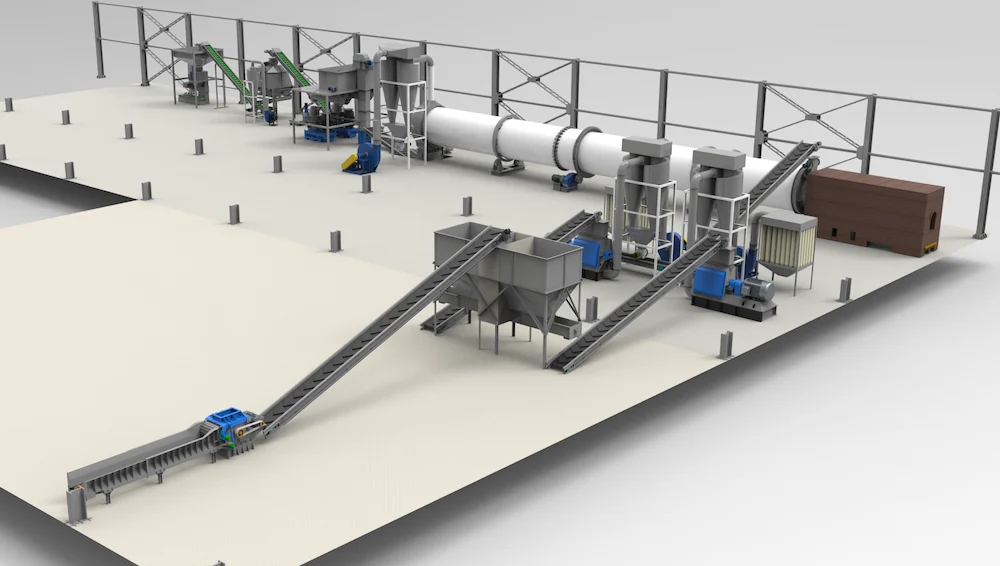
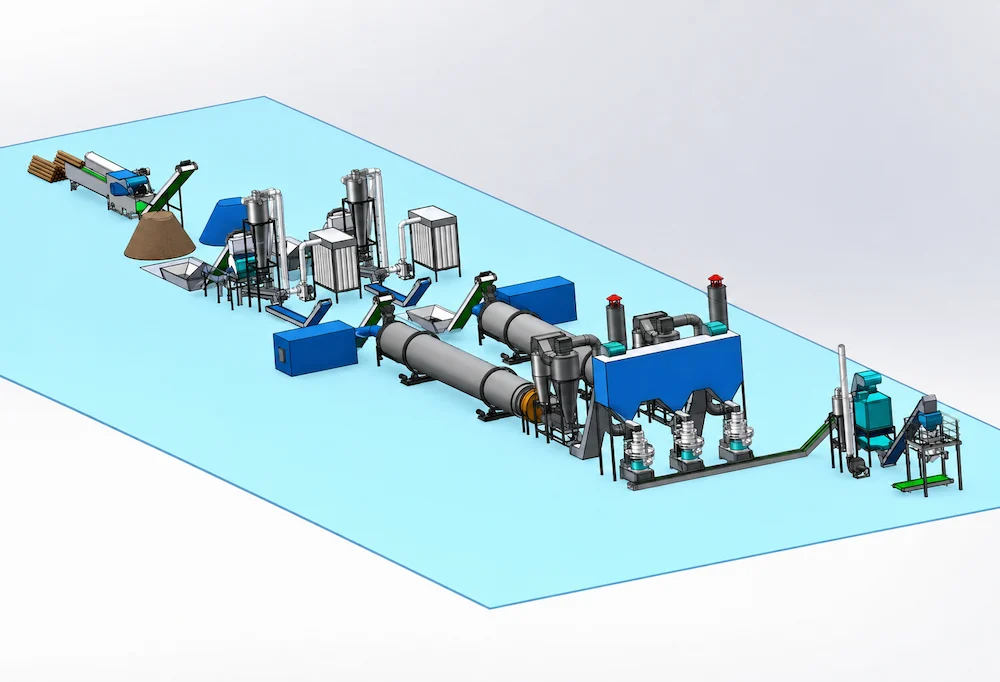
The wood pellet plant is also called the wood pellet production line; it is not a single set of equipment, but a complete line composed of different wood pellet production machines. The wood pellet plant is usually designed according to your raw material’s original size, moisture content, and required capacity. It includes a wood chipper, wood hammer mill, sawdust dryer, wood pellet machine, wood pellet cooler, wood pellet packaging machine, etc.

TCPEL Wood Pellet Plant

WOOD PELLET PLANT TYPES AND SOLUTIONS
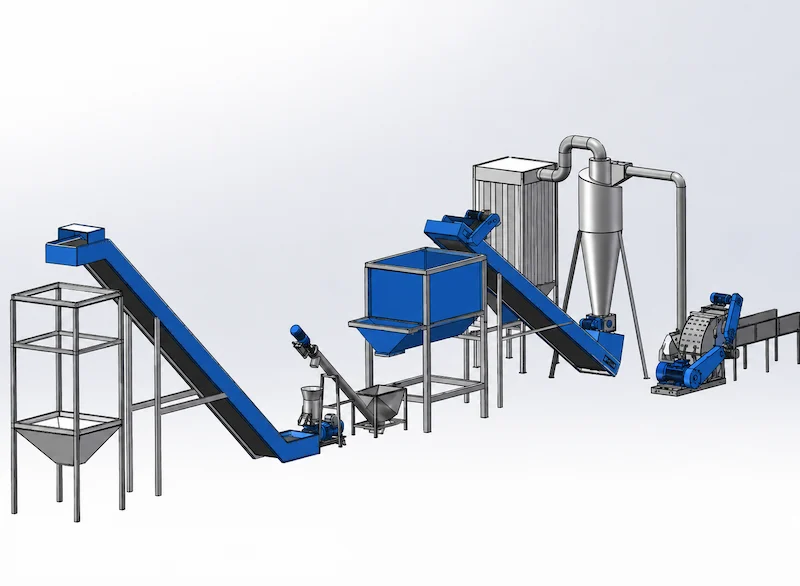
The wood pellet plants needs to be designed according to your raw material and output requirements. Common output requirements include 500 kg/hour, 800-1000 kg/hour, 1.5-2 tons/hour, 3-4 tons/hour, 4-5 tons/hour, 6-8 tons/hour, 9-10 tons/hour, and 15-20 tons/hour. If you are a beginner with a limited investment budget, it is recommended that you choose 1.5-2 tons/hour. This is mainly because, considering the return on investment and the time cycle, a wood pellet production line that is too small will not generate good profits.

TCPEL Wood Pellet Plant

small wood pellet plant

The small pellet plant capacity is 200-1,000 kgs/h, but it is recommended to use dry sawdust or wood chips, as dryers are not recommended.
TCPEL Wood Pellet Plant

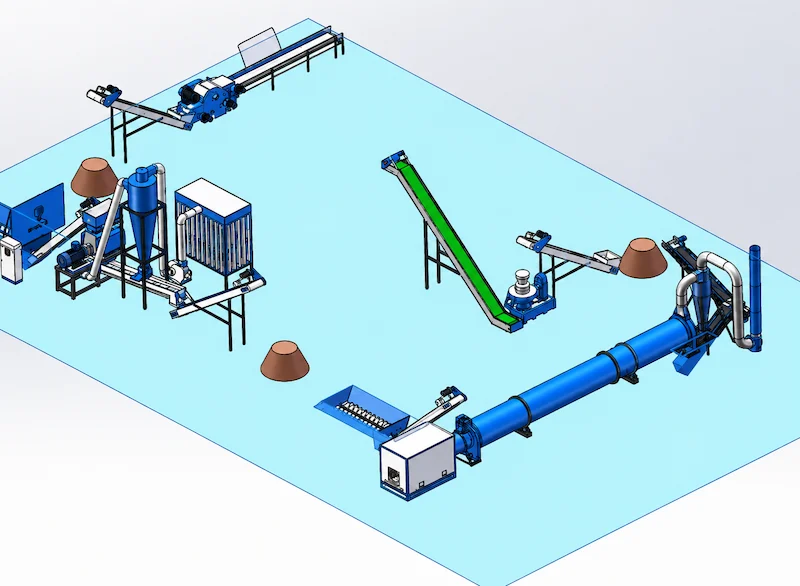
1-2t/h wood pellet plant

Wood pellet plant with capacity of 1-2 tons/hour can be equipped with an integrated crusher, sawdust dryer, and a TCZL560 pellet mill.
TCPEL Wood Pellet Plant

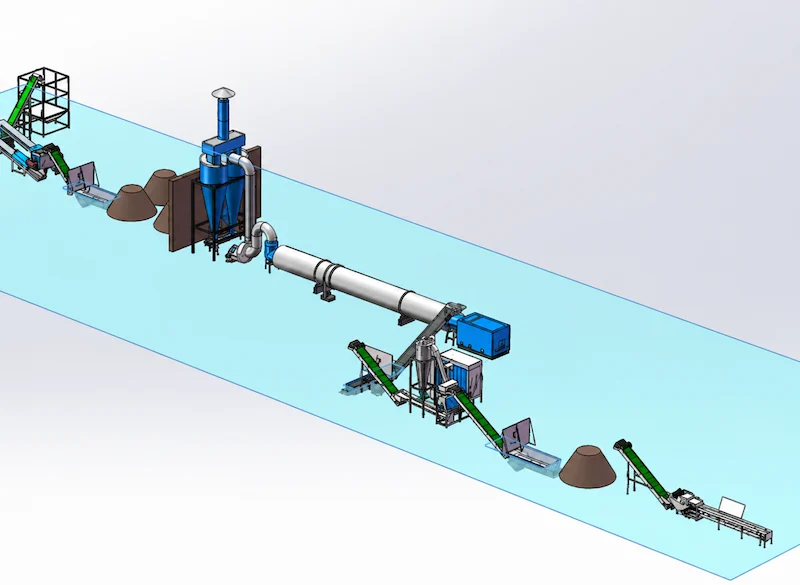
3-5tons/h wood pellet plant

Such wood pellet production lines are typically equipped with two 132KW or 160KW wood pellet mills for easier maintenance.
TCPEL Wood Pellet Plant

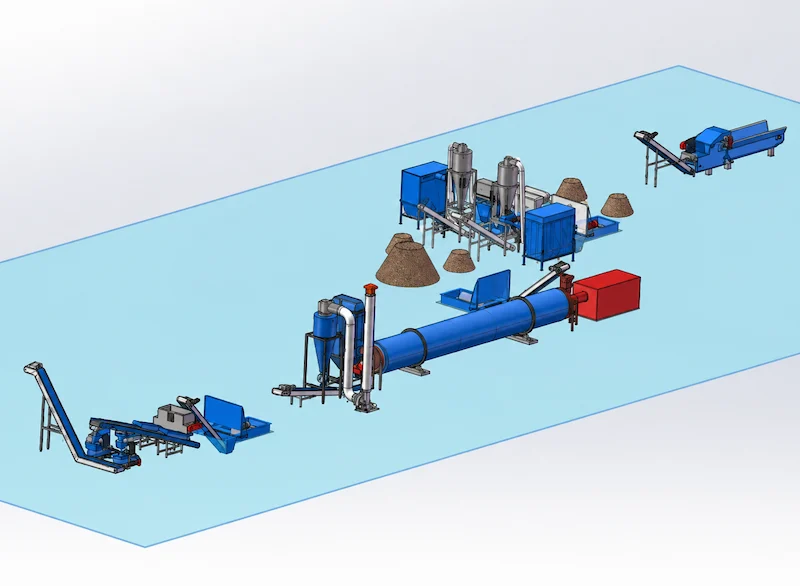
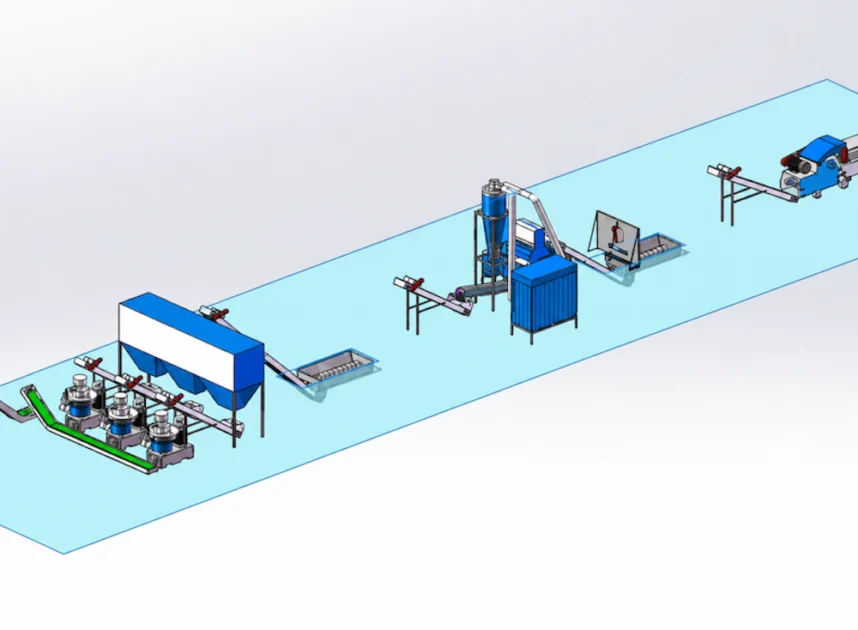
6-8t/h wood pellet production line

This production capacity requires two 250 kW wood pellet mills, each with a capacity of 3-4 tons per hour.
TCPEL Wood Pellet Plant

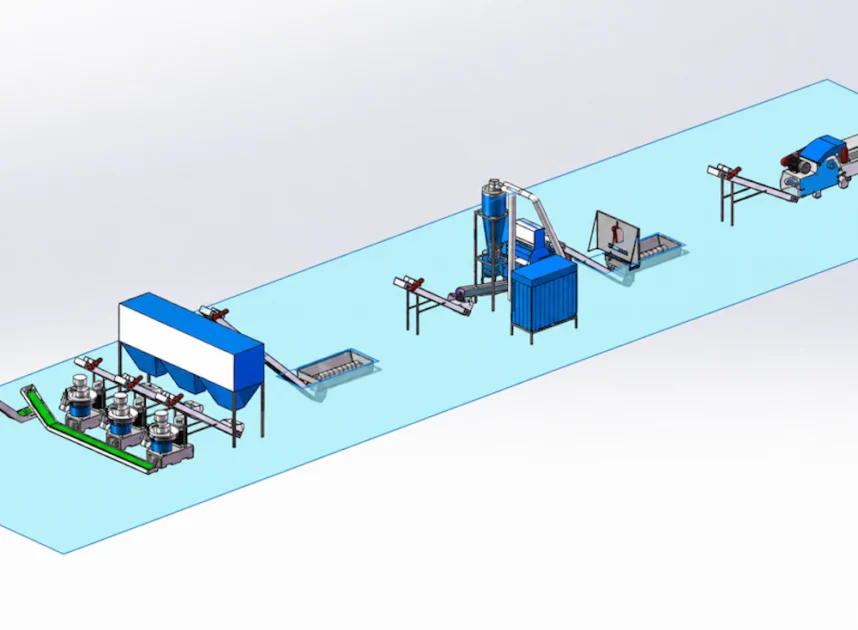
10t/h wood pellet production line

This plant capacity requires three sets of 280 kW industrial wood pellet machines, each with a capacity of 3.5-4 tons per hour, heavy-duty machines are recommended.
TCPEL Wood Pellet Plant

15-20ton/h wood pellet plant

For this type of large-scale wood pellet production line, customized production is required based on your raw materials and factory

TCPEL WHAT-RAW-MATERIAL-CAN-BE-TRANSFERED-TO-FUEL-PELLETS

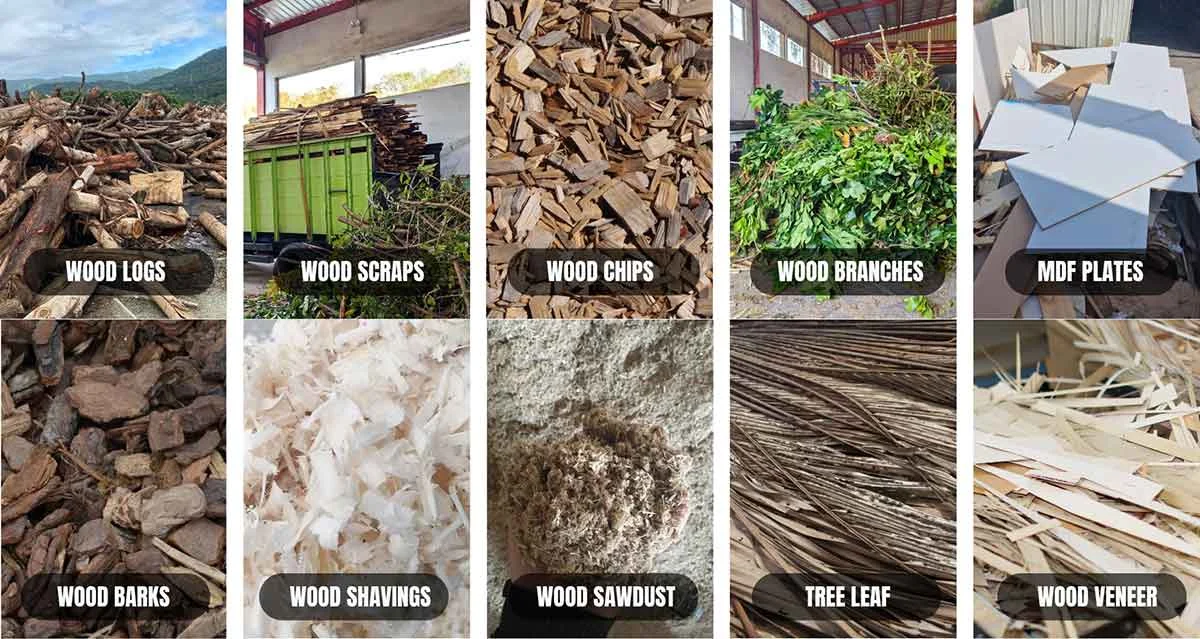
WHICH KIND OF WOOD WASTE CAN BE PRESSED INTO WOOD PELLET?
TCPEL different-wood-waste-can-be-pressed-into-wood-pellets

Commonly used wood waste raw materials include waste wood, wood chips, branches, bark, tree roots, leaves, and various other forest waste. While most customers typically have limited choices and can only select materials from locally available sources, we have listed them in order of priority for your reference:

TCPEL WPP03

Furniture/Wood Processing Waste

  • Hardwood sawdust (oak, beech, ash, eucalyptus, etc.): High calorific value, but contains a large amount of free silica; therefore, regular testing of ring die abrasion rate is recommended.
  • Softwood sawdust (pine, fir, poplar) and shavings: High lignin content; the molecular structure softens at 100-120℃, making it the raw material with the lowest molding pressure, but its calorific value is slightly lower than that of hardwoods.

TCPEL WPP04

Construction and Packaging Waste Wood

  • Waste wooden pallets (only wood pallets without heat treatment label HT or fumigation label MB): After crushing, nails (iron nails will clog and damage the ring die) and gravel (accelerate die hole wear) need to be removed by magnetic separator. Ideal size ≤ 10mm
  • Veneer Waste: This type of wood waste is free of impurities, has a high calorific value, and causes low die wear. After crushing and drying, it is a high-quality wood raw material.

TCPEL WPP05

Wood Branches and Twigs

  • After chipping and crushing, the fiber length-to-width ratio can reach over 40:1, suitable for producing high-durability pellets. Due to the high bark content, the pellets may coke and slag during combustion. It is recommended to blend 20%-30% softwood sawdust to reduce the bark content.
TCPEL wood-pellet-plant-flowchart

HOW TO MAKE WOOD PELLETS? THE PELLETIZATION PROCESS

TCPEL WHAT-MACHINES-ARE-INCLUDED-IN-WOOD-PELLET-PLANT
wood pellet plant diagram

Producing wood pellets requires specialized processes for solid biofuel production. The core principle is to use high temperature and pressure to plasticize the lignin in the wood chips, binding the loose wood sawdust into high-density biofuel pellets. This mainly includes raw material pretreatment, pellet making, pellet cooling, and pellet packaging. We will share each process in detail and the factors to pay attention to.

TCPEL Wood Pellet Plant

WOOD WASTE PRETREATMENT

The pretreatment of raw materials is the most complex part. It requires comprehensive consideration of various factors such as the initial size of the raw materials, moisture content, wood hardness, and whether they contain impurities. For a wood pellet mill to operate efficiently and stably, it generally needs to meet three conditions: the size of the wood chips should be within 10 mm (to ensure smooth feeding), the moisture content should be around 15% (to ensure that the lignin in the wood chip raw materials is fully released), and the pellet mill die should have a suitable compression ratio (to ensure that the machine does not clog during operation and that there is no excessive die wear).
TCPEL Wood Pellet Plant

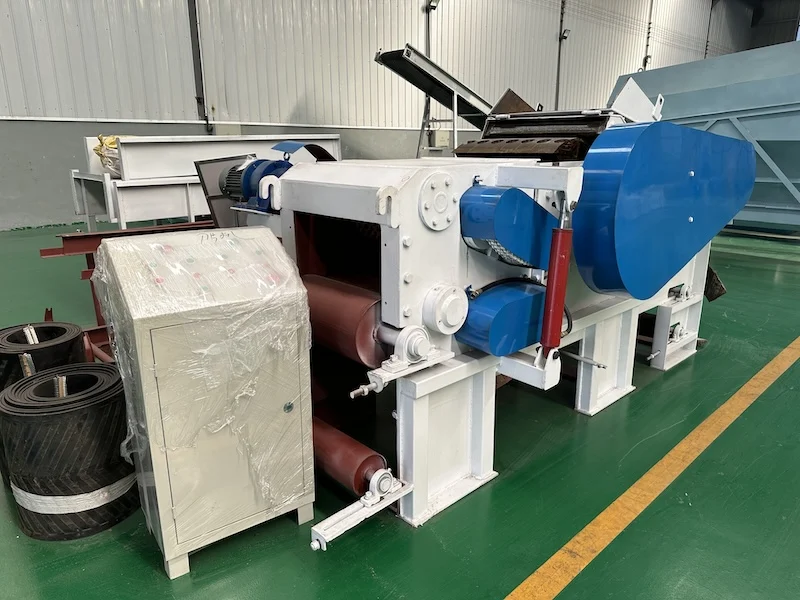
Wood Chipper

Wood chipper is a preliminary crushing machine, mainly used for chipping the wood logs, wood branches, veneers etc. The wood chipping machine has a very high efficiency, and it’s capacity is several times of the shredder’s capacity. Therefore, it is widely used in wood pellet production lines. In addition to crushing wood, it can also crush agriculture waste, for example, cotton straw, crop straw etc.

TCPEL Wood Pellet Plant

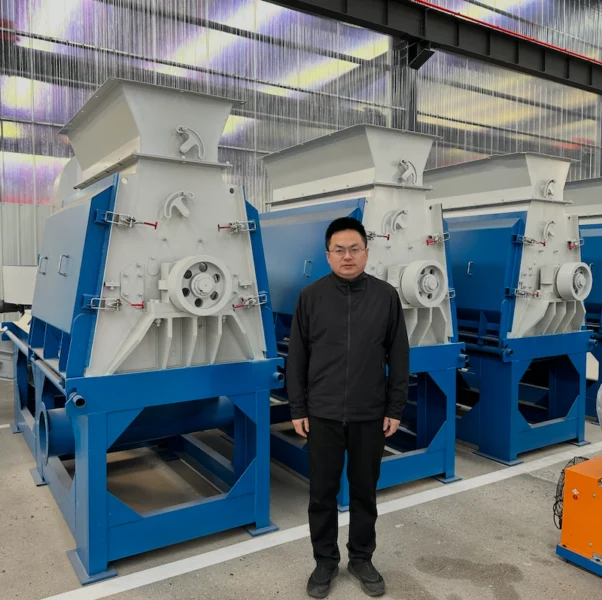
Wood Hammer Mill

Wood crusher is a high-speed fine crushing machine, mainly used to crush biomass raw materials with a size of less than 50 mm to a size of less than 10 mm. Its speed is extremely high, reaching 2950RPM. Crushing high-humidity materials, especially high-humidity materials with very soft fibers, is a challenge for the design of the crusher. We have solved this hard problem of crushing high-humidity materials in the biomass pellet production line.

TCPEL Rotary-Sawdust-Dryer

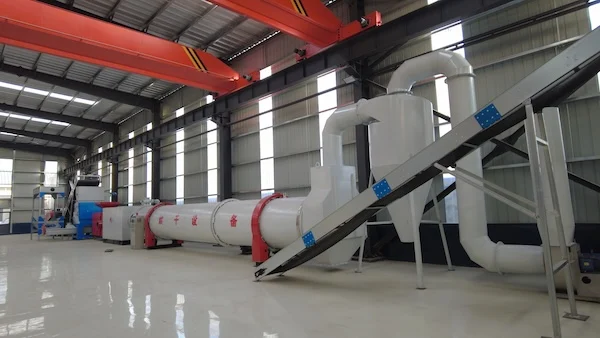
Rotary Sawdust Dryer

Wood roatry sawdust dryers are not widely used in small wood pellet plant (especially in line of capacity lower than 1000kgs/h ), it mainly because of their high cost, large space needed. However, in large wood pellet production lines with an output of more than 5 tons/hour, the rotary dryers are used a lot. This is mainly because the moisture content of raw material is very high, and natural drying under sun is not workable.

TCPEL Wood Pellet Plant

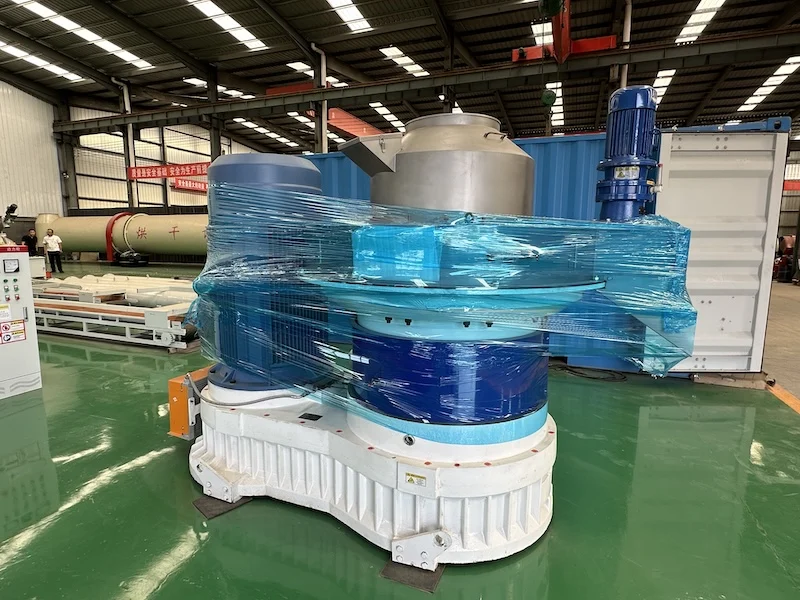
Wood Pellet Mill

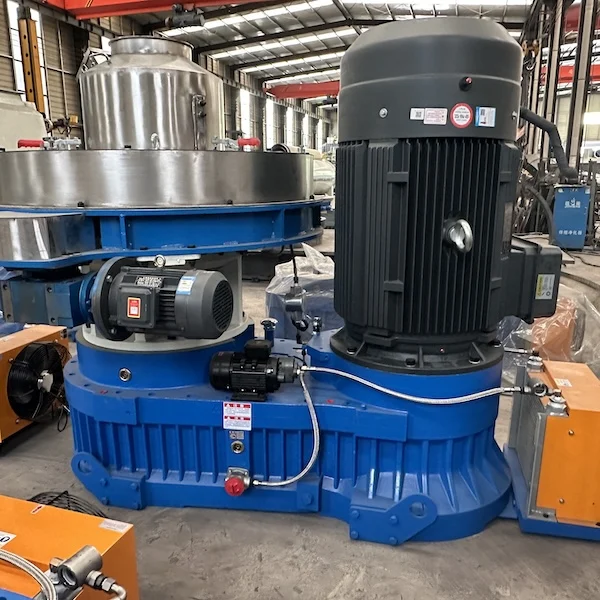
The wood pellet machine is the crucial part in the wood pellet production line. After more than 20 years of development and improvement, the wood pellet mill has become a very mature industrial equipment. However, because it is very sensitive to the wood fiber hardness and moisture content, it needs the wood pellet machine manufacturer with riching experience. Experience can help customers avoid risks when design the plant.

TCPEL WPP08

PELLET PRESSING PROCESS

After being cleaned or pulverized, the wood flour is dried and then fed into a vertical ring die pellet mill by an automatic feeder. Current pelleting technology has achieved extremely low failure rates for critical components such as heavy-duty reducers and bearings. However, for efficient pellet production, the selection of pellet mill dies requires extensive experience and technical support from the factory, as different types of wood chips require different die compression ratios. Incorrect die selection can lead to high energy consumption, low output, high failure rates (such as frequent blockages), or short machine lifespan.

TCPEL Wood Pellet Plant

Wood Pellet Mill

The wood pellet machine is the crucial part in the wood pellet production line. After more than 20 years of development and improvement, the wood pellet mill has become a very mature industrial equipment. However, because it is very sensitive to the wood fiber hardness and moisture content, it needs the wood pellet machine manufacturer with riching experience. Experience can help customers avoid risks when design the plant.

TCPEL Wood Pellet Plant

WOOD PELLET COOLING AND PACKING PROCESS

The pretreatment of raw materials is the most complex part. It requires comprehensive consideration of various factors such as the initial size of the raw materials, moisture content, wood hardness, and whether they contain impurities. For a wood pellet mill to operate efficiently and stably, it generally needs to meet three conditions: the size of the wood chips should be within 10 mm (to ensure smooth feeding), the moisture content should be around 15% (to ensure that the lignin in the wood chip raw materials is fully released), and the pellet mill die should have a suitable compression ratio (to ensure that the machine does not clog during operation and that there is no excessive die wear).
TCPEL Wood Pellet Plant

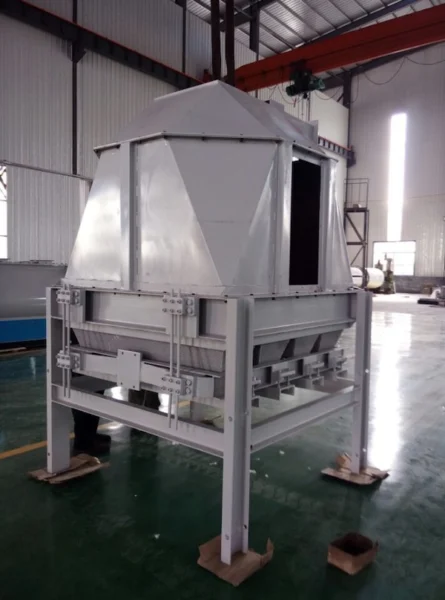
Wood Pellet Cooler

The wood pellet cooler adopts a counter-flow design, which can quickly reduce the temperature of wood pellet to close to room temperature for direct packaging. However, wood pellet coolers are not commonly used in many large wood pellet plant because these pellets are mainly supplied to industrial boilers and no need packaged in small bags. In actual production, customers may choose to build cooling silos for saving cost (we could provide customers free silo drawings).

TCPEL Wood-Pellet-Packing-Machine

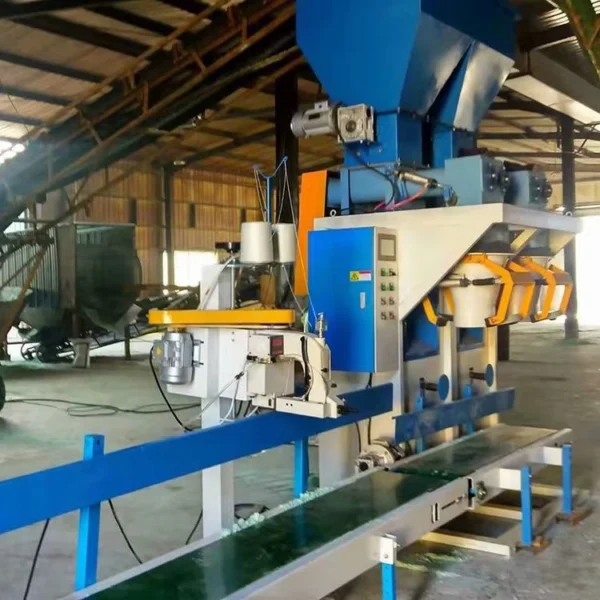
Wood Pellet Packing Machine

Wood pellet packaging machines are mainly used to pack pellets into 10-50 kg bags. There’re two types of wood pellet machine: fully automatic pellet packing machine and semi-automatic type. Semi-automatic pellet packaging machines are common in the market, which require manual bagging. This is mainly because the cost of fully automatic packaging machines is high and they are only suitable for developed countries with relatively high labor costs.

TCPEL Wood Pellet Plant

WOOD PELLET PLANT CONFIGURATION

Capacity wood chipper wood hammer mill sawdust dryer biomass wood pellet machine
200-1,000kgs/h SC420/SC500 65-27 model / Flat die pellet machine
1-2t/h 214/215/216 model 6555/6575 model 1500/1600 model TCZL560 ring die pellet machine
3-5t/h 215/216 model 651000/651300 model 1800/2000 model TCZL700 ring die pellet machine
6-8t/h 218 model 1000-1600 model 2000/2200 model TCZL850 ring die pellet mills
10ton/h 2110 model 1300-1600 model 2200 model
15-20t/h 2113 model 1500-1600 model 2200 model

The machine models listed above are for reference only. When actually selecting a machine, various factors such as raw material size, moisture content, and wood hardness must be considered. Considering only one factor may result in mismatched output, causing the production line to be unable to operate continuously and stably.

TCPEL wood-crusher-factory

BIOMASS WOOD PELLET PLANT PROJECT CASE

3-4T/H Wood Pellet Plant In Indonesia

  • Capacity:1.5-2T/H for complete pellet production line.
  • Including: wood pellet mill, rotary screen, conveyor system,ect.
  • Raw material: wood sawdust, wood chips.
  • Location: Indonesia
  • Voltage & Frequency:380V, 50HZ

6-8T/H Wood Pellet Plant in Africa

  • Capacity:6-8T/H wood pellet production line.
  • Including: wood chipper, hammer mill, rotary dryer, wood pellet mill, conveyor system,ect.
  • Raw material: Wood sawdust, rice husk,
  • Location: Africa
  • Voltage & Frequency:380V, 50HZ

These are two wood pellet plant customer case in different countries. If you also want to convert waste wood into fuel wood pellets, you can send us photos of your raw materials and tell us the amount of raw materials you can collect each month. We can help you plan a detailed wood pellet plant solution within 1-2 days. Please feel free to contact us.

WOOD PELLETS VS COAL

Many people may wonder, given the already low coal prices here, why use wood pellets? Below is a comparison of wood pellets and coal from multiple perspectives to help you understand the differences more clearly.

1. Environmental Friendliness (Biggest Advantage)

Wood Pellets: Net zero carbon emissions; virtually no sulfur (SO₂ emission reduction of 90%+); high-quality wood pellets have only 0.3%-1.5% ash.

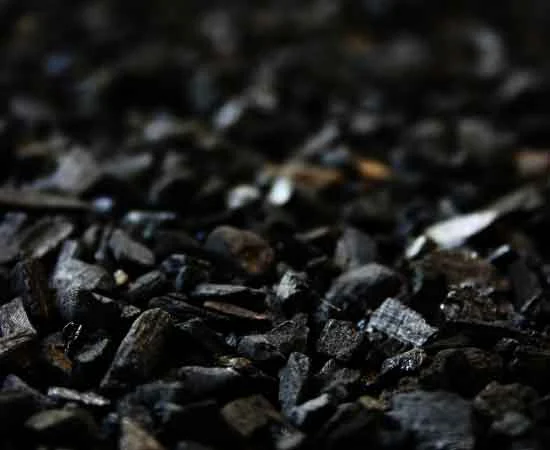
Coal: High carbon emissions; high sulfur content (requires desulfurization equipment); ash content reaches 10%-25%.

2. Combustion Characteristics

Wood Pellets: Quick ignition (250-300℃), flexible adjustment, virtually no slagging (except for wood pellets with very high bark content).

Coal: Slow ignition (400-600℃), difficult to shut down, prone to coking.

3. Operation and Maintenance Costs

Wood Pellets: No need for desulfurization and denitrification equipment, less ash (can be used as fertilizer). Therefore, the investment cost is lower.

Coal: Requires expensive desulfurization/dust removal systems; ash and slag treatment costs are high. Investment and operating costs are even higher.

TCPEL Wood Pellet Plant
wood pellets
TCPEL Wood Pellet Plant
coal

In short: Wood pellets win in terms of “environmentally friendly, zero carbon, and easy operation,” but the cost is higher; coal wins in terms of “high calorific value and stable supply,” but faces greater carbon emission pressure.

TCPEL FREQUENTLY-ASKED-QUESTIONS

WHAT FACTORS SHOULD BE CONSIDERED WHEN INVEST A WOOD PELLET PLANT?

Wood pellet production lines need to be customized according to your raw materials, so this requires long-term and hard communication. The following are several aspects that need to be considered when investing in a sawdust pellet production line.

  1. The wood types and stable supply. This is an extremely critical consideration, especially in some mature markets such as Europe, Indonesia, India and some other countries. Only when the raw materials have cost advantages, the project’s continued profitability can be guaranteed.
  2. The pellet processing cost of your raw materials. Maximizing the reduction of raw material processing costs is the basis for us to design a fuel pellet line, especially for production lines with an output of less than 2 tons/h. Reducing processing costs is to create profits for customers.
  3. The price of local raw materials and alternative raw materials, which is also a key factor that needs to be considered in the early stage, because when the price of alternative raw materials is very low, it will be a challenge when the pellets are pushed to the market in the later stage.
  4. Professional and trustworthy wood pellet production line manufacturer. The production and profitability of wood pellets are not as simple as it seems, especially in the first three months of trial operation, which requires 24-hour online support from professional suppliers, so choosing a professional supplier is very critical. Contact us for more info anytime.

TCPEL frequently-asked-questions

FREQUENTLY ASKED QUESTIONS

What is the wood pellet plant cost?

The wood pellet plant investment cost depends on your raw material, including the pretreatment machines need, capacity you need etc, we usually suggest you start from small, and extend the plant after you’ve developed the market. The smallest wood pellet production line price is around 6,000-10,000USD based on actual, only including small hammer mill and small wood pellet mill.

We have no movable wood pellet plant, and it’s also not practical to design a wood pellet plant on a big movable platform, especially when the pellet line capacity more than 500kg/h, that’s very hard for stable running.

Sure, you can contact us and tell which country you from, and we’ll check if there’s customers near you and then apply from our customers, if they agree, warm welcome, or you can visit pellet plant near our factory when you visiting our factory.

Wood pellet plants do indeed pose a risk of fire or explosion, especially when there are wood chip dryers on the production line. However, this is mainly due to improper operation by workers. We recommend installing an infrared automatic fire suppression system in the wood pellet plant; the installation cost is very low, yet it is extremely safe. Secondly, smoking is strictly prohibited on the plant premises to prevent dust explosions. Finally, all workers must undergo formal and rigorous training before being allowed to work.

If your raw materials are dry sawdust or dry wood chips, rather than branches and large wood logs, you can invest in a small wood pellet production line of about 100-200 kg/hour to test the market. This is mainly because dry sawdust and wood chips can be pressed into pellets with simple pretreatment, without the need for complicated crushing and drying processes. Small wood pellet production lines can quickly recover investment costs after investment.

Yes, but you will need to change the ring die firstly, that’s depending on the type of the biomass raw material you plan using. Different types of feedstock may have completely different compression ratios, so a suitable ring die is very important to promise stable running and avoid trouble.

Yes, we have mini wood pellet machine with 7.5KW main motor, three phase. Usually pressing wood pellets need big pressure, and the machine shaft have to be low rotation speed and have duty pressing, so the smallest one also with a 7.5KW Motor.

Related Machine

TCPEL Automatic-Feeder

Automatic Feeder

You can use the loader to push the raw material above the automatic feeder, and the raw material will be fed smoothly and uniformly.
TCPEL Buffer-Silo

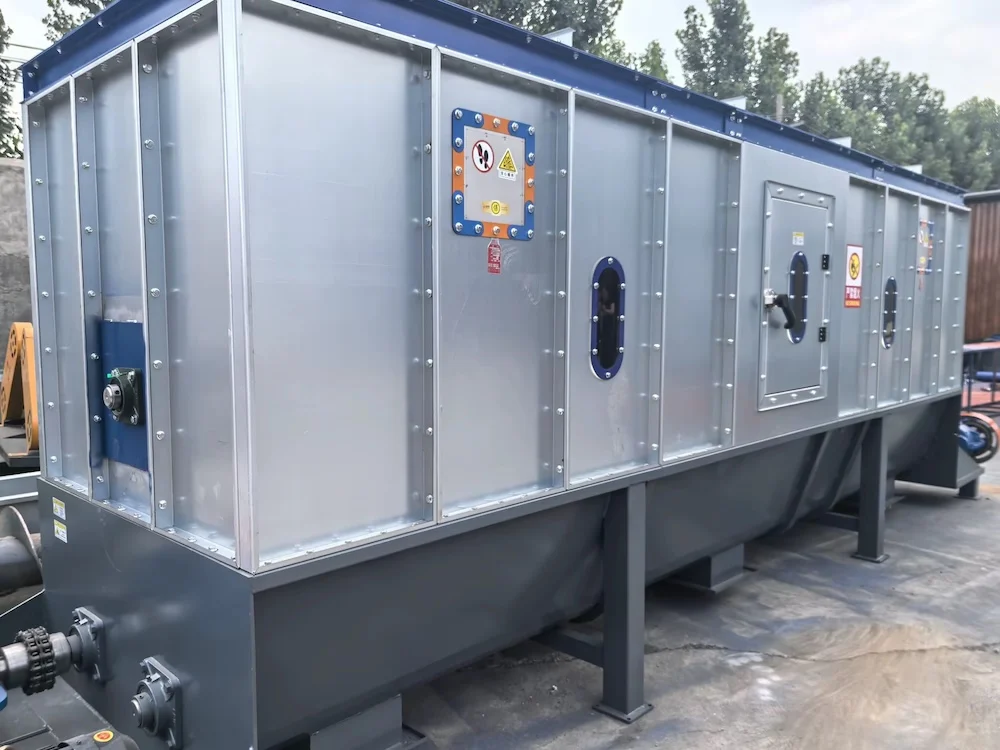
Buffer Bin

The buffer bin used for uniform light raw materials, it can automatically run for the pellet plant.
TCPEL Wood-Branches-Crusher

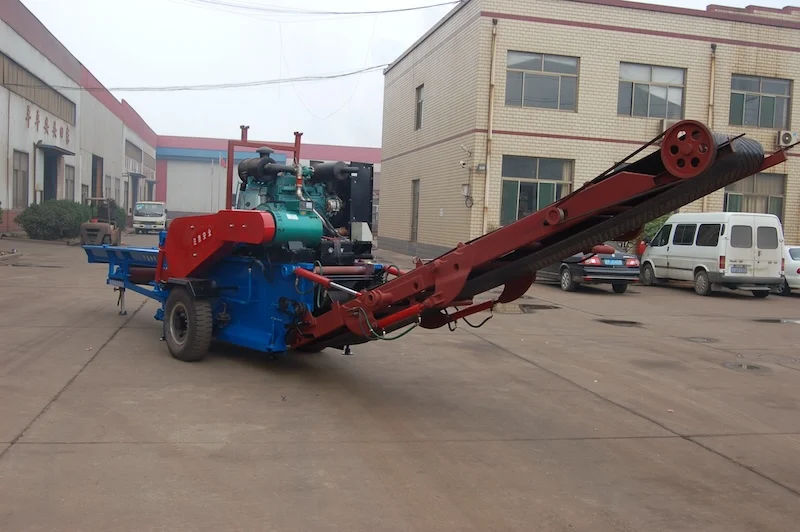
Diesel Wood Chipper

The diesel engine wood chipper is used for industrial and biomass power plants. It can work 24 hours stably.

Get Wood Pellet Plant Solution

We have been focusing on wood pellet plant for more than 12 years, striving for excellence and focusing on details and quality. Choose us and we will never let you down.

  • Quick reply within 2 hours
  • Provide the best pellet proposal within 24 hours.
  • Free test run service for special raw materials
  • Detailed case analysis after get your inuiry

TCPEL Alfalfa Hay Pellet Making Machine

TCPEL product guidance

Wood Pellet Plant: quick answer

A wood pellet plant combines matched process stages rather than one machine alone. TCPEL sizes crushing, drying, conveying, pelletizing, cooling and packing around the incoming material and required finished output.

Best matched by

Raw material, moisture, output, pellet size and working hours.

Configuration options

Single machine or matched process equipment for a complete line.

For a useful quotation

Send capacity, voltage, destination port and material details.

Frequently asked questions

What equipment is normally included in a wood pellet plant?

The scope can include crushing, drying, conveying, pelletizing, cooling, screening and packing. The exact stages depend on incoming material and the finished pellet specification.

How is line capacity selected?

Line capacity should be balanced across every process stage, using the target hourly output, working hours, material condition and expected downtime rather than only the pellet machine rating.

What is needed before TCPEL prepares a line proposal?

Provide raw material, moisture, target capacity, pellet size, available workshop space, local voltage and destination port.

Content maintained by TCPEL, a brand of ALLWIN INTERNATIONAL CO.,LTD. Last updated 2026-07-25. Specifications and recommendations are confirmed against the material and project scope before quotation.

Request a model recommendationExplore feed pellet machines

Contact us