
ALFALFA HAY PELLET MACHINE
An alfalfa pellet mill is a specialized machine designed to process alfalfa into feed pellets. It is designed with a heavy gearbox and with high efficiency, and stable operation, it’s widely used in feed pellet plants.
ALFALFA PELLET MILL FOR SALE
The alfalfa feed pellet mill converts alfalfa hay into dense and high-quality feed pellets that reduce transport and storage costs while improving feed quality, making them a popular feed choice for cattle, sheep, and horses.
The alfalfa pellet machine efficiently converts loose alfalfa into high-density feed pellets, which greatly reduces transportation costs and saves storage space. As a professional pelletizing machine, it applies high pressure and temperature during the pelleting process, which helps reduce bacteria and improve feed pellets. The resulting enhanced feeding efficiency. Therefore, alfalfa pellets have become one of the high-quality feeds widely favored by herbivores such as cattle, sheep, and horses.
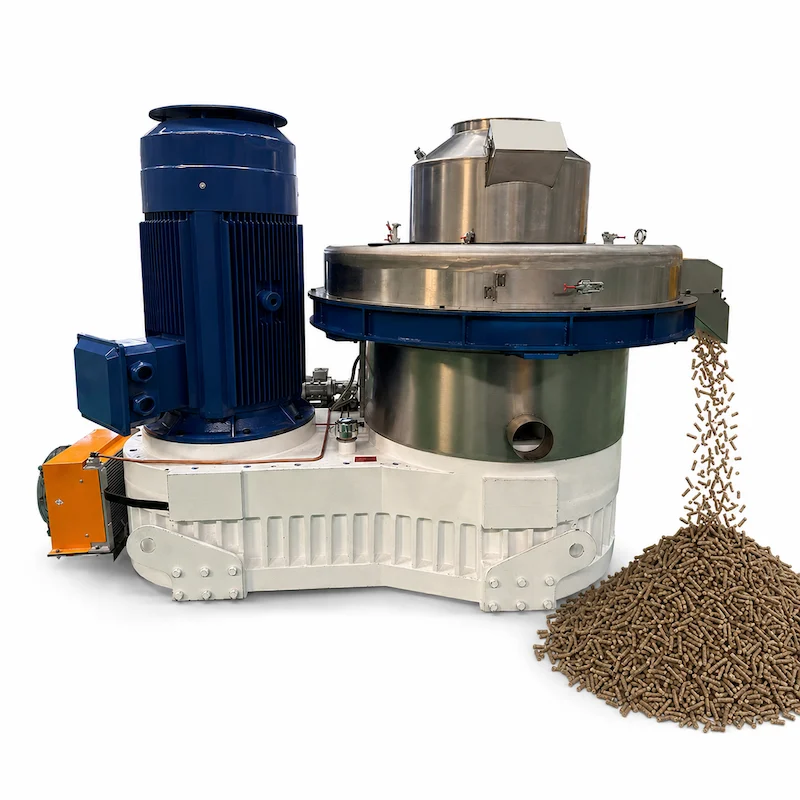

THE TYPES OF ALFALFA PELLET MAKING MACHINE
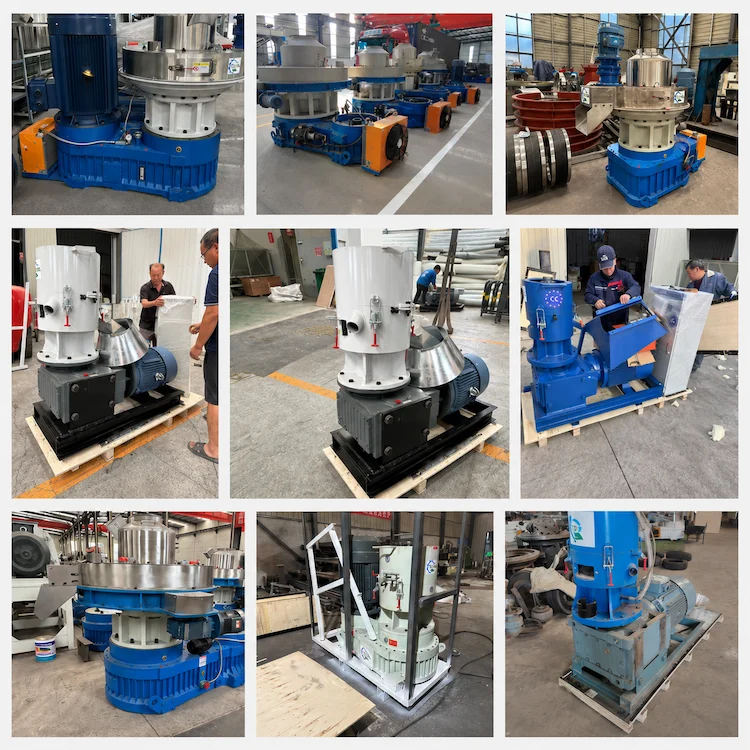
Three types of pellet mills can be used for alfalfa pellet production: flat die pellet machine, vertical ring die pellet mill, and horizontal ring die pellet machine. A small flat die pellet mill is ideal for small-scale production below 1 ton/h. If you want to use it for an industrial or big pellet plant, the vertical ring die pellet mill is a good choice. However, the horizontal ring die pellet mill has relatively high requirements for raw materials and thus has certain limitations.
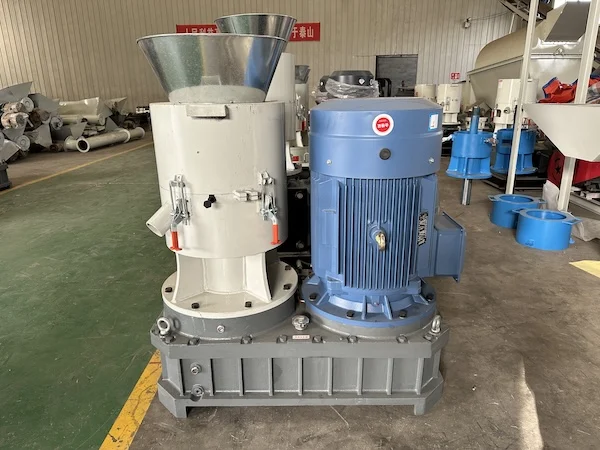
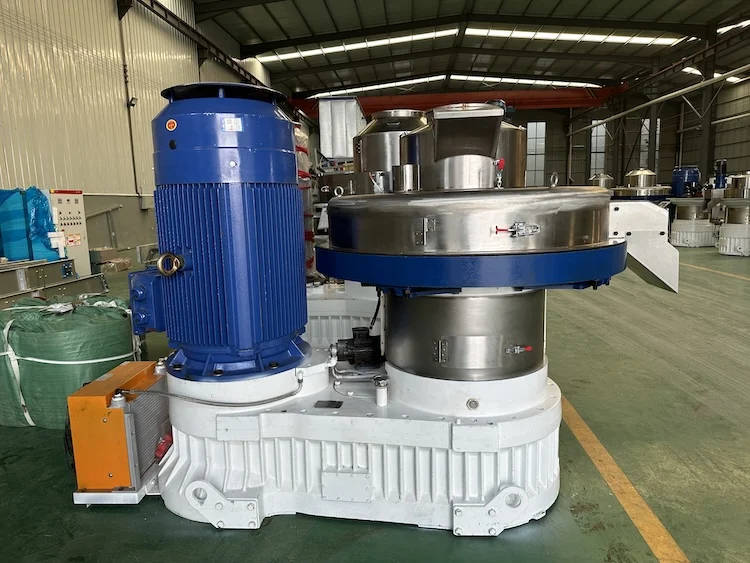
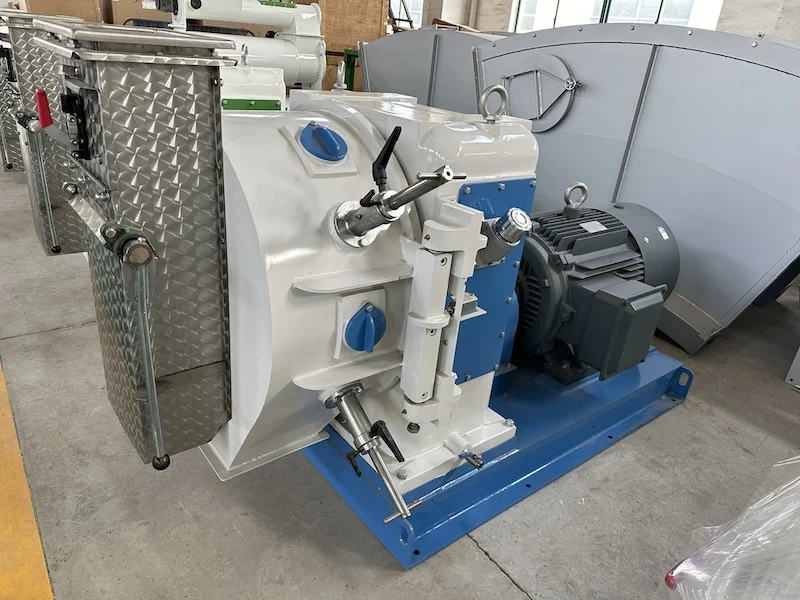
TECHNICAL PARAMETERS
| MACHINE TYPES | Flat Die | Vertical Ring Die | Horizontal Ring Die |
| MAIN POWER | 7.5KW-75KW | 55KW-280KW | 37-160KW |
| CAPACITY FOR ALFALFA | 200 to 3,000kgs/h | 2,000 to 6,000kgs/h | 300-5,000kgs/h |
| PELLET SIZE | 3MM-10MM | 3MM-10MM | 3MM-6MM |
| SUITABLE FOR | Fuel, Feed, Fertilizer | Fuel, Feed, Fertilizer | Feed and grains |
If you want to know more details about the alfalfa pellet press or hay pellet press, warm welcome to contact us. We would like to share more details for you.

HOW TO CHOOSE THE BEST ALFALFA PELLET MILL FOR YOUR FEED PELLET PLANT?
- Low failure rate and low maintenance costs. Many animal feed pellet machines on the market face clogging issues, primarily due to the lack of heavy-duty reducers, resulting in excessively high speeds and not enough pressure when pressing pellets, preventing material from forming properly. Our feed pellet mill is equipped with a high-performance one-piece type gearbox, effectively reducing speed, ensuring stable and continuous operation even under high load conditions.
- Choose the high configuration hay pellet mill. Many users have encountered some issues with their earlier purchased machines, such as burnt-out motors, oil leaks in the press rollers, and broken gears in the reducer. We suggest they choose reputable manufacturers—sourcing core components (motors, bearings, molds) from reputable brands and using high-quality materials in production—all within your budget. This can greatly reduce the machine’s failure rate.
- Quick-response after-sales service. The biggest difference between a pellet mill and other industrial equipment is that it requires operators to react based on the actual condition of their raw materials. This necessitates that your workers or hay pellet machine supplier have good operating experience. Because many feed pellet plants operate 24/7, rapid response is very important for the users. We can provide online installation guidance, saving you thousands of dollars in after-sales costs, while offering 24/7 online support. We are always your trusted partner.
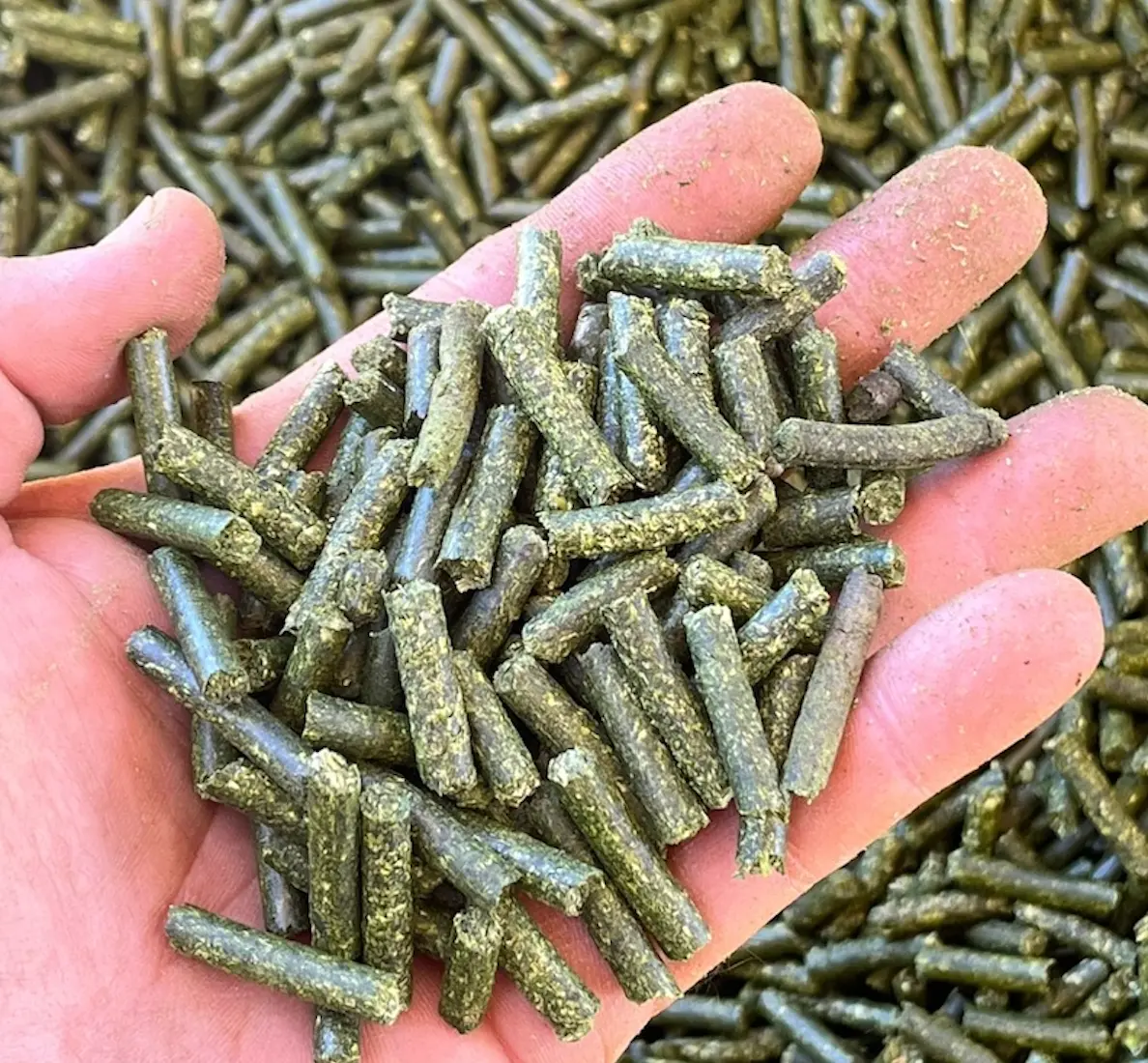

CAN YOU MAKE FEED PELLETS ONLY BY ALFALFA HAY? WATCH THE VIDEO

THE PELLETIZING PROCESS FROM ALFALFA TO FEED PELLET
From fresh alfalfa grass to high-quality alfalfa feed pellets, the process flow for small-scale household or ranch feed pellet production lines is similar to that of large feed pellet production lines. The only difference is that a small-scale alfalfa feed pellet plant can dry the alfalfa hay through natural sun drying.
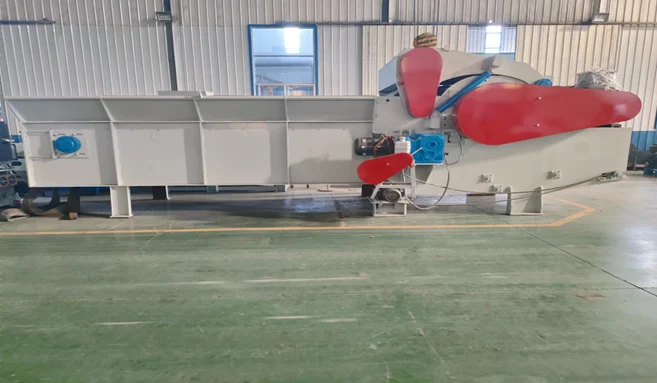
CRUSHING SECTION - ALFALFA HAY CRUSHER
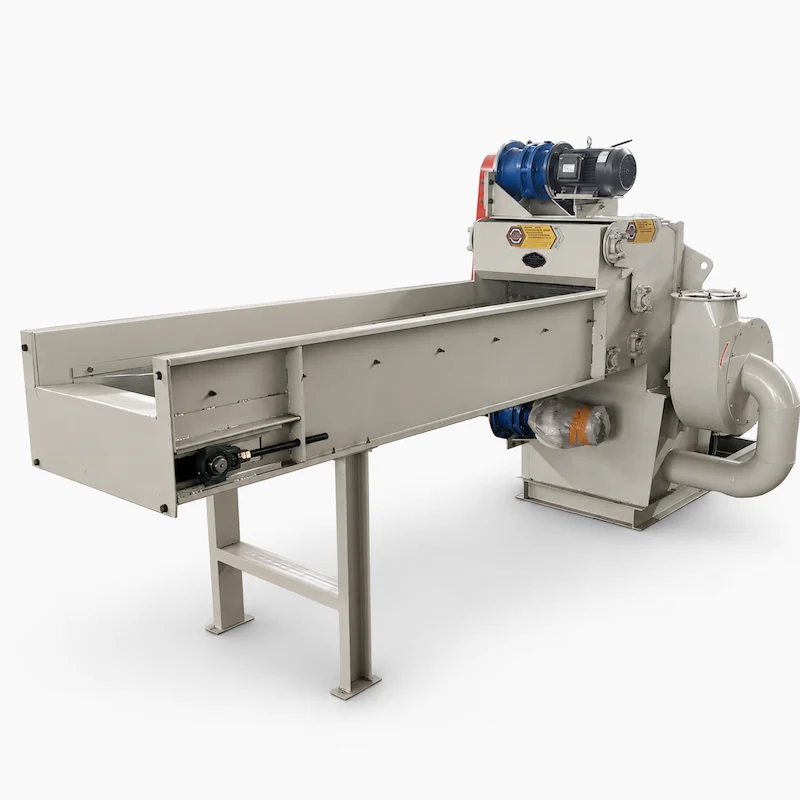
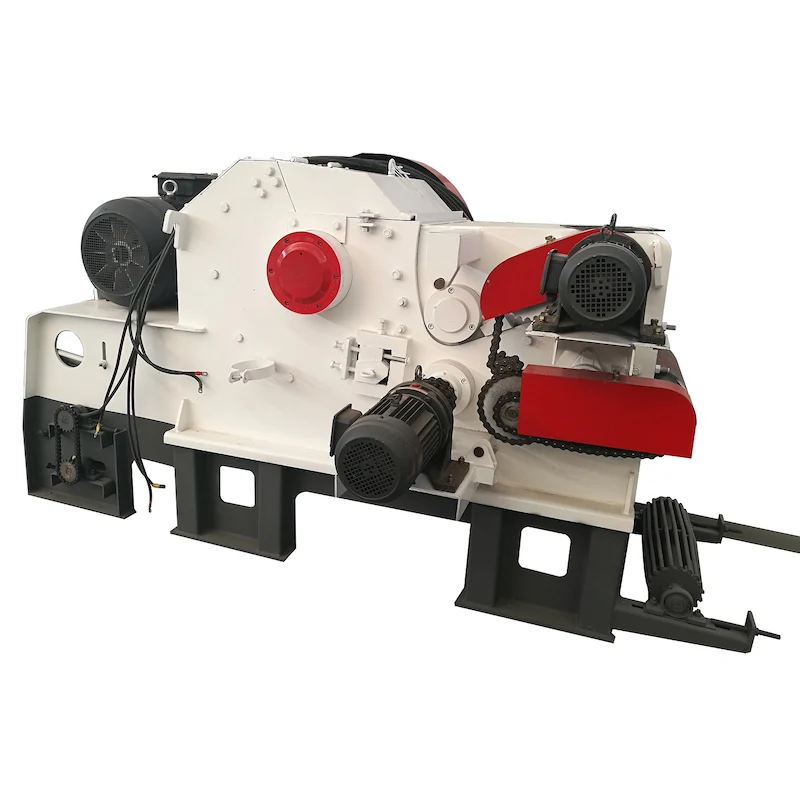
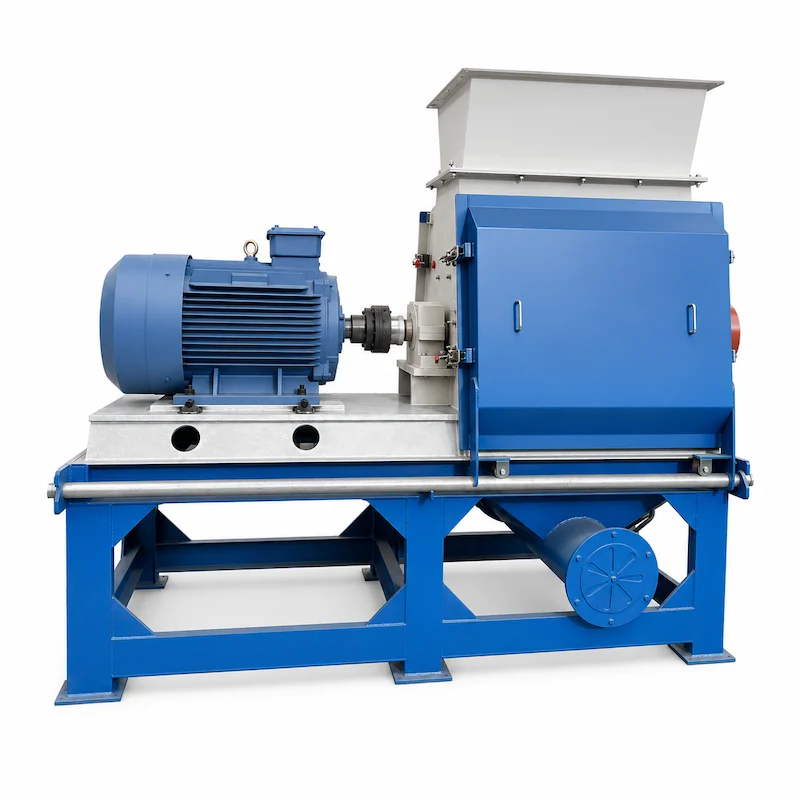
Freshly harvested alfalfa grass has a relatively high moisture content, so a special customization crusher for fresh alflalfa is required for pre-crushing at the initial stage. At the stage, it is crucial to select a fresh hay crusher machine that can operate stably without clogging. Our crusher adopts a shear-type crushing design, specially optimized for high-humidity raw materials, effectively preventing blockages and ensuring stable, continuous operation, make sure your feed pellet production line run high efficiency.
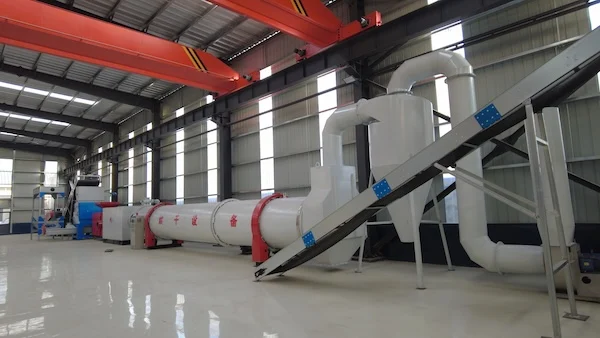
DRYING SECTION-HIGH EFFICIENCY ALFALFA ROTARY DRYER
A small alfalfa pellet mill or compact feed pellet plant usually does not need a dryer and can proceed directly to pelletizing. However, for large-scale alfalfa pellet production lines, an alfalfa dryer is often necessary. During the drying process, alfalfa tends to become loose and expand in volume. That’s why single-drum or double-drum rotary dryers work best- they’re highly adaptable to the material and run steadily. We suggest you use low-temperature drying, which not only cuts down moisture effectively but also preserves the nutrients in alfalfa and keeps nutritional loss to a minimum. What’s more, if your space permits, natural air drying is a budget-friendly and practical pre-drying alternative.
MIXING SECTION-DOUBLE SHAFT MIXER
If you only use alfalfa or grass to make cow pellets, a cow feed-making machine is all that is required, and a mixer is not necessary. Mixers are mainly for production lines where you add other material, like soybean meal or various micro-additives, to make sure everything mixes evenly. For big feed production lines, a double-shaft mixer is the best choice, offering high mixing efficiency and excellent uniformity, and meeting the requirements of continuous, high-capacity operation.
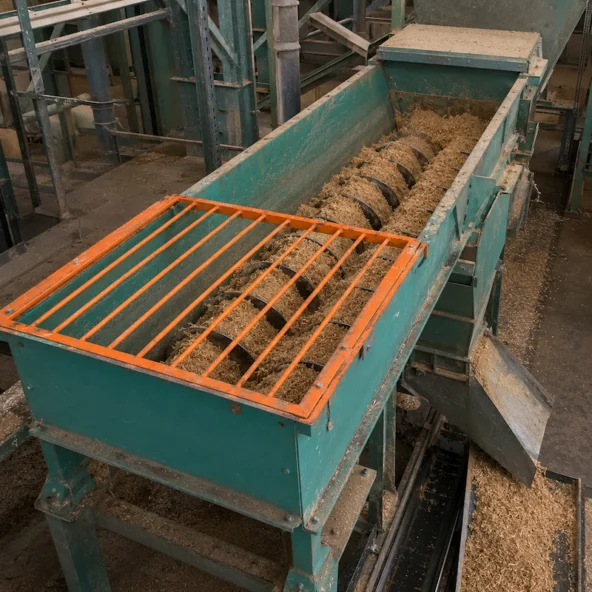
PELLET MAKING SECTION - GRASS PELLET MAKING MACHINE
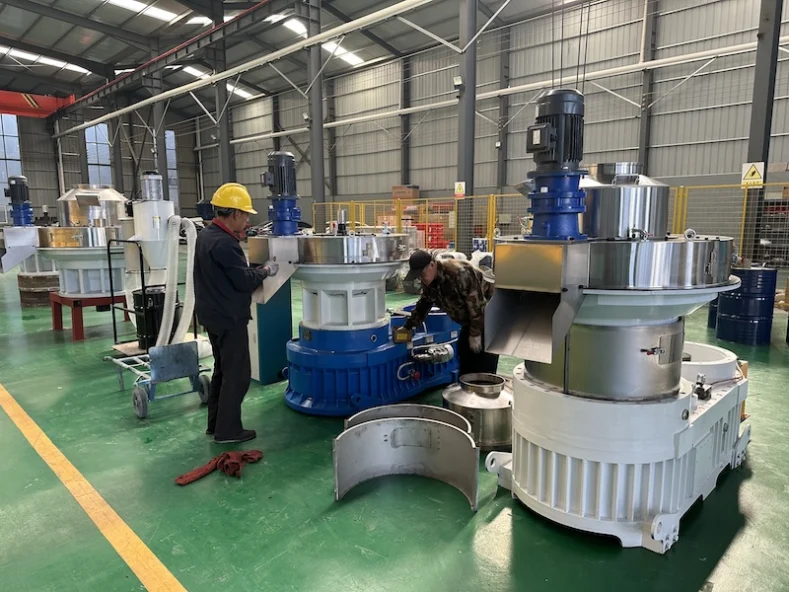
How to choose the best alfalfa hay pellet machine? It’s based on your production scale, application, and output requirements. If you want to use it for home use or a small farm, a small flat die pellet machine is ideal. To ensure stable operation, we recommend choosing a flat die pellet mill with a press roller that rotates. This design provides more uniform pressure and lower failure rates. For medium to large hay feed pellet plants, vertical ring die pellet machines are more commonly used, as they offer higher capacity, better stability, and are well-suited for continuous industrial production.
PELLET COOLING MACHINE & PELLET PACKING MACHINE
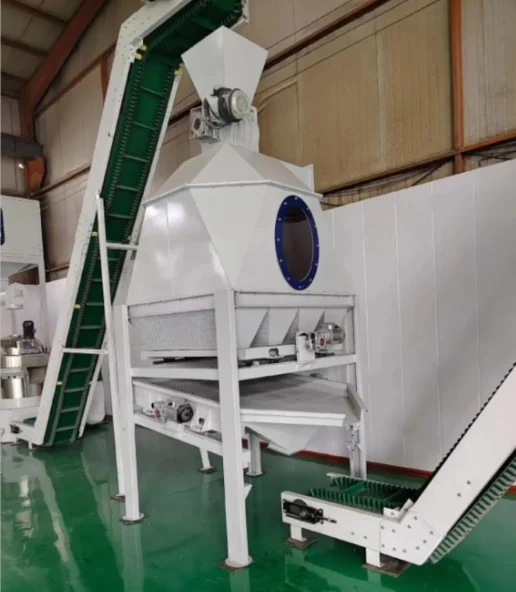
Counterflow feed pellet coolers are mainly used in medium to large feed pellet production lines. After cooling, the pellets reach a stable temperature and moisture level, allowing them to be packaged directly for sale. About the pellet packing machine, semi-automatic packing machines are generally more cost-effective, offering a good balance between efficiency and investment cost. Fully automatic packaging systems are usually not recommended unless full automation is strictly required, as they involve significantly higher equipment and system costs.

FLAT DIE VS. RING DIE, HOW TO CHOOSE THE SUITABLE ONE?
Choosing the right alfalfa pellet mill requires careful consideration of your production needs, application scenarios, and output requirements.
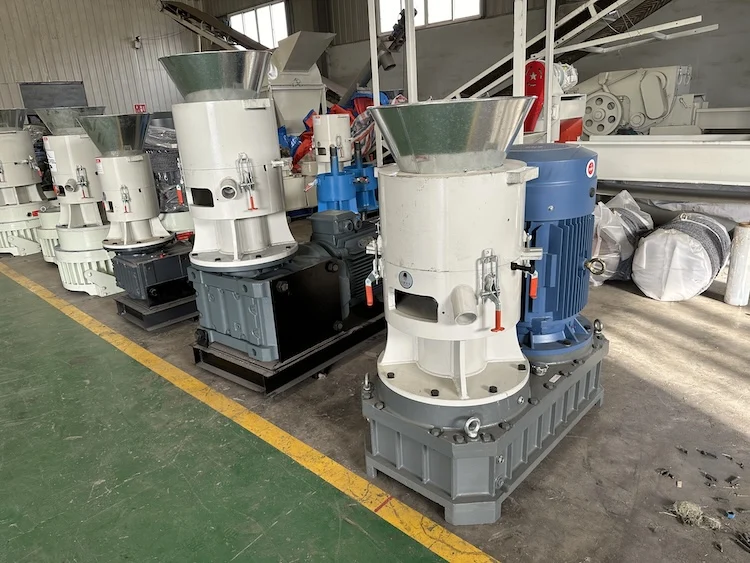
For most small ranches or farms, heavy-duty flat die pellet mills are the ideal choice. These machines have a maximum capacity of 2–3 tons/hour. They come equipped with heavy-duty reducers and a rotating press roller design, guaranteeing stable operation and strong pressing power. It doesn’t matter if you’re using high-fiber alfalfa as raw material or mixing it with corn, soybean meal, and other concentrated feeds to make pellets—they can handle the job stably and efficiently. Therefore, if your actual output requirement does not exceed 3 tons/hour and is mainly used in small farms or ranches, a flat die pellet mill is undoubtedly a more cost-effective choice.
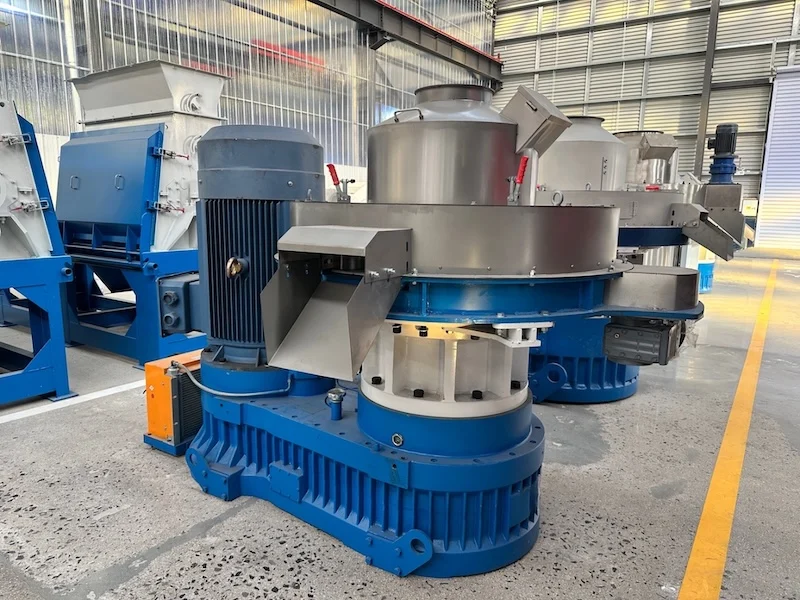
For large-scale commercial feed pellet production line projects aimed at selling feed pellets, if the capacity needed is high, the market prospects are good, and there is sufficient production space and investment budget, then a ring die pellet mill is recommended to meet the needs.
ALFALFA GRASS PELLET MILL FOR SALE-PROFESSIONAL FACTORY

FREQUENTLY ASKED QUESTIONS
1.Alfalfa pellet or Alfalfa, which is better?
For animals, they are both good, but feed pellets are better for storage and transport, as the space needed is smaller and the cost is lower. In addition, when you make the feed pellets, you could mix them with other grain or raw material, then when you feed them to animals will save time and work.
2.How can I start to make my own alfalfa hay pellets for my farm?
Generally, if the alfalfa pellet mill is for a small farm, you can choose a small flat die type, as it is a heavy-duty pellet mill with a single machine output of 2-3 t/h, meeting the needs of home production. If your raw material size is less than 10mm and the moisture content is between 13-18%, then one pellet mill can start production. If your size is too large, it is recommended to equip it with a grinder, which has a compact structure and does not require much production space. If the moisture content is too high, it is recommended to use natural drying, which has low investment costs and high cost-effectiveness for pellet production.
3.How to make alfalfa pellets at home?
If you’re using it for home use, a 7.5kW or 15kW pellet mill is suitable, with a production capacity of 200-600 kgs/h. They have a simple structure, are easy to operate, and are suitable for small-scale production with limited space. Heavy-duty pellet mills feature an integrated reducer design, ensuring stable operation, low maintenance costs, and a long service life.
4.Do you have an alfalfa cube machine for sale?
Sure, we supply the alfalfa pellet machine, alfalfa cube machine, grass crusher, etc, and we are a professional manufacturer with 20years of experience. If it’s possible, you can send your capacity needs and the pictures to us, and we will recommend a suitable model for you, saving you time.
5.What is the alfalfa pellet machine price?
The alfalfa pellet machine price depends on the type of raw material, the moisture content of the alfalfa, the capacity needed, etc. If you only need the small pellet machine, the cost is about 1,900USD-11,000USD. If you want to start the business, use the large capacity pellet machine. The cost is around 12,000USD – 56,000USD. You can send your needs, and we will design the best solution for you.
RELATED MACHINES FOR BIOMASS FUEL PELLET PLANT
Get Alfalfa Pellet Mills Solution
We have been focusing on pellet and briquette machines for more than 20 years, striving for excellence and focusing on details and quality. Choose us and we will never let you down.
- Quick reply within 2 hours
- Provide the best proposal within 24 hours.
- Free test run service for special raw materials
- Detailed case analysis after get your inuiry