
How To Choose a Good Quality Wood Pellet Machine?
If you are struggling with how to choose a good quality wood pellet mill, this article is enough for you.
Compared to feed pellet mill, wood pellet machines require more careful considerations when choosing due to the greater fiber hardness and higher pellet density. Consequently, more users make mistakes when making decisions. Based on our 20 years of wood pellet machine manufacturing experience, we’ve detailed all the important considerations in this article.This article will guide you how to choose the right wood pellet machine. If you are struggling with how to choose a good quality wood pellet mill, this article is enough for you. Let’s begin!
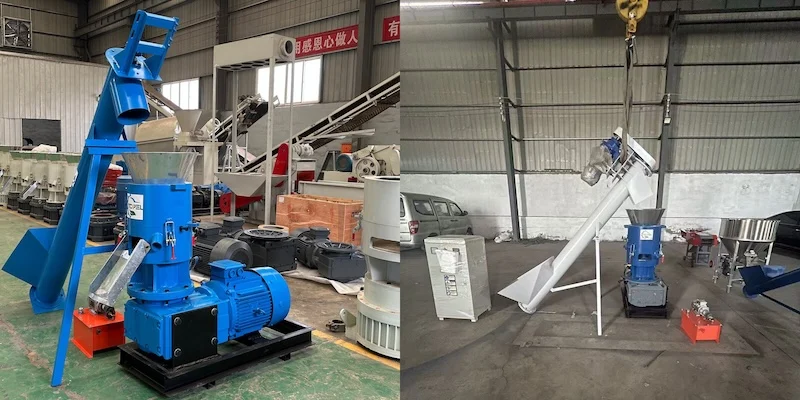
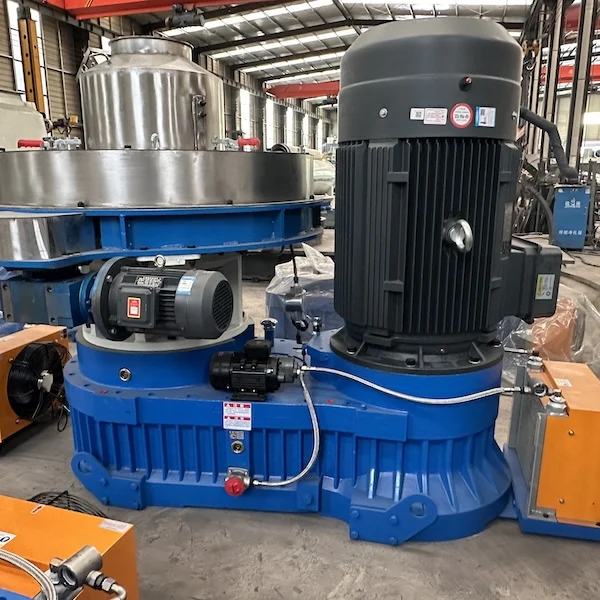
Flat Die VS Ring Die, How to choose the types of wood pellet machine
There are many types of wood pellet machines on the market. Based on their operating design principles and mold types, they include flat die pellet machines and ring die pellet machines. Ring die wood pellet machines are further includes vertical and horizontal ring die types, flat die pellet machines also includes two types: flat die rotation type and press roller rotation type, but only press roller rotation type with a heavy-duty gearbox can be used to compress high density fuel pellets. Next, we will analyze in detail how to choose a good quality wood pellet machine based on your needs.
Determine the wood pellet machine's output, below or above 1,000kgs/h?
When choosing a wood pellet making machine, the first thing to consider is the machine’s application and output range, as output determines the machine type and investment cost. Pellet machines are generally categorized by output capacity, typically under 1000 kg/hour, and exceeding 1000 kg/hour. The wood pellet machines mould design and working principle are completely different models.
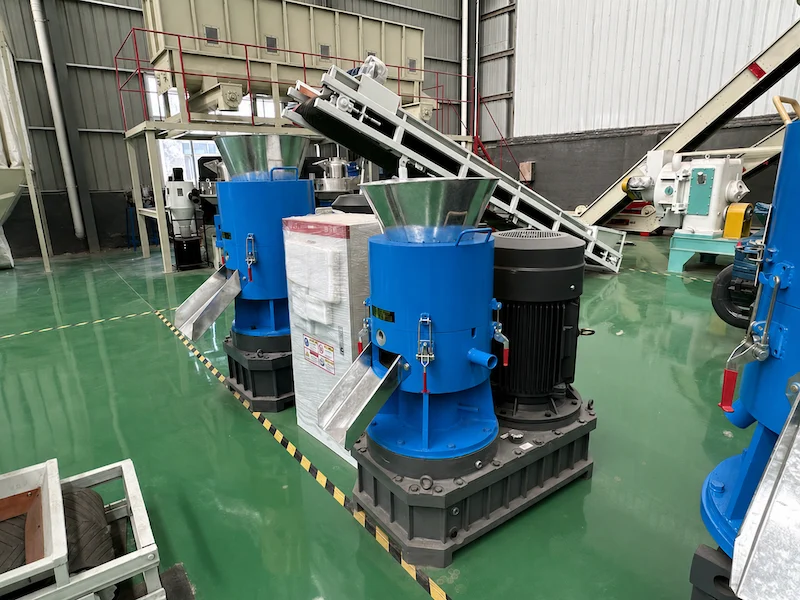
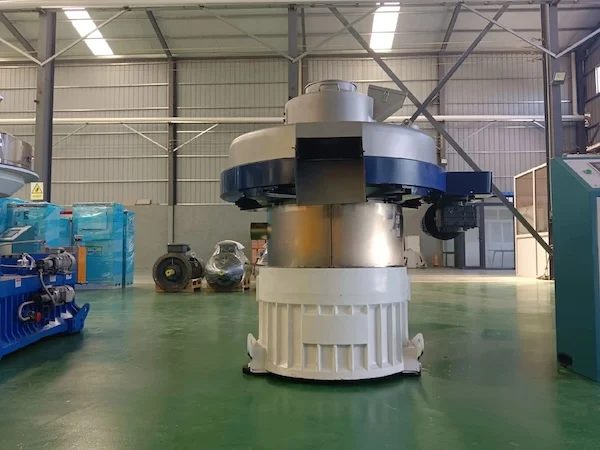
Those pellet machines with outputs under 1000 kg/hour are likely to be used for home or farm use, by wood processing plants and furniture factories with their own raw materials, or by those just starting to invest in a small pellet plants. These clients have limited raw materials, do not require 24/7 continuous production, and have no high workload requirements. Therefore, flat die pellet machines are the best choice your needs. But about how to choose a high-quality flat die wood pellet machine, we will give a detail guide below later.
When you need a machine with a capacity of more than 1,000 kg/hour, you’re investing in a commercial wood pellet machine usually. In today’s fiercely competitive market, commercial or industrial wood pellet machines have higher requirements as followed:
- The wood pellet machine must be able to operate continuously for 24 hours*7days, as customers typically schedule two 10-hours shifts or three 8-hours shifts.
- The machine must have a low failure rate and easy to operate. This is particularly important in underdeveloped countries, where parts procurement times are long and failure rates can directly effect the profitability of a wood pellet production line.
- High output with low energy consumption. Because fuel pellet extrusion requires relatively high energy consumption, a higher machine output minimizes production costs, leading to greater competitiveness in sales.
- A high degree of automation. It not means that you need a fully automatic wood pellet machine, but that the machine can run simply and smoothly, and easy to operate and maintain, and even if there are wrong operating by workers, it can be automatic protection to avoid greater losses.
For small wood pellet machines with output below 1,000 kg/h, press roller rotation and heavy duty gearbox design is the must choice.
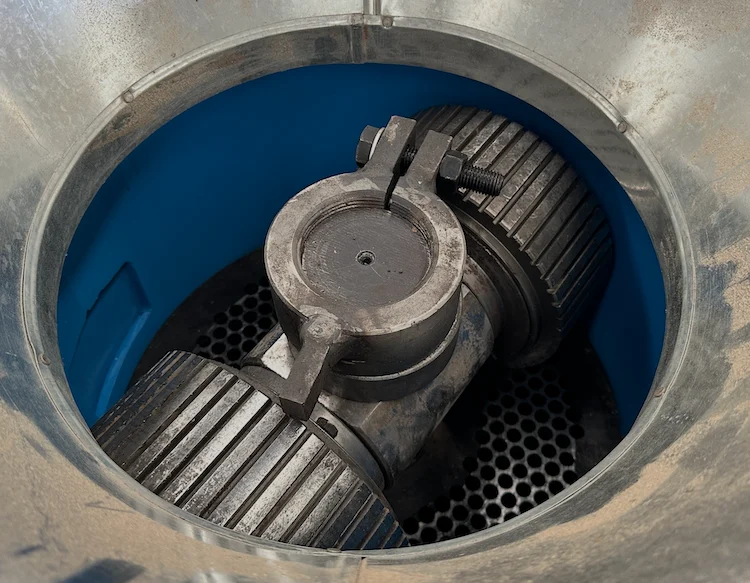
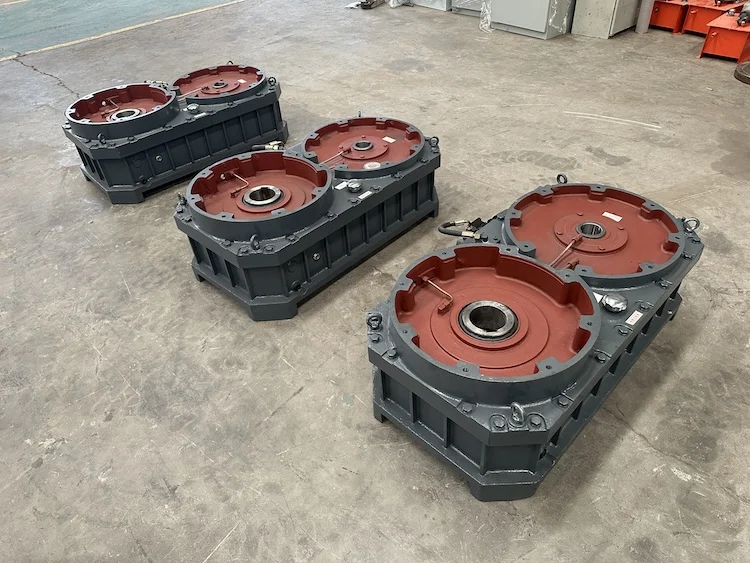
Sawdust come in a variety of types wood, hard or soft, but most of the wood fiber is coarse and hard, and the binder effect of lignin requires high temperatures to release. Therefore, a reliable wood pellet machine must feature low speed and high pressure. Therefore, compared to the high speed and high output required by feed pellet machines, wood pellet machines generally require high power, low speed, and a rotating press rollers. This necessitates a dedicated heavy-duty gearbox to ensure high output and stable operation.
Currently, there are two types of flat die pellet machines on the market: those with rotating flat die and those with rotating press rollers. Rotating flat die pellet machines can be used to press feed pellets, fuel pellets, and fertilizer pellets, while light-type flat die rotation pellet mills are primarily designed for feed pellets. Of course, there are also models with rotating press rollers that do not feature a heavy-duty gearbox and are generally used primarily for producing feed pellets also. Consequently, press roller rotation type pellet machines can experience issues such as blockage and substandard pellet density when pressing sawdust.
For large-scale industrial wood pellet machine with capacity more than 1,000kgs/h, choose a vertical ring die pellet machine or a horizontal ring die pellet machine?
There are two types of large commercial wood pellet machines on the market, vertical ring die wood pellet making machine and horizontal ring die wood pellet making machine. Both types are used by customers, but vertical ring die type chooen by more customers. so let’s analyze which wood pellet machine is better for most of the customers.
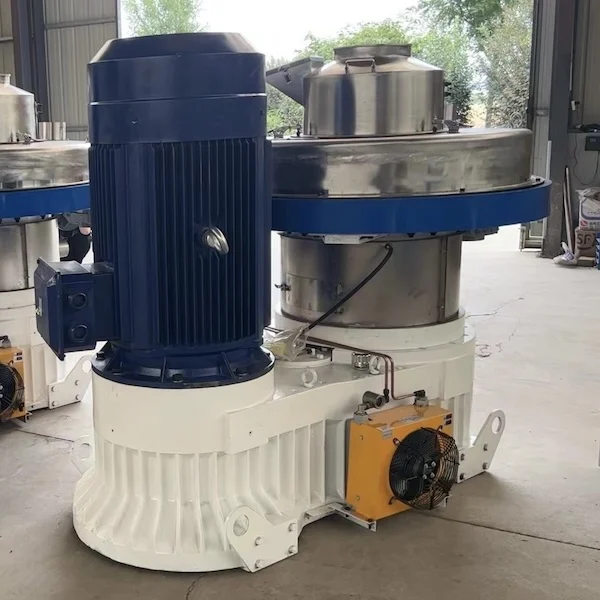
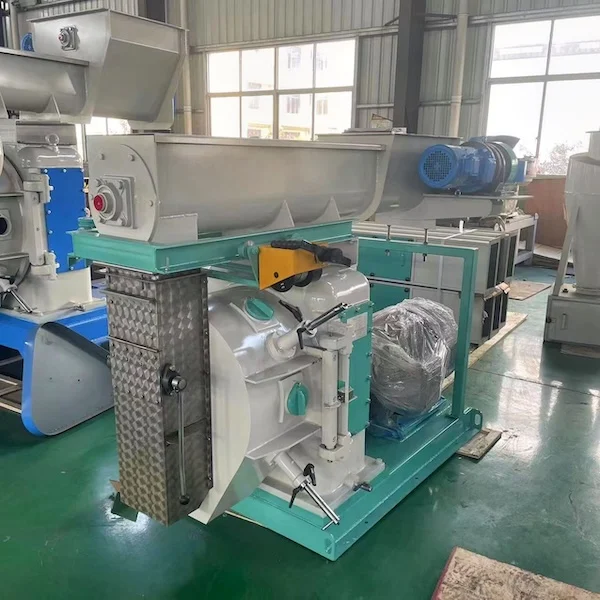
Regarding pellet mill design and transmission, vertical ring die pellet mills offer higher safety and transmission coefficients. It’s because vertical ring die pellet mills utilize a heavy-duty gearbox with weighted gears, specifically designed and developed for compressing sawdust pellets. Horizontal ring die pellet mills utilize an automotive rear axle differential transmission, making them more suitable for compressing feed pellets with greater cohesiveness. Consequently, horizontal ring die pellet mills often experience the problem of safety pin breakage when compressing wood sawdust, especially hard wood sawdust.
Regarding the pellet mill’s feeding mechanism and ring die design, vertical ring die pellet mills are less risks to blockage. This is because horizontal ring die pellet mills adopts side feeding design, resulting in a longer feed path, while vertical ring die pellet mills utilize direct top feeding, leveraging gravity for a shorter and more direct feed path. Therefore, vertical ring die pellet mills are less prone to blockage when processing loose and light biomass waste. Horizontal ring die pellet mills, on the other hand, are more suitable for pressing feed pellets with better flowability because they leverage the inertia created by the rotating die, resulting in higher capacity for sticky feed raw mateial. However, this becomes a disadvantage when pressing sawdust and other biomass waste, as the high speed and low pressure increase the risk of blockage also.
The configuration of the wood pellet machine, which mainly includes heavy-duty gearbox, motors, control system and mold design, it is the second aspect that requires special attention.
The reason why the wood pellet mill configuration is regarded as the second important point is that with the increase in market competition, more and more wood pellet machine manufacturers have begun to reduce the configuration in the production process of pellet machines in order to reduce production costs and increase price competitiveness. In the short term, this may not cause any obvious problems, but after a few months or a year, potential problems will appear. Therefore, when choosing a wood sawdust pellet machine, we recommend choosing a high-configuration machine to ensure the normal operation.
Heavy-duty gearbox is the foundation and core of wood pellet machine
As the main transmission device of the pellet mill, the heavy-duty gearbox directly determines whether the wood pellet machine’s rotation speed is appropriate for your raw material and if the transmission safety enough. Generally, we recommend using a wood pellet mill gearbox specifically designed for wood pellet machines or biomass pellet machines. The gears are thickened and the center distance is larger, so the transmission efficiency is higher, the operation is stable, the output also higher, the noise is lower, and the failure rate is extremely low.
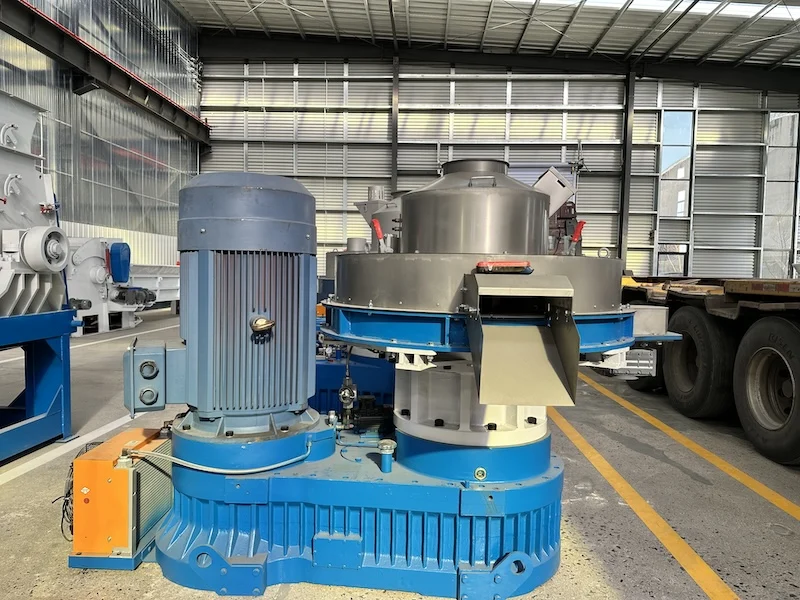
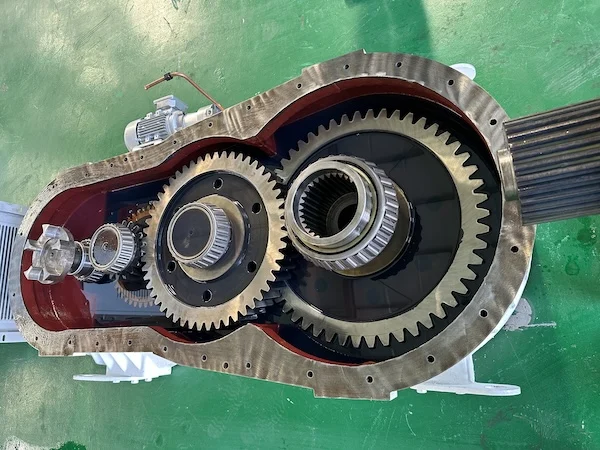
Currently, there are two types of molds and press roller shells, one is made of stainless steel and the other is made of wear-resistant alloy steel. Generally, you can choose the one with a higher cost performance according to the type and hardness of your raw materials. Usually for sawdust raw materials, wear-resistant alloy steel is good enough, but if the wood waste contain silicon, stainless steel ring die is better.
The control system of the wood pellet machine is designed with linkage control, which can greatly increase the service life of the motor and reduce the failure rate.
The control system of a wood pellet machine generally requires a linkage control design with feeding system, lubrication system and lubrication system. It’s due to the high operating temperatures and pressure of the machine during operation, which increases the lubrication requirements. Furthermore, if the moisture content of the sawdust is uneven, the pellet making machine may face the risk of blockage. In that case, linkage control can maximize motor protection. Many wood pellet machines on the market are designed with a touch screen, which is an optional choice that can be selected based on local conditions. If local operators are poorly educated and prone to operating errors, a pellet machine with a touch screen design will be more time-consuming and labor-intensive to maintain. We believe that simplicity, ease of operation, and low failure rate are the optimal standards for pellet machine control systems.
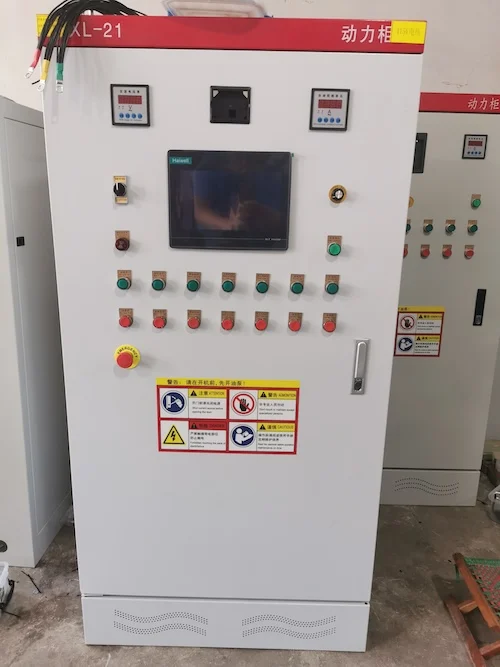
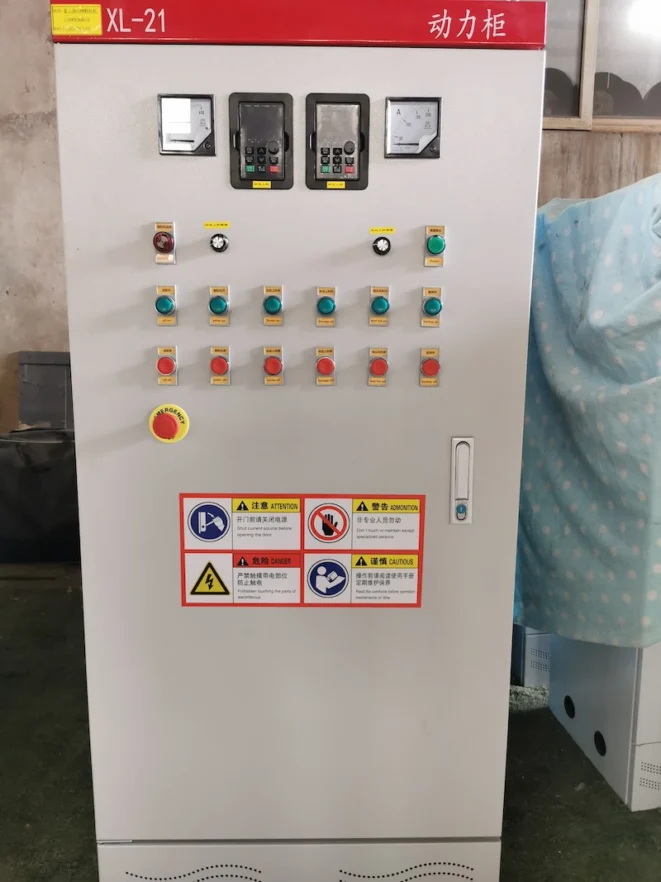
Selection criteria for auxiliary equipment of wood chip pellet machine: customized according to the hardness and moisture content of raw materials, which can maximize the output of pellet machine.
The wood pellet machine has two main requirements for wood waste: the moisture content of the sawdust should be maintained at 15% and the size should be within 10 mm. This is mainly because the lignin contained in the wood can be best released at a moisture content of 15%, thus acting as a binder.
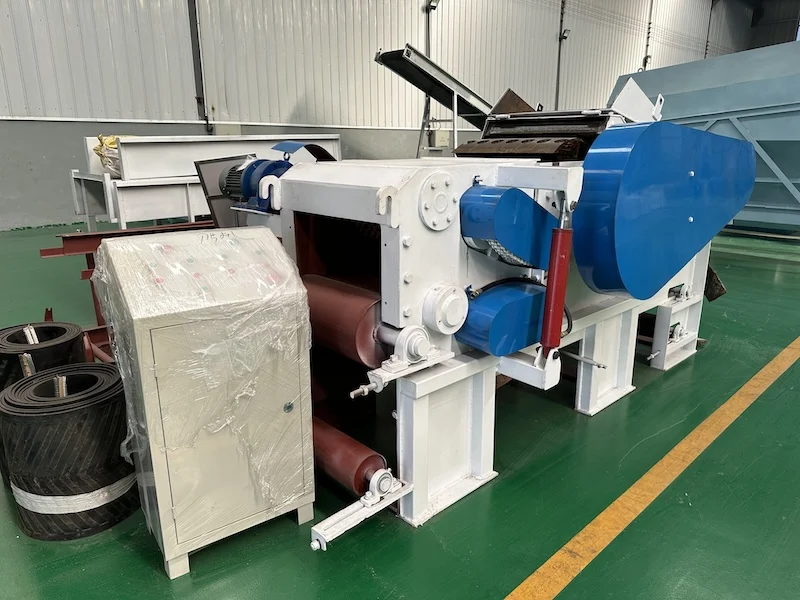
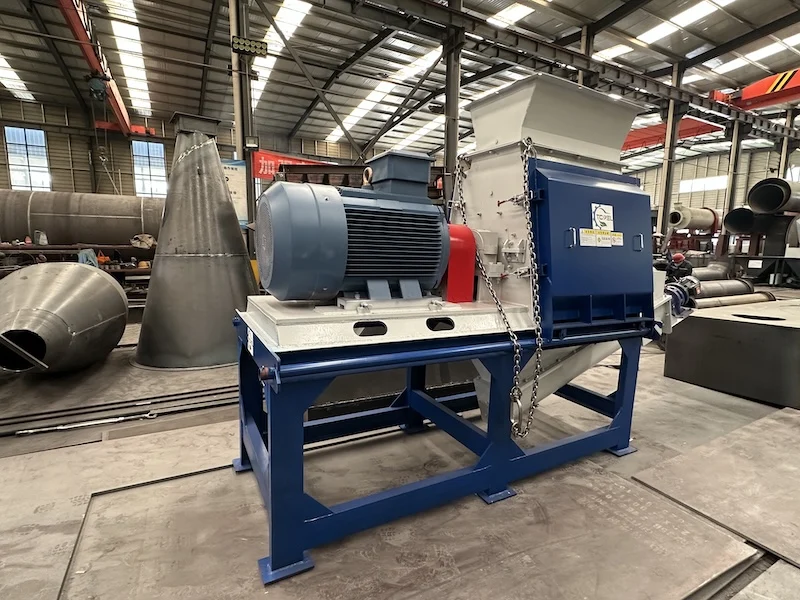
Wood crusher: The waste wood size, hardness and moisture content need to be comprehensively considered to determine the type of chipper and crusher.
The wood crushing stage is more complex. If your raw material consists of wood chips and small pieces, a heavy-duty hammer mill is generally sufficient. However, if your raw material consists of branches or large logs, a two-step process is required to reduce the wood to the desired size. The first step is to use a wood chipper to reduce the wood into chips smaller than 5 cm. The second step is to crush the chips into sawdust smaller than 10 mm. During the first crushing step, the most common problem is that customers tend to choose a chipper based solely on the desired output. This is a mistake. The correct approach is to determine the machine model based on the wood’s original size and output, especially the log’s diameter, which is a crucial factor.
During the fine crushing stage, the key considerations are the wood’s hardness, moisture content, and capacity needed. The hardness and moisture content of the wood, in particular, directly determine the machine model and configuration.
Sawdust Dryer: Choose a high-efficiency dryer, which will be the key to determine whether your wood pellet plant is profitable.
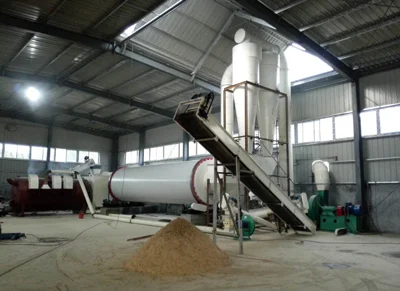
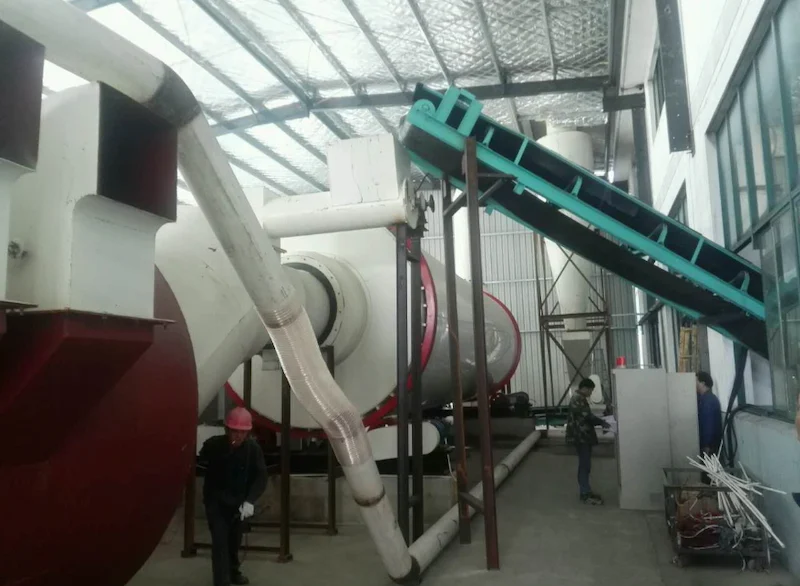
Currently, there are two main types of dryers on the market: airflow type flash dryers and rotary type drum dryers. We don’t recommend using dryers for small pellet mills due to their high investment cost and large footprint. This makes it difficult to achieve economies of scale and generate good profits in small wood pellet production lines.
For large wood pellet production lines, we don’t recommend the use of flash dryers. While inexpensive, they offer very low capacity and are only suitable for raw materials with relatively low moisture content, making them ineffective and prone to fire risks.
Rotary drum dryers are typically used in large pellet plant. These dryers are categorized as single-, double-, and triple-drum dryers, as well as multiple layers dryers. The last type dryers offer the highest efficiency and capacity, making them ideal for high-moisture and high-volume wood pellet production lines.
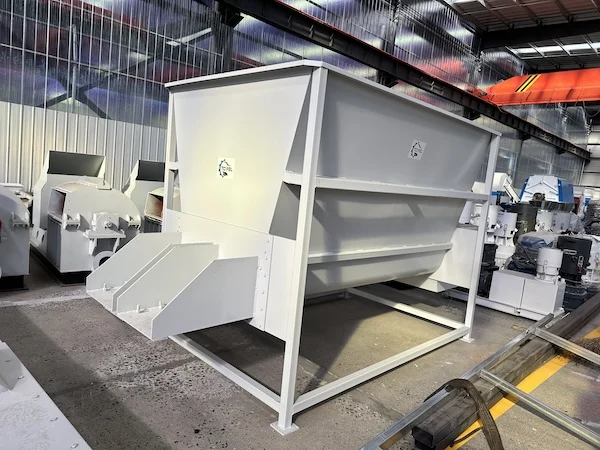
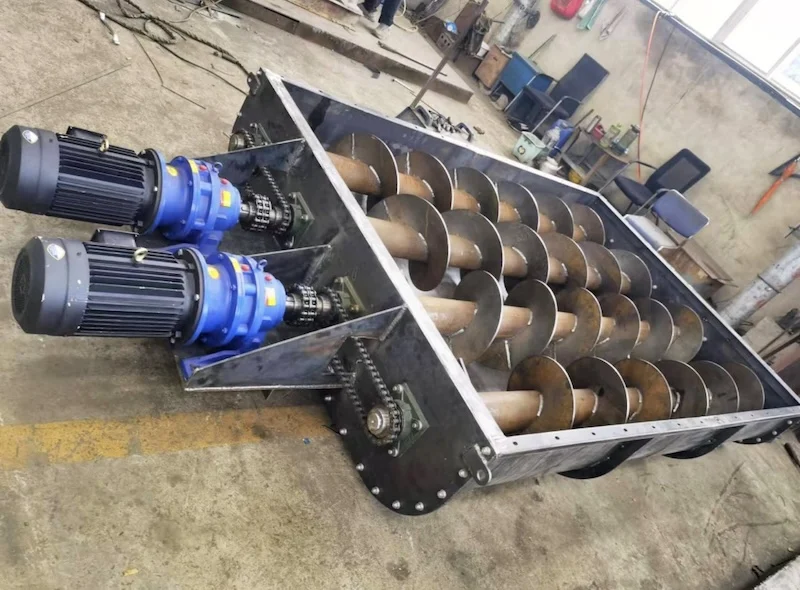
Automatic feeder: For large-scale wood pellet production line, automatic feeder is the other key point to ensuring maximum output.
Small wood pellet machine do not require automatic feeder because of their low production capacity, and even manual feeding can meet normal production needs. However, for large wood pellet machines or wood pellet production lines, automatic feeding must be considered,because according to normal production requirements, manual feeding will cause workers to become fatigued every half an hour to an hour, and the feeding rate will begin to decrease, which will greatly affect the average capacity of the machine and increase the wear of the machine wear parts
Pellet cooler and pellet packing machine: These are not mandatory and should be selected based on actual conditions.
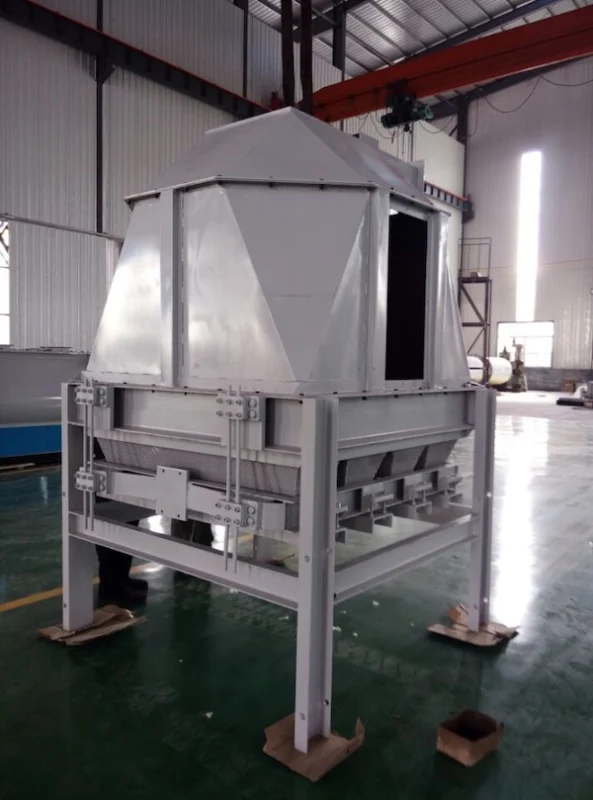
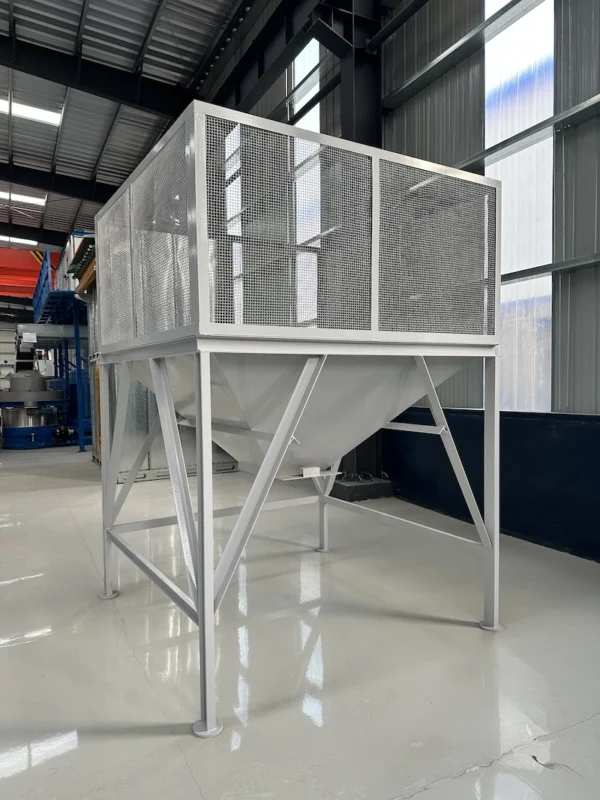
In most pellet processing plants, pellet coolers are not a must-have. Most customers typically build their own large cooling silos, which not only cool the pellets but also serve as temporary storage. This reduces construction costs and saves labor. For our customers, we design pellet cooling silos free of charge, tailored to the plant size and production line layout.
When choosing a wood pellet machine supplier, both professionalism and experience are essential.
Choosing a reliable wood pellet machine manufacturer will determine your future experience. Focus on the following points:
- The supplier should be professional, especially the project manager or salesperson you work with. They should ask you in detail about your raw materials, which will save you a lot of trouble later.
- Try to choose a company with a flat management system, as many companies may have incomplete after-sales service. If you have a minor technical question during use, you may need to go through several departments before getting an answer.
- Choosing a company with extensive project experience can significantly reduce the risk of trial and error.
Professional Wood Pellet Mill Manufacturer
With over 12 years of experience in vertical ring die wood pellet machine production, we have the expertise to assist you. Please feel free to contact us—we’re here to help you resolve any issues you may encounter.