CORN COB PELLET MACHINE

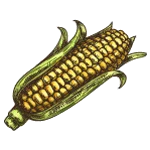
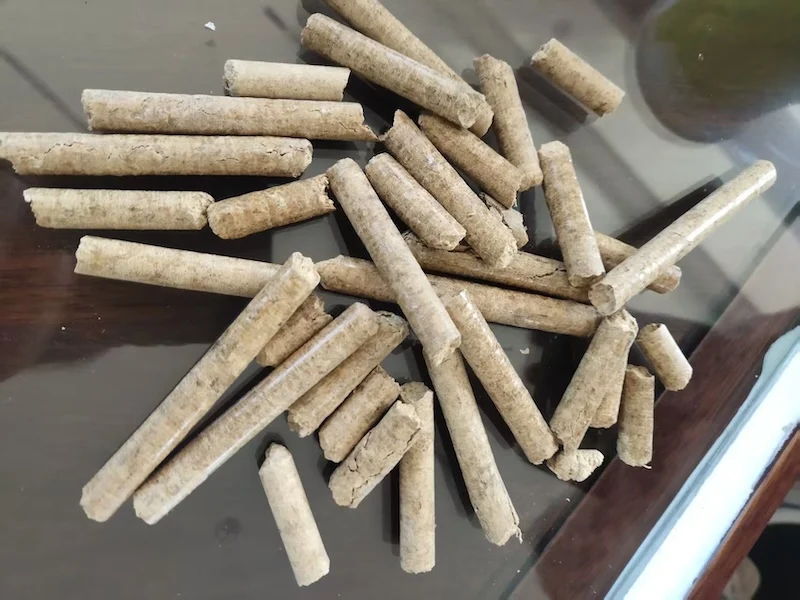
Corn cob pellet mills can process waste corn cobs and other agricultural waste into high-density, environmentally friendly fuel pellets or feed pellets, thus achieving resource reuse.

CORN COB PELLET MILL FOR SALE

The corncob pellet mill converts corn cobs into biomass fuel pellets for use in biomass boilers, biomass power plants, etc., effectively increasing their added value.

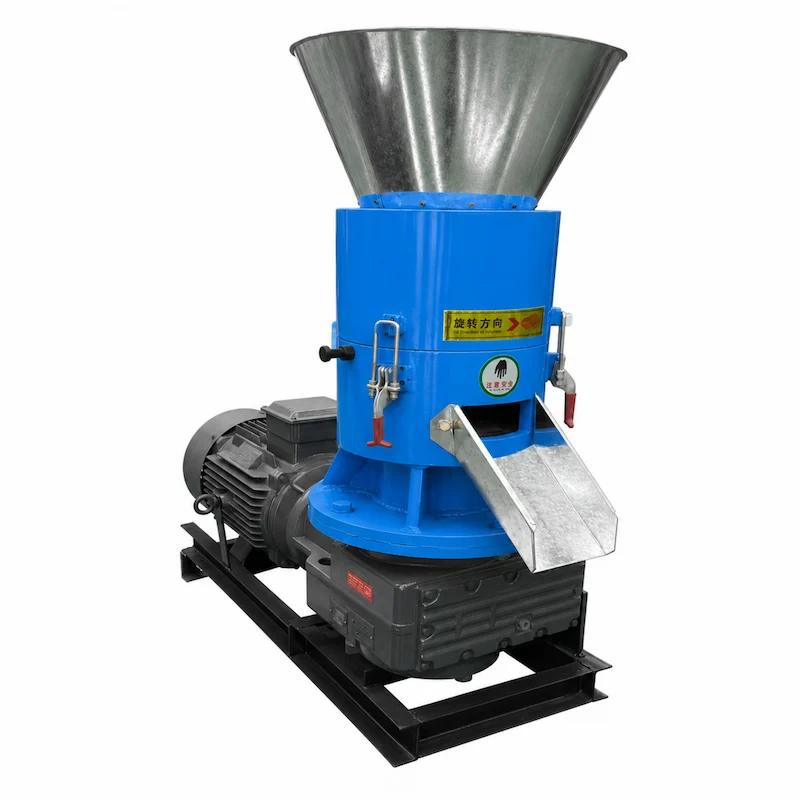
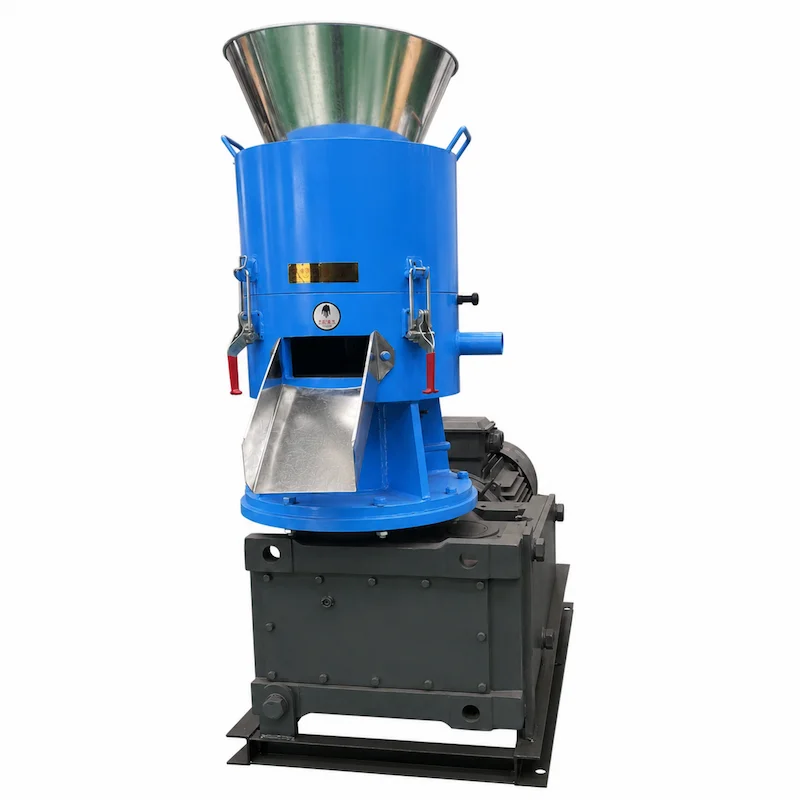
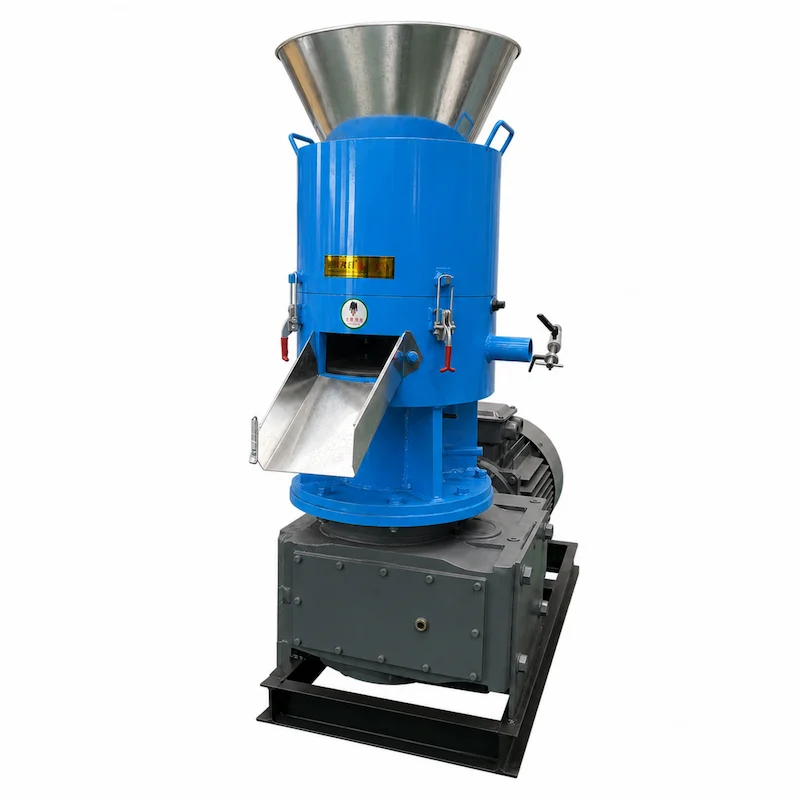
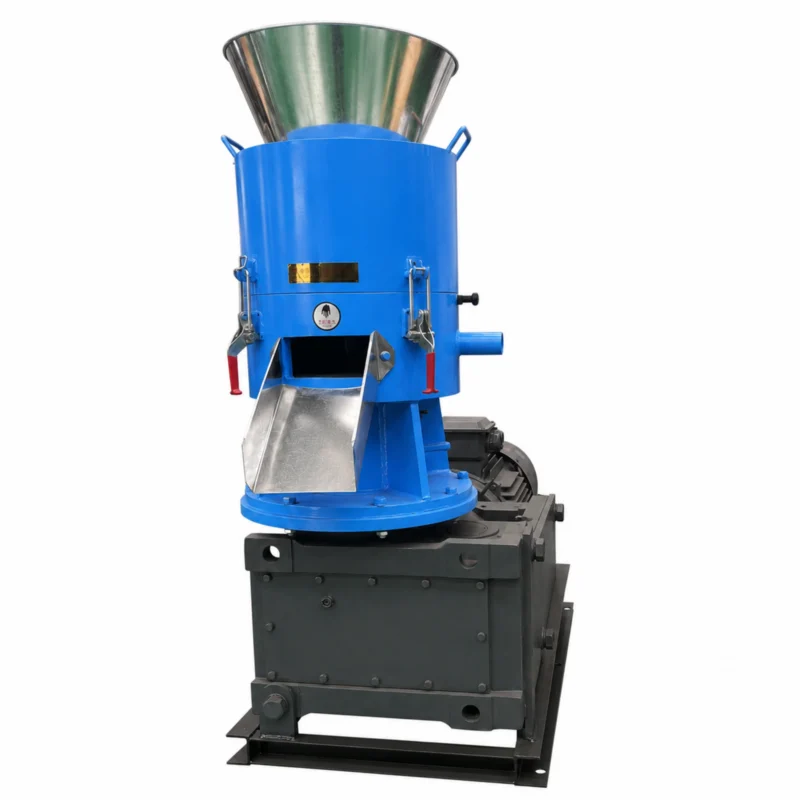
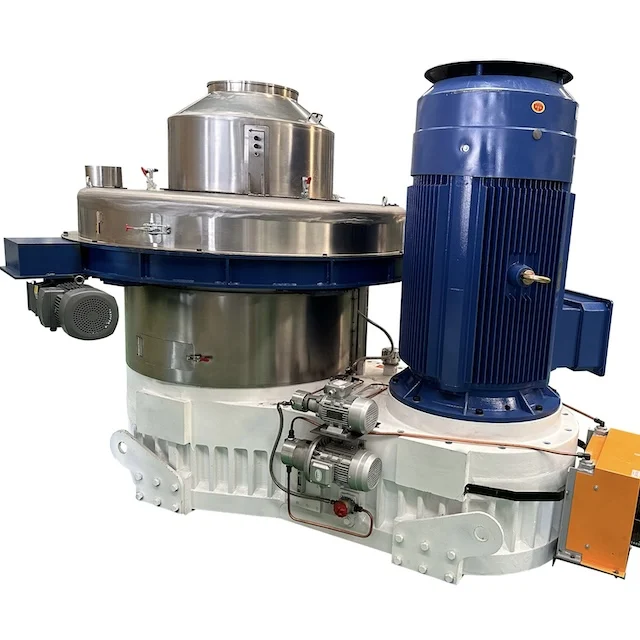
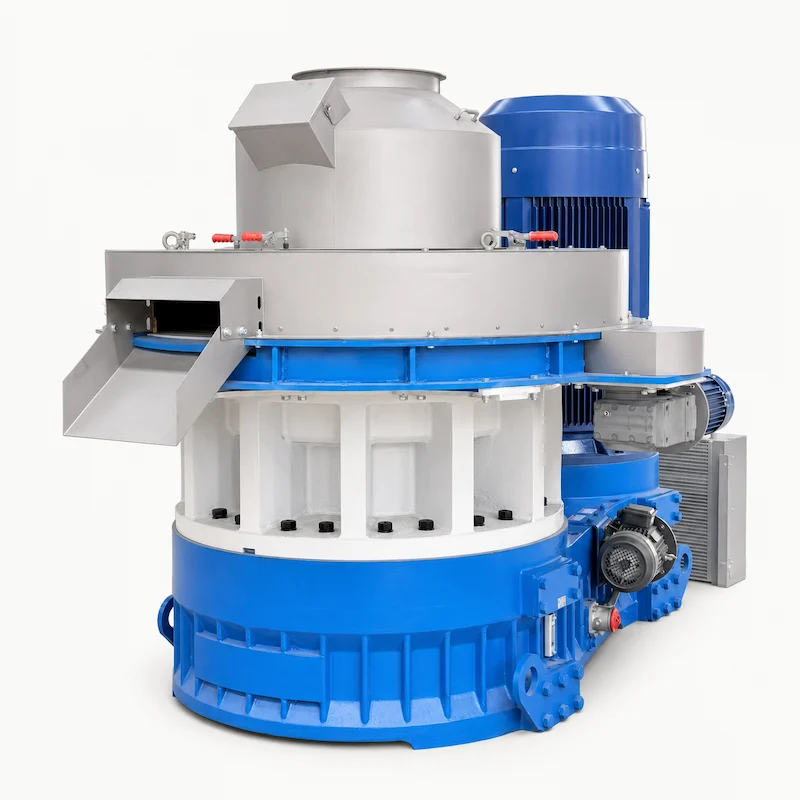
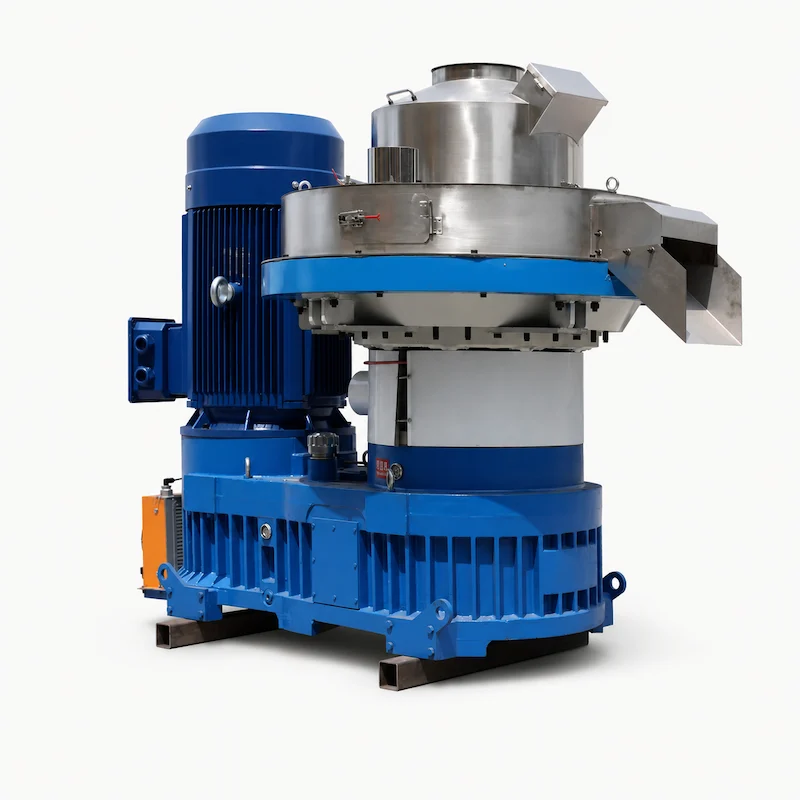
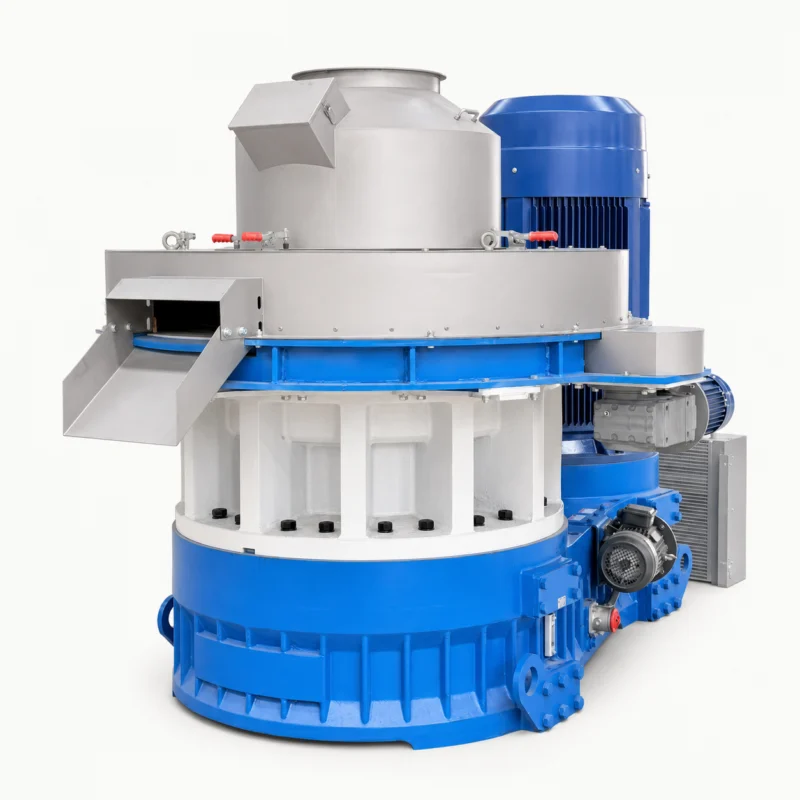
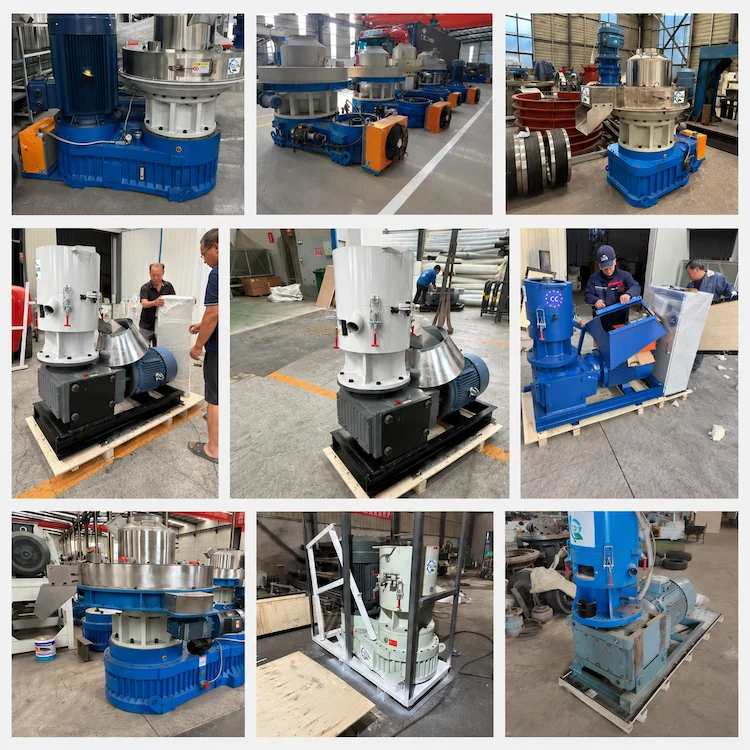
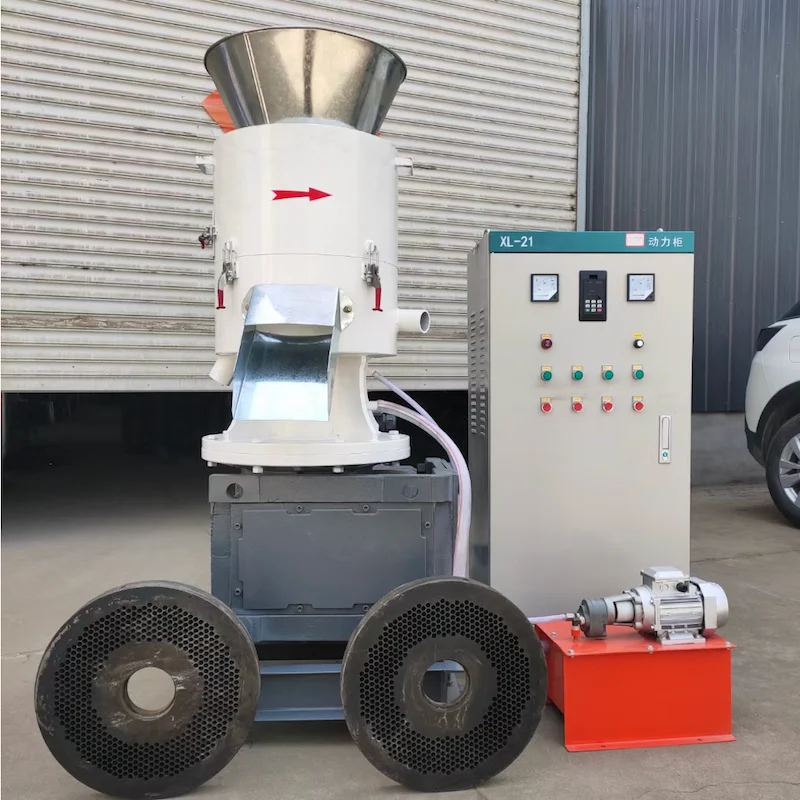
The corn cob pellet mill, also known as a maize cob pellet machine, is a molding machine specifically designed to compress corn cobs into high-density fuel or feed pellets. We offer two types of corn cob pellet mills: flat die type and ring die type. The choice depends on your production capacity requirements. If your production capacity is less than 1,000 kgs/hour, the flat mode corn cob pellet mill is the best choice. If you need to produce more than 1,000 kg/hour, you can choose the ring-die corn cob pellet mill. Corn cobs are a seasonal agricultural byproduct, with abundant raw materials and are a renewable resource. To ensure maximum capacity and production efficiency of the corn cob pellet mill, it is best to crush them to within 10 mm.

TCPEL TCZL400-37KW-pellet-maker
Corn cob pellet machine
TCPEL CCPM01

CORN COB PELLET MILL TYPES AND THE MODELS

TCPEL 2024_07_24_13_59_IMG_0677

TCZL250 Corn Cob Pellet Mill

Main Motor: 7.5KW Capacity: 80-150kgs/h Application: Smallest model, used for home use or farm usually.

TCPEL TCZL400-Flat-Die-Pellet-Mill

TCZL300 Corn Pellet Machine

Main Motor: 22KW Capacity: 200-300kgs/h Application: It can process the corn cob into corn cob pellet bedding

TCPEL 50-1,000kgh-Newspaper-Pellet-Mill

TCZL400 Corn Cob Pellet Machine

Main Motor: 37KW Capacity: 400-600kgs/h Application: Middle model, it’s an ideal model to use for small businesses

TCPEL Corn Cob Pellet Machine

TCZL550 Flat Die Corn Cob Pellet Mill

Main Motor: 75KW Capacity: 800-1,000kgs/h Application: It can use for small pellet plant

TCPEL COCONUT-SHELL-PELLET-MAKING-MACHINE-FOR-SALE

Heavy-duty Corn Cob Pellet Mill

Main Motor: 110KW Capacity: 1,000-1,500kgs/h Application: It’s equipped with a gearbox used for small businesses.

TCPEL TCZL700-Ring-Die-Pellet-Mill

560 Corn Cob Pellet Machine

Main Motor: 132KW Capacity: 1,500-2,000kgs/h Application: It’s one of the most popular models in the industrial pellet plant.

TCPEL TCZL560-Ring-Die-Pellet-Machine

Industrial Corn Cob Pellet Mill

Main Motor: 160KW Capacity: 2,000-2,500kgs/h Application: Durable pellet machine can stably work 24/7 hours.

TCPEL TCZL850A-250KW-pellet-mill

Commercial Corn Cob Pelletizer

Main Motor: 250KW Capacity: 3,000-4,000kgs/h Application: Mostly used for the big pellet plant, used for power plants, boilers, etc

Corn cob pellet mills offer a single machine capacity ranging from 80 kg/hour to 4000 kg/hour, adapting to different production scales and flexibly meeting the needs of family, small workshops, industrial, and large-scale commercial production. We provide a corn cob pellet press one-stop solution for corn cob pelleting, and it is an ideal choice for biomass resource recycling.

TECHNICAL PARAMETERS

MACHINE MODELMAIN MOTORCAPACITYMACHINE TYPECONFIGURATION
TCZL30022KW200-400KG/HFlat DieMain pellet machine, control panel,etc.
TCZL40037KW300-500KG/HFlat DieMain pellet machine, control panel,etc.
TCZL45055KW600-800KG/HFlat DieMain pellet machine, control panel,etc.
TCZL55055KW800-1000KG/HFlat DieMain pellet machine, control panel,etc.
TCZL56090KW1000-1500KG/HVertical Ring DieMain pellet machine, control panel,etc.
TCZL650110KW1200-1400KG/HVertical Ring DieMain pellet machine, control panel,etc.
TCZL560A132KW1500-2000KG/HVertical Ring DieMain pellet machine, control panel,etc.
TCZL700160KW2000-2500KG/HVertical Ring DieMain pellet machine, control panel,etc.
TCZL850220KW3000-3500KG/HVertical Ring DieMain pellet machine, control panel,etc.
TCZL850A250KW3500KG/HVertical Ring DieMain pellet machine, control panel,etc.
TCZL850B280KW4000KG/HVertical Ring DieMain pellet machine, control panel,etc.

CORN COB PELLET MILL DETAILS VIDEOS

This video showed the range of TCPEL corn cob pellet mills from 7.5kw to 500kw. With a full lineup of models, they are suitable for home use, small factories, and large industrial pellet production lines. Feel free to contact us anytime if you are interested.

HOW TO MAKE FUEL PELLETS FROM CORN COBS?

TCPEL High-Humidity-Hammer-Mill
corn cob hammer mill
TCPEL Dryer
corn cob drum rotary dryer
TCPEL pellet-packing-machine
corn cob pellet mill
TCPEL pellet-cooler
corn cob pellets cooler
TCPEL COCONUT-SHELL-PELLET-MAKING-MACHINE-FOR-SALE
corn cob pellet packing machine

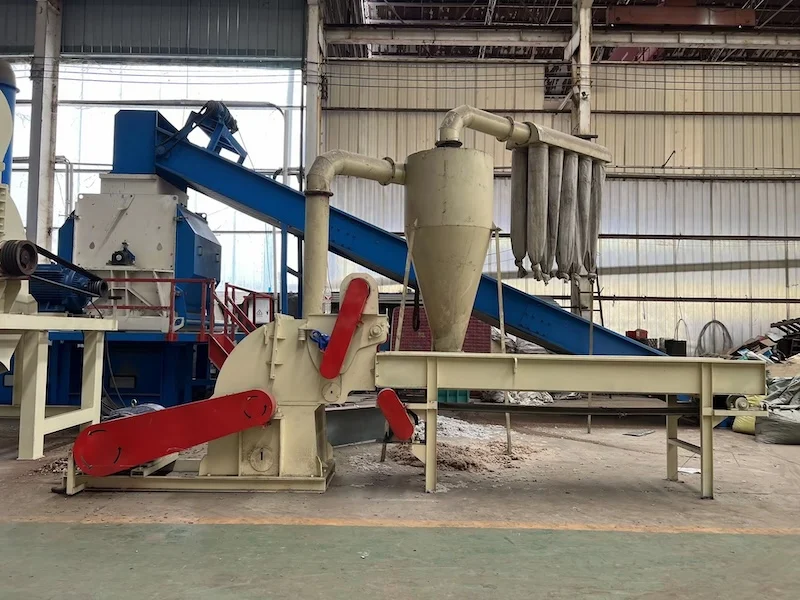
How to make fuel pellets from corn cobs? Corn cobs are a common agricultural residue. The configuration of a corn cob pellet production line depends on the size and moisture content of your raw materials. If the corn cobs are whole and the moisture content is above 20%, then to process high-quality, high-density corn cob pellets, they need to be crushed using a hammer mill, dried using a drum dryer, and finally pressed into pellets using a corn cob pellet mill. However, in some arid climates, such as some countries in Africa and the Middle East, due to the dry climate, a corn cob dryer is not necessary; crushing is sufficient to produce high-quality pellets, which significantly reduces investment and pellet processing costs.

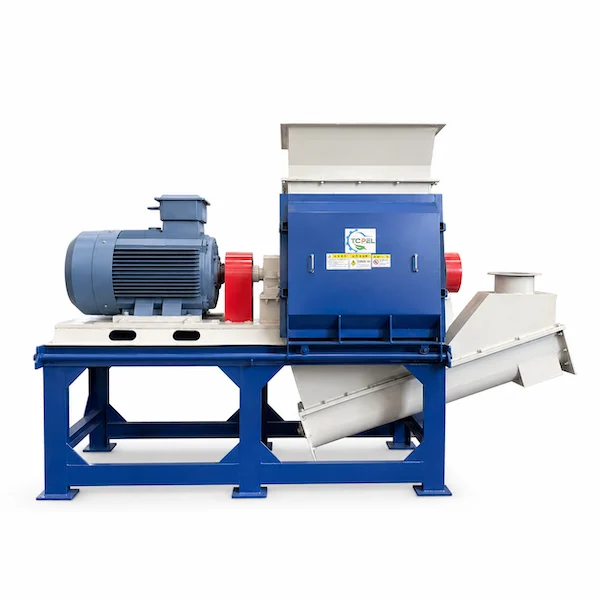
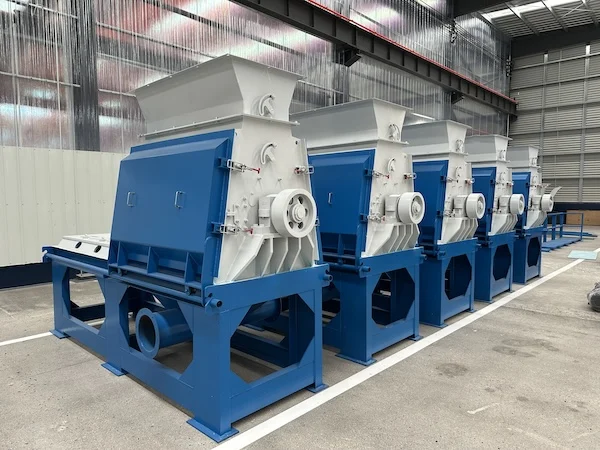
Crushing Section – Corn cob hammer mill

In the corn cob pellet production plant, the crushing section is a crucial process. Corn cobs are large in size and cannot be directly fed into a pellet mill, as it will affect the pellet mill capacity. So, the first step is crushing; to maximize the corn cob hammer mill capacity, an underground automatic feeder could be added. We specialize in a high-efficiency hammer mill with customized screens and hammers, ensuring a continuously stable and high-yield production line.

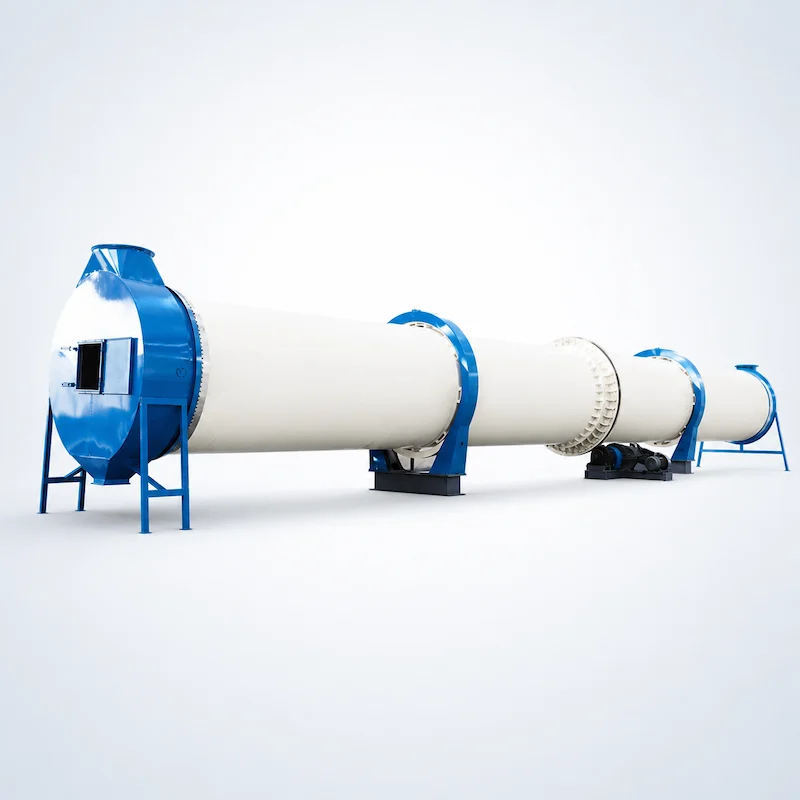
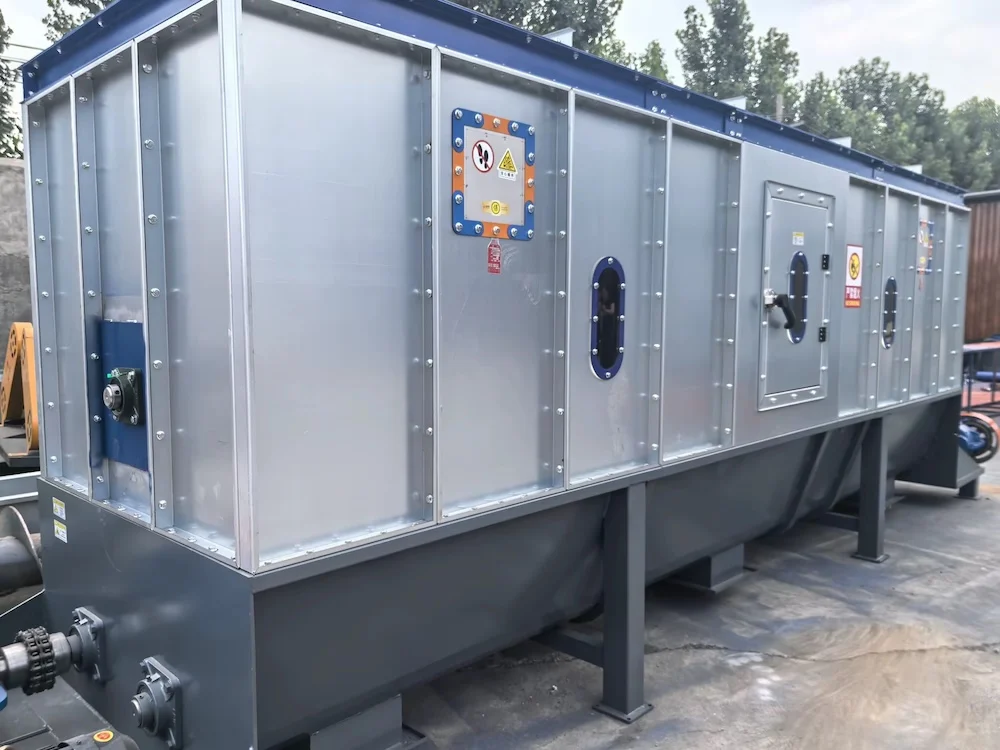
Drying Section – Corn cob drum dryer

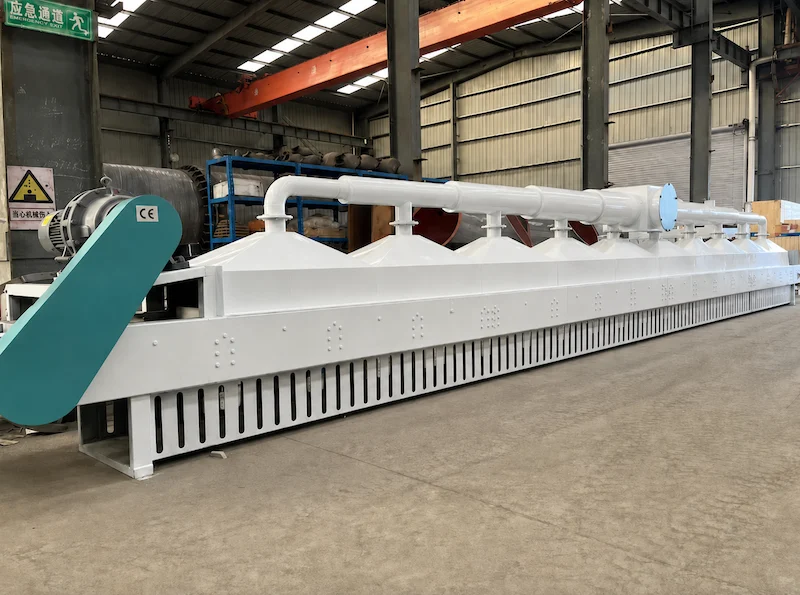
Freshly harvested corn cobs typically have a moisture content of 30-35%, while the corn cob pellet mill needs to be controlled within the range of 13% to 17%. Excessive moisture content will affect pellet-forming quality and machine stability. Therefore, corn cobs need to be dried before being fed into the pellet mill. Considering the large volume of corn cobs harvested, natural sun-drying would require a large area, have low drying efficiency, be highly susceptible to weather conditions, and make it difficult to achieve the expected drying effect. Therefore, a rotary drum dryer system is the ideal choice for the biomass pellet production plant.

Pelletizing Section – Corn cob pellet machine

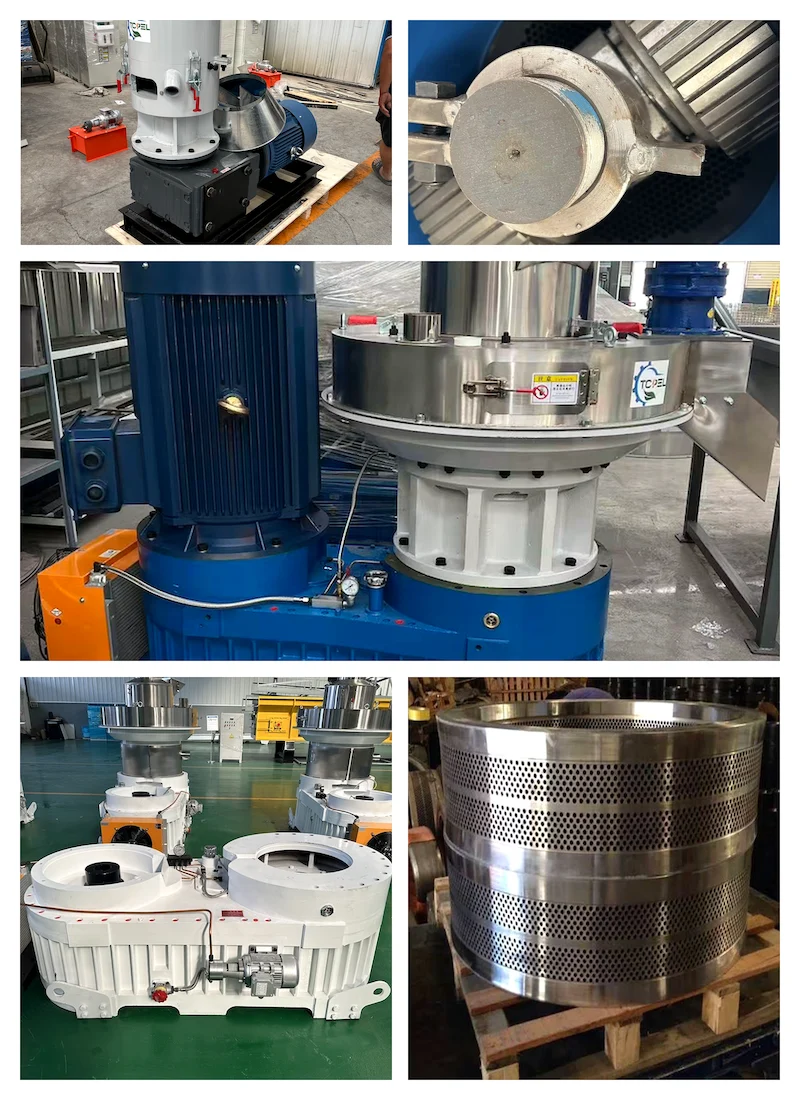
After being crushed and dried, the corn cob can be directly fed into the biomass pellet mill pelletizing chamber via the VFD feeding belt conveyor. The biomass corn cob pellet mills relies on a powerful press roller and a high-temperature resistant, and wear-resistant ring die to extrude the raw materials into corn cob pellet. The fuel pellets are then discharged. The corn cob pellet mill is equipped with a heavy-duty gear box and a automatic lubrication system, which effectively improve work efficiency, ensures long-term continuous and stable operation, and significantly improves the overall reliability of the machine.

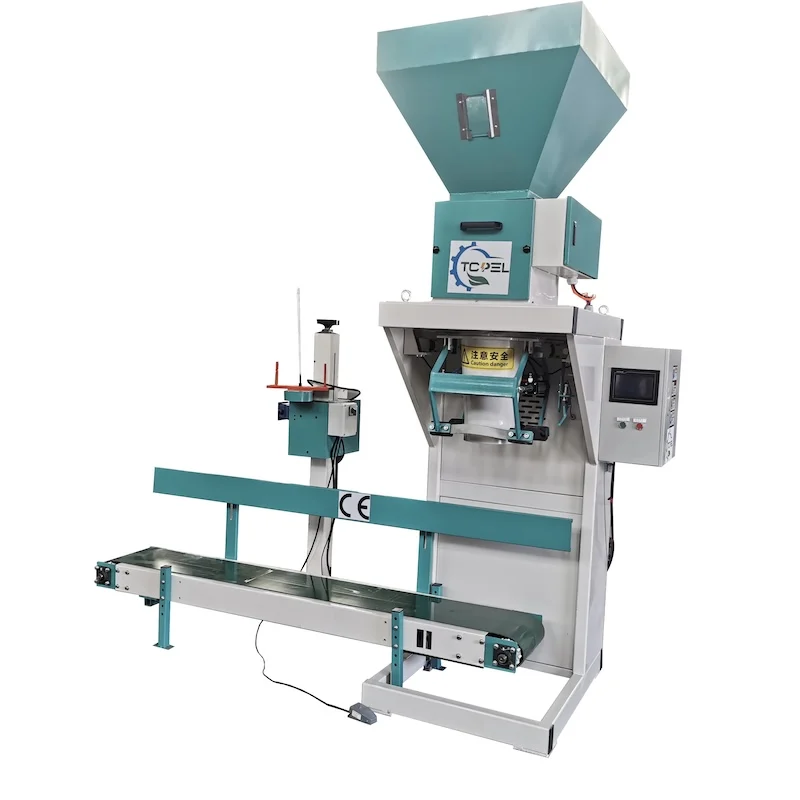
Corn cob pellet cooling and packing equipment

If corn cob pellets require small-bagged packaging, they must be cooled beforehand. A mesh belt biomass pellet cooler can smoothly convey the pellets, minimizing vibration, ensuring pellet quality, and significantly improving cooling efficiency. If the local condition permit, you can build a biomass pellet cooling silo locally to reduce cooling and packaging costs. After cooling, the pellets are fed into a semi-automatic pellet packaging machine. We do not recommend using fully automatic pellet packaging machines due to their extremely high investment costs.

If the biomass pellets produced are for your personal farm use, consider using natural air cooling, combined with manual packaging, to minimize production costs.

WHY PROCESS CORN COB INTO FUEL PELLETS?

TCPEL Corn Cob Pellet Machine
corn cob pellets

Pressing corn cobs into pellets has the following advantages: it can reduce transportation costs, improve combustion performance, increase the added value of corn cobs, and meet current environmental protection requirements.

  • Corn cob pellets offer excellent combustion performance and high fuel efficiency.

Corn cob pellets are a high-quality biomass fuel with a calorific value of 3600–4100 kcal/kg and an ash content between 2-5%, lower than that of straw and rice husks. The dense structure of corn cob pellets concentrates heat, ensuring complete combustion. They are less prone to slagging and sticking to the walls, producing less ash and significantly reducing ash cleaning and maintenance workload, making them an ideal choice for boiler fuel. The safety of using corn cob pellets is far superior to that of bulk raw materials, and their thermal efficiency is greatly improved.

  • Corn cob pellets are small in size, significantly reducing storage and transportation costs.

Corn cob pellets are small in size, significantly reducing storage and transportation costs. Initial corn cobs are loose and bulky, taking up a lot of space and having a low bulk density. The conventional bulk density is only about 80–120 kg/m³, while the bulk density of corn cob pellets after pelletizing can reach 500–650 kg/m³, reducing the raw material volume by more than 60%. In terms of transportation volume and space storage, increased transportation volume effectively reduces warehouse usage space, thereby saving space, transportation costs, and making storage more convenient.

  • Corn cob pellets enhance product added value, broaden sales channels, and are suitable for various automated equipment.

Corn cob raw materials are limited in quantity, and the selling price is low, resulting in a narrow range of applications. The biomass pellet machine processes them into uniformly sized corn cob pellets. These pellets are suitable for various boilers, power plants, and biomass burners, making feeding easier and reducing the risk of clogging or bridging. They can also be exported, offering a broad market prospect and wide coverage, thereby improving overall economic benefits.

WHY CHOOSE TCPEL CORN COB PELLET MACHINE?

TCPEL: a professionally adapted, highly efficient, energy-saving, high-quality, stable, durable, and well-serviced biomass pelleting solution provider.

1. Widely applicable, customizable services available. Covering both flat die and ring die pellet mills, with a complete range of models, and specifically customized for corn cob raw materials to ensure efficient pellet production.

  1. The pellets are of high quality and have a wide range of applications.

The corn cob pellets have a 99% forming rate, uniform size, and good density. They are available in various sizes from 4 to 10 mm and are suitable for a variety of boilers.

  1. The corn cob pellet mill is robust, operates stably, and has excellent after-sales service.

Heavy-duty pellet mills can be used for a corn pellet plant. Detailed after-sales instructions and usage videos are provided, along with 24-hour online service. Solve problems promptly to ensure production efficiency.

TCPEL Corn-cob-pellet-machine-structure

TCPEL - YOUR PROFESSIONAL CORN COB PELLET MACHINE MANUFACTURER

TCPEL Professional-Corn-Cob-Pellet-Mill-Manufacturer
Professional Corn Cob Pellet Mill Manufacturer

FREQUENTLY ASKED QUESTIONS

1.Can we use corn cob pellets in a home pellet stove?

Yes, corn cob pellets can be used well in home pellet stoves. They can be used not only in homes but also in industrial boilers, etc. They burn completely and provide sufficient heat output. You just need to remember to clean the furnace regularly and prevent ash buildup.

Corn cob can be vertically fed into the pellet mill chamber through the feed port. Internal pressure rollers rotate and compress the corn cobs, forcing the loose corn cob powder out of the ring die to form cylindrical pellets. An internal cutting function then cuts the powder into uniform pellets, which are finally discharged from the outlet.

Ensure the raw material size is within 10mm, and the moisture content is between 13-17%. Regardless of whether manual feeding or a feeding system is used, ensure uniform feeding speed, prevent the pellet mill from being overloaded, and regularly inspect and maintain the equipment to ensure continuous and stable operation. If you would like to learn more, please feel free to contact us.

Sure. You can use the same pellet mill to make different pellets. You just change the different dies is ok. You know, the different raw material, it needs different press rates of the die, so to make high-quality pellets, you need to prepare different dies is ok. And it is very easy to change the die.

After you place an order, we will submit a special request to the GM. This is because we need to consider factors such as whether your raw materials are available from us, and whether your voltage and frequency are compatible with ours, etc. We will try our best to do it.

Regarding raw materials, ensure the size is within 10mm, and the moisture content is between 13-17%. For feeding, ensure uniform feeding to prevent the pellet mill from overloading. When using the pellet mill, carefully read the instruction manual and perform regular maintenance and daily upkeep. If you have any questions, please feel free to contact us.

Related Machine

TCPEL Wood-Crusher-Machine

Force Feeding Crusher

It can process the small wood branches, wood chips into wood sawdust direclty

TCPEL high-efficiency-wood-crusher

Biomass Hammer Mill

A high-humidity hammer mill can process wet raw materials make sure the eifficiently run.

TCPEL Buffer-Silo

Buffer Bin

It is suitable for a pellet production line to improve the pellet production efificiency.

Get Corn Cob Pellet Mills Solution

We have been focusing on pellet and briquette machines for more than 20 years, striving for excellence and focusing on details and quality. Choose us and we will never let you down.

  • The best design & quality machines
  • Quick reply within 2 hours
  • Provide the best proposal within 72 hours.
  • Free test run service for special raw materials
  • Decades of expertise, highly skilled team, tailored solutions.

TCPEL Alfalfa Hay Pellet Making Machine

TCPEL product guidance

Corn Cob Pellet Machine: quick answer

A corn cob pellet machine processes suitably prepared material into pellets. The correct machine and die depend on particle size, moisture, target kg/h output, pellet diameter, working hours and local voltage.

Best matched by

Raw material, moisture, output, pellet size and working hours.

Configuration options

Single machine or matched process equipment for a complete line.

For a useful quotation

Send capacity, voltage, destination port and material details.

Frequently asked questions

What is the corn cob pellet machine used for?

It is used to process properly prepared material into consistent pellets. The final configuration depends on material condition, target output, pellet diameter and operating schedule.

How do I choose a corn cob pellet machine?

Compare the material, moisture, particle size, target kg/h output, pellet diameter, voltage and daily working hours before selecting a machine.

What should I provide for a model recommendation?

Send raw material photos, moisture, required capacity, pellet size, local voltage, working hours and destination port.

Content maintained by TCPEL, a brand of ALLWIN INTERNATIONAL CO.,LTD. Last updated 2026-07-25. Specifications and recommendations are confirmed against the material and project scope before quotation.

Request a model recommendationExplore feed pellet machines

Contact us