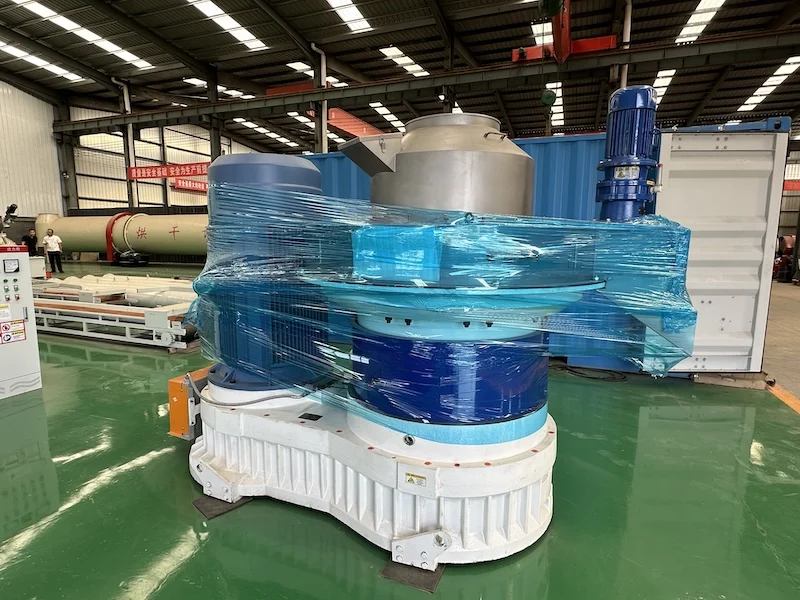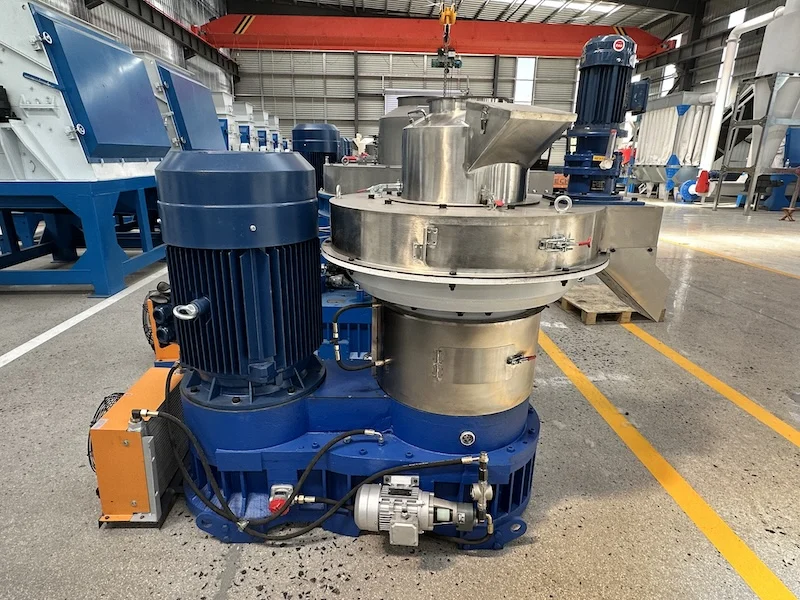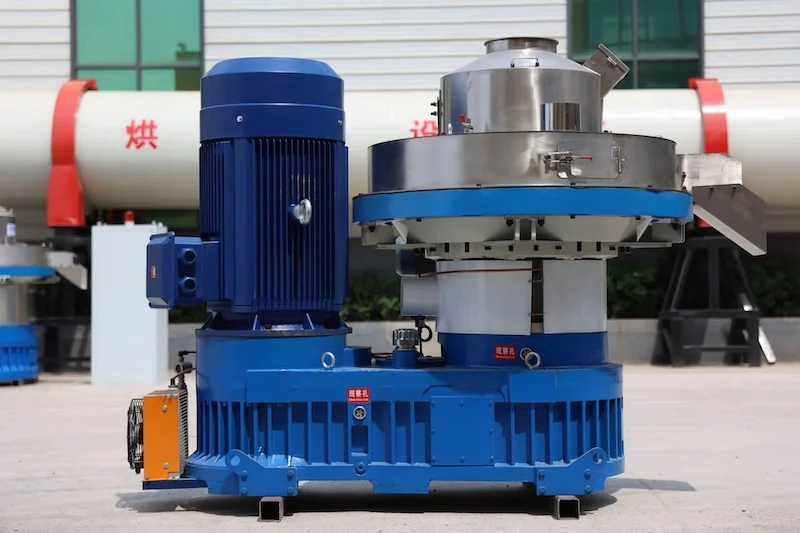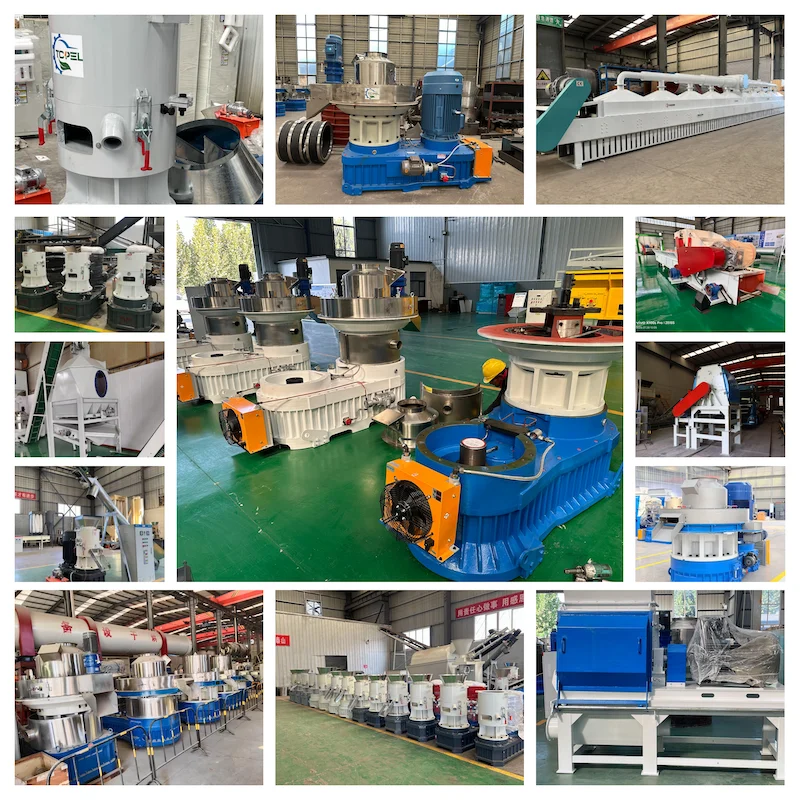
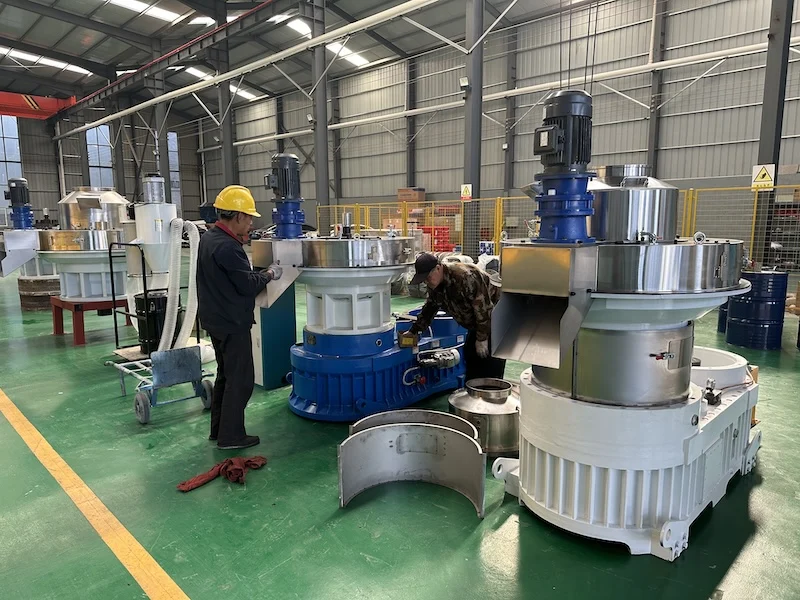

BIOGAS RESIDUE PELLET MACHINE

High-capacity & performance biogas residue pellet mill can one-step forming for fermented biogas residue with low energy consumption and stable continuous work.

BIOGAS RESIDUE PELLET MACHINE FOR SALE

The biogas residue pellet mill is dedicated to the resource utilization of biogas residue, transforming agricultural waste into valuable resources and providing green and efficient solutions.

Biogas residue pellet mill, also known as biogas fermentation residue pellet mill, is a specialized pelletizing equipment specifically designed for biogas residue materials produced by biogas plants, etc. Our biogas residue pellet mill presses biogas residue into fuel pellets, which solves the problems of high water content and land occupation caused by biogas residue after fermentation. By dewatering the biogas residue, it can improve the efficiency of the pelleting section, achieving a dual improvement in environmental and economic benefits. It is the preferred equipment for modern ecological circular agriculture.

TCPEL Biogas Residue Pellet Machine
Biogas Residue Pellet Mill
TCPEL BPP08

BIOGAS RESIDUE PELLET MILL TYPES AND MODELS
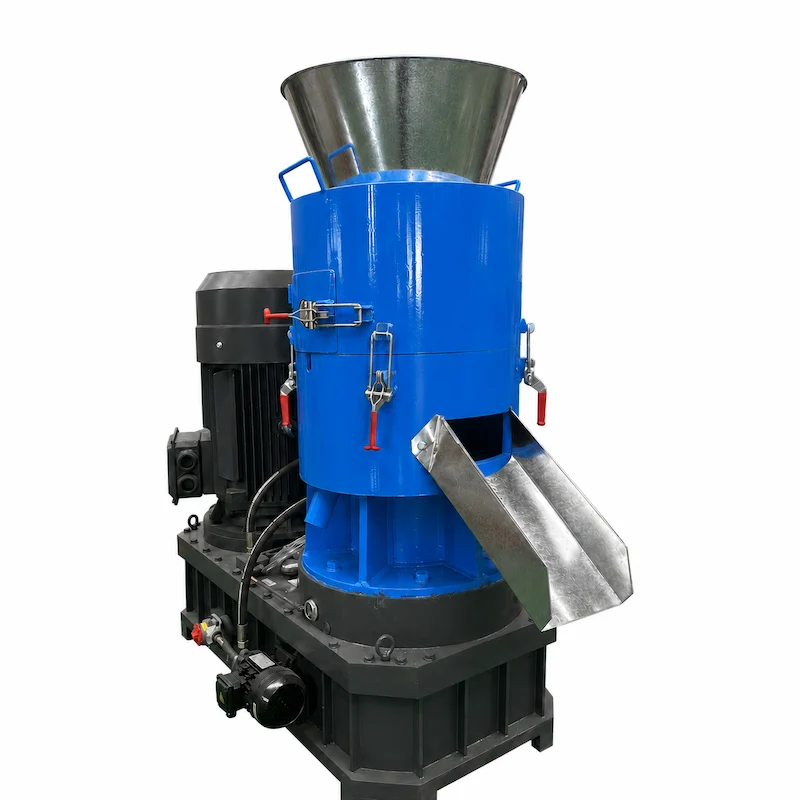
TCPEL TCZL550-Wool-Pellet-Machine

TCZL550 Biogas Residue Pellet Mill

The 75kw biogas residue pellet machine, capacity is 800-1,000kgs/h, the maximum is 1,100kgs/h, it suits for small business.
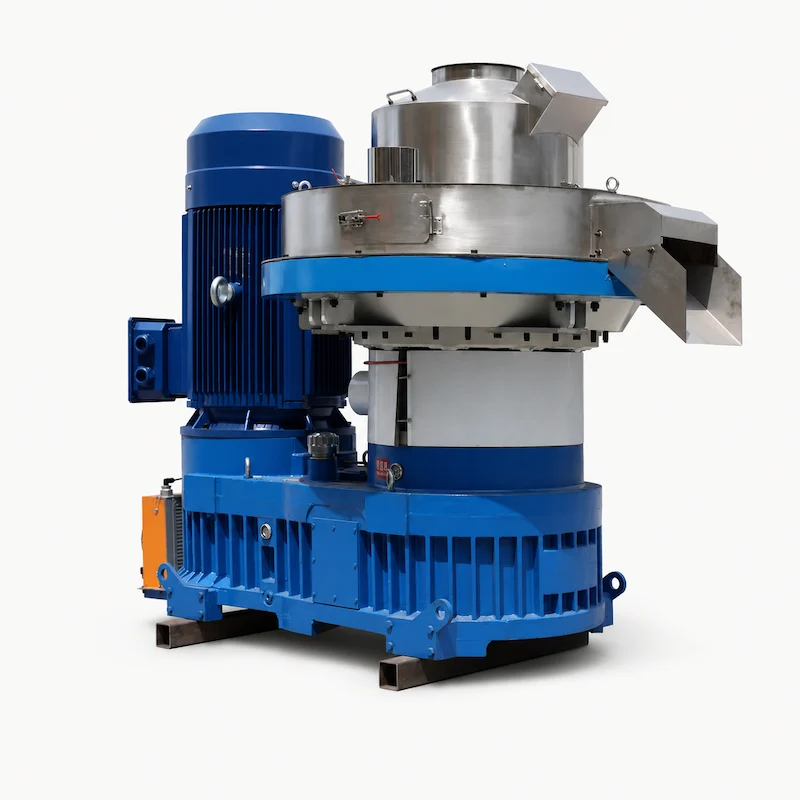
TCPEL kx-ryegrass-pellet-machine

TCZL560 Biogas Residue Pellet Machine

The heavy-duty biogas residue pellet machine, total power 100-140kw, capacity 1-2t/h.
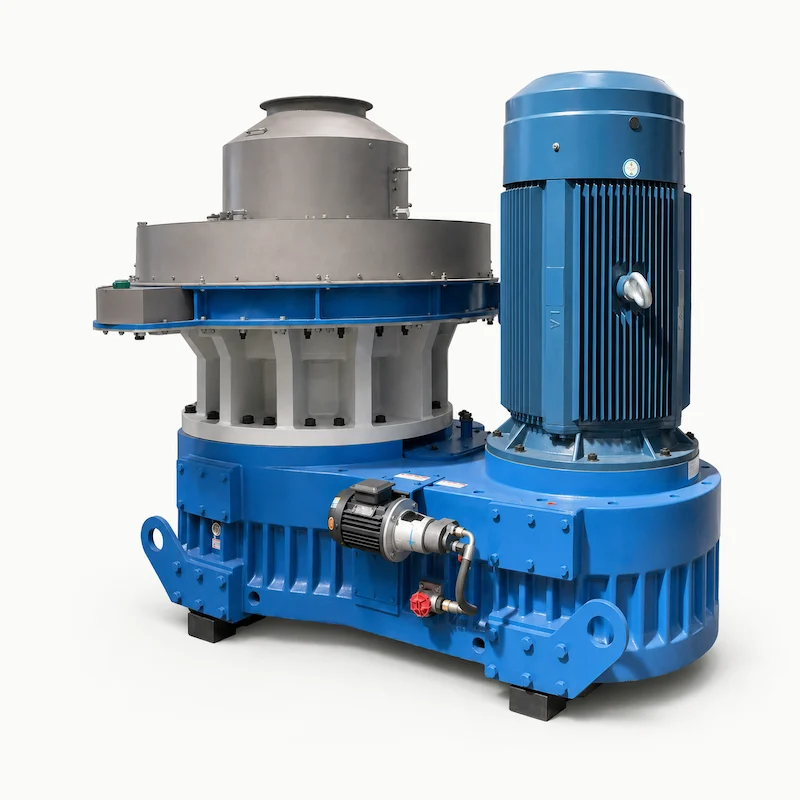
TCPEL Biogas Residue Pellet Machine

TCZL700 Biogas Residue Pelletizer

Main motor 160KW,capacity 2-2.5t/h, and need the raw material moisture content within 20% maximum.
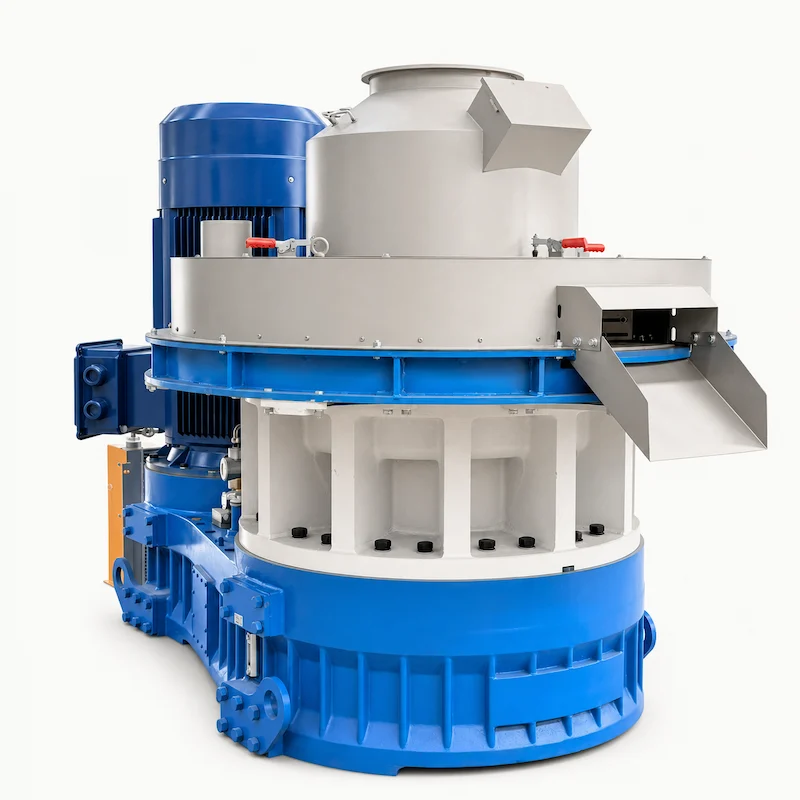
TCPEL Biogas Residue Pellet Machine

TCZL850 Industrial Biogas Residue Pellet Mill

The main motor is 220KW/250KW/KW, the capacity 3-4 ton/h, and it is usually used in the large pellet plant, with a full automatic lubrication system.
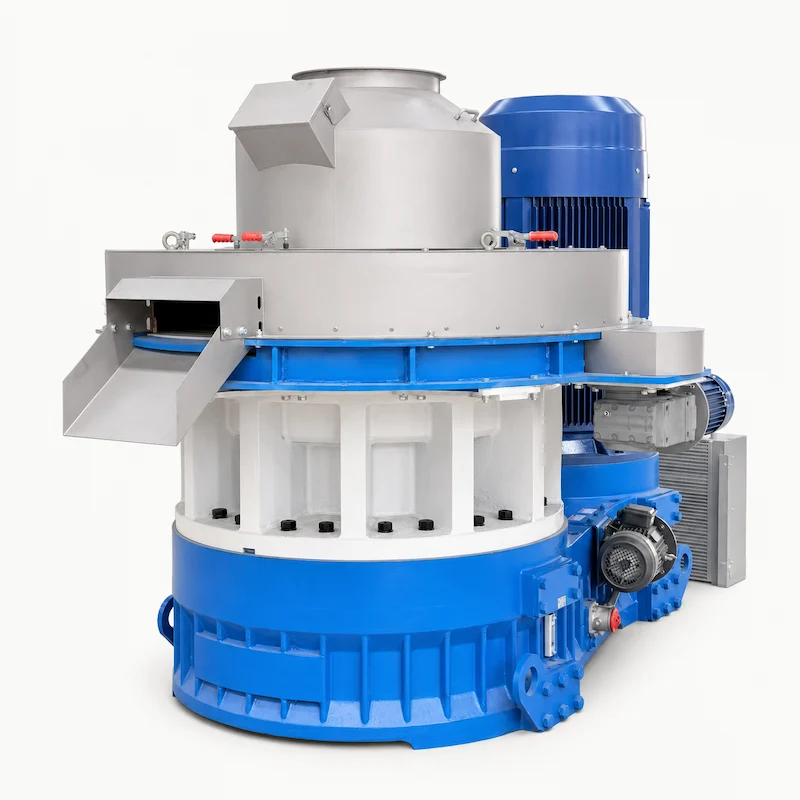
TCPEL Large-Bamboo-Pellet-Mill

Large Biogas Residue Pellet Machine

The large capacity biogas pellet machine can be used for big scale pellet plant, the final pellets can use for fertilzier, bedding, biofuel, etc.

sludgepm-5

UNIQUE ADVANTAGES OF TCPEL BIOGAS RESIDUE PELLET MACHINE
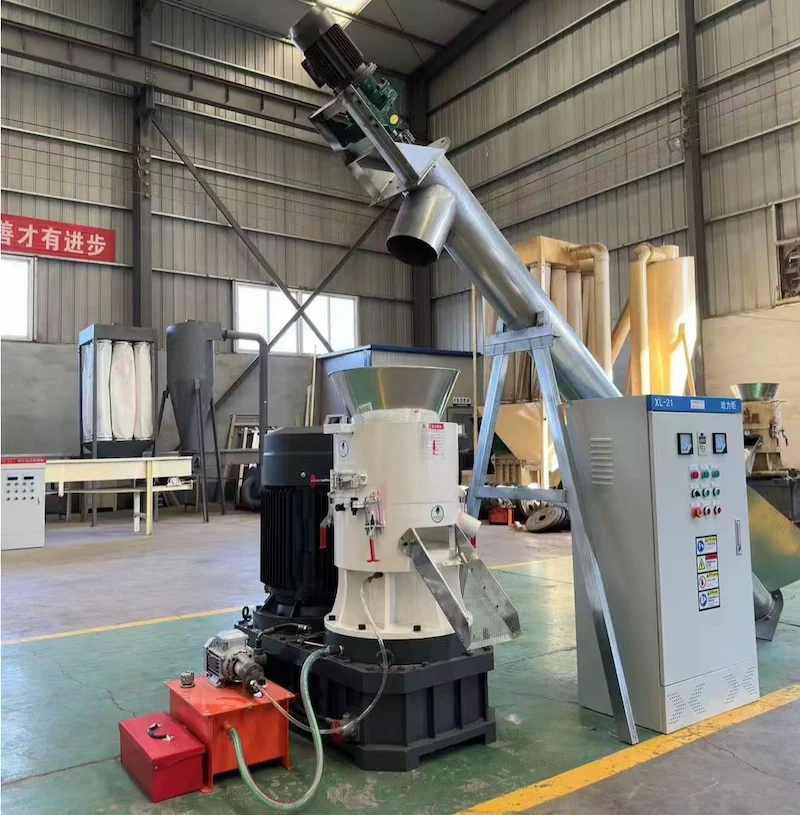
TCPEL small-flat-die-biogas-residue-pellet-machine

We have different optional from small to big, and you can choose based on actual.

Flat-die biogas residue pellet mills have low investment costs, compact structure, small footprint, low maintenance costs, and are easy to operate and maintain. They are flexibly applicable to small-scale industries and small biogas stations.

Operational stability, suitable for continuous industrial production.

The vertical ring die pellet machine features a heavy-duty reinforced body, a thickened transmission reducer, and wear-resistant pressure rollers. The biogas residue pellet mill is specifically designed for biogas residue with large fluctuations in moisture content and high levels of fiber impurities, ensuring balanced material extrusion force and continuous, stable operation.

TCPEL Biogas-Residue-Pellet-Machine
TCPEL Biogas-Residue-Pelletizer

Roller rotation design, higher pressure to get high density pellets.

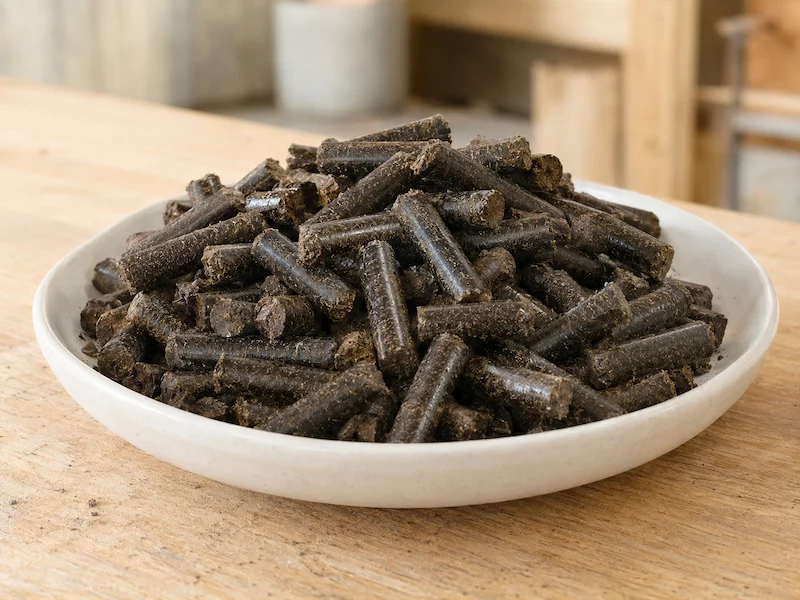
Using high-strength, wear-resistant pressure rollers, biogas residue is extruded through a ring die, resulting in high-density, high-hardness pellets that are less prone to breakage, produce less dust, have a high forming rate, and produce uniform, regular pellets that are easy to store. These pellets can be used directly as fuel pellets or organic fertilizer pellets, offering higher added value.

High capacity and adaptable to diverse and complex application scenarios

The maximum output of a single unit can reach 6t/h, and it can be equipped with a complete biogas residue dewatering, drying, and pelleting production line. It is suitable for various raw materials such as biogas residue, biogas residue mixed with straw, and biogas residue mixed with organic fertilizer. It can be applied to various industrial scenarios such as large-scale biogas power plants and large-scale organic fertilizer industrial parks for large-scale continuous production.

TCPEL Large-Biogas-Residue-Pellet-Machine

TECHNICAL PARAMETERS

MACHINE MODELMAIN MOTORCAPACITYMACHINE TYPECONFIGURATION
TCZL30022KW200-400KG/HFlat DieMain pellet machine, control panel,etc.
TCZL40037KW300-500KG/HFlat DieMain pellet machine, control panel,etc.
TCZL45055KW600-800KG/HFlat DieMain pellet machine, control panel,etc.
TCZL55055KW800-1000KG/HFlat DieMain pellet machine, control panel,etc.
TCZL56090KW1000-1500KG/HVertical Ring DieMain pellet machine, control panel,etc.
TCZL650110KW1200-1400KG/HVertical Ring DieMain pellet machine, control panel,etc.
TCZL560A132KW1500-2000KG/HVertical Ring DieMain pellet machine, control panel,etc.
TCZL700160KW2000-2500KG/HVertical Ring DieMain pellet machine, control panel,etc.
TCZL850220KW3000-3500KG/HVertical Ring DieMain pellet machine, control panel,etc.
TCZL850A250KW3500KG/HVertical Ring DieMain pellet machine, control panel,etc.
TCZL850B280KW4000KG/HVertical Ring DieMain pellet machine, control panel,etc.

Above are the biogas residue pellet machine reference parameters. If you want to know more detailed technical parameters, warm welcom free to contact us anytime.

WHY MAKE BIOGAS RESIDUE INTO PELLETS?

TCPEL Biogas Residue Pellet Machine

Initial biogas residue has a very high moisture content, is loose and fluffy, has a high bulk density, occupies a lot of space, and emits an odor. Turning biogas residue into pellets offers the following advantages:

1. Significantly Reduced Storage and Transportation Costs: Pelletizing biogas residue increases density by 3-5 times, allowing for more raw materials to be loaded into the same transport vehicle, reducing freight costs, and reducing storage space by more than half.

2. Facilitates Long-Term Storage and Prevents Deterioration and Mold: Fresh biogas residue with a moisture content of 80%-90%, This not only breeds harmful microorganisms and produces foul odors, but rainwater runoff also causes nutrient loss and pollutes surrounding soil and water sources. After drying and pelleting, the pellets can be stored for 1 to 2 years, significantly extending their storage period.

3. Making fertilizer pellets offers more stable fertilizer efficacy: The fertilization effect of biogas residue granules is significant: compared with the disadvantages of fine and loose biogas residue being prone to dust and unevenly spread by manual application, the granules have moderate hardness, are evenly spread, are suitable for mechanized fertilization, improve work efficiency, and can loosen compacted soil.

4. As fuel pellets, energy can be reused:Dehydrated and dried biogas residue can be mixed with sawdust to make pellets. The calorific value of the mixture can reach 3800–4200 kcal/kg. The biogas residue pellets have a combustion rate of ≥92%, low ash content, and stable combustion.

HOW TO MAKE BIOGAS RESIDUE PELLETS?

Biogas residue is the solid residue produced by anaerobic fermentation of livestock and poultry manure, straw, and kitchen waste to produce biogas. The raw materials are complex, and the initial biogas residue usually has a moisture content of 60-85%, which is relatively viscous and easy to clump together. Directly pressing it into granules will clog the machine and prevent it from forming properly. Therefore, it needs to be dehydrated and dried first.

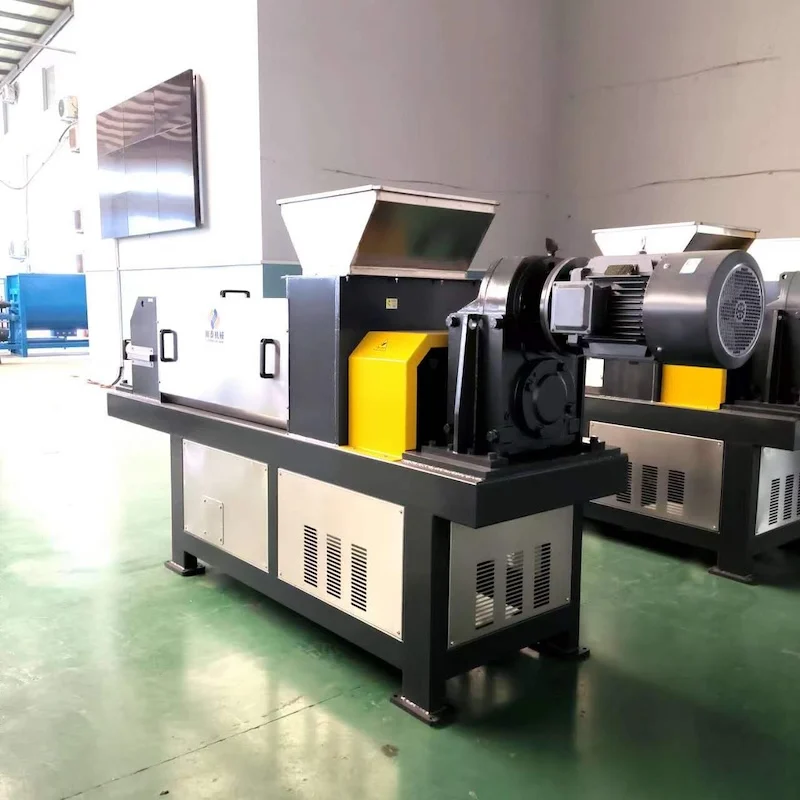
Step 1: Biogas residue dewatering machine.

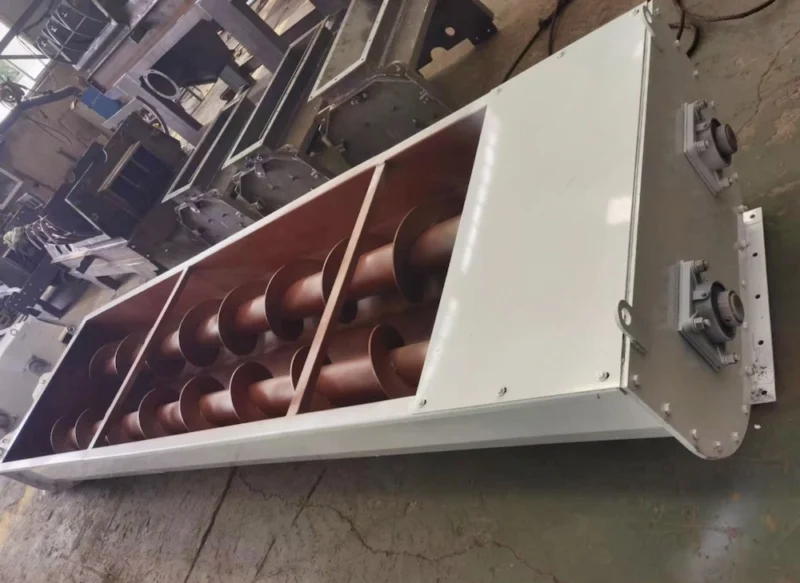
Dewatering is a crucial step in the biogas residue pellet production line. Typically, the initial moisture content of fermented biogas residue is 70-85%. Direct drying is very costly; however, using a screw dewatering machine can reduce the moisture content to 50%-60%, significantly reducing drying costs, saving energy, and improving material handling efficiency. The dewatered biogas slurry can also be recycled, achieving resource recycling.

TCPEL biogas-residue-dewatring-machine
biogas residue dewatring machine

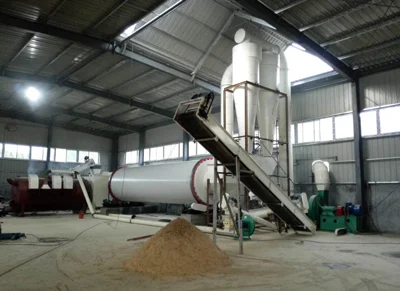
Step 2: Biogas residue rotary drum dryer

After dehydration, the biogas residue still has a moisture content between 50-65%, but the pellet mill needs the raw material moisture content around 13-17%. Therefore, a high-efficiency drum dryer is necessary. High-temperature hot air from a hot air furnace is continuously introduced into the drying drum, ensuring thorough contact and heat exchange between the hot air and the material. This guarantees drying efficiency, reduces wear on the pellet mill dies, prevents flat-die or ring-die blockage and shutdowns, and ensures compact and uniform pellet formation.

TCPEL rotary-biogas-residue-drum-dryer
rotary biogas residue drum dryer

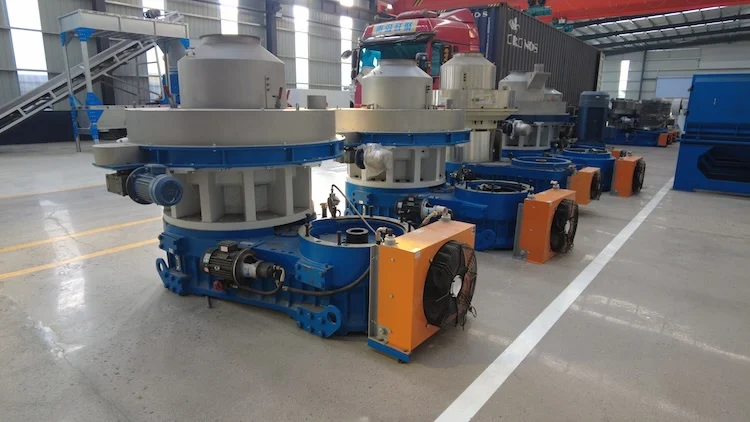
Step 3: biogas residue pellet making machine.

The heavy-duty pellet mill with rotating press roller, and through high pressure with the flat die or ring die, and under high-temperature conditions, the biomass pellets are pressed out directly. The pellet mills form pellets in a single pass without adding any binders. These pellets can be regarded as high-quality fuel or fertilizer pellets. For saving labor cost, the biomass pellet mill can be designed with an automatic feeder and uniform roller, which can help feed raw material uniformly and stably, avoiding clogging and jamming, significantly reducing equipment failure frequency and maintenance costs.

TCPEL biogas-residue-pelleting-machine
biogas residue pelleting machine

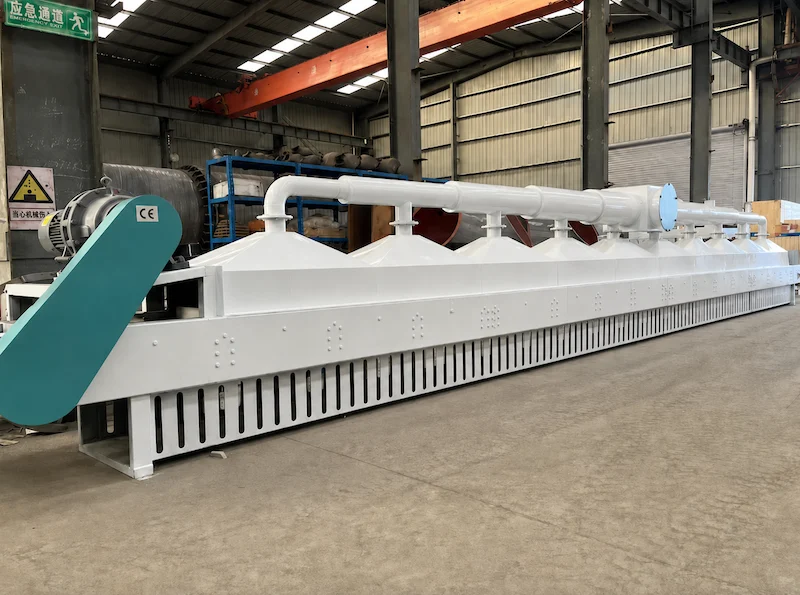
Step 4: pellets cooler and packing machine.

The temperature of biogas residue pellets is approximately 70-80 degrees Celsius. If the pellets are packaged directly by a pellet packing machine, the steam will be trapped inside the packaging bag, making the pellets easily loose and resulting in a shorter storage time. Therefore, the cooling process is crucial for packaging. Currently, there are three pellet cooling methods: mesh belt coolers, counter-flow coolers, or building a large cooling silo locally. We recommend the third method because it has lower operating costs, consumes no electricity, and requires less constant worker monitoring, making it the best choice.

TCPEL biogas-residue-mesh-belt-cooler
biogas residue mesh belt cooler

TCPEL YOUR PROFESSIONAL BIOGAS RESIDUE PELLET MILL MANUFACTURER

TCPEL Biogas Residue Pellet Machine

TCPEL provide customers with one-stop full-process services, adhering to the concept of green and circular development, processing waste biogas residue into organic fertilizer pellets, and providing mature and feasible environmental protection solutions for biogas residue treatment.

FREQUENTLY ASKED QUESTIONS

Can I pelletize fresh biogas residue directly without using a dewatering machine?

Yes, but the efficiency is extremely low. Fresh biogas residue has a moisture content of 60-85%. Using a dryer directly will only yield half the output of dewatering and then using a dryer, resulting in high energy consumption and low efficiency. This is not recommended.

Yes. Small pellet mills have a capacity of approximately 80 kg/hour to 1000 kg/hour. If you want to use biogas residue as raw material, you need to consider dewatering and drying processes. We recommend that your production line have a capacity of at least 600 kg/hour. However, if you want to use a small pellet mill, we suggest using only natural air drying.

The price of a biogas residue pellet mill depends on your production capacity and the design of your pellet plant. The price of a small flat die pellet mill is approximately $2,000 to $15,000, while a vertical ring die pellet mill costs approximately $14,000 to $60,000. The total cost of a complete biogas residue pelleting plant is approximately $150,000 to $500,000, depending on your specific circumstances.

Yes. We also have stamped biogas residue coal briquette machines. Please contact us if you are interested in this machine.

If only biogas residue is used to make pellets, its calorific value is only 3000-3400 kcal/kg. If some sawdust is mixed in, the calorific value can be increased to 3600-4000 kcal/kg. The specific calorific value depends on the raw material.

The number of workers needed depends on the output. A pellet production line with a capacity of 3-4 tons per hour requires approximately 3-4 people. Moreover, the higher the output of the production line, the lower the average labor cost due to economies of scale.

Related Machine

TCPEL Automatic-Feeder

Heavy-duty Automatic Feeder

The gearbox automatic feeder can uniformly feed raw material, ensuring the efficiency of the pellet production line.
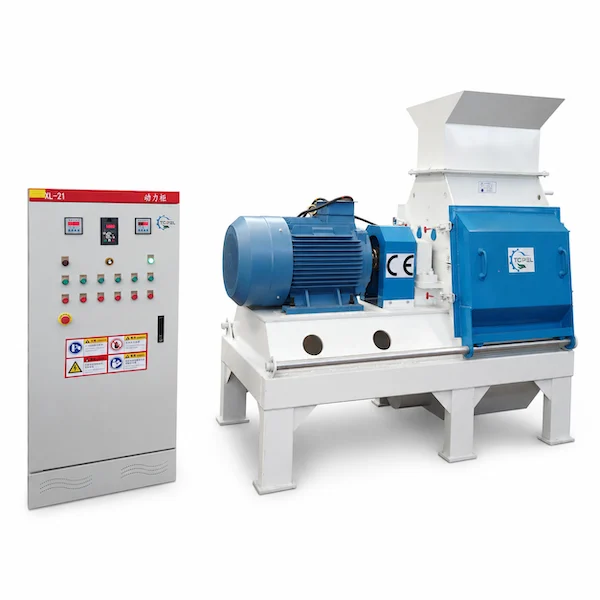
TCPEL high-efficiency-wood-crusher

High Humidity Hammer Mill

Specially design the high moisture content raw material, it solve the clog problem of the wet raw material.

TCPEL Large-Bamboo-Pellet-Mill

Large Pellet Machine

This is a new pellet mill that we developed independently.It is suitable for the industrial and commercial pellet plant.

CONTACT US NOW

We are one of the most professional pellet mill and briquette machine manufacturers with more than 20 years of experience. You are welcome to contact us to discuss more details.

  • The best design & quality machines
  • Quick reply within 2 hours
  • Provide the best proposal within 72 hours.
  • Free test run service for special raw materials
  • Decades of expertise, highly skilled team, tailored solutions.

TCPEL Alfalfa Hay Pellet Making Machine

TCPEL product guidance

Biogas Residue Pellet Machine: quick answer

A biogas residue pellet machine processes suitably prepared material into pellets. The correct machine and die depend on particle size, moisture, target kg/h output, pellet diameter, working hours and local voltage.

Best matched by

Raw material, moisture, output, pellet size and working hours.

Configuration options

Single machine or matched process equipment for a complete line.

For a useful quotation

Send capacity, voltage, destination port and material details.

Frequently asked questions

What is the biogas residue pellet machine used for?

It is used to process properly prepared material into consistent pellets. The final configuration depends on material condition, target output, pellet diameter and operating schedule.

How do I choose a biogas residue pellet machine?

Compare the material, moisture, particle size, target kg/h output, pellet diameter, voltage and daily working hours before selecting a machine.

What should I provide for a model recommendation?

Send raw material photos, moisture, required capacity, pellet size, local voltage, working hours and destination port.

Content maintained by TCPEL, a brand of ALLWIN INTERNATIONAL CO.,LTD. Last updated 2026-07-25. Specifications and recommendations are confirmed against the material and project scope before quotation.

Request a model recommendationExplore feed pellet machines

Contact us