
Biomass Pellet Production Line: Match the Process to Your Feedstock
A biomass pellet production line connects material receiving and preparation with pelletizing, cooling, screening and finished-product handling. The equipment list follows the actual feedstock: its composition, particle form, moisture and intended pellet use. Identify each supply stream before deciding whether it can share the same preparation route.
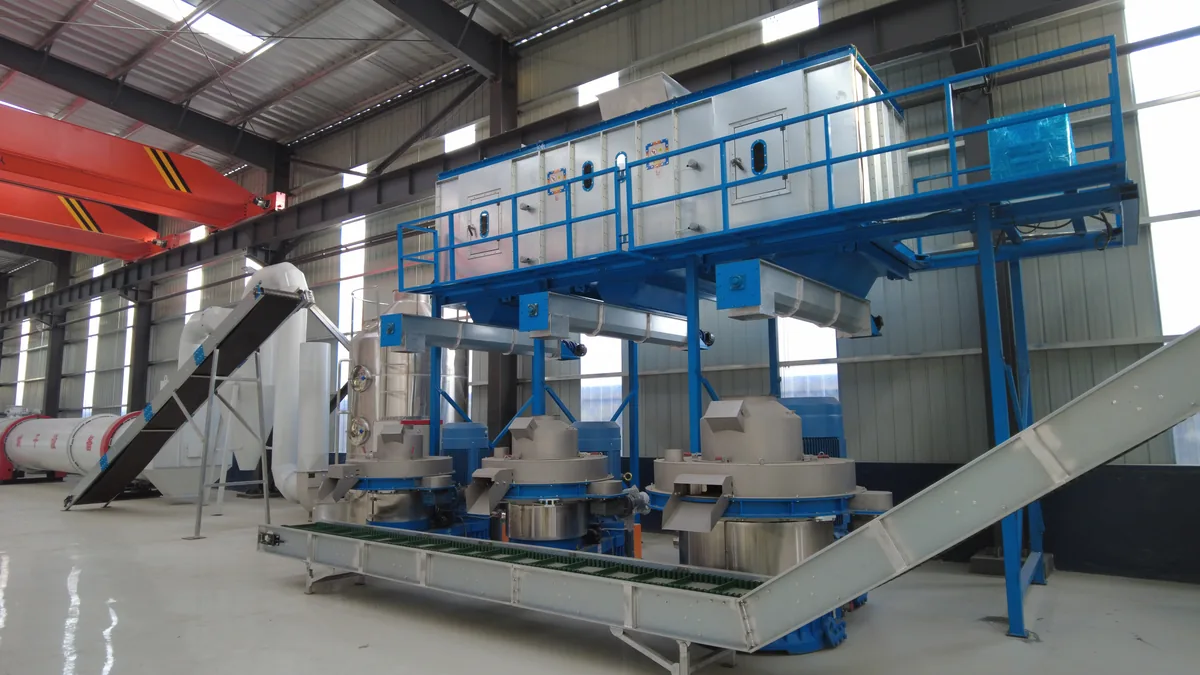
TCPEL can configure equipment for all types of wood raw material. Agricultural residues and blends containing non-wood material follow a separate suitability review: describe the exact material, planned mixture and intended use so that the necessary evidence or testing can be agreed before equipment selection.
Define the product before specifying the line
State whether the pellets are intended for your own process or for sale to another user. Obtain the intended buyer’s product requirements, including dimensions, handling expectations and any required testing. Do not assume that pellets acceptable to one end user will suit another market or combustion system.
Convert the intended buyer’s requirements into an acceptance checklist before ordering the line. Identify which pellet properties need to be measured and who will assess them. Any certification or market requirement needs its own evidence; supplying a complete line is not the same as certifying its product.
Build a separate record for each feedstock
Give every supply stream a name before assessing a shared biomass line. Keep supplier records, photos and measurements attached to that material. Record gaps openly; a photograph cannot establish moisture or chemical composition.
| Record | Evidence to prepare | Decision before selection |
|---|---|---|
| Material identity | Source, supplier, wood or nonwood components, treatments and coatings | Define which exact material the proposal covers. |
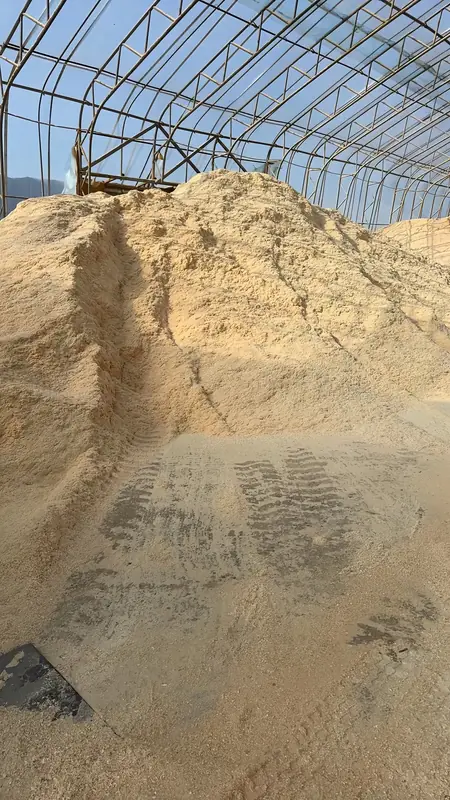
| Physical form | Representative photos, size information and fibrous or coarse pieces | Review receiving, feeding and preparation requirements. |
| Moisture record | Measurement basis, method, sampling point, date and observed variation | Agree whether further measurements or drying assessment are needed. |
| Contaminants | Known metal, stones, sand, additives or other unwanted material | Define checks and exclusions before material acceptance. |
| Supply variation | Delivery quantities, supplier changes, storage exposure and seasonal availability | Decide which conditions need separate review. |
| Blend definition | Each component, intended proportion and expected variation | Identify the specific blend needing evaluation. |
| Product requirement | Intended use, buyer requirements and available supporting documents | Agree which product properties need evidence. |
| Evidence scope | Sample source, preparation steps and the conditions actually tested | Separate demonstrated results from conditions still needing assessment. |
Use this checklist to prepare a discussion, including any unavailable information. Photos illustrate visible form; they do not establish processing suitability.
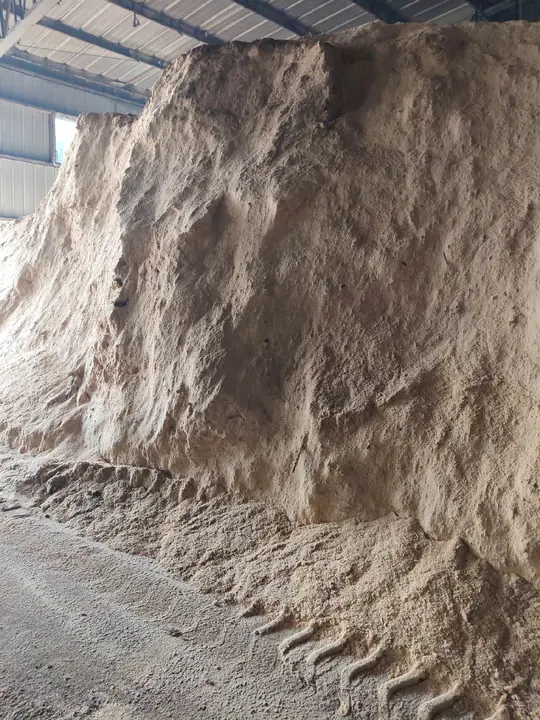
Use the sawdust preparation guide for wood-specific preparation decisions. Keep nonwood materials and blends subject to their own assessment.
Assess agricultural residues separately from wood
For a wood-only project, start with the residue form: fine sawdust, shavings, chips, bark or a combination. These may require different receiving, cleaning and size-reduction arrangements. Use the wood pellet plant planning page for the detailed wood-based process.
For straw, shells or other agricultural residues, record the exact feedstock and source rather than describing it only as biomass. Obtain the end user’s product requirements and agree what preparation and representative trials are needed. Wood-machine output figures cannot establish performance for an agricultural material.
For a blend, record each component and its proportion, moisture and expected variation. State whether the mixture is fixed or will change with seasonal supply. The proposed operating conditions and any trial report should identify the specific blend they cover.
Build the biomass line equipment list and interfaces
Build the equipment list in material-flow order: receiving and cleaning; required size reduction and drying; buffering and controlled feeding; pelletizing; then cooling, screening and finished-product handling. A stage is included because the material or product needs it. Define the inlet and outlet of each supplied package so that conveyors, storage and controls connect the stages.
Match drying, pelletizing and cooling
Use separate figures for incoming raw material, prepared feed and finished pellets. Drying removes water; screening can separate fines from finished product. The line proposal should therefore state where capacity is measured and under which moisture and material conditions. Check that preparation, feeding, pelletizing and downstream handling support the same finished-product target.
If a drying stage is being considered, the rotary dryer quotation guide explains the difference between wet feed flow and the water-removal task. For the pelletizing stage, review the wood pellet machine selection routes against the defined preparation conditions.
Plan a line for mixed and variable raw materials
Decide whether materials will be mixed together or processed in separate campaigns. Mixed operation needs a defined blend and a way to control changes; separate campaigns need an agreed changeover and clean-out approach. Identify where incoming materials will be stored and checked before they enter a common feed stream.
Plan for normal supply changes, including wetter deliveries, more coarse pieces or a shortage of one component. Specify who records these changes and what happens when incoming material falls outside the agreed conditions. This makes seasonal variation part of the operating plan rather than an unexplained loss of output.
Establish a representative test and acceptance basis
Where testing is required, agree the sample selection and preparation before interpreting the result. Record material composition, moisture, preparation steps, equipment configuration, operating period and how output and pellet quality were assessed.
Keep measured trial results separate from the projected output of the proposed line. Ask the report to identify the tested material, equipment and measurement point, then state what remains to be verified during commissioning. The equipment buying guide explains how to compare that evidence with the offered configuration.
Define supply boundaries for the assessed materials
TCPEL supplies line equipment, controls, dust collection and safety systems. Installation is available within the agreed project scope. List each supplied item and its defined feedstock conditions.
| Package | Confirm in the offer | Site responsibility |
|---|---|---|
| Material acceptance | Material list, exclusions and agreed preparation conditions | Identify supplier changes before using alternatives. |
| Shared receiving | Storage separation, feed points and cleaning requirements | Identify available space and existing handling equipment. |
| Process stages | Defined inlet and outlet for each supplied package | List retained equipment and connection points. |
| Electrical and controls | Power data, control interfaces and required drawings | Identify site power and local connection responsibilities. |
| Dust and safety | Agreed equipment, collection points and site interfaces | Confirm applicable requirements and the local review responsibility. |
| Installation and handover | Defined tasks, documents, responsibilities and project exclusions | List civil works, access and utilities needing coordination. |
Keep material acceptance separate from equipment and installation scope. An equipment list does not approve every proposed raw material. Use the wood pellet plant planning guide for the complete wood-line planning sequence.
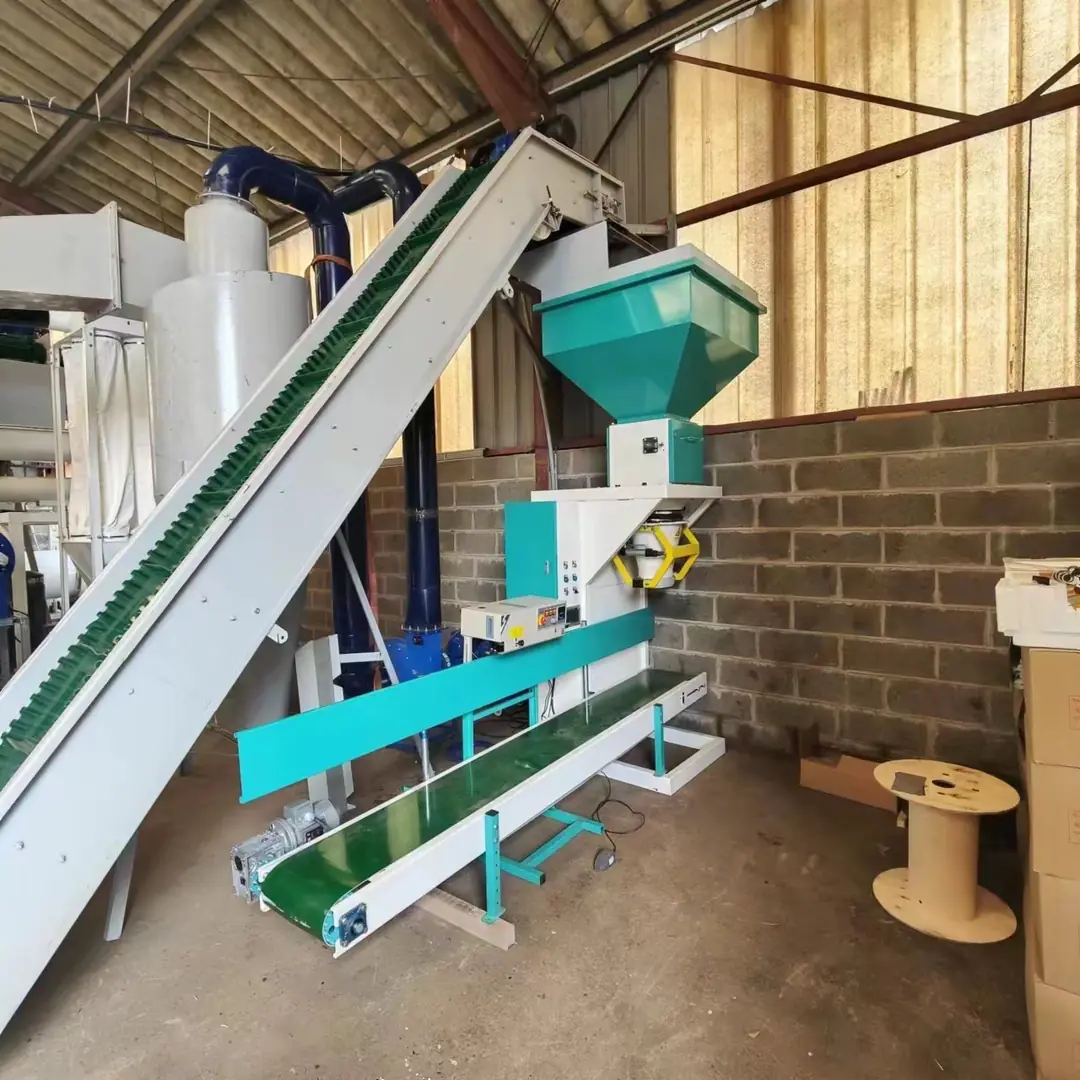
For a retrofit, identify retained equipment and its actual connection conditions. Record exclusions and who handles each remaining site connection.
Biomass project questions
Can every biomass material use the same line?
No. Different residue forms need different preparation and feeding arrangements, and non-wood materials need their own suitability assessment. A shared line should be proposed around identified materials and operating conditions, including any planned blends or separate production campaigns.
Can I change the feedstock after the line is installed?
Describe anticipated alternatives during planning. A later material change may require further evaluation of preparation, equipment configuration and finished-product requirements. An initial result on one feedstock does not approve every substitute.
How should I describe required capacity?
State the required finished-pellet output at the agreed downstream measurement point and the available operating hours. Separately provide incoming material quantities and moisture. Ask the supplier to reconcile those inputs with preparation losses, water removal and finished-product handling; do not use wet feed tonnage as a finished-pellet target.
What can I send before I have test results?
Send the material source, composition, photos, available measurements and intended product requirements. Identify what is unknown. The next discussion can focus on the information or representative testing needed before a firm equipment recommendation.
Discuss your biomass pellet project
Send your feedstock and project requirements to TCPEL.
Include the source and photos of each feedstock, planned blends or campaigns, measured conditions, supply pattern and finished-pellet requirement. Add your operating hours, existing equipment and installation country. TCPEL can then discuss the material review and equipment scope needed for the next proposal.