
Sawdust Pellet Machine: Choose the Route From Your Material
Choose a sawdust pellet machine after describing the material entering it. Source, moisture, particles and contaminants determine the preparation questions. A material name alone cannot establish the equipment configuration.
TCPEL configures solutions for all types of wood raw material. Sawdust still requires assessment against the selected process and intended product. Start with what you know, and identify what remains unmeasured.
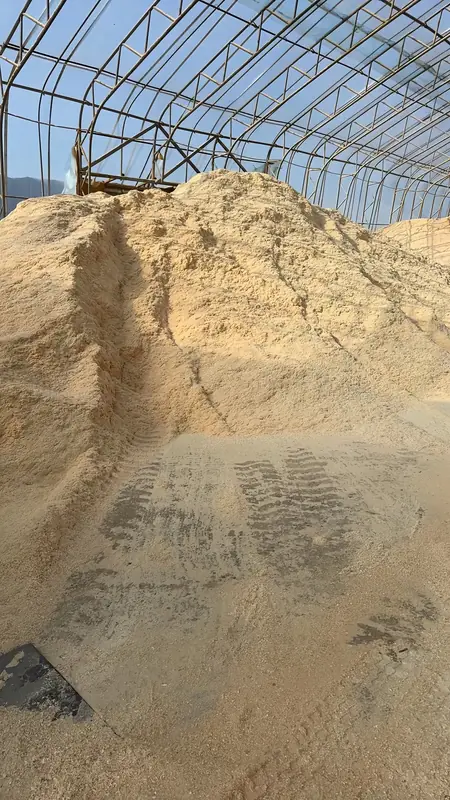
Describe the sawdust as it reaches your equipment
Identify the source and wood types, where known. Record bark, shavings, chips and other mixed material. Describe collection, storage and exposure to rain or the ground. Keep different suppliers identifiable when their material conditions differ.
List adhesives, coatings, preservatives and non-wood material separately. Equipment capability does not establish fuel-market or emissions compliance. Do not assume contaminated or treated wood is acceptable without review.
| Material record | Useful information | What it helps decide |
|---|---|---|
| Source and composition | Production process, known wood types and mixed materials | What material is actually being assessed |
| Moisture | Results, sampling location, date, method and reporting basis | Whether readings support a drying decision |
| Particle distribution | Fine fraction, coarse fragments, shavings and screening information | Whether screening or further grinding is needed |
| Contamination | Known metal, stones, sand, plastics or treatments | Cleaning requirements and further review |
| Supply pattern | Quantity, moisture condition, delivery frequency and variation | How supply relates to the finished-output target |
Add bark details to the material record
When bark is present, add these details to your material record.
- Identify where bark enters each stream, including any mixing during storage.
- Record its proportion, measurement basis and method, or mark it unknown.
- Link samples and reports to their material stream, location and date.
- Describe soil, sand, stones and other contamination separately.
- Provide your buyer’s fuel specification and available analysis reports.
Discuss unresolved sampling and composition questions before selecting equipment.
Trace sawdust from recovered pallets
Use a separate record for sawdust from recovered pallets. Keep each source or batch identifiable.
- What collection source and previous pallet use are known?
- What treatment, coating or repair records are available?
- Which batches have unknown histories or mixed origins?
- What metal or other non-wood material has been identified?
- What buyer specifications and existing analysis reports are available?
Mark missing information as unknown. Photographs or markings alone do not establish composition or fuel acceptance. Discuss unresolved material conditions before selecting equipment.
Trace furniture residues before combining collection streams
Use this checklist for each furniture-workshop source. Write “unknown” where records are unavailable.
- Which operation produces this stream: cutting, planing or sanding?
- Is collection before or after gluing, coating or treatment?
- Is the material solid wood, composite board or an unknown mixture?
- Which operations share collection ducts, storage or transfer equipment?
- Can each stream remain identifiable during storage and transfer?
- What composition records and intended fuel requirements are available?
Photos describe visible conditions. They cannot establish cleanliness, composition or fuel compliance.
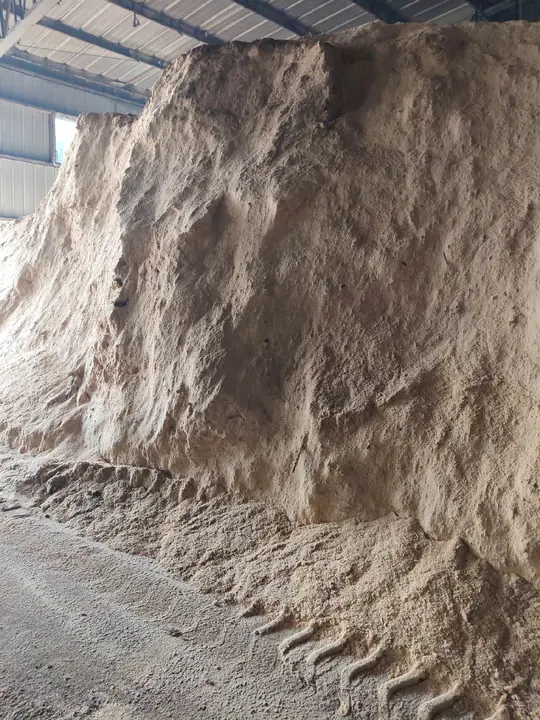
Make moisture readings comparable
Take representative samples across the supply conditions you expect. Record the sampling location, date and measurement method. Keep individual results and the observed range. State whether results use a wet or dry basis.
A wet-basis result includes water in the total sample weight. A dry-basis result compares water with dry material weight. Results on different bases cannot be compared directly. Do not replace measurements with a visual estimate.
Does sawdust need drying before pelletizing?
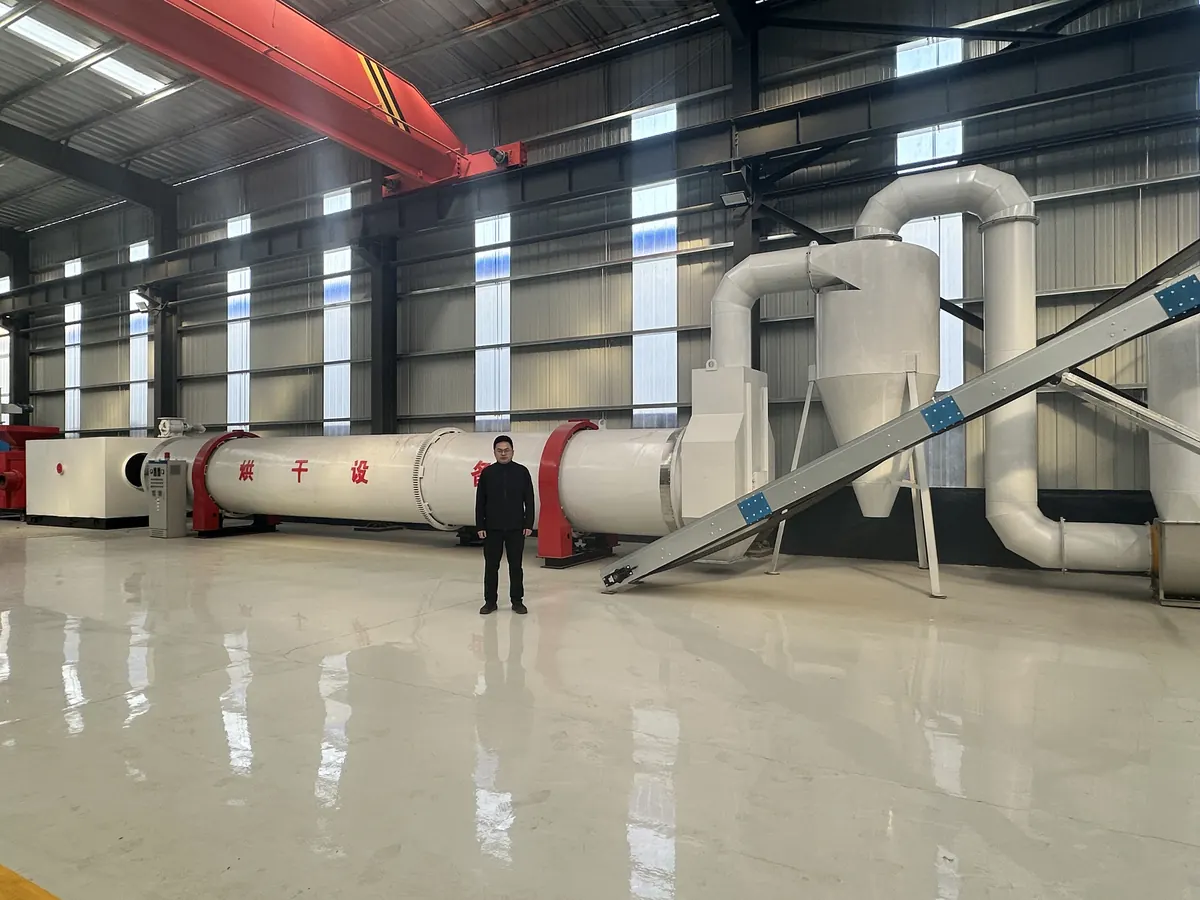
Drying depends on measured moisture and the selected process inlet requirements. Assess drying when incoming moisture exceeds the agreed range. Material already meeting those requirements may not need a dryer. Unknown moisture requires measurement before equipment selection.
For a drying assessment, describe incoming moisture variation and wet-material flow. Also identify the proposed outlet condition and available heat source. These inputs define the water-removal duty to assess.
The rotary dryer planning guide explains the associated equipment questions.
Check particles before adding a hammer mill
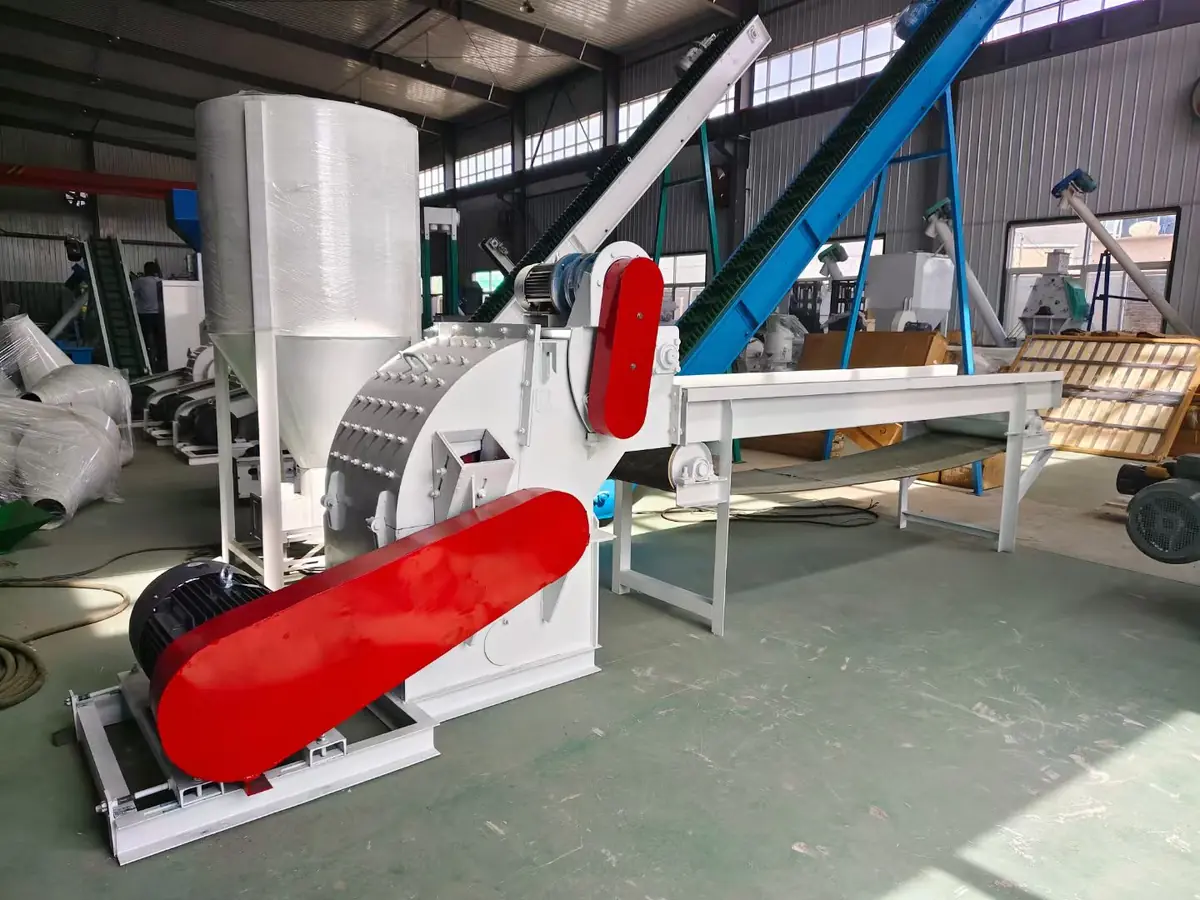
Fine-looking sawdust can still contain coarse fragments or long shavings. Describe the whole stream, rather than a selected handful. Screening may separate oversize material. Grinding may prepare material for the proposed process.
Identify the grinder inlet and required outlet condition. Keep grinder throughput separate from pellet mill output. Both figures need the material condition used for their assessment.
Use a condition-based preparation route
| Observed condition | Question to resolve before equipment selection |
|---|---|
| Consistent particles and suitable measured moisture | Can cleaning and controlled feeding supply the proposed mill? |
| Coarse fragments or long shavings | Is screening, grinding or a combination needed? |
| Moisture above the agreed inlet range | What drying duty and outlet control are required? |
| Moisture unmeasured or below the proposed range | Which measurements and adjustments need assessment? |
| Several variable sources | How will sampling, separation or blending be controlled? |
| Unknown treatment or contamination | What identification, testing and end-use review are required? |
This preparation checklist identifies questions for equipment selection. Resolve the unknown conditions before making performance commitments.
Choose a standalone mill or an integrated line
A standalone mill needs suitable upstream feed and downstream handling. Describe the equipment already providing those functions. Include material delivery, controls, discharge handling and accepted-product requirements.
A line proposal considers these sections together. TCPEL supplies complete-line equipment and provides installation. Electrical controls, dust collection and safety systems are included in its capabilities. The actual quotation must define selected equipment and site interfaces.
Use the wood pellet plant scope guide for an integrated project. Compare pellet machine options against the material condition that preparation will deliver.
Prepare useful information for a material test discussion
Ask about sample-testing arrangements before sending any material. Identify each sample by source and collection conditions. Explain whether it represents normal supply or a known variation. Do not present a selected sample as every future delivery.
- Material: source, composition, moisture, particles and any preparation.
- Configuration: machine version, die and associated equipment used.
- Measurement: run period, collection point and accepted-pellet weight.
- Product checks: measured properties, methods and agreed acceptance requirements.
A sample forming pellets does not establish sustained output or accepted quality. Keep those conclusions separate in the record. Use the machine buying checklist when comparing proposals.
Sawdust questions buyers often need to resolve
Can I mix sawdust from different sources?
Record each source before defining a blend. Identify moisture, composition and particle differences. A result from one source does not validate another mixture.
Can photographs replace moisture measurements?
No. Photos help describe the source, particles and storage conditions. They cannot establish moisture or process performance. Start with photos while identifying the measurements still needed.
Must I know every detail before contacting TCPEL?
No. Provide your contact details, raw material and finished-output target. Identify unknown conditions instead of inventing values. Additional measurements can then be discussed against the equipment decision.
Share your sawdust details
Send your contact details, sawdust description and target finished-pellet output. Include source and storage photos when available. Moisture, country, utilities and operating hours can follow as additional information.
State “not sure” when a condition has not been measured. This supports a focused discussion about preparation and equipment scope.