
Wood pellet machine selection
Vertical Ring Die Pellet Machines
Select a vertical ring die pellet machine for your actual wood material.
Match its structure, feeding connection, and output checks before comparing quotations.
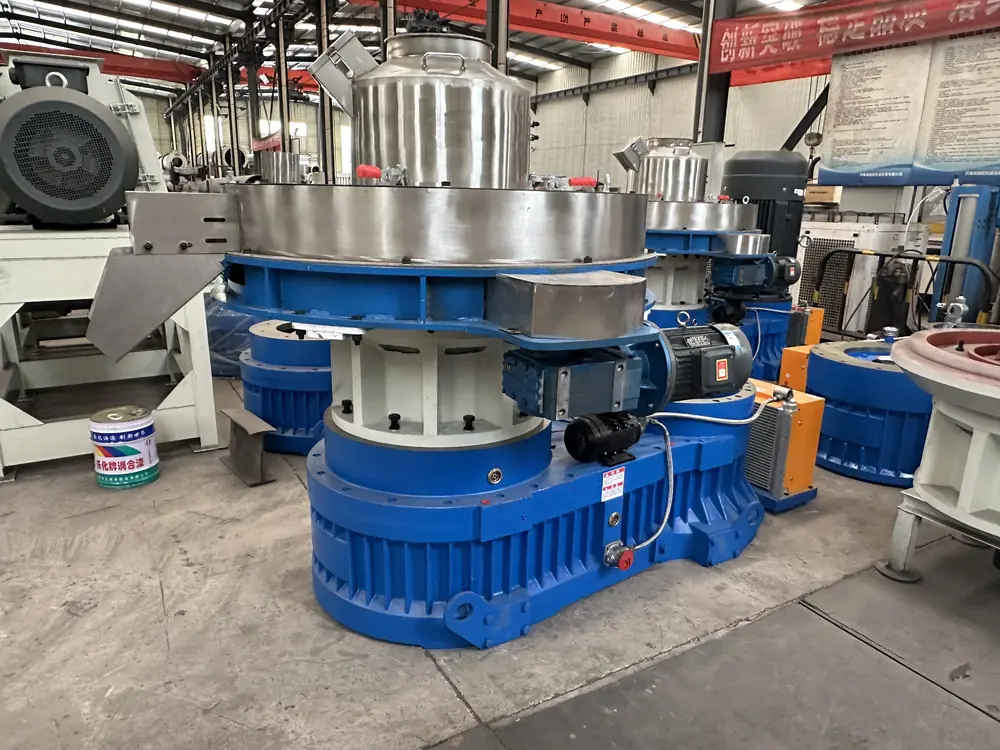
Confirm the complete machine configuration
Begin with the complete model name and the machine's documented structure.
TCZL includes different machine structures.
Confirm the exact structure for each proposed model.
TCZL400 is a flat die model.
TCF belongs to the feed equipment pathway.
Keep feed equipment quotations separate from wood pellet machine comparisons.
Describe the material reaching the machine
Send representative wood material details, photographs, and available measurements.
Include source, particle form, moisture information, and any known contaminants.
State the moisture method, sampling point, and reporting basis when available.
Record any preparation between the supplied material and the machine inlet.
Drying requirements depend on measured material conditions and the agreed preparation route.
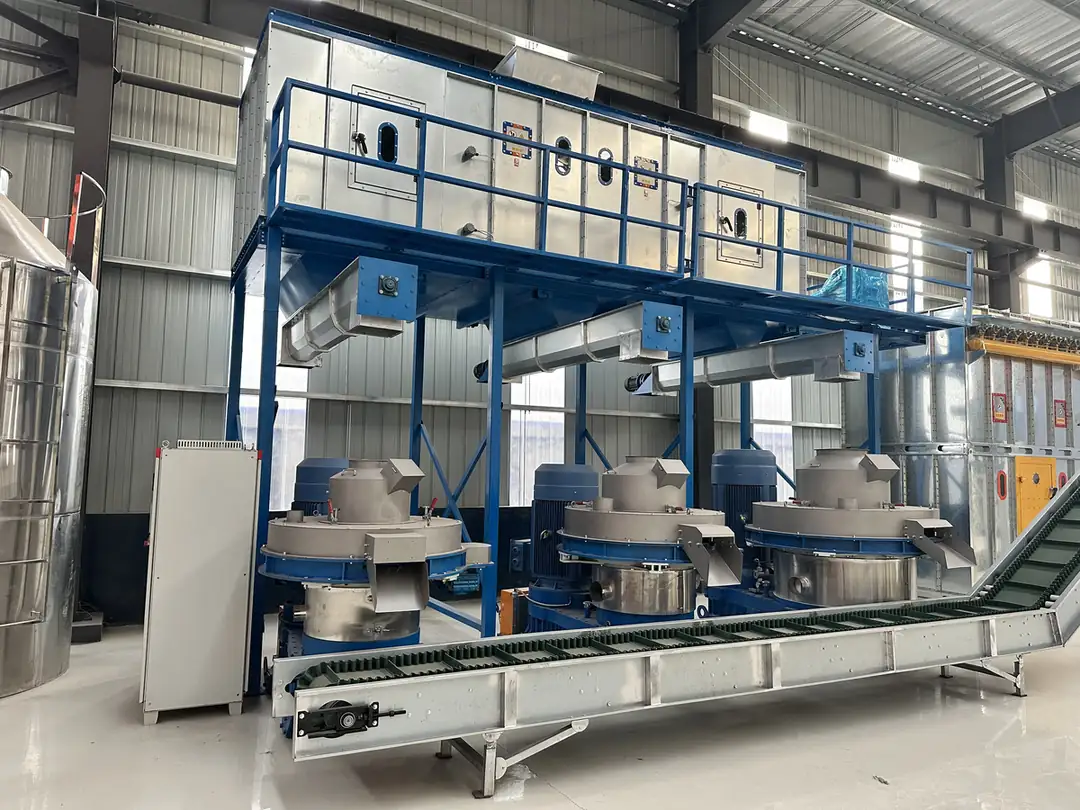
Compare quotations using the same configuration record
Use this comparison checklist for each proposed machine configuration.
Record your project data alongside the agreed quotation details.
| Comparison item | Information to agree | Why it matters |
|---|---|---|
| Complete machine identity | Exact model, structure, and selected configuration. | Keep different structures and configurations distinguishable. |
| Material at the inlet | Wood source, particle form, preparation, and known contaminants. | Identify what actually reaches the pelletizing inlet. |
| Moisture information | Result, reporting basis, method, sampling point, and date. | Compare moisture results using the same reporting basis. |
| Feeding connection | Inlet position, transfer height, feeding equipment, and controls. | Define connection work and feeding responsibility. |
| Output comparison | Material conditions, measurement point, operating period, and acceptance record. | Separate material input, machine reference output, and finished line output. |
| Electrical interface | Site voltage, frequency, controls, and connection responsibilities. | Identify site connections and the selected control scope. |
| Selected components | Component list, matching drawings, and maintenance access requirements. | Match listed components to the proposed machine. |
| Supplied scope | Equipment, services, options, exclusions, and itemized charges. | Compare the same equipment and service boundaries. |
| Site responsibilities | Retained equipment, connection work, installation duties, and access. | Make supplier and customer responsibilities explicit. |
Keep output measurement boundaries clear
Identify the measurement boundary behind each machine reference output.
Define finished line output at a separate agreed downstream point.
State whether cooling, screening, and packing are inside that boundary.
Incoming wet material weight remains a separate input measurement.
Record operating hours and interruptions alongside each result.
Separate buyer targets from measured results in the comparison record.
Mark missing measurements as unknown instead of substituting assumptions.
Check feeding, discharge, and maintenance access
Use the selected machine drawings to check connections and working space.
- Show the inlet connection, transfer height, and proposed feeding equipment.
- Identify existing feeding controls and required start or stop signals.
- Show the discharge receiving point and any retained downstream equipment.
- Reserve the maintenance space required by the selected machine drawings.
- Ask for component names and matching drawings in the equipment list.
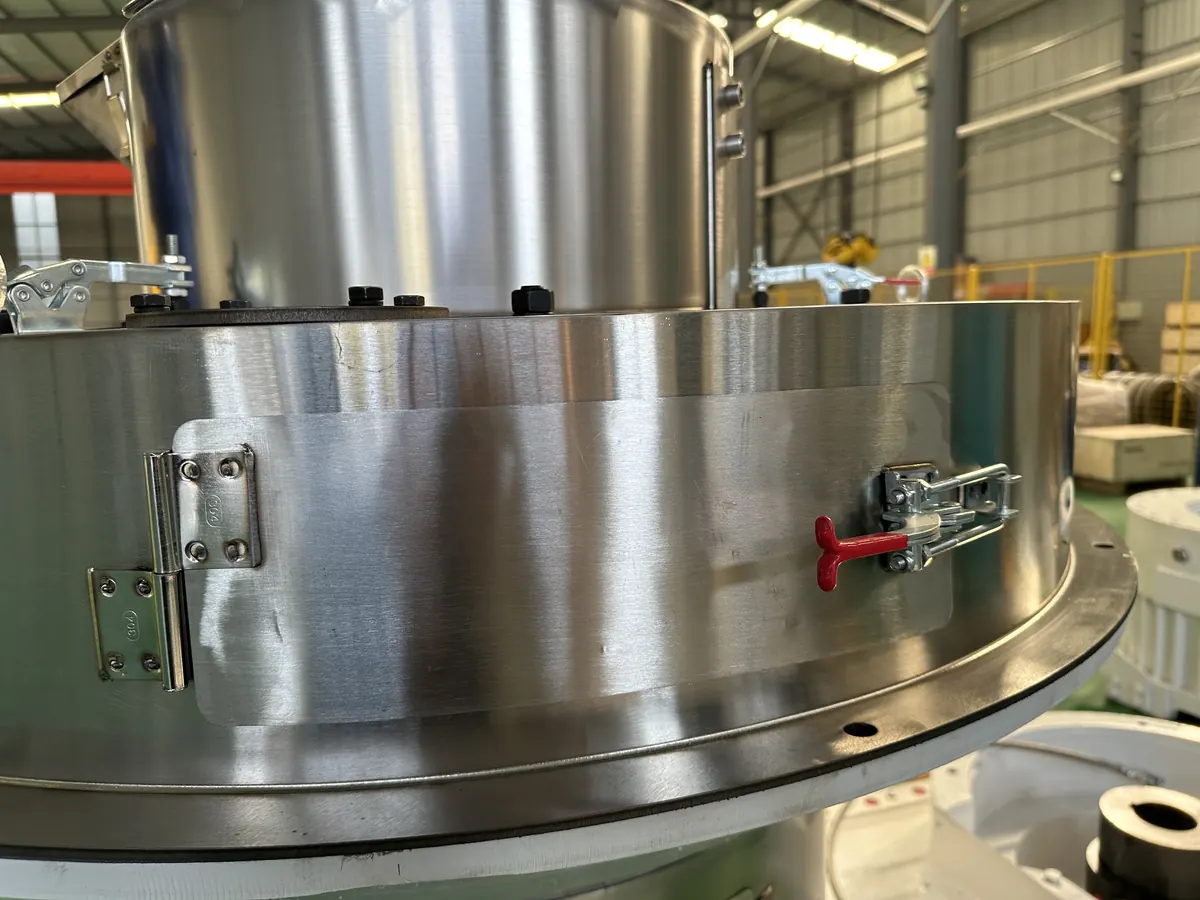
Record the components included with the machine
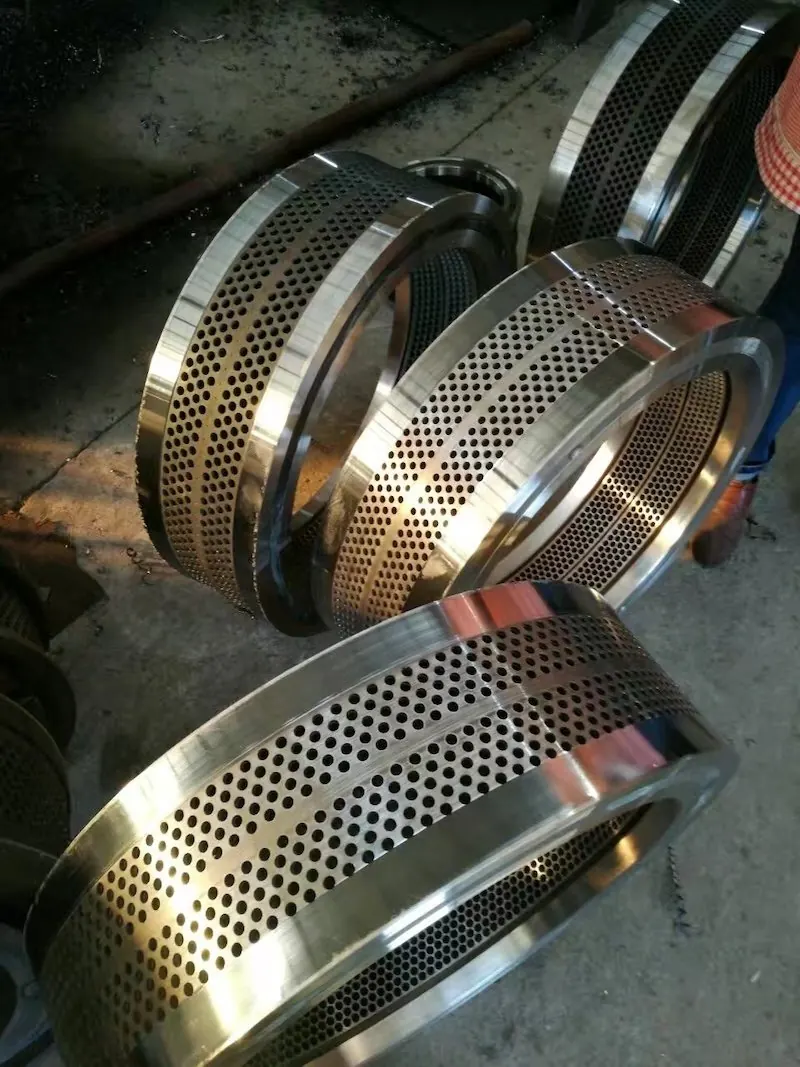
Request the proposed machine's component list before agreeing its maintenance provisions.
Identify wear items, access requirements, and documents supplied with the machine.
Ask which parts and service duties are included in the quotation.
Confirm any requested additional components as separate quotation items.
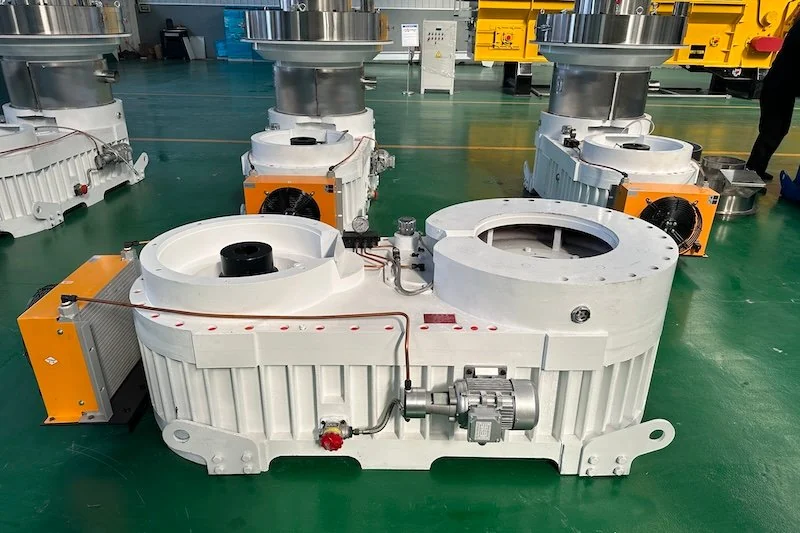
Connect the machine with your production scope
Map the handoff from prepared material to the selected machine inlet.
Identify preparation or downstream equipment that remains outside the quotation.
Confirm interfaces with cooling, screening, conveying, and packing where required.
Wood pellet production line
Plan the preparation and downstream duties around your selected machine.
Biomass pellet production line
Review your actual material and the proposed process connections.
Define TCPEL supply and site responsibilities
TCPEL supplies complete line equipment, including controls, dust collection and safety systems.
Installation is available within the agreed project scope.
Each quotation defines its selected equipment, services, responsibilities, exclusions, and charges.
| Responsibility | Agree before ordering |
|---|---|
| Equipment supply | List each selected machine, component, control, and optional item. |
| Feeding and receiving | Assign connecting equipment, transfer points, controls, and customer interfaces. |
| Site preparation | Define foundations, access, utilities, lifting arrangements, and responsible parties. |
| Dust and safety scope | Identify selected systems, interfaces, exclusions, and site requirements. |
| Installation | Define installation work, customer assistance, responsibilities, and charges. |
| Comparison and acceptance | Agree material conditions, measurement methods, acceptance requirements, and records. |
Use the same responsibility list when comparing quotation totals.
Questions before selecting a vertical ring die machine
Can I select a structure from the TCZL prefix?
Request the complete model name and its corresponding structure description.
TCZL400 is flat die; other TCZL structures require exact model confirmation.
Can inlet material weight serve as finished output?
Weighing points must follow the agreed machine or line boundary.
Keep moisture conditions and operating periods visible in comparisons.
Record which cooling, screening, and packing stages the result covers.
Which trial record should I request before comparison?
Agree the material sample, preparation, settings, measurement method, and acceptance conditions.
Request dated records showing the measured result and any interruptions.
Agree this record before arranging the trial.
Which component details belong in a machine quotation?
Ask for the selected component list and corresponding machine drawings.
Identify maintenance access, included wear parts, and available service documentation.
Confirm any additional parts separately before ordering.
Discuss your machine configuration
Send contact details, actual wood material information, and target finished pellet output.
Add the preferred model only when known.
Include existing equipment connections when replacing or extending a production system.
Use the comparison record above as more project details become available.