
How to Choose a Wood Pellet Machine and Compare Suppliers
Choose a wood pellet machine using material conditions and a written requirement. Then compare configuration, test evidence, supply scope and acceptance terms. Appearance, motor power and headline output cannot establish suitability by themselves.
Use the same requirement with each supplier. Ask which evidence supports each offered configuration. Keep unresolved conditions visible in your comparison.
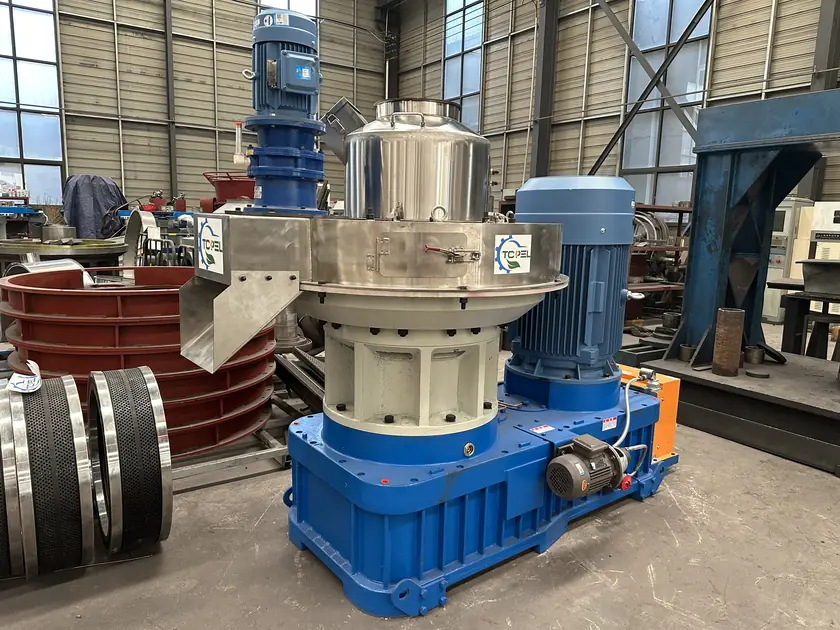
Write the requirement before selecting a model
- Raw material, source, composition and known contaminants.
- Measured moisture, particle distribution and normal supply variation.
- Required pellet specification, final use and finished-output target.
- Operating schedule, site utilities and existing process equipment.
- Scope: standalone mill, process section or complete production line.
Keep a production target separate from a supplier reference result. Also distinguish wet input weight from accepted finished-pellet output. State the measurement point and operating conditions for each figure.
Prepare material details with the sawdust assessment guide. Use the plant scope guide when comparing complete projects.
Compare the actual structure, rather than the series name
Flat dies are perforated discs. Ring dies are perforated rings. Geometry alone does not establish output, energy use or wear life. Compare the actual die, rollers, feeding arrangement, drive and maintenance access.
TCZL400 uses a flat die. The TCZL range includes different structures. Other TCZL proposals require their own configuration checks. Do not identify every TCZL machine as a vertical ring die.
TCF belongs to TCPEL’s feed equipment path. Feed production figures do not establish wood-pellet performance. Keep feed and wood requirements separate in your enquiries.
Use the wood pellet machine selection page for the relevant equipment discussion.
Compare output only when the test conditions match
| Comparison item | Record needed |
|---|---|
| Material | Source, composition, moisture, particles and preparation |
| Machine | Exact model, version, die and associated equipment |
| Run | Operating period, interruptions and relevant settings |
| Output | Accepted-pellet weight, collection point, fines and rejected product |
| Product quality | Properties measured, methods and agreed purchasing requirements |
| Energy, if claimed | Measured equipment boundary, period and accepted-product output |
A material forming pellets is one observation. Meeting the buyer’s quality requirements is another. Sustained output under recorded conditions is a separate conclusion. Evidence for one does not automatically establish the others.
Ask whether the sample represents your normal material variation. Identify differences between the demonstration and your proposed installation. Agree further checks before treating a reference result as your acceptance basis.
Ask for documents tied to the offered configuration
Reconcile the quotation, specification, layout and equipment version. Check motors, feeding equipment, guards, controls and connection points. Request corrections when documents describe different configurations.
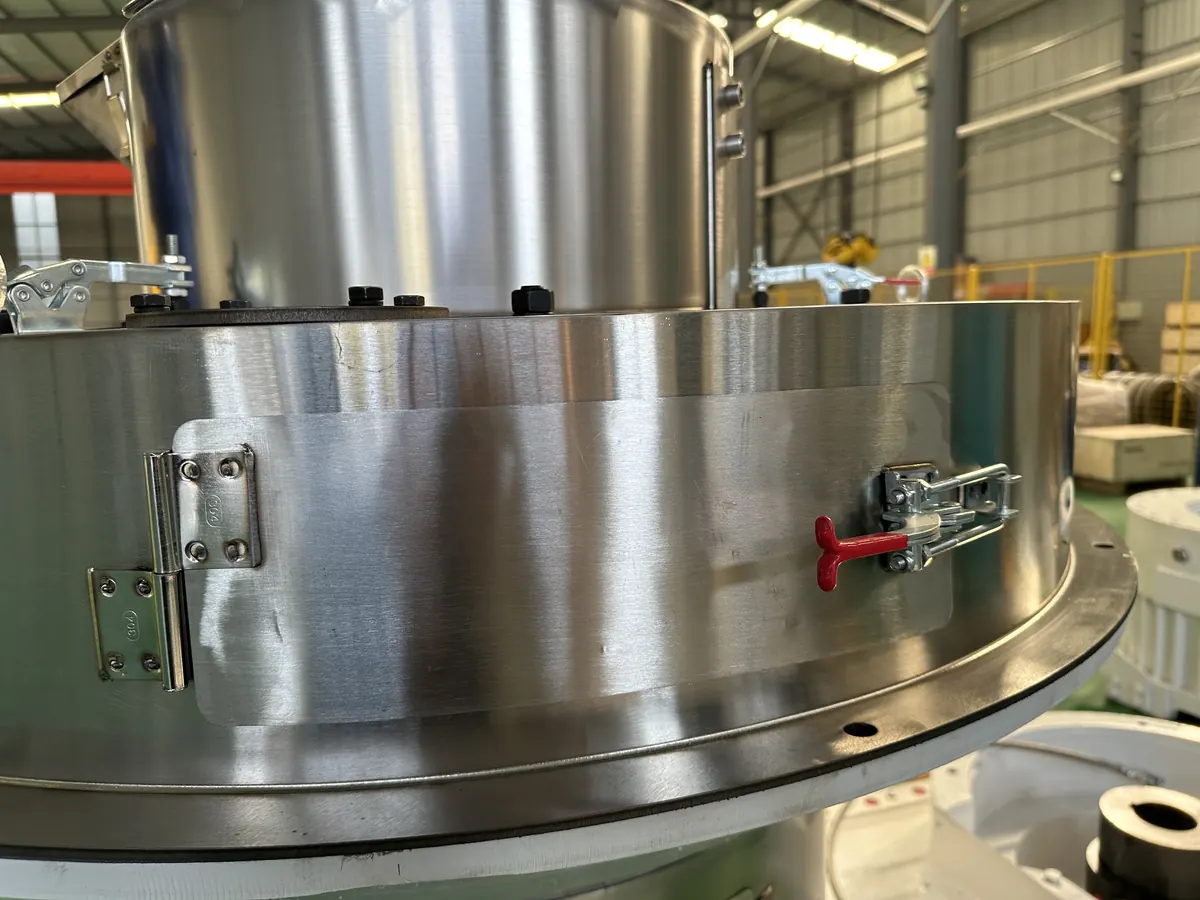
| Document to request | What the buyer should check |
|---|---|
| Configuration and equipment list | Same version, included items and interfaces across the offer |
| Layout and utility requirements | Site dimensions, access, connections and customer-provided conditions |
| Inspection and acceptance proposal | Checks offered, measurement methods and responsibility for records |
| Operation and maintenance information | Required tasks, access and applicable safety instructions |
| Parts identification information | Die, roller and other wear-part identification for the offered machine |
Ask which inspections and documents the supplier includes. Confirm which documents will actually accompany your order. Obtain the agreed document schedule in writing.
Check the scope and issuer of any offered certification. Do not assume a general claim covers the proposed machine or project.
Make future wear-part identification possible
Record the machine model, version and existing part identification. Ask which drawings or dimensions are needed for replacement orders. Photograph relevant markings when safe and permitted. Visual similarity does not establish interchangeability.
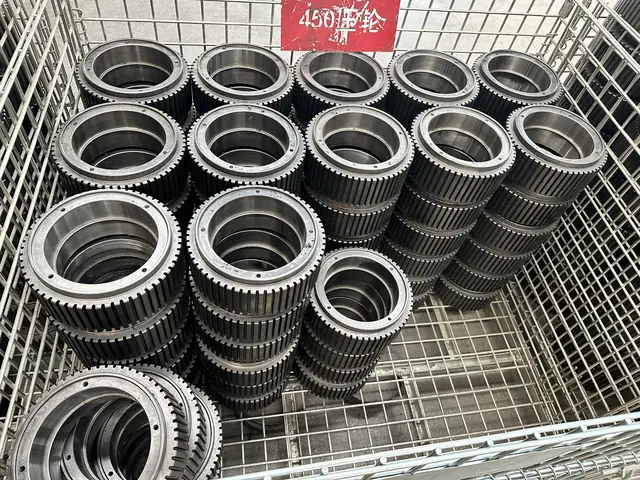
Confirm replacement access, maintenance requirements and the quoted spare-parts scope. Any wear-life statement needs its material and operating conditions. Request warranty and service terms in writing.
Normalize quotations before comparing prices
| Scope row | Included, optional or excluded? |
|---|---|
| Mill and drive | Exact model, version, die and feeding arrangement |
| Preparation | Cleaning, screening, grinding and drying where required |
| Downstream handling | Cooling, screening, packing and material transfers |
| Electrical controls and safety | Selected equipment, interfaces and project requirements |
| Spares and documentation | Initial parts, tools and agreed document schedule |
| Site services | Installation tasks, site preparation and associated responsibilities |
| Commercial terms | Packing, shipment, delivery basis, warranty and exclusions |
TCPEL supplies complete-line equipment and provides installation. Its capabilities include electrical controls, dust collection and safety systems. Confirm the selected scope and site responsibilities in the actual quotation. Availability does not mean every item appears in every quoted package.
Agree acceptance before placing the order
Define the material, preparation, utilities, configuration and test location. Agree the operating period, measurement points and product checks. Identify who supplies material and who records the results. Specify how unresolved checks will be handled under the agreement.
Standalone mill acceptance and complete-line acceptance have different boundaries. Keep the agreed checks consistent with the purchased scope. Do not replace project-specific evidence with an unrelated demonstration.
Questions when comparing wood pellet machines
Does higher motor power prove higher production?
No. Compare output under stated material and operating conditions. Power rating alone also does not establish energy use per accepted tonne.
Does a familiar model prefix establish the machine structure?
No. Confirm the actual model, version and die arrangement. TCZL400 is flat die; other models require their own checks.
Must I send another supplier’s confidential quotation?
No. Describe your unresolved configuration or scope questions in your own words. Keep confidential documents within their permitted use.
Request a machine selection review
Start with contact details, raw material and target finished-pellet output. Add the configuration, scope or acceptance question you need resolved. Country, photos, measurements and site utilities can follow when available.
Identify unknown conditions with “not sure”. Request the selection basis and offered scope together. No confidential competing quotation is needed to start the discussion.