
Finished pellet handling guide
Pellet Cooler Selection and Process Connections
Pellet coolers provide a cooling stage after pelletizing.
Select cooling around the pellet condition required by the next handling stage.
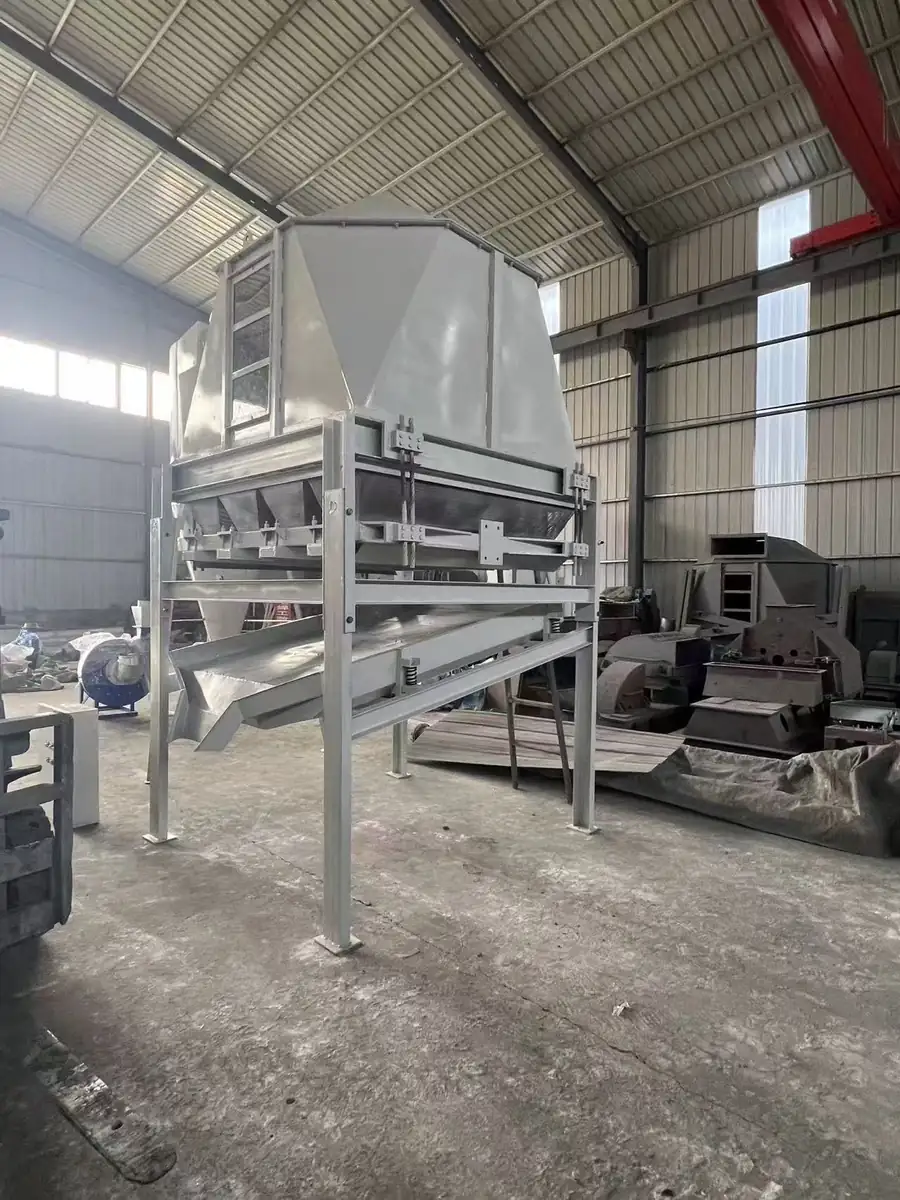
Place cooling within the process
Cooling follows pelletizing in the selected equipment arrangement.
Screening and packing remain separate handling stages where required.
Identify which finished handling functions existing equipment already provides.
Define the required pellet condition before selecting the cooling arrangement.
Record inlet, outlet, and downstream conditions
Describe pellets at the cooler inlet, rather than untreated raw material.
Record the measurement point, timing, and method for every result.
| Process location | Information to record | Decision to agree |
|---|---|---|
| Pellet inlet | Material, pellet dimensions, available temperature, moisture, and fines observations. | Define the actual condition entering the cooler. |
| Cooling flow | Required flow, measurement point, operating period, and delivery pattern. | Separate continuous feeding from intermittent operation. |
| Surrounding air | Available site air observations and expected seasonal variation. | Identify the conditions requiring assessment in the proposal. |
| Cooler outlet | Required pellet condition and the receiving equipment requirements. | Agree the sampling point and acceptance method. |
| Screen discharge | Product checks, separated material, and the intended onward route. | Keep screening results separate from cooler discharge records. |
| Packing output | Net accepted quantity and the associated operating period. | Define the final measurement boundary for the line. |
Mark unavailable measurements as unknown in your inquiry.
Separate measured observations from requirements that still need agreement.
A photograph supports layout discussion; it does not establish pellet temperature or moisture.
Connect cooling with finished handling
Identify how pellets reach the cooler and leave its discharge.
Map the air connections separately from the pellet route.
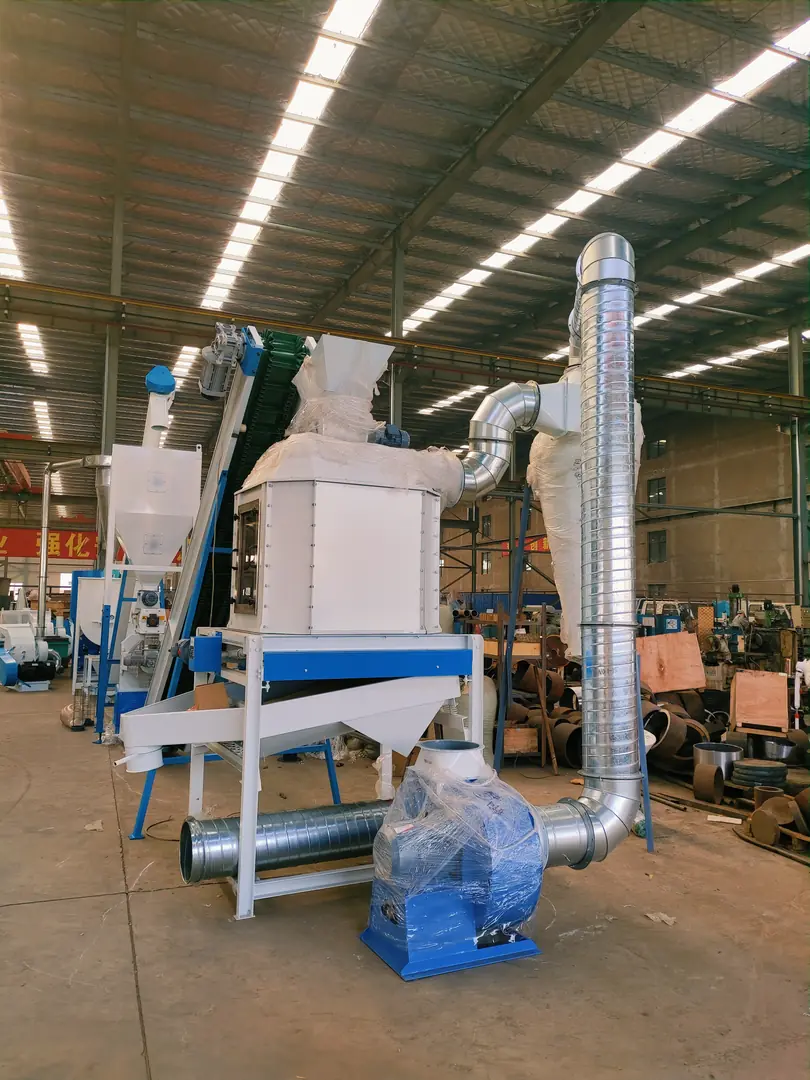
Ask which fans, ducts, and collection equipment the proposal includes.
Match each connection to the agreed site layout and local requirements.
| Interface | Confirm in the proposal | Existing site information |
|---|---|---|
| Pellet inlet | Upstream discharge point and delivery arrangement. | Retained conveyors and their connection dimensions. |
| Air connections | Defined duct routes, fan scope, and collection points. | Available locations, connections, and site limitations. |
| Cooler outlet | Discharge arrangement and receiving equipment. | Transfer height and retained connection details. |
| Screening | Separate screening stage, connections, and material handling. | Destination for separated material and retained equipment. |
| Packing | Product delivery point and agreed handling sequence. | Bagging or bulk handling requirements. |
| Service access | Access, isolation arrangements, and required documents. | Site rules, utilities, and maintenance space. |
Define the supplied cooling package
TCPEL supplies equipment, controls, dust collection, and safety systems.
Installation is available within the agreed cooling project scope.
List cooler, fan, duct, screening, and transfer equipment separately.
Define retained equipment, site work, responsibilities, exclusions, and charges.
Define the route after discharge
Identify whether discharged pellets next reach screening, storage, or packing.
State the condition that the receiving equipment requires.
List the conveyors or other transfer equipment already installed.
The quotation should identify supplied connections and retained equipment.
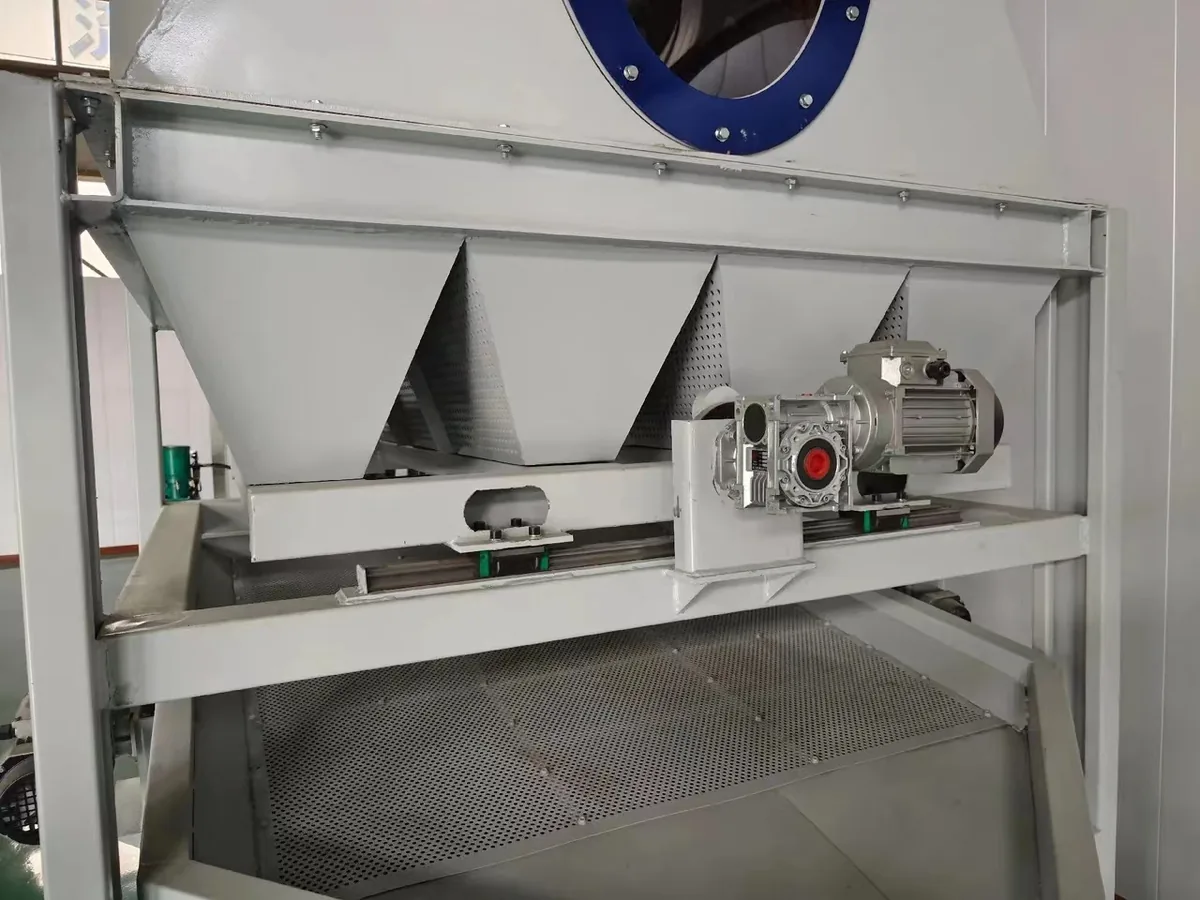
Pellet packing machines
Define the bag format and finished material flow.
Use the finished product requirement
The pellet machine's reference output does not establish packed line output.
Define the quantity needed at the actual finished product measurement point.
Record the operating period associated with that quantity.
Agree the cooling acceptance record
Agree the required pellet condition at the cooler outlet.
Define the test method, sample point, and comparison conditions.
Confirm which product checks support the specified handling requirement.
- Cooler outlet: record the required condition and the exact measurement point.
- Screen outlet: record the inspected product and separated material.
- Packing output: record net accepted quantity and the agreed operating period.
Agree methods and responsibilities before comparing results from different operating conditions.
Prepare a cooling equipment inquiry
Share pellet details, operating flow, existing equipment, and available utilities.
Describe the incoming and required outgoing pellet conditions.
Include the planned air, discharge, screening, and finished handling connections.
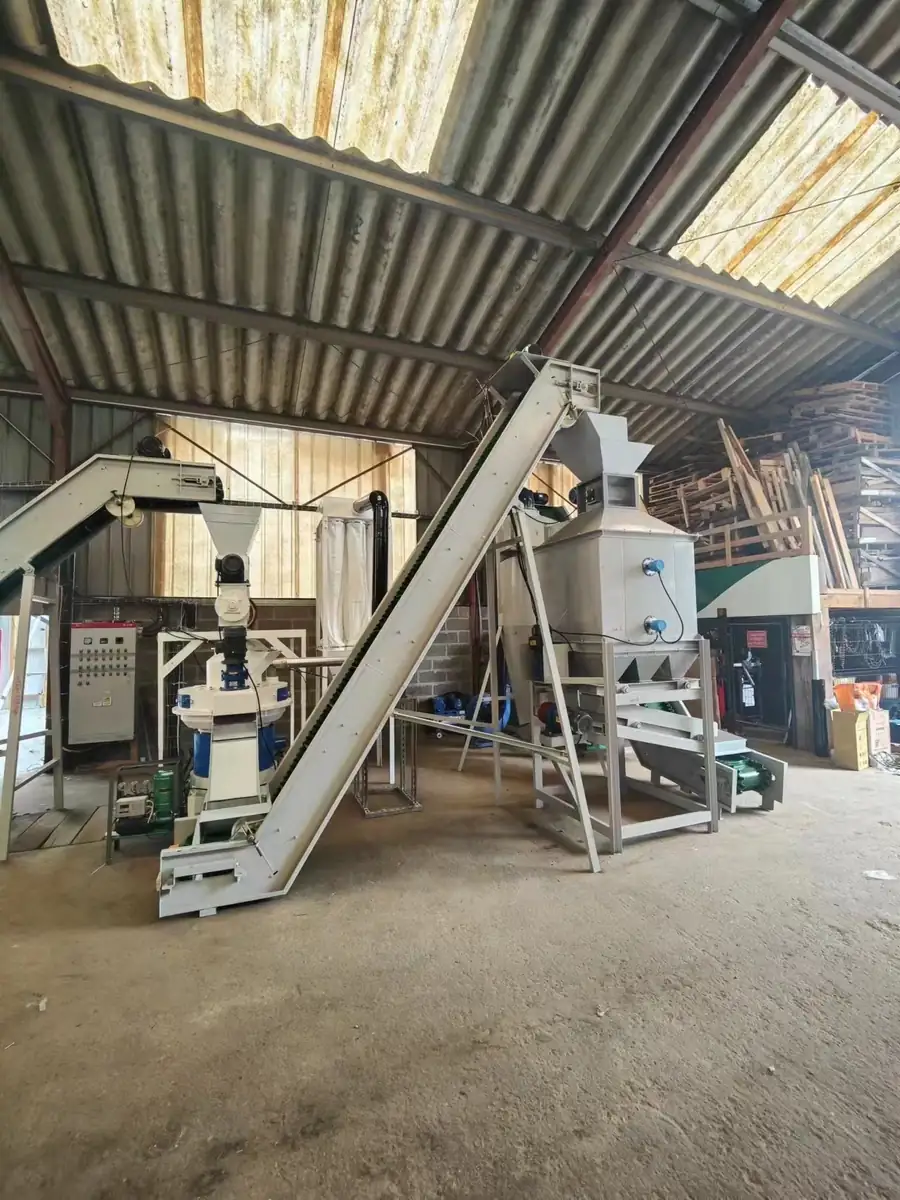
Feed production lines
Review cooling within the selected feed process.
Wood production lines
Review wood pellet discharge and downstream handling.
Questions and answers
Which measurements should accompany a cooler quotation?
Provide inlet and outlet records, sampling points, operating conditions, and required flow.
Can a photograph establish cooling performance?
Use photographs to discuss layout and connections. Request agreed measurements for performance comparisons.
Are screening and packing included automatically?
Confirm each selected stage, its connections, and the responsibilities listed in the offer.
Where should finished output be recorded?
Use the agreed packing measurement point, separate from cooler or screen discharge.