
Particle preparation guide
Hammer Mill Selection for Pellet Preparation
Hammer mills prepare particle size where the pellet process requires further grinding.
Define the incoming material and the condition required by the following stage.
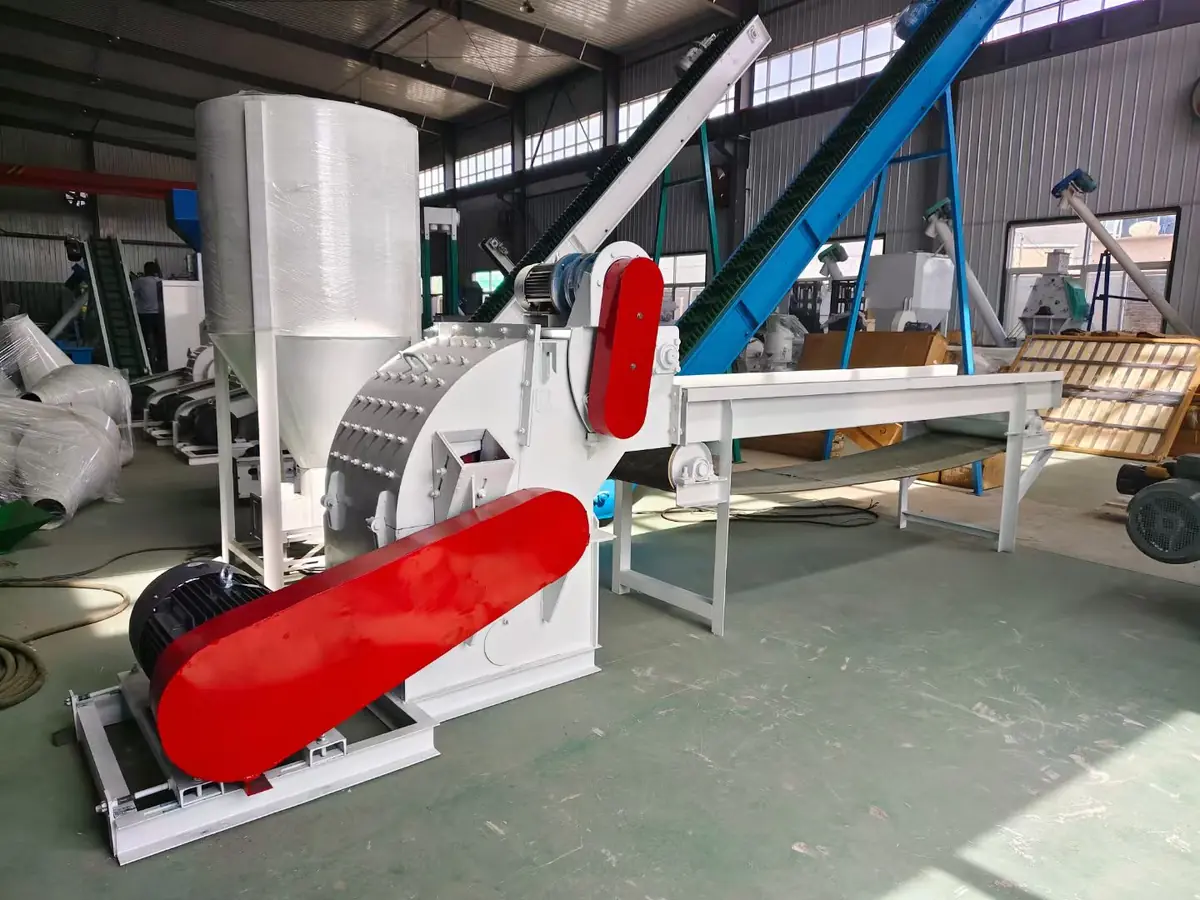
Locate the grinding stage
Grinding addresses particle preparation within the selected process.
Coarse wood reduction, feed mixing, and water removal are separate equipment decisions.
Check whether existing equipment already provides the required preparation.
The necessary grinding scope depends on what actually reaches this stage.
Record the sawdust reaching the grinder
For sawdust pellet preparation, assess the material reaching the grinder.
Use the following checklist for each incoming material stream.
| Record | Information to include | Decision supported |
|---|---|---|
| Material source | Wood source, processing history, and existing preparation. | Keep different incoming streams identifiable. |
| Particle variation | Representative photographs and available particle measurements. | Review whether further grinding needs assessment. |
| Moisture | Available result, sampling location, date, and measurement method. | Keep the material condition attached to the result. |
| Foreign material | Known metal, stones, coatings, or other contamination. | Define checks and exclusions before equipment selection. |
| Required flow | Required flow and where it is measured. | Separate grinder throughput from packed pellet output. |
Write “unknown” where measurements are unavailable.
Photographs show visible form; they cannot establish moisture or chemical contamination.
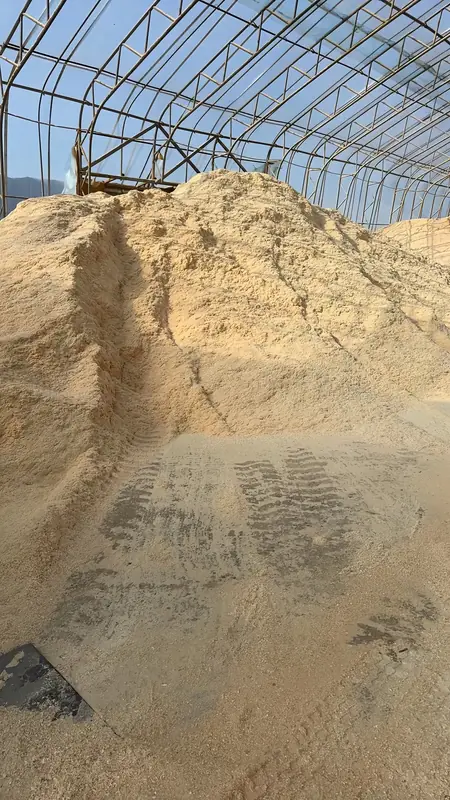
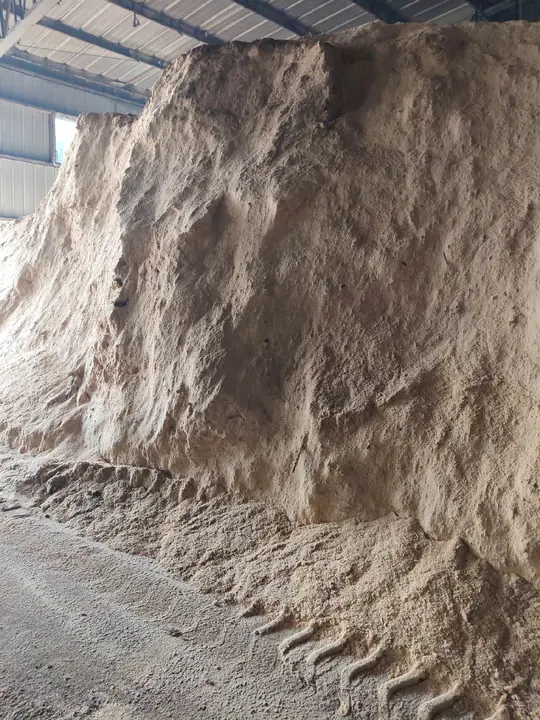
Review the wider sawdust preparation route before selecting individual equipment.
Define the required preparation
State the particle condition required by the next process stage.
Compare the proposed screen and output evidence
Ask which screen arrangement is proposed for the stated material.
Request the basis for the expected particle distribution after grinding.
Record inlet condition, collection point, and the measurement method.
Do not treat screen opening alone as a verified particle distribution.
Agree any sample comparison and acceptance conditions before making purchase decisions.
| Before ordering | Record to request |
|---|---|
| Screen proposal | The proposed screen information and its material basis. |
| Output comparison | The sampling location and particle measurement method. |
| Duty comparison | Material condition, required flow, and operating schedule. |
| Replacement planning | Machine identity, available drawings, and part references. |
Wood and feed projects need their own material description.
For feed, connect ingredient preparation with the confirmed mixing process.
For wood, review any coarse reduction still needed before finer preparation.
Wood chippers
Consider coarse reduction where incoming wood pieces require it.
Keep a wear and replacement record
Existing plants should identify the installed grinder before requesting replacement parts.
List available part references, drawings, and previous replacement records.
Record observed wear, operating symptoms, and changes in incoming material.
Confirm access and isolation requirements before planning maintenance.
Follow the applicable equipment instructions and site safety procedures.
Provide this record with your parts inquiry.
Specify the connections around the machine
Identify the equipment feeding the hammer mill and receiving its discharge.
Describe each connection using the material condition at that point.
Include the surrounding equipment when defining the grinding supply scope.
| Interface | Information to define |
|---|---|
| Material inlet | Incoming particles, delivery method, and variation in material flow |
| Screen and grinding scope | Required particle condition for the next process stage |
| Material outlet | Collection arrangement and equipment receiving the prepared material |
| Dust handling | Existing collection equipment and the connections required |
| Utilities and access | Available electrical supply, layout, and maintenance space |
TCPEL supplies line equipment, controls, dust collection, and safety systems.
Installation is available within the agreed project scope.
Identify included items, site work, interfaces, responsibilities, and charges separately.
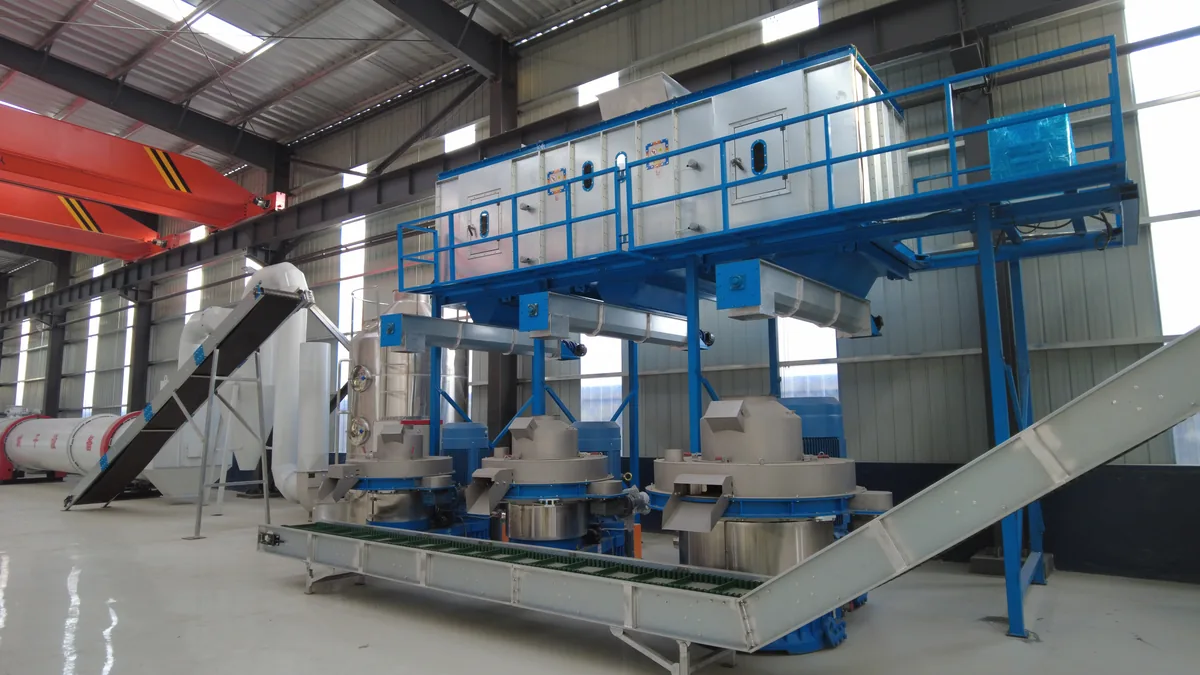
Confirm the complete grinding scope
Confirm which feeding, collection, and connection equipment the quotation includes.
Identify any supporting equipment retained from your existing process.
Record the sequence with drying or mixing where those stages are required.
Define required flow at the grinder's inlet and outlet.
Finished packed output belongs to a separate point in the line.
Pellet line equipment
Review the roles of preparation and connecting equipment.
Prepare a grinding equipment inquiry
Include material identity, incoming condition, target preparation, and required flow.
Add the interface information and an outline of the available space.
List existing machinery and explain where the new stage will connect.
Feed production lines
Review ingredient preparation before mixing and pelletizing.
Wood production lines
Match particle preparation with the incoming wood stream.
Questions and answers
Should grinding always follow chipping?
The sequence depends on incoming material and the selected preparation equipment.
Can one generic power figure define the grinding equipment?
The material, required preparation, and operating duty determine the equipment selection.
Does a grinding quotation automatically include every connection?
Confirm the feeder, collection arrangement, utilities, and adjoining equipment in the supply scope.
How should I describe material already ground elsewhere?
Record its particle condition, moisture variation, and the preparation still required.