
Packing and dispatch
Pellet Packing Machines
Plan wood pellet packing around bags, weight checks, and dispatch.
Define each duty before comparing equipment or quotation totals.
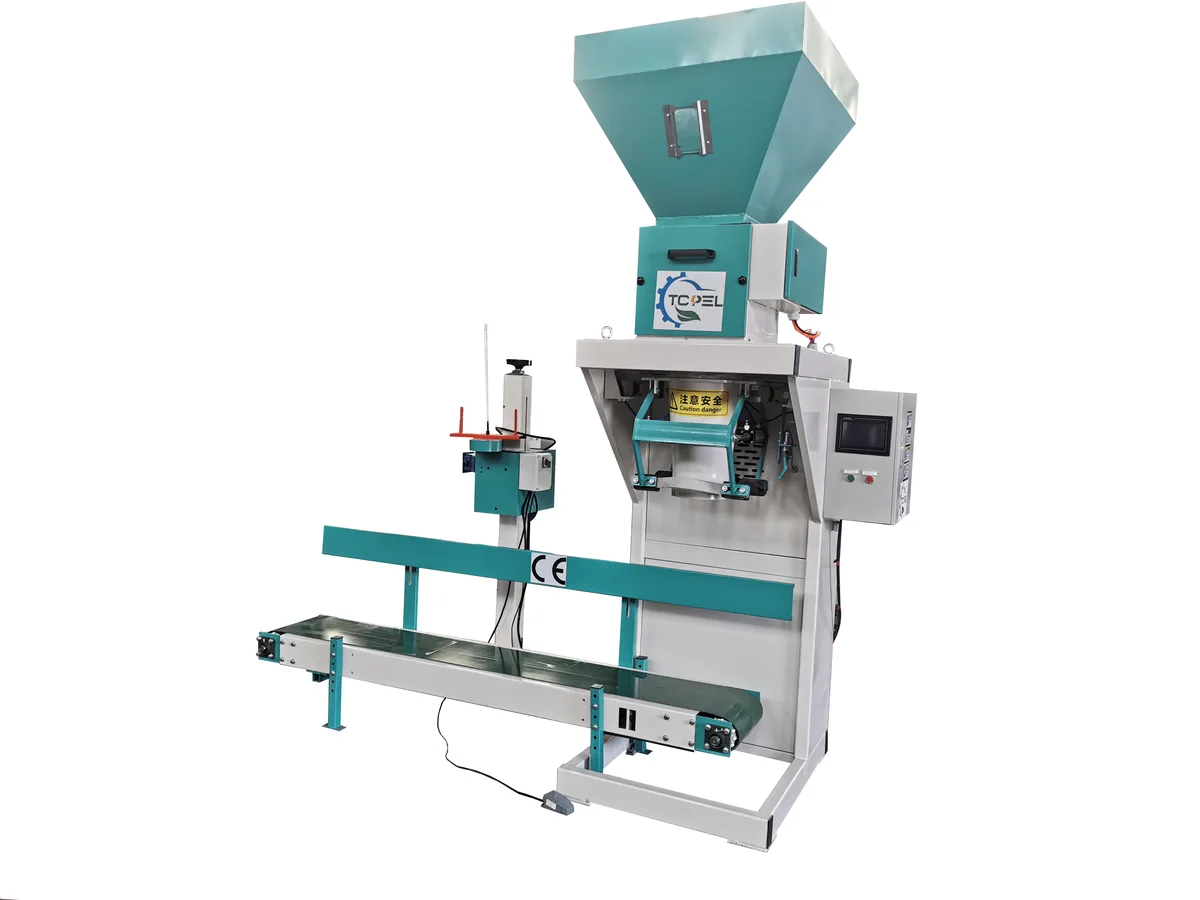
Compare your packing requirements
Small bags and bulk bags create different filling and handling requirements.
Start with the bag sample and intended finished pellet condition.
Separate your required duties from the equipment included in each quotation.
| Requirement | Small bags | Bulk bags |
|---|---|---|
| Bag sample | Opening, dimensions, material, and intended closure. | Opening, dimensions, lifting loops, and support requirements. |
| Target net weight | State the pellet weight required in each bag. | State the pellet weight required in each filled bag. |
| Bag placement | Define how empty bags reach and leave the filling point. | Define lifting, positioning, and support responsibilities. |
| Closure | Specify the required closure and the responsible equipment. | Specify the bag inlet closure and handling sequence. |
| Filled bag movement | Describe conveyor, receiving, and dispatch requirements. | Describe removal, lifting, receiving, and dispatch requirements. |
A format name alone does not define the supplied equipment.
Define your small bag requirements
Provide photographs and dimensions of the bags you intend to use.
Include the bag material, opening shape, and proposed closure method.
State the intended net pellet weight separately from empty bag weight.
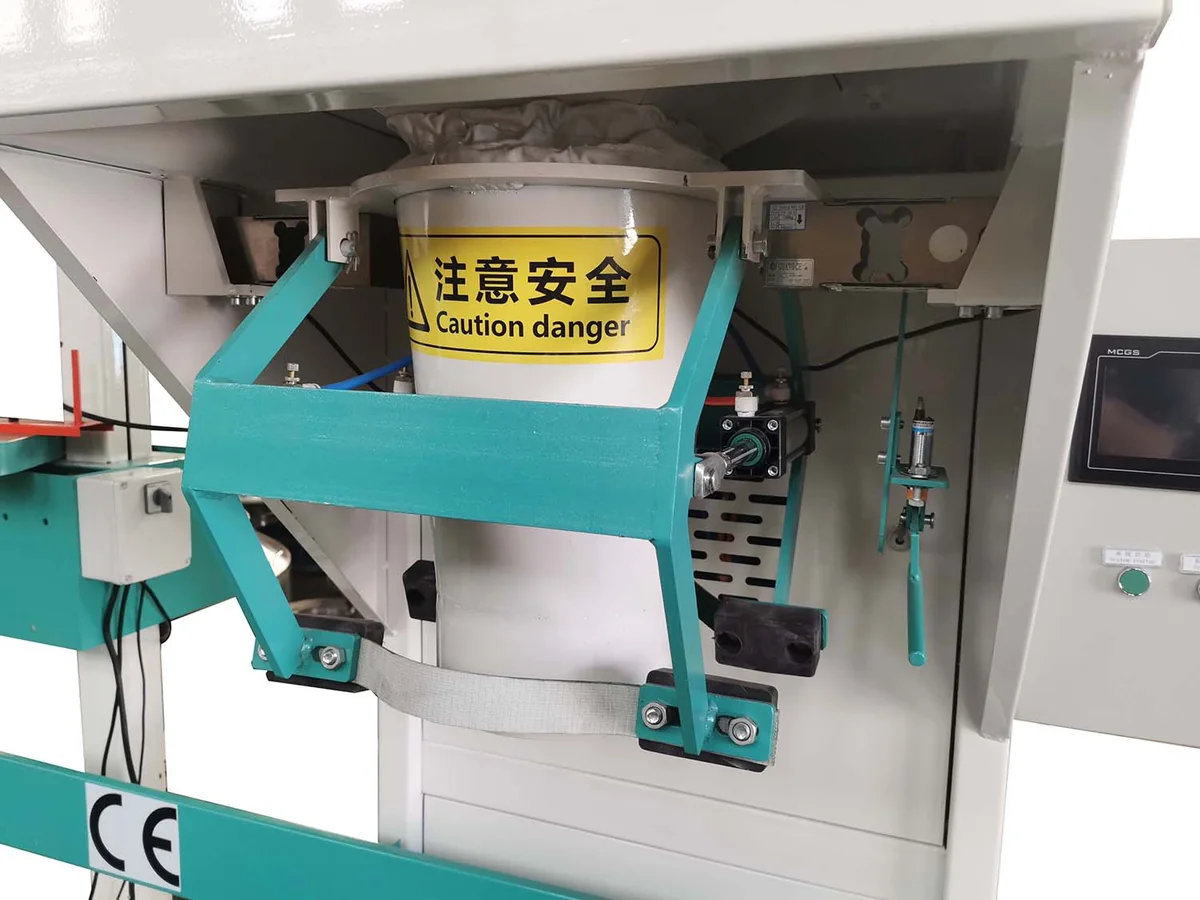
- Record the bag opening and the space available around the filling point.
- Describe how an operator or selected equipment will position each bag.
- Identify the required bag support and access during filling.
- Define who closes the bag and removes it after filling.
The sample helps define these interfaces; it does not establish equipment performance.
Define your bulk bag requirements
Describe the intended bag, support arrangement, and filled bag removal method.
Include bag dimensions, lifting details, inlet arrangement, and intended net weight.
Identify which support and handling equipment already exists at your site.
Ask the quotation to separate supplied equipment from customer handling duties.
Do not assume bag support, lifting, or closure equipment is included.
Define each packing duty
Map the route from finished pellets to the dispatch receiving point.
Identify cooling or screening handoffs where those stages exist.
| Packing duty | Agree in the quotation | Information from your site |
|---|---|---|
| Pellet delivery | Feeding connection, transfer height, and equipment boundary. | Existing discharge, flow pattern, and retained equipment. |
| Bag placement | Operator duties, support arrangement, and required access. | Bag samples and available working space. |
| Filling and weighing | Required function, weighing method, and comparison record. | Intended net weight and available measurement information. |
| Closure and labeling | Selected duties, responsible equipment, and exclusions. | Bag material, closure requirements, and label requirements. |
| Removal and dispatch | Transfer equipment, handoff point, and handling responsibilities. | Receiving position, movement route, and retained handling equipment. |
| Site work | Connections, installation duties, services, and charges. | Layout, available utilities, access, and local site requirements. |
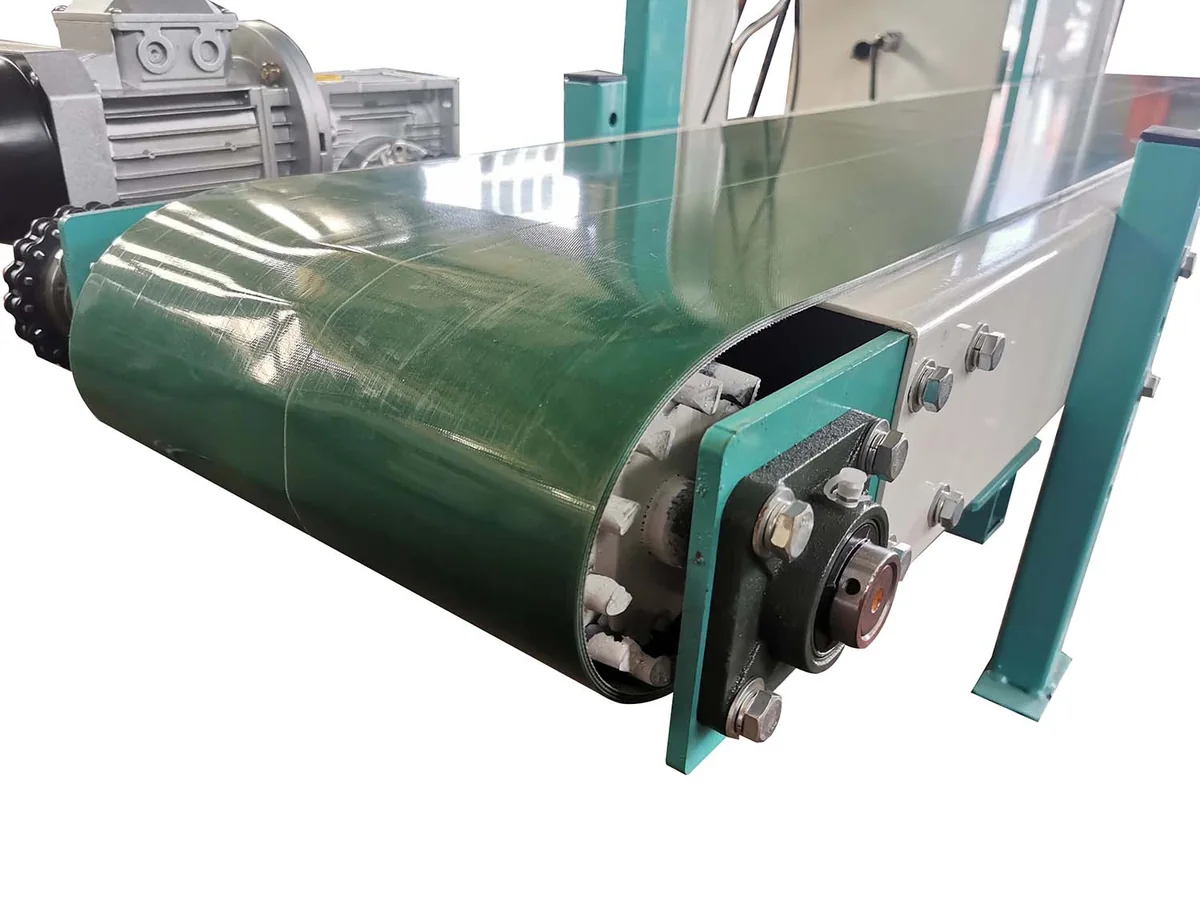
A conveyor photograph shows visible components, not a verified operating rate.
List bag placement, closure, labeling, and palletizing separately when required.
Each duty needs an agreed scope rather than an assumed automation level.
Pellet coolers
Review the material handoff before final handling and packing.
Agree the weighing check
Agree material conditions, weighing methods, and acceptance limits before comparing results.
Record each bag reading and the empty bag weight.
Calculate net pellet weight using the agreed method.
Identify the measurement equipment, check conditions, and responsible person.
Request the agreed result format before arranging an acceptance check.
Use this checklist to agree the record before testing.
Prepare a packing quotation request
Start with contact details, finished pellet information, and target finished output.
Add the intended bag format and net weight when known.
Use the following preparation record to define the remaining scope.
| Requirement record | Information to provide | Decision supported |
|---|---|---|
| Finished pellets | Material, pellet dimensions, flow, and available condition records. | Define the material arriving at the packing inlet. |
| Bag sample | Photos, dimensions, material, opening, and intended net weight. | Assess filling, support, and closure requirements. |
| Required output | Bag count, net pellet mass, and associated operating period. | Keep packing rate separate from finished line output. |
| Weight checks | Required method, reference equipment, and proposed acceptance record. | Compare readings under the same agreed conditions. |
| Closure and dispatch | Closure method, receiving point, and filled bag movement. | Define equipment and operator duties. |
| Site connections | Layout, transfer heights, available utilities, and access. | Identify retained equipment and customer site interfaces. |
| Supply scope | Required equipment, controls, services, and customer responsibilities. | Compare included items, options, exclusions, and charges. |
Mark unavailable measurements as unknown in your first enquiry.
Separate measured information from targets that still require agreement.
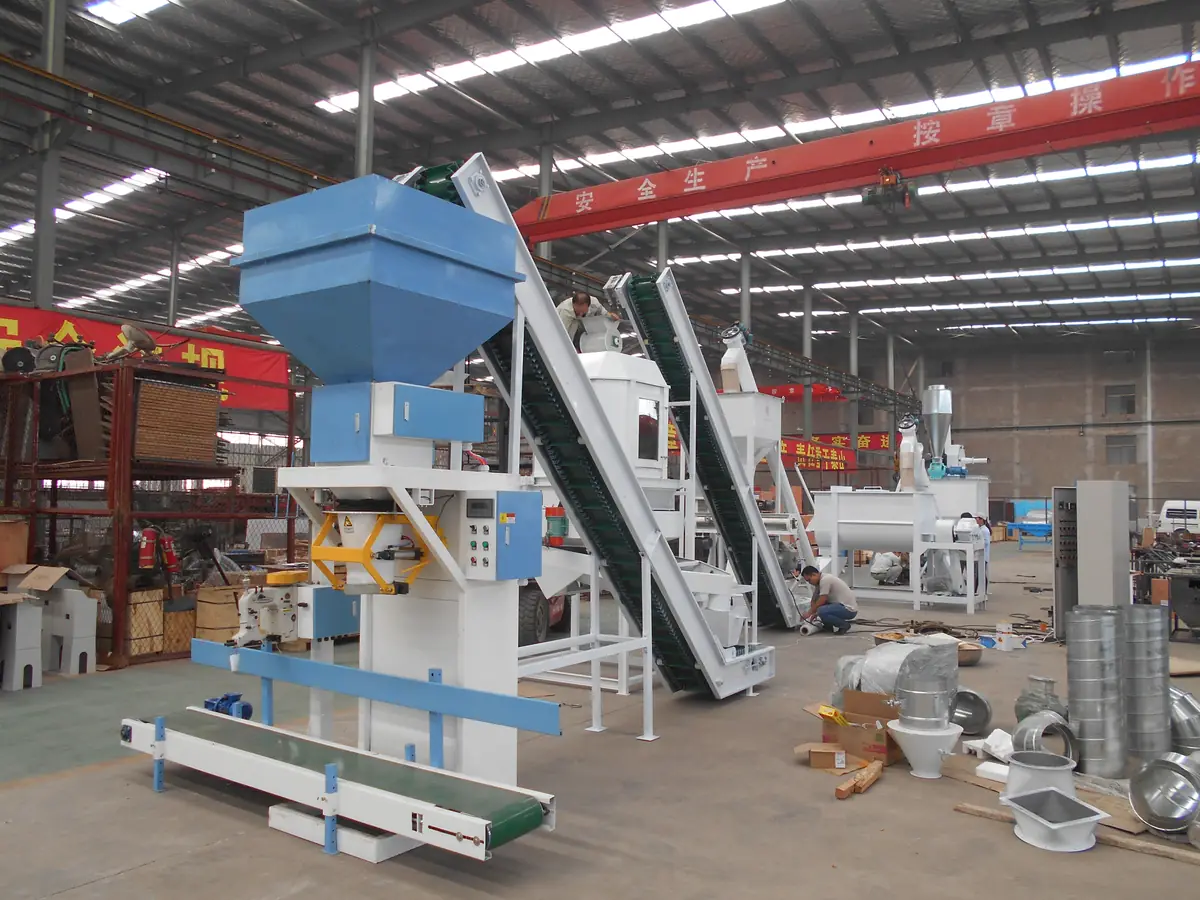
Define TCPEL supply and site responsibilities
TCPEL supplies equipment, controls, dust collection, and safety systems.
Installation is available within the agreed project scope.
Define the selected packing equipment and services in the proposal.
Identify retained equipment, site connections, customer work, exclusions, and charges.
The photographs do not make every visible item a standard supplied component.
Production line planning
Connect packing requirements with the remaining process scope.
Packing questions before requesting equipment
What bag details should I send?
Send bag photos, dimensions, material, opening details, and intended net pellet weight.
Add the proposed closure and filled bag movement method.
Does the quotation include bag closure?
The quotation should identify the selected closure duty and responsible equipment.
Confirm inclusion, operator duties, and exclusions instead of assuming automatic closure.
How should we compare weighing results?
Agree material conditions, the weighing method, and the acceptance record first.
Keep bag readings, empty bag weight, and net pellet weight distinguishable.
Do not compare figures measured under different conditions without explaining those differences.
Does packing speed define finished line output?
Bag count measures packing activity over an operating period.
Finished output measures accepted net pellet mass at the agreed delivery point.
Define both measurement points and their operating periods before comparing quotations.